
This Card Game Bridges Filmmakers and Machine Creativity
Cecile Zhang stands at the intersection of filmmaking and artificial intelligence, and she’s hoping a card game can help bridge the divide between the two. Zhang, a cinematographer with over a decade of experience, is pursuing a PhD in Digital Media at Georgia Tech and lecturing at the Beijing Film Academy, and has watched the film industry grapple with a wave of AI anxiety. Many filmmakers worry that algorithmic tools could displace human creativity, threatening jobs and artistic integrity. “Filmmakers call AI soulless,” said Zhang, acknowledging a common refrain from directors and writers who fear that machine-generated content lacks the human touch. But Zhang herself sees AI differently. In her view, AI can be a valuable creative tool in filmmaking rather than a menacing replacement. “Hollywood can resist, but it can’t ignore change forever,” she said. “We’ve seen time and time again that new technologies — from sound and Technicolor to anamorphic lenses, digital cameras, and even 3D — are often rejected by filmmakers at first. But eventually, they find their way into the filmmaking process.” In other words, like past innovations, AI is making its way into the film world, and Zhang believes trying to understand how it might support or reshape creativity is a better approach than simply rejecting it out of hand
Turning Skeptics into Players
Bridging the gap between skeptical filmmakers and cutting-edge AI tools isn’t simple. Zhang experienced this resistance first-hand when she introduced AI into her classroom. In one experiment, she tasked filmmakers with creating a short movie in just 48 hours using an AI video platform called Runway. The technology made it possible to generate visuals rapidly, but winning over the students was another matter. The exercise highlighted how cautious many emerging filmmakers remain. “It’s hard to get filmmakers invested in AI tools,” Zhang admitted. The question lingered:
“Is there a better way to introduce AI to filmmakers?”
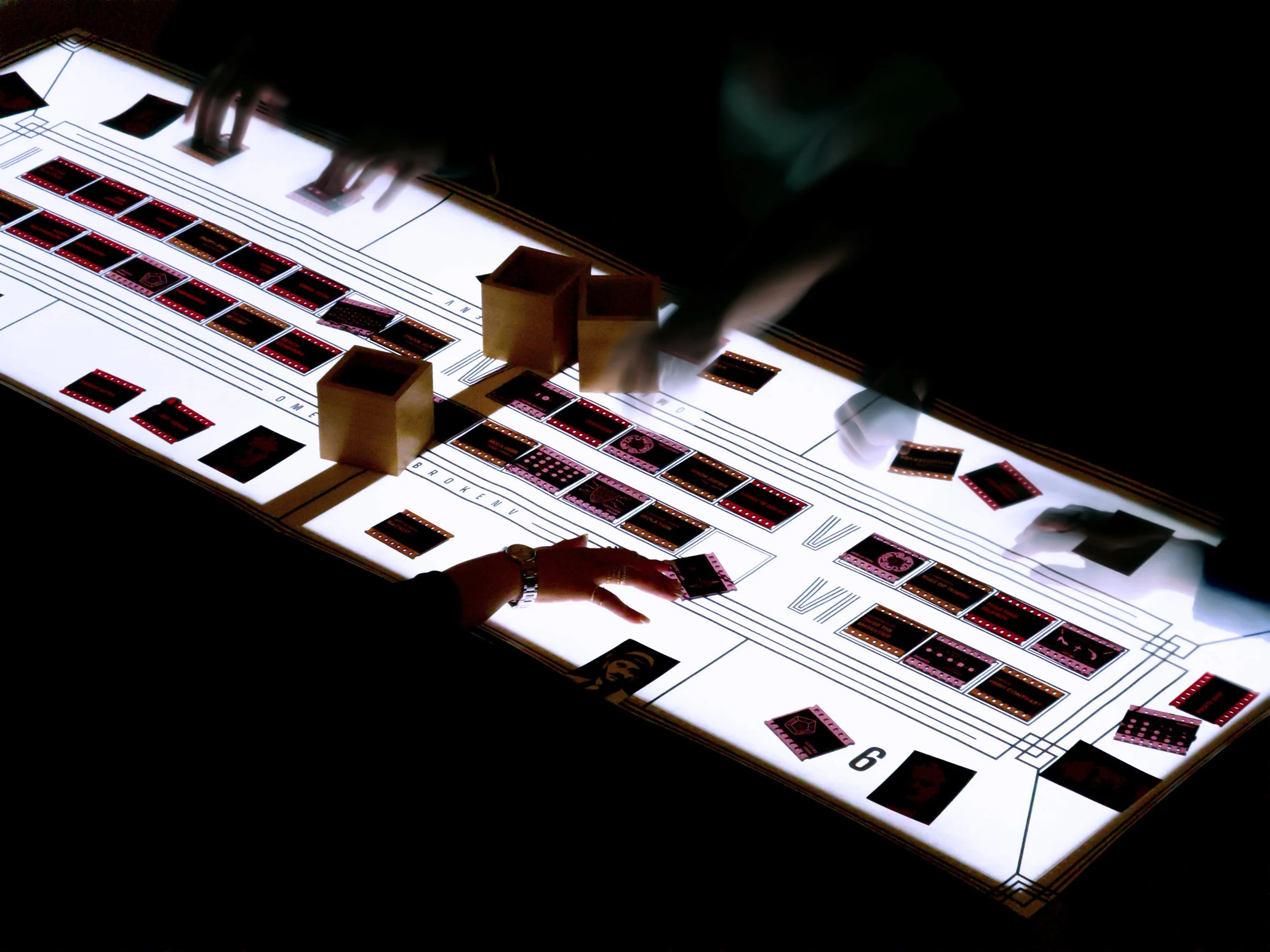
Rather than force traditional storytellers to adopt an unfamiliar technology outright, Zhang wondered if a more indirect approach could spark curiosity and ease fears. “How can we create a space for filmmakers to debate with AI?” she asked. That question led to an unconventional answer: a card game. Last year, Zhang developed Omertà Unbroken, a tabletop game explicitly designed to engage filmmakers with AI concepts in a hands-on, playful setting. She co-designed the game with Northeastern University researcher Hector Fan, and the project was funded by a Georgia Tech Arts microgrant with additional support from the AI platform Runway. “Omertà Unbroken is not a typical tech demo or training workshop; it’s more like a creative workshop disguised as a party game,” Zhang explained, describing it as a Werewolf/Mafia-style game that mimics the dynamics of a film production meeting. The game’s very name, Omertà (a Mafia term for a code of silence) Unbroken, hints at its hidden-traitor premise and the secrecy players keep during each round.
A Film Production in Card-Game Form
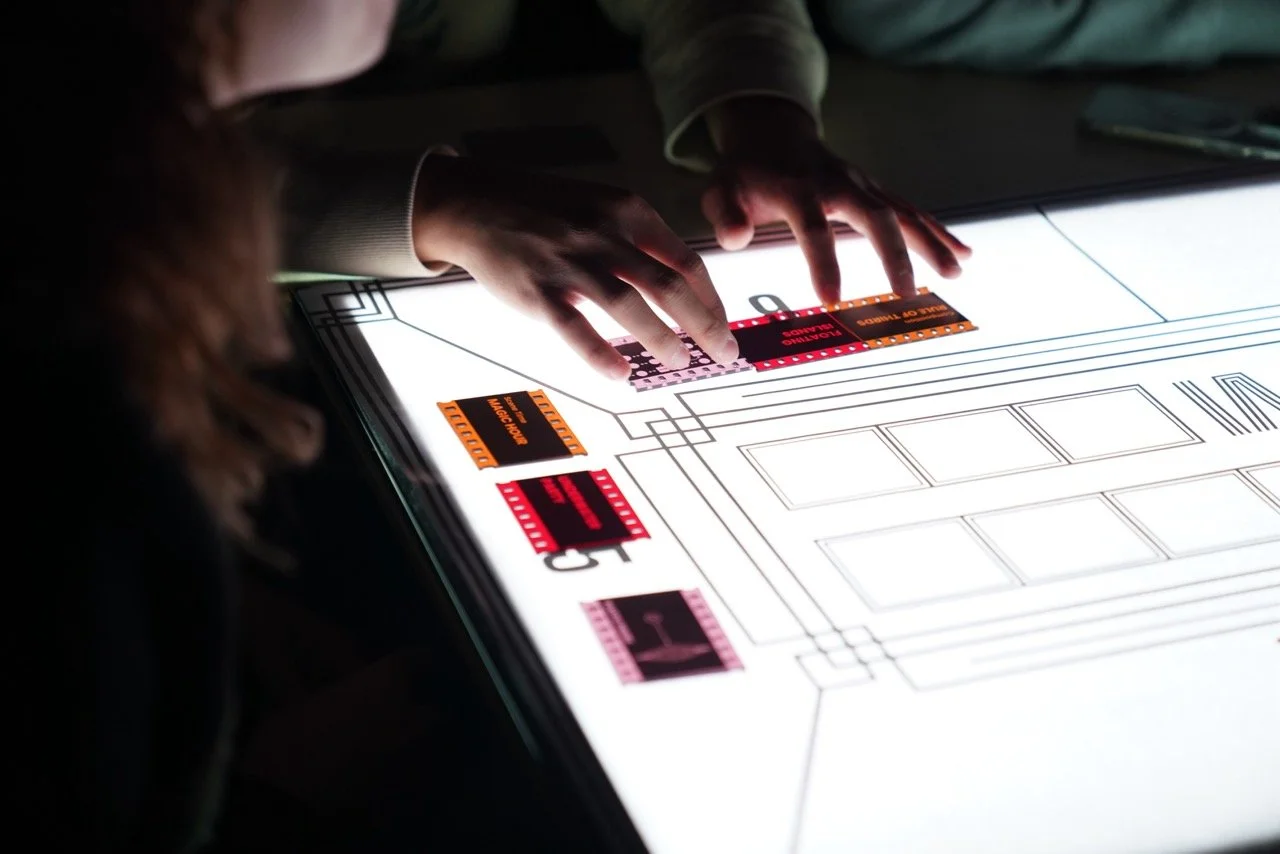
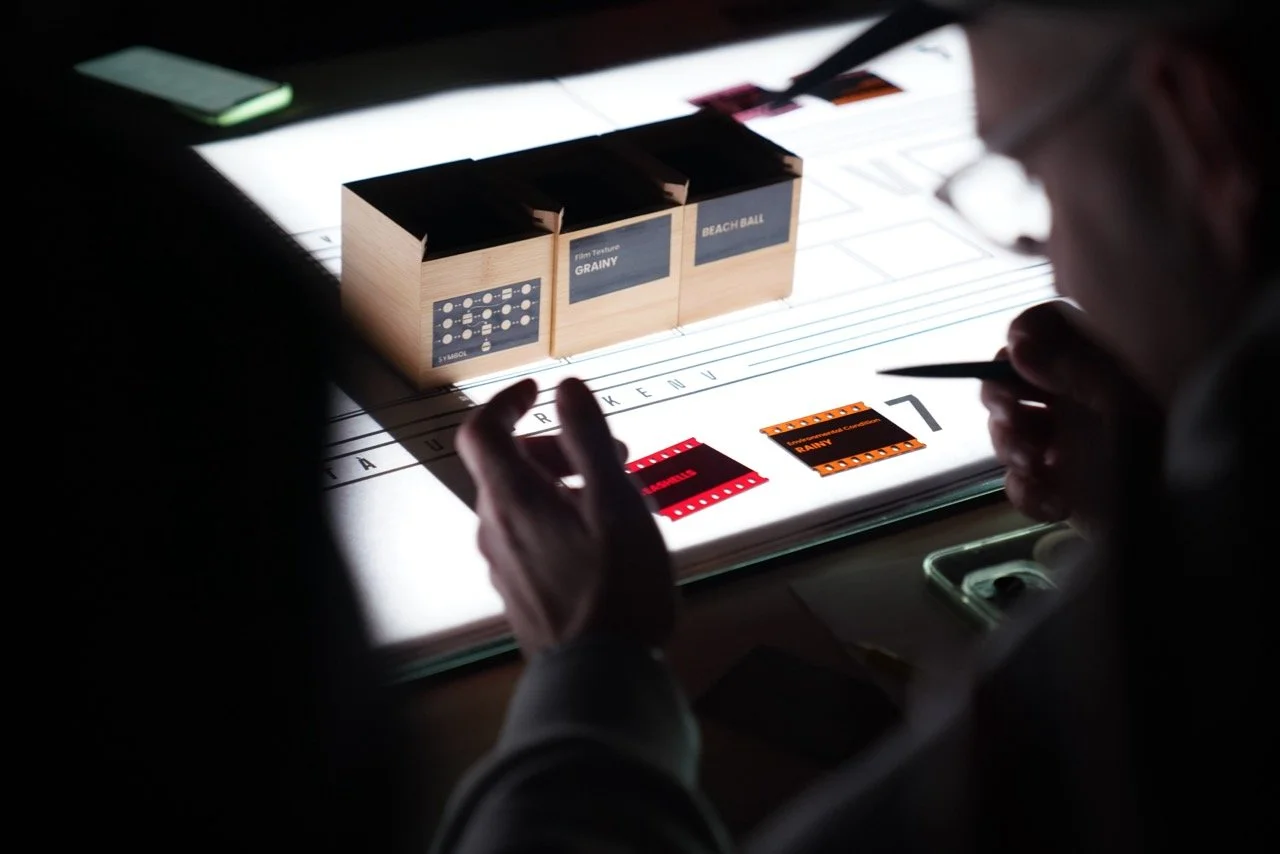
In Omertà Unbroken, 6–8 players (plus a facilitator) sit down to “make” an imaginary movie using three types of cards: subject cards, prompt cards, and metaphor cards. Each player draws cards that contribute elements to the film. A subject card might define a central character or key prop, while a prompt card draws on platform guidelines, specifying elements such as camera angle, shot size, mood, or time of day. A metaphor card introduces a thematic twist or abstract direction. Unbeknownst to the group, two players are designated as the “wolves,” saboteurs whose goal is to subtly derail the movie’s narrative. “A ‘wolf’ can ruin the movie that the others are making. The point of the game is to create a movie with all the different cards,” Zhang said, explaining the basic rules. The wolves might push absurd or disjointed ideas (much like an unpredictable algorithm) while the rest collaborate to steer the story coherently. At its heart, the gameplay turns the usual clash between human creativity and machine randomness into a roundtable challenge. The group must interpret and integrate the sometimes wacky prompts, debating which ideas enhance the story and which might be the work of the hidden saboteur. “There’s room for lots of interpretation in this game. In a way, it mimics production meetings,” said Zhang. Indeed, much like a real production meeting, the players negotiate creative choices, argue over which direction to take, and collectively shape a narrative from a mix of earnest suggestions and curveballs.
Zhang deliberately infused Omertà Unbroken with film-industry flair. The cards themselves are styled like 120 mm film stock strips, connecting the design back to old-school analog cinema. Even the metaphor cards draw on highbrow film theory, including concepts from French philosopher Gilles Deleuze, to prompt players to think about scenes in abstract and symbolic ways. By using metaphors and symbolic prompts, Zhang encourages filmmakers to approach AI not in a cold, technical manner, but through storytelling and interpretation. The game environment is speculative and low-stakes: players can toy with outrageous ideas and “what-if” scenarios that AI might generate, without the pressure of real budgets or reputations on the line. The hope is that this playful format lowers defensive barriers. Instead of dismissing AI outright, filmmakers around the table find themselves interacting with it, or at least with the idea of it, creatively and critically. Zhang likens it to a sandbox where filmmakers and AI can collaborate in imagination, wrestle with the tool’s contributions, and even push back against them, all in the course of a fun evening.
Reception and a Cultural Lens on AI Creativity
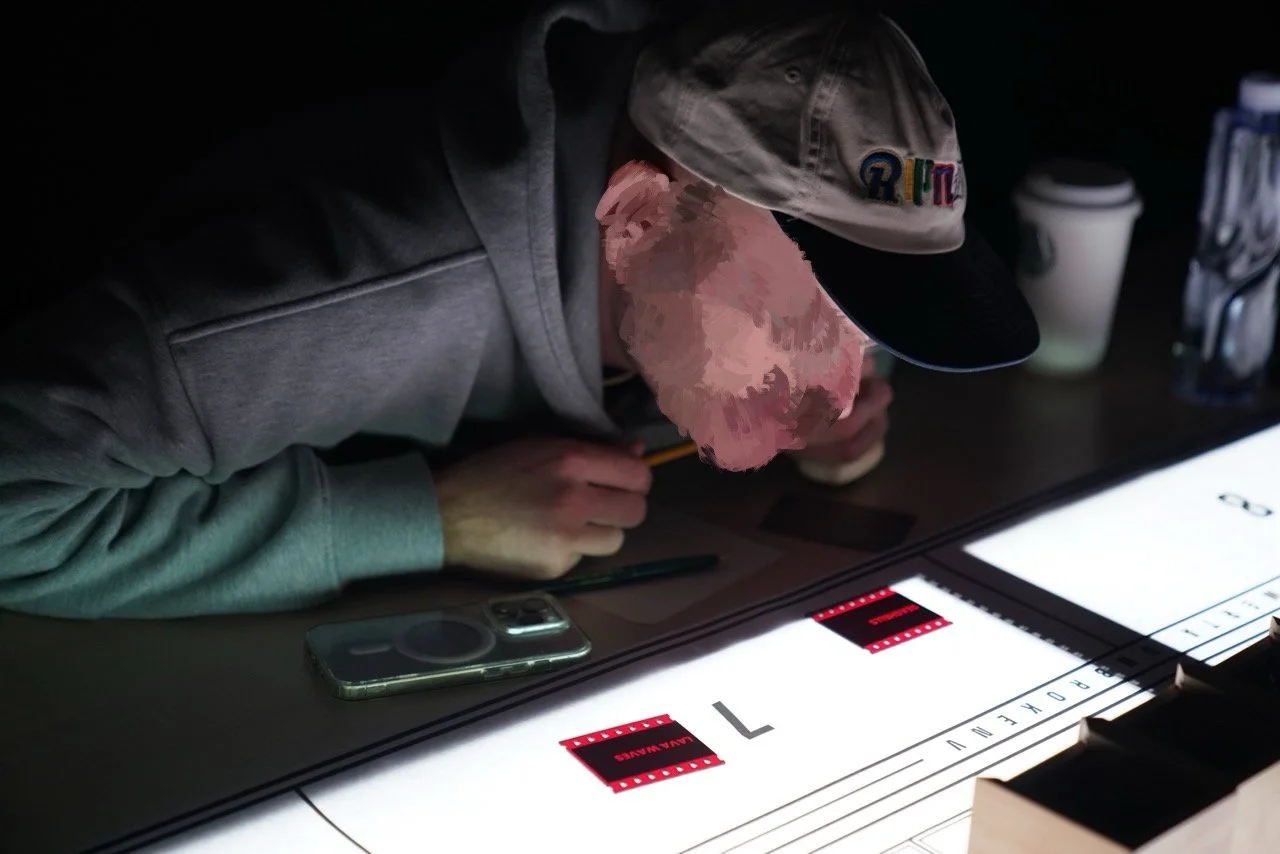
Early playtests of Omertà Unbroken suggest that a bit of playfulness can go a long way in shifting perspectives. Participants in Zhang’s game sessions have described the experience as eye-opening—and surprisingly enjoyable. Some players admitted it was “fun, maybe too much fun,” according to Zhang, meaning they became deeply engaged in the gameplay. They temporarily forgot it was designed as an educational exercise. This enthusiastic response was encouraging: the game succeeded in getting die-hard storytellers to lean into the AI-driven chaos rather than shy away from it. In fact, Zhang observed that during one round, a few competitive players even tried to hand off some storytelling tasks to a real AI for the sake of efficiency, as if to enlist the machine as a teammate. That impulse, to use the AI when it seemed useful, was telling. It illustrated exactly the negotiation Zhang hoped to see: filmmakers experimenting with where an AI might fit into their process, but on their own terms. Crucially, even when they invoked an algorithm for help, players didn’t treat it as a creative equal or threat; they saw it as a tool, not the auteur. This underscores the game’s core message: that it’s possible to engage with AI critically and keep human intention at the center.
Zhang has also noticed differences across audiences. When she introduced similar AI storytelling exercises at the Beijing Film Academy, her students, a diverse group, including many from Europe, were markedly more receptive than some of her Western colleagues might have been. “My students in China were actually very open to it,” she said, contrasting their enthusiasm with the wariness often seen in Hollywood circles.
She suspects the setting plays a role: in some academic or international environments, students may approach AI more playfully or experimentally, with less concern for authorship boundaries. In contrast, filmmakers working in more traditional industry contexts, particularly in the West, may hold more tightly to individual authorship and originality, making algorithmic input feel like a threat.
These cultural nuances, Zhang suggests, mean that any adoption of AI in filmmaking will play out differently around the world. What’s universal, however, is the need for dialogue, understanding, and curiosity. “It’s about finding a common language,” said Zhang. “Where filmmakers and AI can meet.”
As the film industry cautiously navigates the AI era, Cecile Zhang’s experiment offers a hopeful blueprint. Rather than simply urging artists to embrace technology or warning technologists to respect art, she literally deals out the debate on a tabletop. In a neutral play-space of cards and creativity, directors, students, and writers can safely explore what an AI “co-creator” might bring to the table. Zhang’s approach remains decidedly neutral in tone: it doesn’t claim AI will save cinema, nor will it doom it. Instead, it demonstrates that with the right framework, even skeptics can engage with artificial intelligence on creative projects without sacrificing integrity. Omertà Unbroken transforms an industry conflict into a collaborative game, demonstrating that the divide between humans and machines may not be as unbridgeable as it seems.
Zhang also acknowledges Dr. Jay Bolter, Dr. Ryan Scheiding, and colleague Watson Hartsoe for their guidance and support throughout the project.