
News & Research
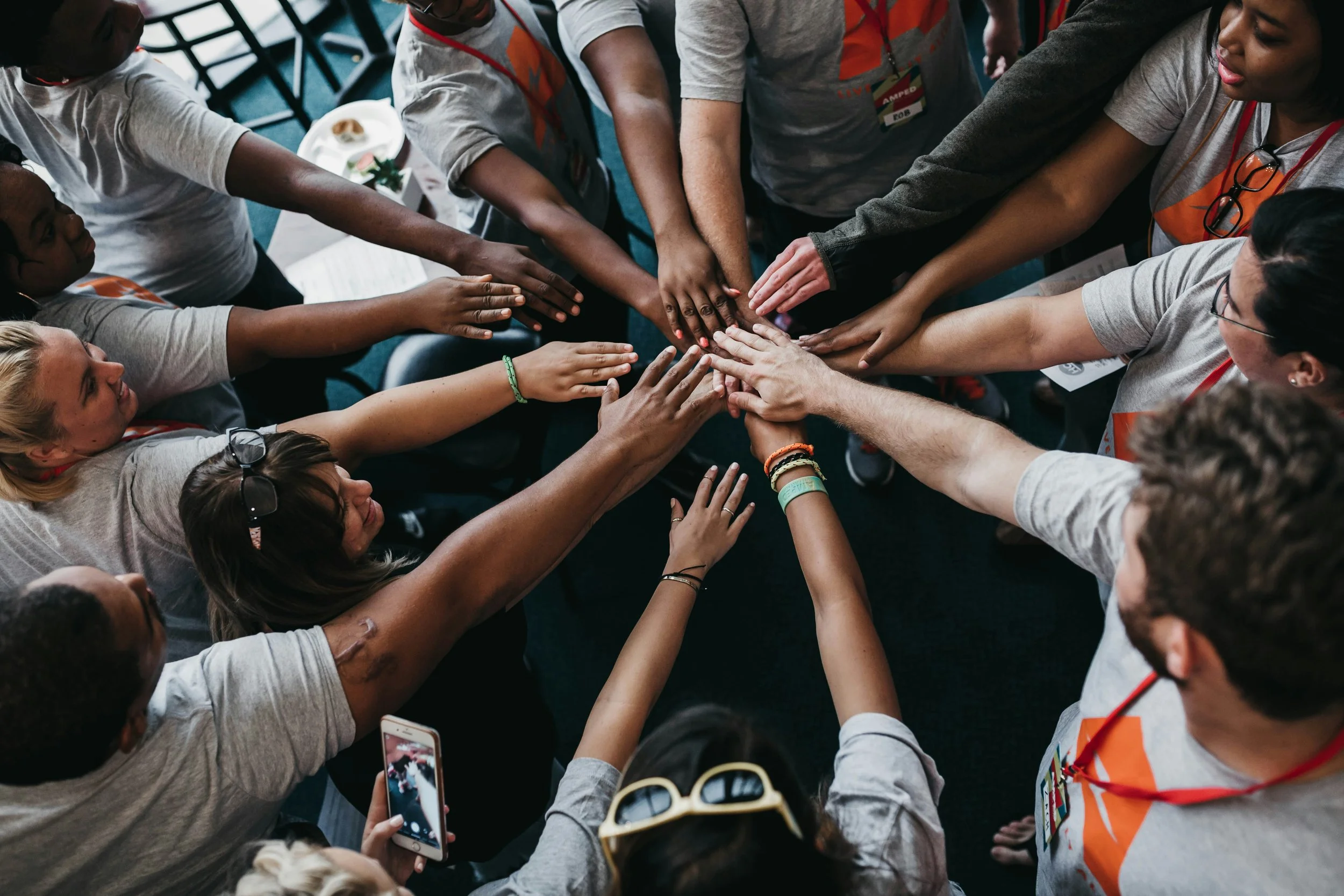
Shaping a Path Forward: Ongoing Influence of Bardzell’s Foundational Feminist HCI Paper
In 2010, Dr. Shaowen Bardzell, a Professor and Chair of Georgia Tech’s School of Interactive Computing, published a foundational paper titled “Feminist HCI: Taking Stock and Outlining an Agenda for Design.” And now, 16 years later, this paper has received over 1,700 citations from researchers all across the world, has provided a systematic way for designers to investigate their assumptions, and continues to inspire researchers, including right here in Tech Square.

When Is a Site Actually Ready for AI Infrastructure?
AI infrastructure is the physical layer behind artificial intelligence: the places where computing happens, along with the required power, fiber, cooling, and land. At first, determining site readiness for artificial intelligence infrastructure sounds straightforward. Find a property. Check the land and building. Look at the zoning. See whether power and fiber are nearby. Work through the economics. But once you start verifying those factors, “site readiness” gets harder to define.

Traffic Signals That Learn
Traffic signals that learn to retime themselves can cut driver delays, the stop-and-go crawl past night crews and the near-misses that put road workers at risk, a new simulation study says. The difference between these AI-driven signals and conventional traffic signals is simple: instead of following a timing plan set weeks earlier, they watch the traffic in front of them and respond as conditions change.
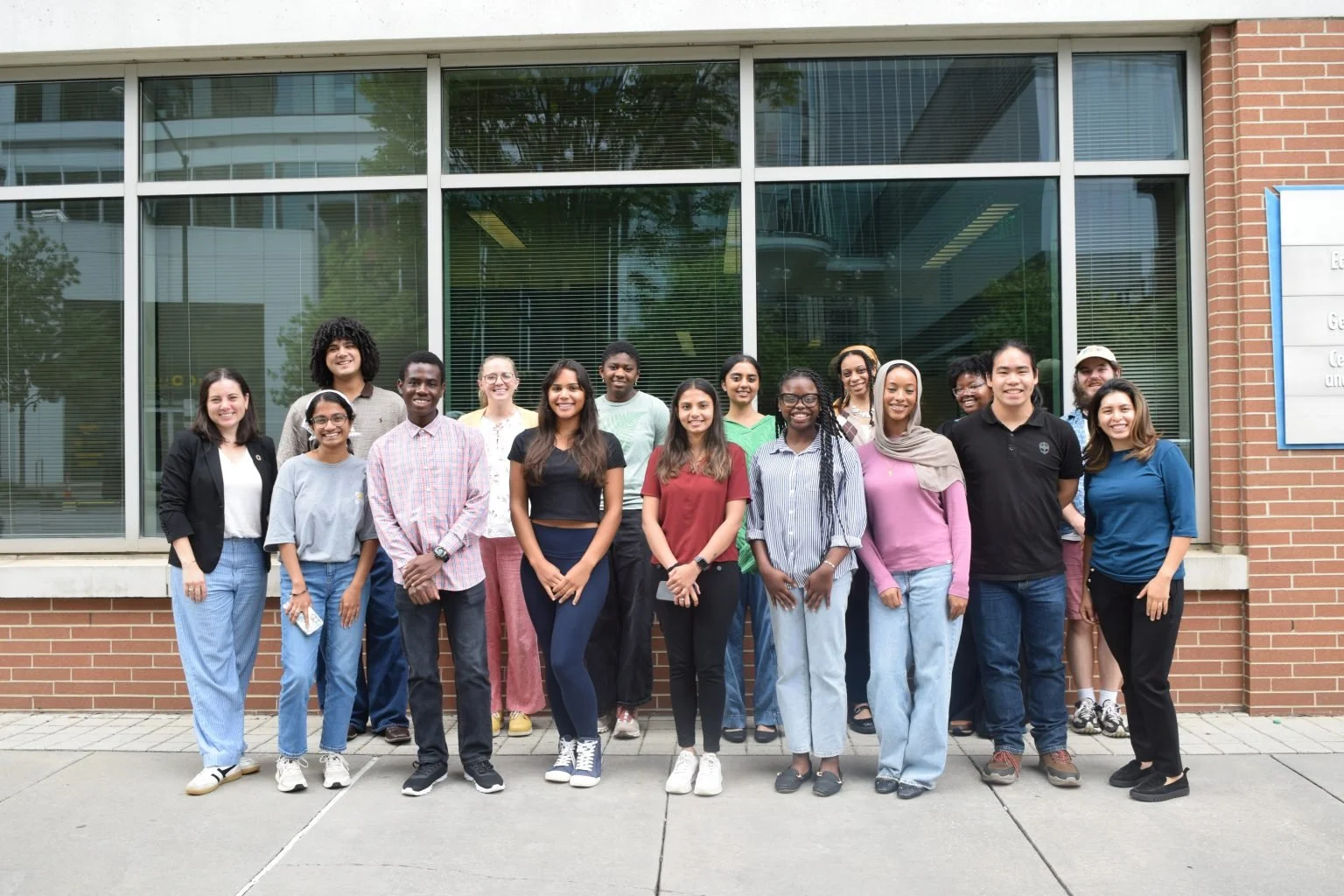
Local Solutions to Global Problems: The SDG Futures Fellowship Experience
While enrolled at Spelman College, Naomi Wagner was seeking opportunities to bring together her interests in civic engagement, environmental justice, sustainability, and education. When she learned about the SDG Futures Fellowship, Wagner couldn’t wait to apply. The United Nations Sustainable Development Goals are at the core of the SDG Futures Fellowship. “We take a global to local impact approach,” said Anna Tinoco-Santiago, co-lead of the SDG Futures Fellowship Program.

Reaching Where Neurosurgeons Can't
A Georgia Tech lab and an Emory neurosurgeon are teaming up on untethered microrobots designed to reach the deepest, hardest-to-treat corners of the brain.
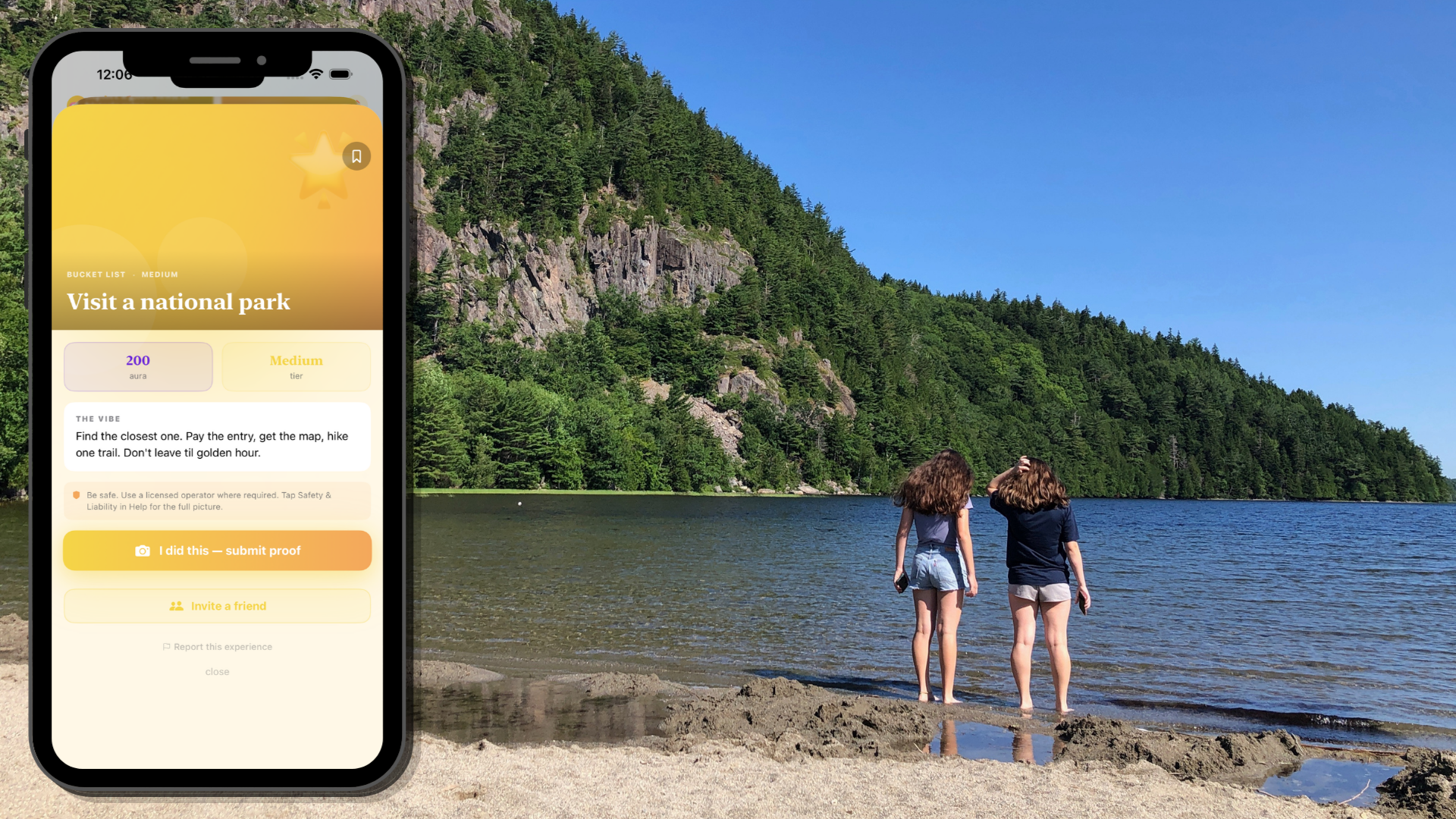
Meet the Fifteen-Year-Old Founder Who Wants to Help You Stop Scrolling
It was Ruth Geller’s last day of ninth grade. She and her friends wanted to celebrate, but they noticed a problem: teens had nowhere to hang out. Instead of giving up and scrolling on her phone, she decided to find a solution. Now, she’s the founder of Vivaly. The app gives users a catalog of free, real-life experiences they can do solo or with friends. The activities range from watching sunsets to making sweet snacks to hosting sleepovers.
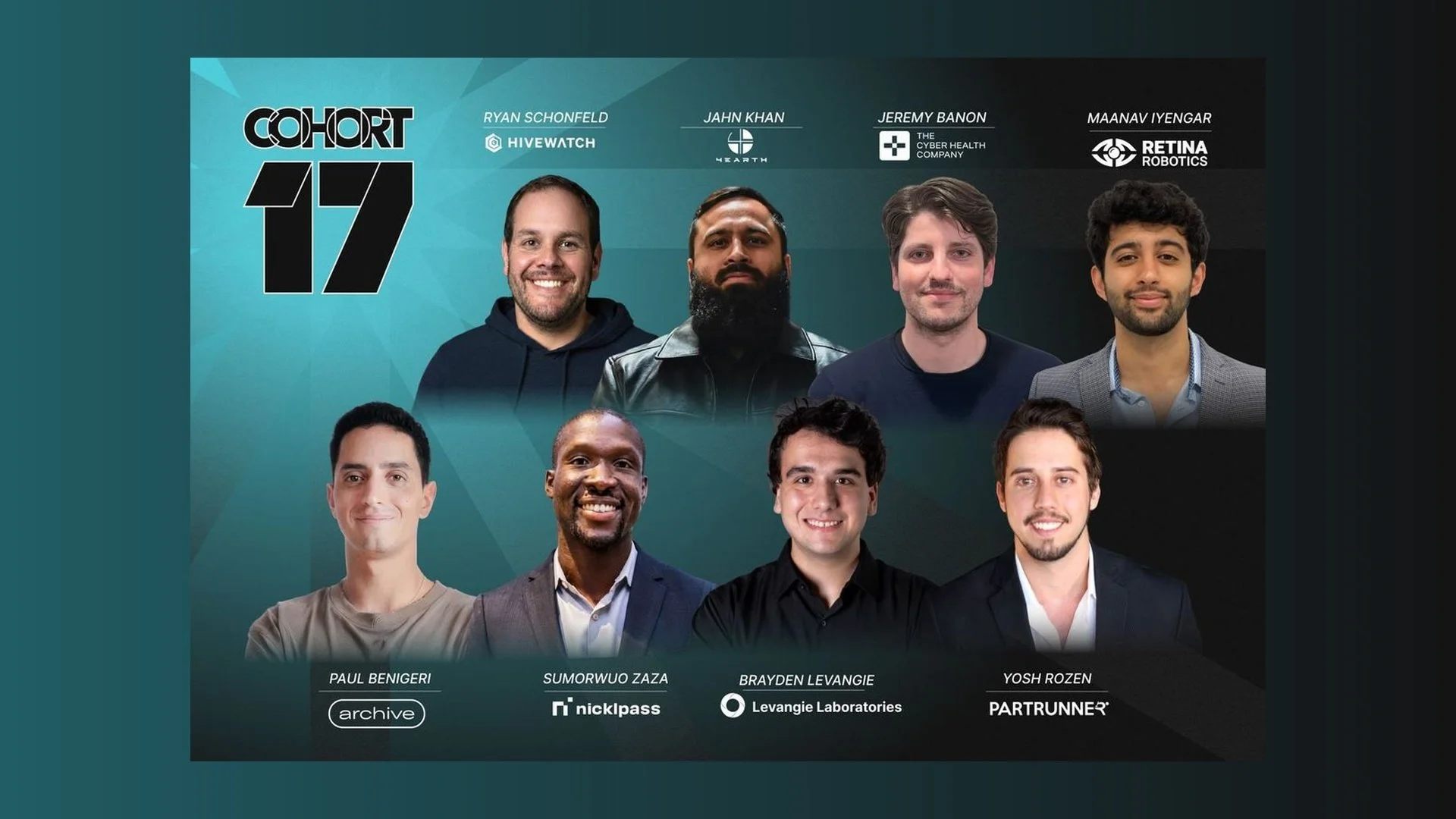
Atlanta’s Engage Selects Eight Startups for Cohort 17 as Corporations Focus on AI and Security
Engage, the corporate venture platform bringing together startups and large enterprises in Atlanta, has announced its 17th cohort. The companies selected come from across the US and Mexico…and the Engage team says they showcase that corporations are looking for more AI and security solutions being built right now by startup founders.
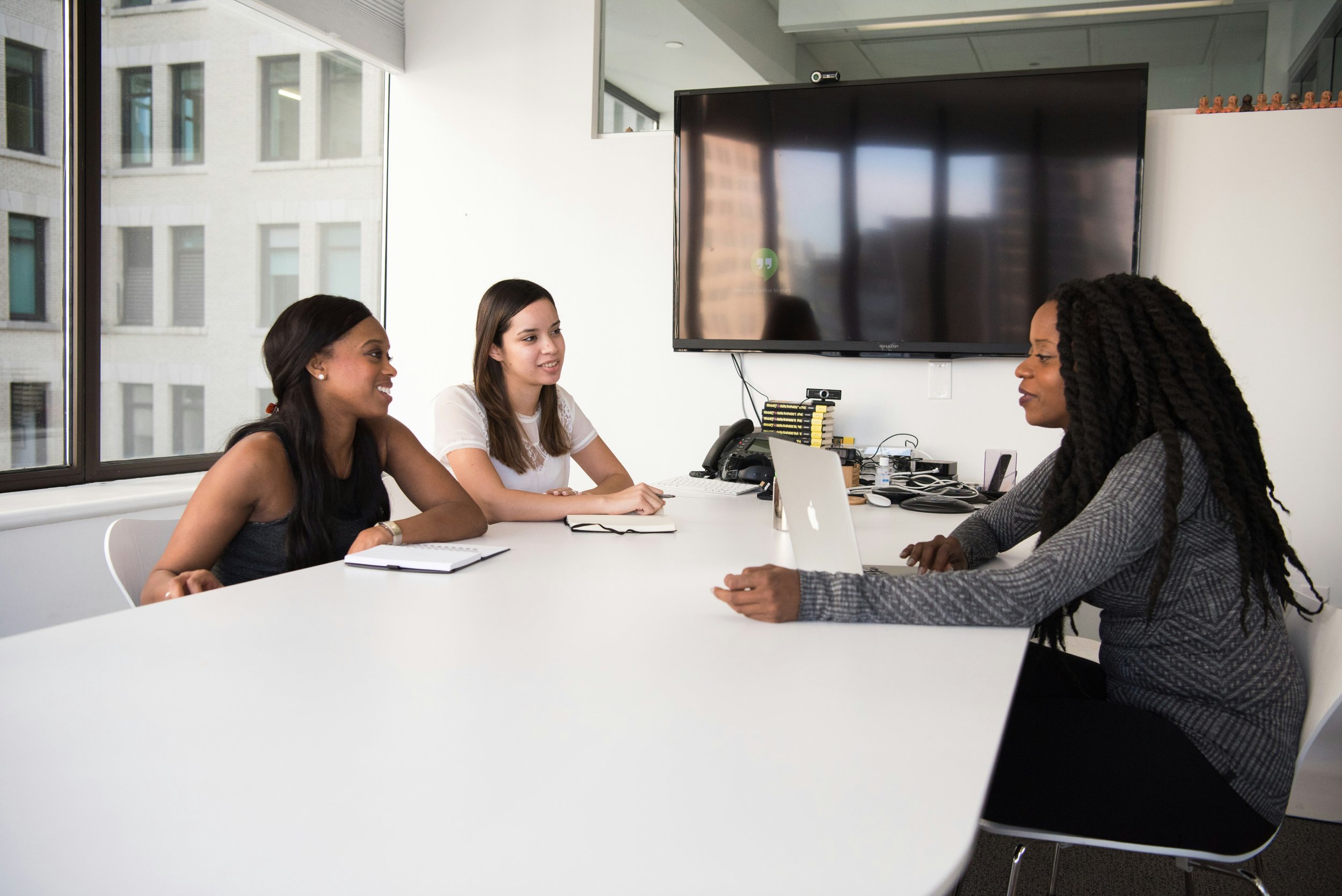
Atlanta Tech Hiring Is Not Frozen. It Is Getting More Intentional.
The layoff headlines miss the real story, writes recruiter Chris Wasserman. Atlanta's tech market has not frozen. It has grown more intentional, rewarding candidates who can show what they will do next.
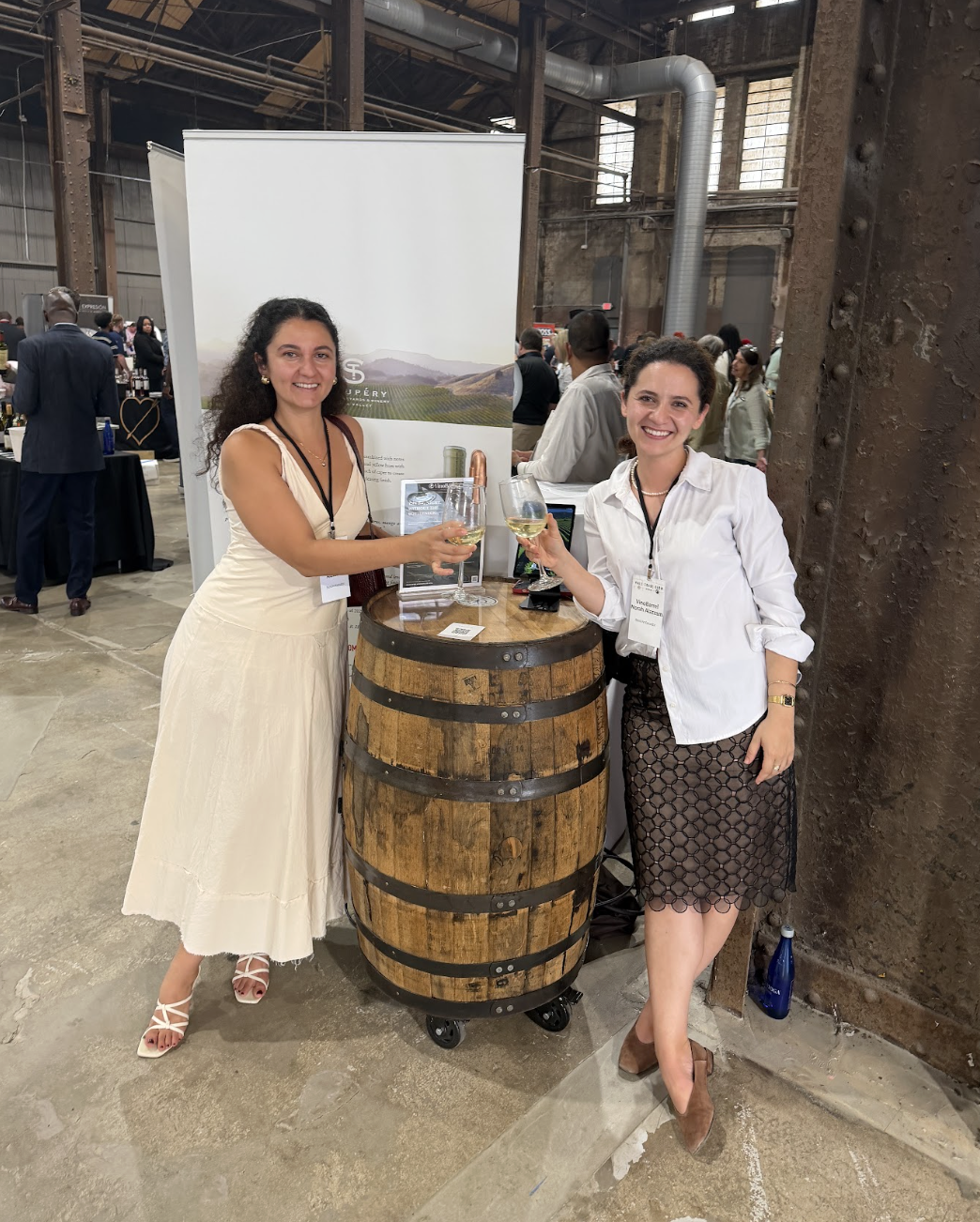
VinoBarrel’s Next Chapter
Four years after Seth Lytle walked away from a career at IBM to build a smarter way to serve wine, VinoBarrel is entering what its founder calls a defining stretch. "VinoBarrel is at an inflection point," Lytle said. "We're at the point where we're beginning to scale."
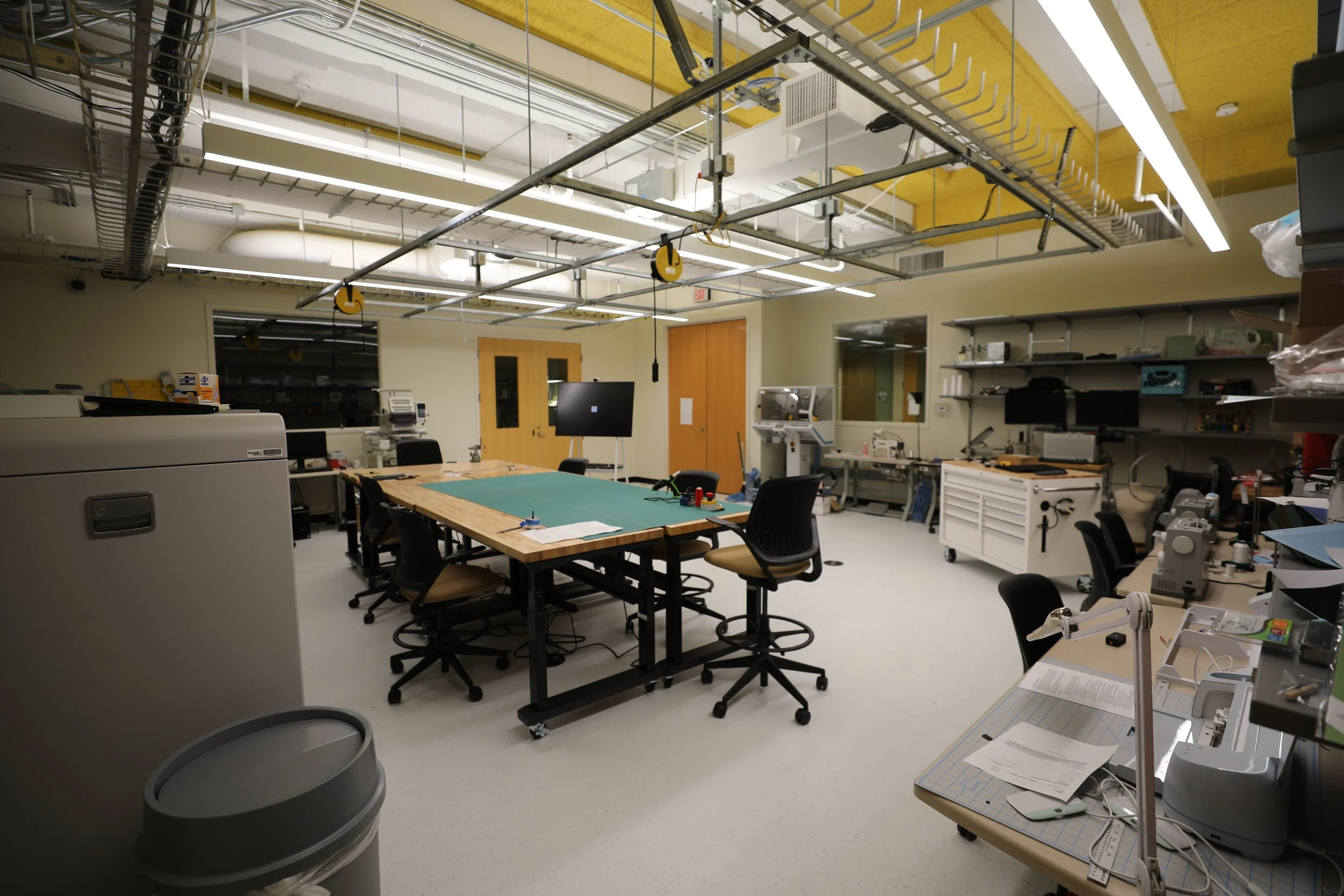
Where Science, Art, and Technology Meet in Tech Square
Innovation often occurs at the boundaries where disciplines meet. Given this, how can practitioners from different disciplines best collaborate to share ideas, ask new questions, and explore new solutions? From the Institute for People and Technology (IPaT) Craft Lab to the SimTigrate Design Center in the Technology Square Research Building (TSRB) and beyond, Tech Square has a variety of organizations that are innovating at and between the boundaries of science, art, and technology.
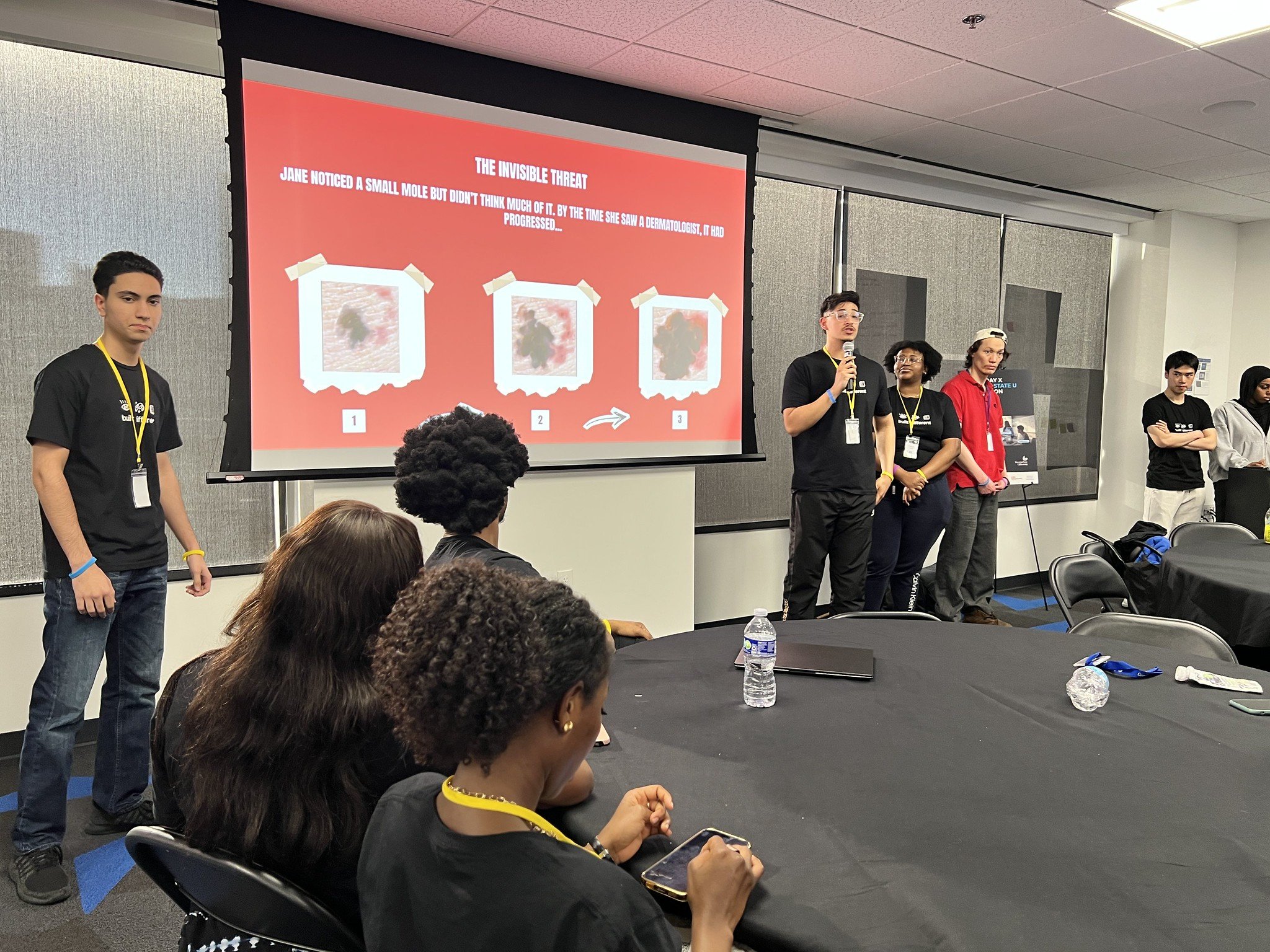
Georgia Teen Is Building Skin Cancer Awareness and Helping People Connect with Clinicians with SkinTight AI
Build Day X Innovation Bootcamp hackathon was a true launchpad for Barsa Majidi. After participating in one of the winning teams, Majidi continued to build on the idea. The result for this Georgia teen? He founded SkinTight AI, an AI-powered skin cancer monitoring tool that helps people learn about the signs of skin cancer to watch for, raise awareness of how to protect their skin health, and connect with local dermatologists for an expert review.

Inside the ATHENA Lab
In the Technology Square Research Building (TSRB) at the heart of Tech Square, the ATHENA Lab operates with a simple premise: research should not stop at theory. That mindset has defined the lab since 1998. Nearly three decades later, the lab has become a distinctive engine, producing world-leading hardware and addressing global grand challenges that move quickly from concepts to physical systems.

At 16, Sankalp Joshi Is Building an International Sourcing and Distribution Company
At 16, Sankalp Joshi is building an international sourcing and distribution company on a simple bet: the more boring the business, the better the opportunity. What started with a clothing brand in Manila now moves goods across the Philippines, India and the United States.
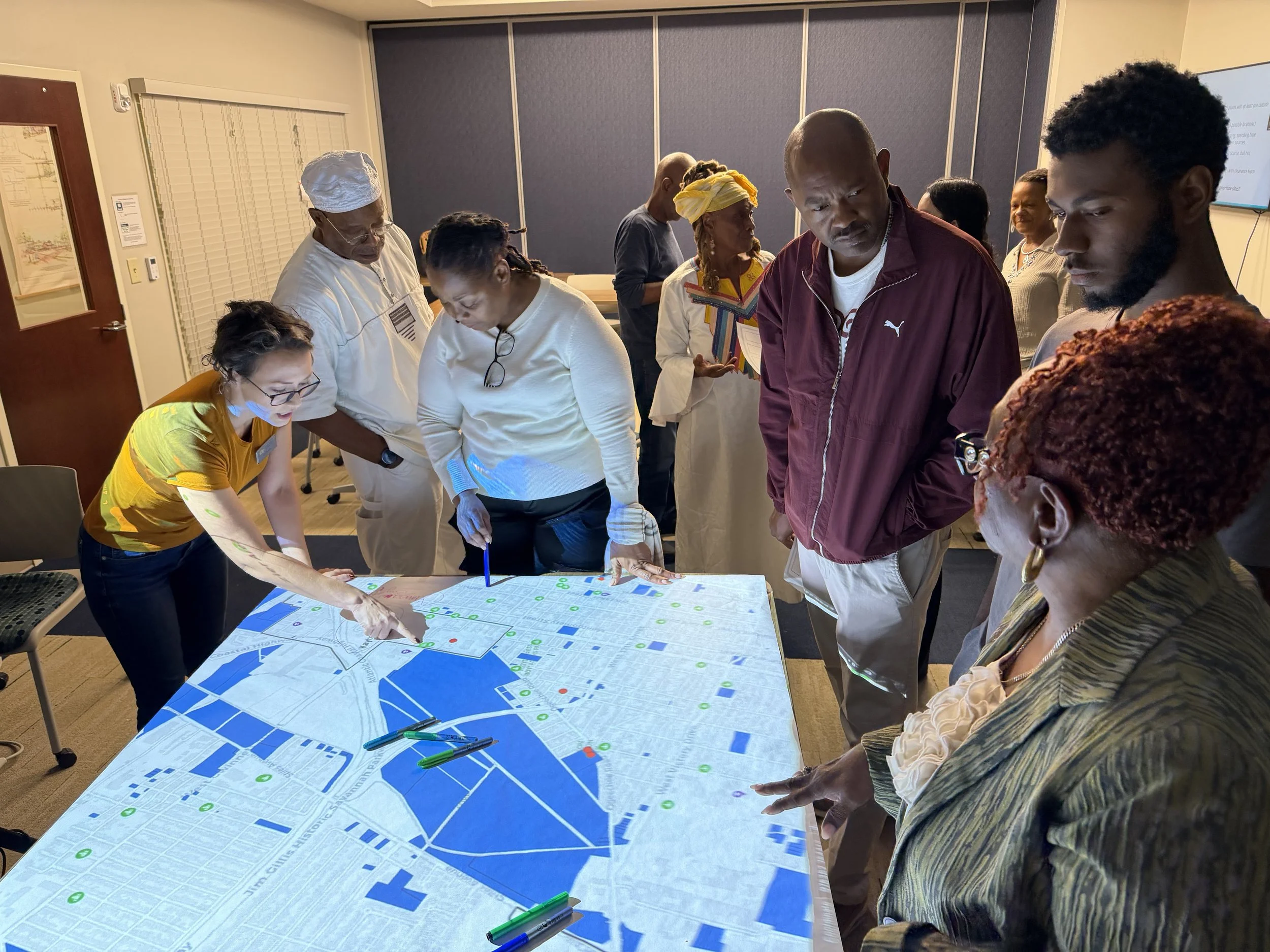
The CEAR Hub Helps Coastal Communities Build Resilience
The work happens more than 200 miles from Tech Square, but its roots run straight through Atlanta. Along coastal Georgia's marshes and waterfronts, Georgia Tech researchers are helping communities read the water, plan for it and push back against it. They call the effort the Coastal Equity and Resilience Hub, or CEAR Hub.

How Faith-Based Organizations Can Turn Technology into Community Impact
For faith-based organizations, technology succeeds when it deepens connection rather than replacing it. Jamshed Patel makes the case for building capacity around the communities these tools are meant to serve.