
Ecolyfe’s Smart Grid Revolution Impacts Bahamas Grid
In less than a year, Ecolyfe has evolved from a student project into a startup managing energy forecasts for a national power grid. Founded in late 2024 by Georgia Tech student Quentin Carter, alongside co-founder Greg Steckel, the company began with a consumer-focused mission to help households reduce energy use.
An early-2025 pivot refocused the team on a far larger challenge: helping electric utilities optimize power systems using artificial intelligence, an approach that quickly led to major partnerships, despite typically lengthy commercial sales cycles in the energy sector.
Forecasting for a Greener Grid
At the core of Ecolyfe’s platform is AI-driven software that enables utilities to forecast energy demand, balance power flows, and integrate renewable sources at scale.
“We’re using intelligent smart-grid software to quantify supply and demand so utilities can more effectively integrate renewables,” says Steckel, who leads the company’s data analytics efforts.
Early pilots expanded rapidly, moving from small, localized tests to deployments with national-level impact abroad. When projected over a year, those early results suggest utilities could save between $10 and $30 million while advancing sustainability goals.
Renewable Integration in The Bahamas
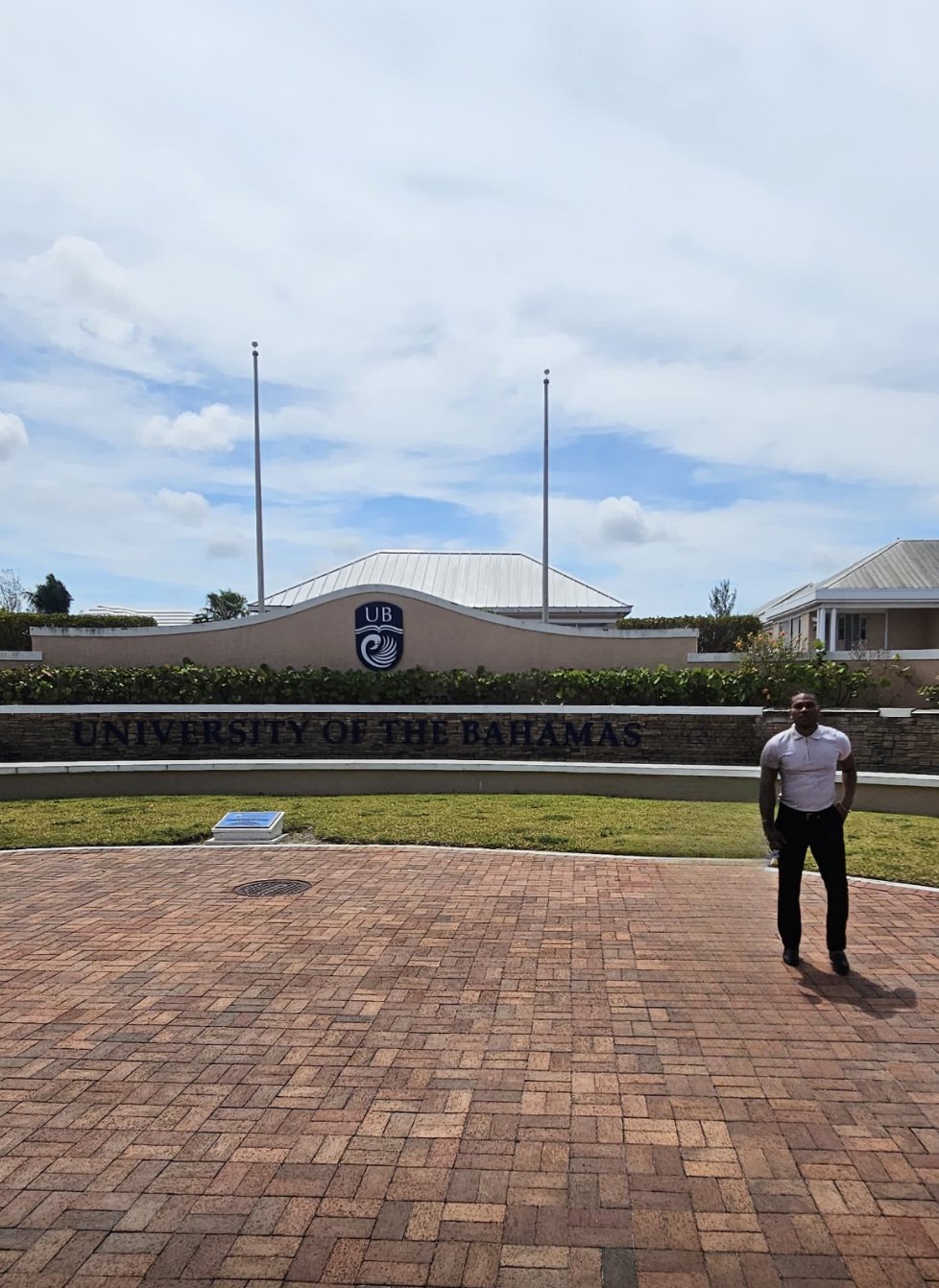
In 2025, Ecolyfe began collaborating with partners in The Bahamas, applying its forecasting tools to improve renewable integration across island grids. In regions where imported diesel remains a major cost driver, Ecolyfe’s models help determine optimal renewable penetration and reduce reliance on purchased fuel.
The work illustrates how advanced energy forecasting can lower operating costs while strengthening infrastructure—delivering economic and climate benefits simultaneously.

Scaling Through Utilities
The decision to pivot toward utilities proved pivotal. “My theory was that utilities could offer a faster path to scale and validation,” Carter says. “But the response exceeded our expectations.” By working directly at the grid level, Ecolyfe secured partnerships with national power operators, including The Bahamas’ grid, accelerating both product validation and company growth.
Carter credits Georgia Tech’s CREATE-X program with supporting that transition. “CREATE-X gave us the network and momentum we needed,” he says. Advisors helped refine the product and prepare the team for international expansion.
A Low-Energy Vision for AI Infrastructure
Looking ahead, Ecolyfe is developing a global initiative focused on making AI-driven energy systems accessible in regions constrained by cost or legacy infrastructure. The company plans to work with partners and donors to support low-energy AI development, particularly in developing nations.
The initiative will focus on:
Energy-efficient software design
Low-power computing hardware
Sustainability-centered energy research
Infrastructure modernization and deployment support
AI tools engineered to minimize computational load and grid strain
The goal is to enable broader participation in the AI economy without overwhelming aging or costly energy systems.
“We want sustainability to be the default, not a barrier,” Carter says. “And ultimately, we want Ecolyfe to be a household name.”