
Parkent: The Smart Lock Startup Charging Atlanta’s E-Bike Revolution
Thad Oviatt, Founder and CEO of Parkent, in Atlanta, Georgia, created a smart bike locking company after witnessing a friend fall victim to bike thieves twice in the same week. One of the thieves even left a mocking “thanks” note in his wake. That pivotal instance sparked a lifelong mission for Oviatt to fix bike theft.

Thad Oviatt Founder and CEO of Parkent
Originally from East Cobb, Georgia, Thad Oviatt studied computer engineering in the Georgia Tech’s Regents’ Engineering Transfer Pathway (GTREP) on Georgia Southern’s University campus. Where, after transferring fully to Georgia Southern University he earned a Bachelor of Science in Electrical Engineering. After, Oviatt returned to Georgia Southern to receive two master’s degrees, one in Applied Engineering, and an M.B.A.

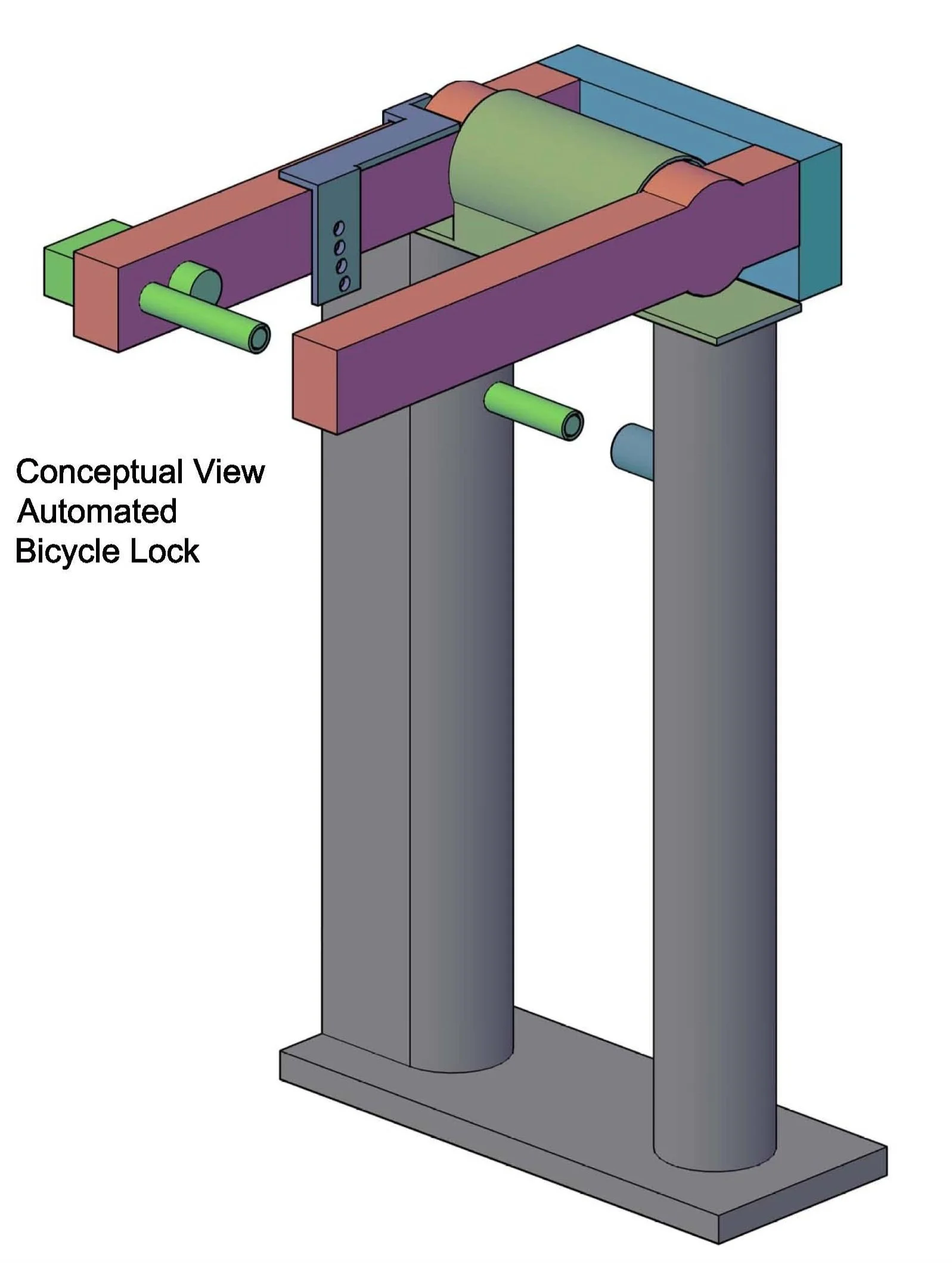
As a student working on his Senior Capstone project, Oviatt realized that every bicycle shares a common point in “free space.” This revelation allowed him to leverage this discovery. His knowledge of the exact shared point in free space that all bike frames share was rolled into a patent, creating the secret to his locking mechanism. Oviatt patented and officially made the LLC for Parkent Cycles in 2014. This momentum in his business spurred him to take up entrepreneurship courses at Georgia Tech’s start-up incubator, ATDC, leading the way to his business’s next step.
Oviatt began A/B testing prototypes by contracting the Georgia Tech Capstone Design program. This is a kind of user-based product testing where the manufacturer makes different versions of prototypes, (prototype A and B) and then tests them with users to see which one performs better based on predetermined metrics. “The testing feedback confirmed a lot of design elements that had been put into the product design over the course of development.” Oviatt explains. At this stage, Oviatt led Capstone design teams to build smart bike rack prototypes. Then Oviatt graduated his company to Flashpoint, a popular Georgia Tech accelerator program, where he received industry feedback from audiences around the greater Atlanta Area. This along with government subsidized contract work through the Georgia Manufacturing Extension Partnership (GaMEP) at Georgia Tech, helped Parkent design and build a fully commercial prototype for testing.
Everything changed, however, when an engineer at Trek gave him a tip about the imminent rise of Electric Bikes. “Nowadays it’s very easy for people to understand what an electric bicycle is, but back then it was a different story,” Oviatt explains. The tip led him to pivot. Turning towards a universal E-Bike charging and locking station, evolving his basic smart bike lock company into something more high-tech and scalable.
This change led to more technical breakthroughs. Parkent integrates linear actuators and app-controlled locking to embrace frame and wheel, all powered by solar panels, or recycled scooter batteries. Usage for the product is simple: the wheel and frame roll into the station, and the user opens the Parkent app, which activates a linear actuator locking mechanism. Charging begins immediately when the rider plugs in the charger block for their e-bike.
Designed with universal compatibility and child-proven simplicity, the Parkent bike lock and charger is a user experience breeze. “To find out children could intuitively use the station was a shocking development. But things like placing instruction decals, placement of the e-bike charging block lockers, and charging outlets were designed so people would not have to be bending to the floor to use or read them” Oviatt reveals. In 2016, they started making their charging stations in batches of ten to roll out their product successfully using pilot programs, gaining lots of market traction.
Pilot programs and early market engagement have led to hardware demonstrations at CES, Tech Crunch Disrupt, and other Atlanta innovation festivals. Parkent’s appearances at these events have also garnered applause for their simplicity and security. Pilot program rollouts have also seen success. Time spent at Comcast NBCUniversal’s “The Farm Boomtown Accelerator” helped Parkent to refine its message and identify customers.
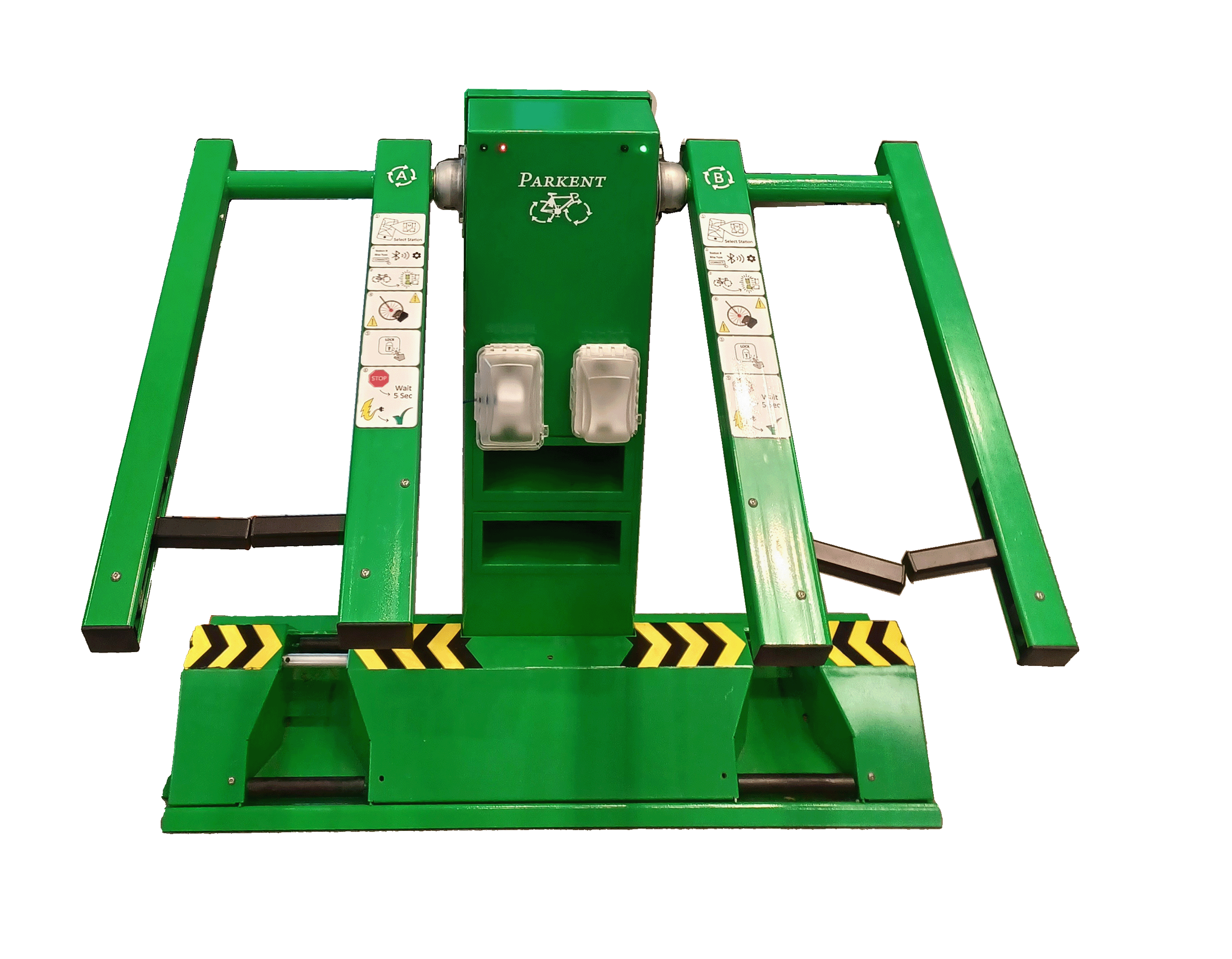
Parkent had a station installed at Atlanta Tech Village (2022-2024), and in 2021, they won a New Jersey-funded seed grant that helped pilot rollouts beyond the state of Georgia. In 2024, Parkent joined Peachtree Corners’ Curiosity Lab as well. There, they partnered with representatives from T-Mobile to enable cellular lock control. They also recently deployed their product at the Herbert Marcus Leadership Academy in Dallas, Texas, providing school campuses with their new and innovative product.
Parkent’s business plan is unique because its revenue model centers on property owners who deploy stations as amenities and benefit from EV rebate programs. “The property developers do not need to understand the micro mobility infrastructure market... Given the right location deployment, the sales from increased foot traffic could pay for the ROI in under a year.” Oviatt clarifies. Users pay pennies daily, increasing site revenue by around 40% within the first year. This model, paired with lean operations costs (two full-time staff and three contractors), helps Parkent survive in a cutthroat industry filled with competition.
The company targets different sectors as consumers. “Mostly property developers, campuses, cities [municipalities], mixed-use communities, apartment complexes.” Oviatt lists. All these communities faced rising E-Bike usage post-COVID, making them the perfect consumers for Parkent’s locking and charging stations.
For marketplace context, U.S. E-Bike sales have surpassed electric car sales, creating strong demand for reliable charging infrastructure. Parkent has a strong competitive advantage because it is the only system offering universal E-bike docking and charging, being compatible with a multitude of different E-bike models for both locking and charging. It can even charge electric scooters! Where other competitors fall short, Parkent delivers.
Looking ahead into expansion and funding, Parkent is creating a sound deployment pipeline. Oviatt emphasizes the importance of efficient deployment for his product with, “Parkent will play a new role in enabling more people to adopt e-bikes for a greener form of transportation… The main reason why e-bikes have not been taken seriously is the lack of infrastructure to support them... First always comes the mode of transportation then follows the supporting infrastructure.”
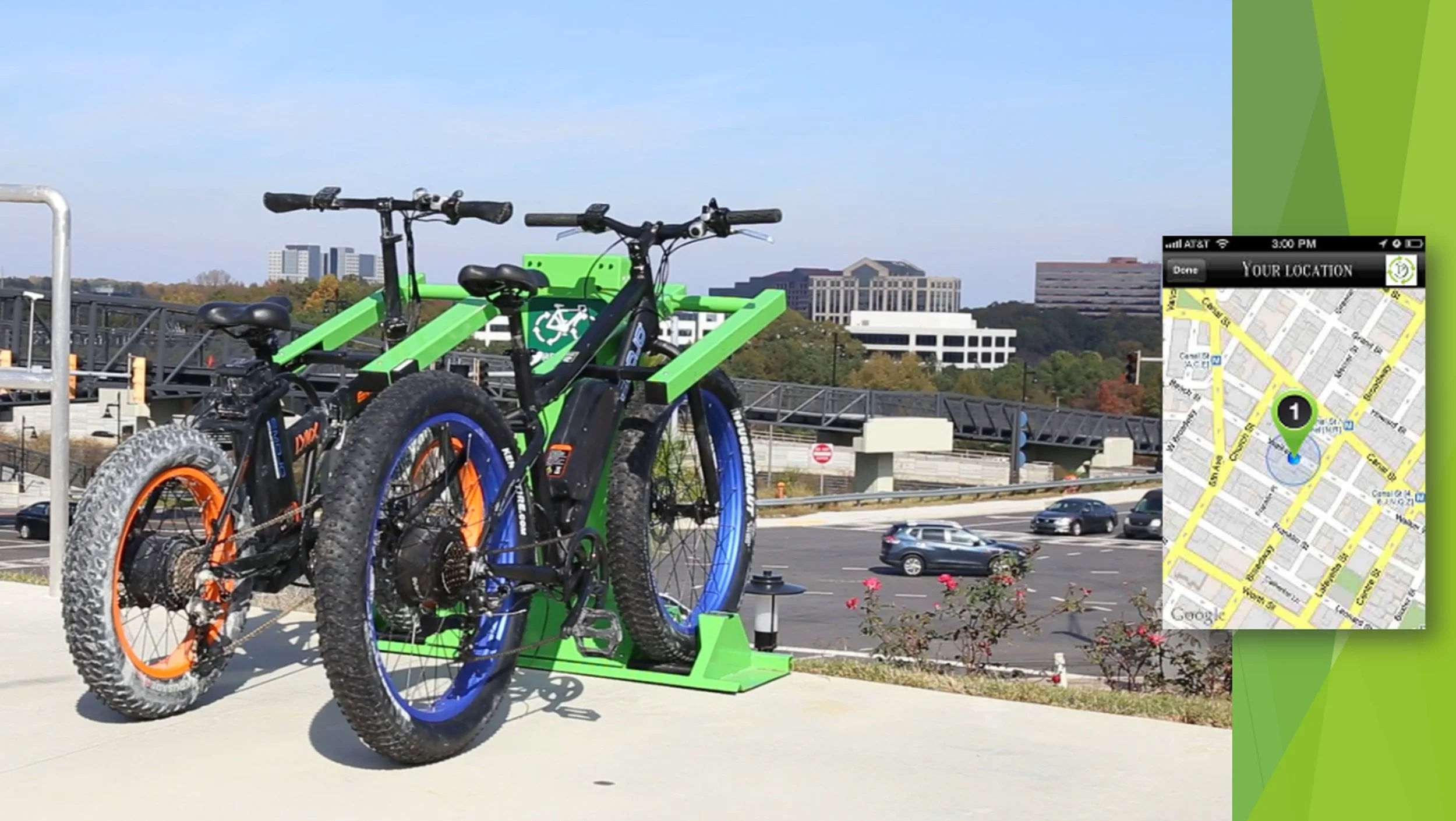
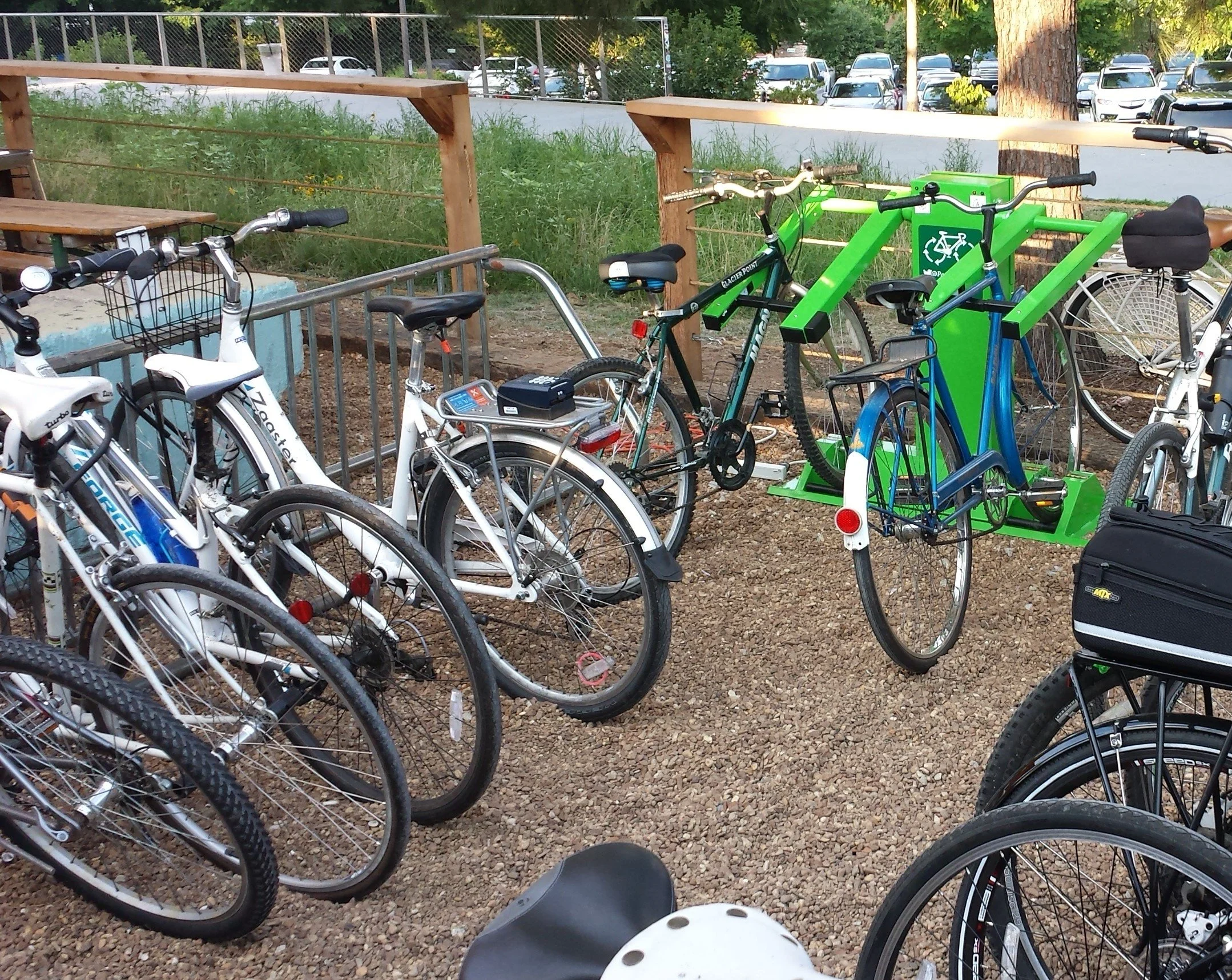
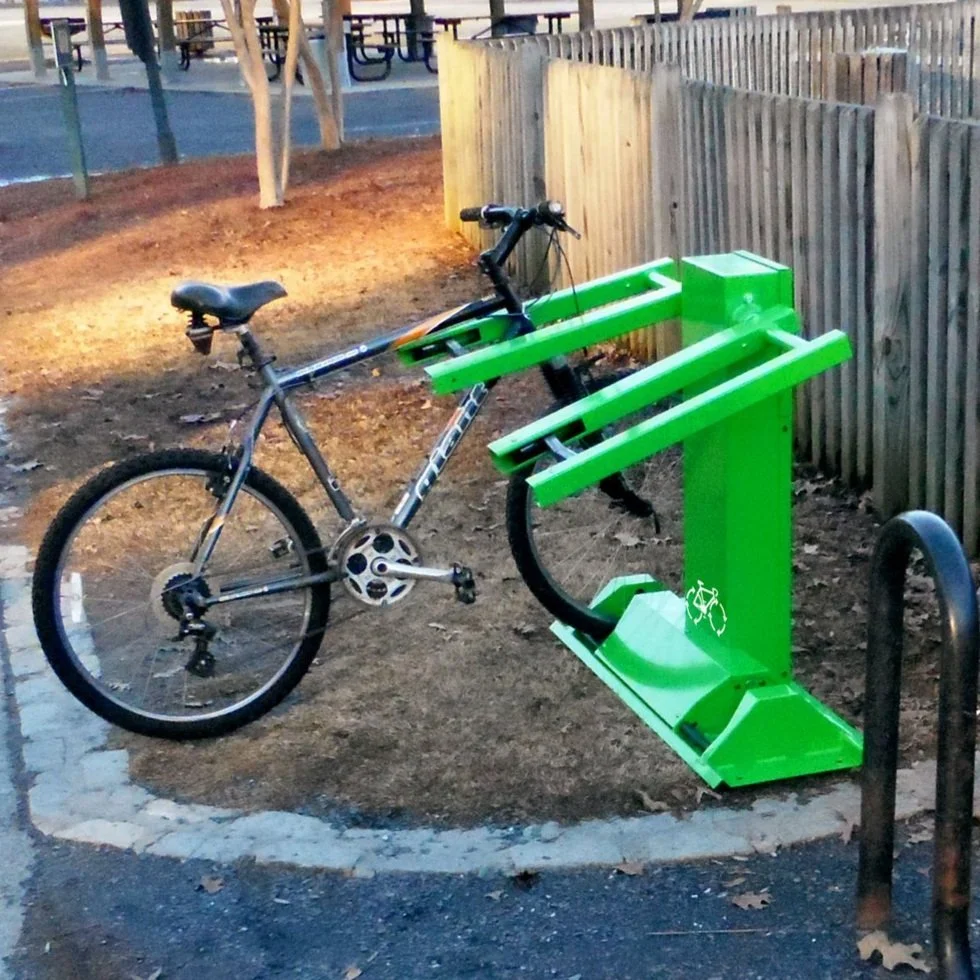

Parkent is positioned to deploy workforces for production in Woodstock and Suwanee, Georgia, with the help of Georgia Power underway. They also have demo projects fueling seed investment efforts, scaling beyond garage manufacturing and into municipal and campus networks.
All-around Thad Oviatt transformed adversity, including trouble finding a career in a post-2008 job market, into a patented, scalable transportation infrastructure solution. Parkent represents a blueprint for future city design, combining engineering, security, sustainability, and seamless user experience into mobility systems. This provides us with a greener future, one charge at a time.
Photos are provided by and credited to: Parkent Cycles, Alessandra Shahan, and Jack Turkel