
Hybrid Drones for Wildfire Suppression, Introducing the FlameJackets
The FlameJackets, a team of Georgia Tech students and faculty, are developing a hybrid fuel-electric drone to detect and suppress wildfires autonomously. Born out of Georgia Tech’s Vertically Integrated Projects (VIP) program, the team is now a strong contender in the $11 million XPRIZE Wildfire competition. With a focus on innovation and collaboration, they’re aiming to transform wildfire response with drones capable of carrying large payloads, flying for extended durations, and responding quickly to fires.
Hybrid Drone Technology
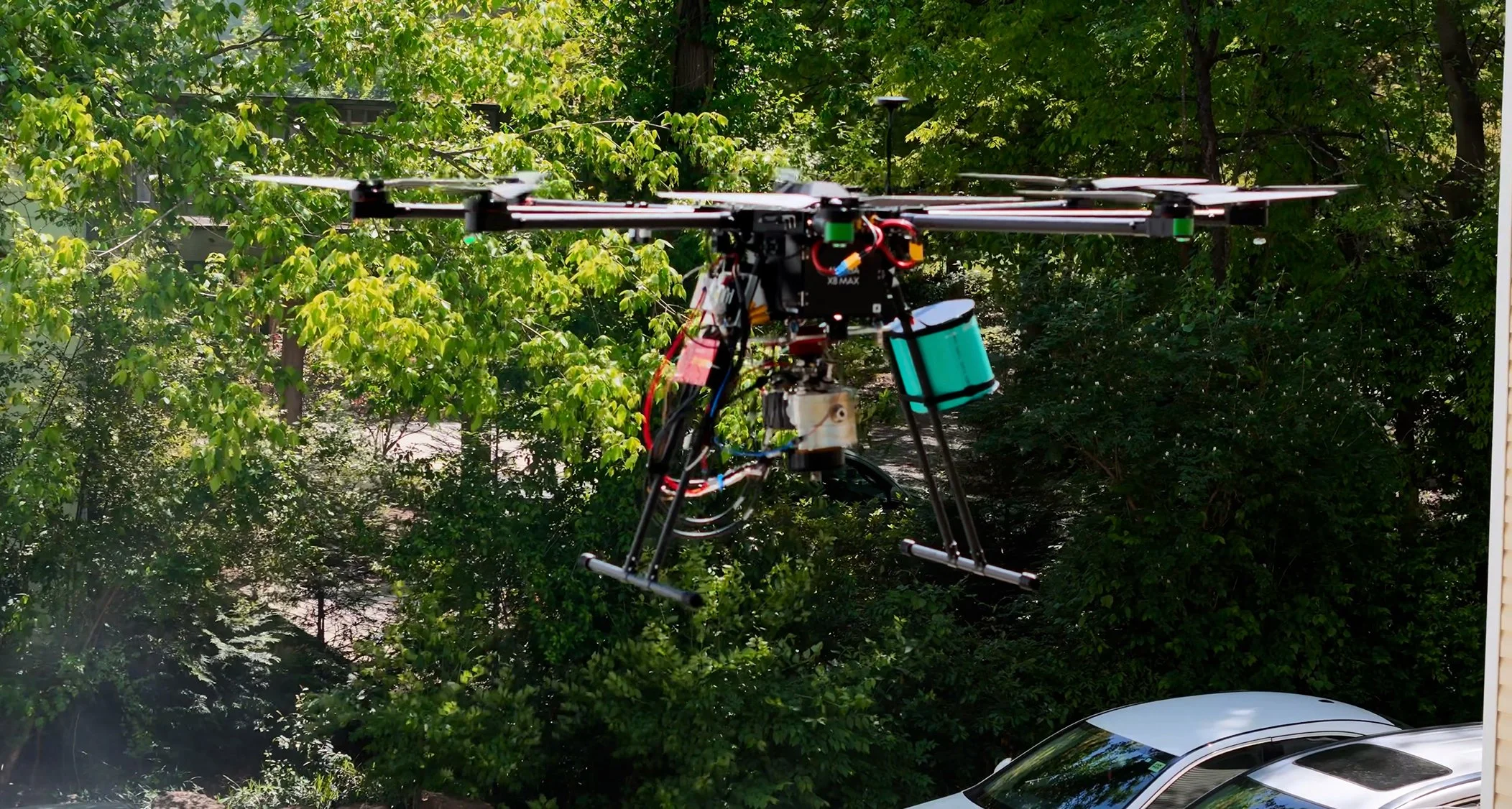
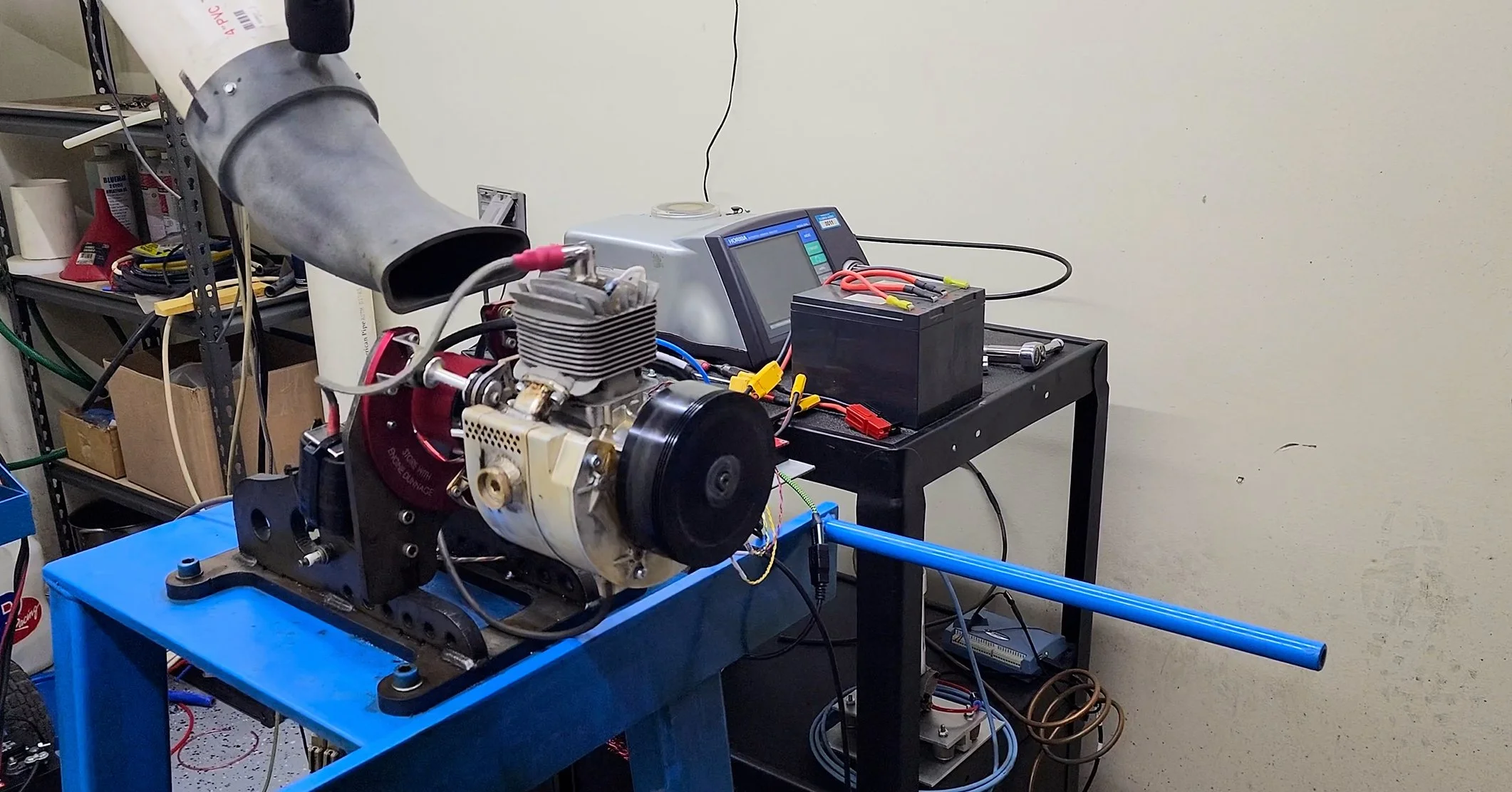
The FlameJackets’ drone is powered by both gasoline and electricity, a hybrid engine that enables up to 24 hours of flight time. “The generator produces nearly 2 kilowatts of power, allowing the drone to carry up to 50 lbs,” said Bryan Kintish, a master's student in mechanical engineering. This heavy-lift capability enables the drone to transport fire suppressants, sensors, or equipment for extended-duration missions. “It’s designed for rugged operations and could eventually be used for more than just firefighting,” added Professor Mike Tinskey, the team’s faculty advisor. The drone’s ability to stay aloft for extended periods makes it ideal for tasks like wildfire monitoring, which many conventional drones cannot handle.
Autonomous Fire Detection and Suppression
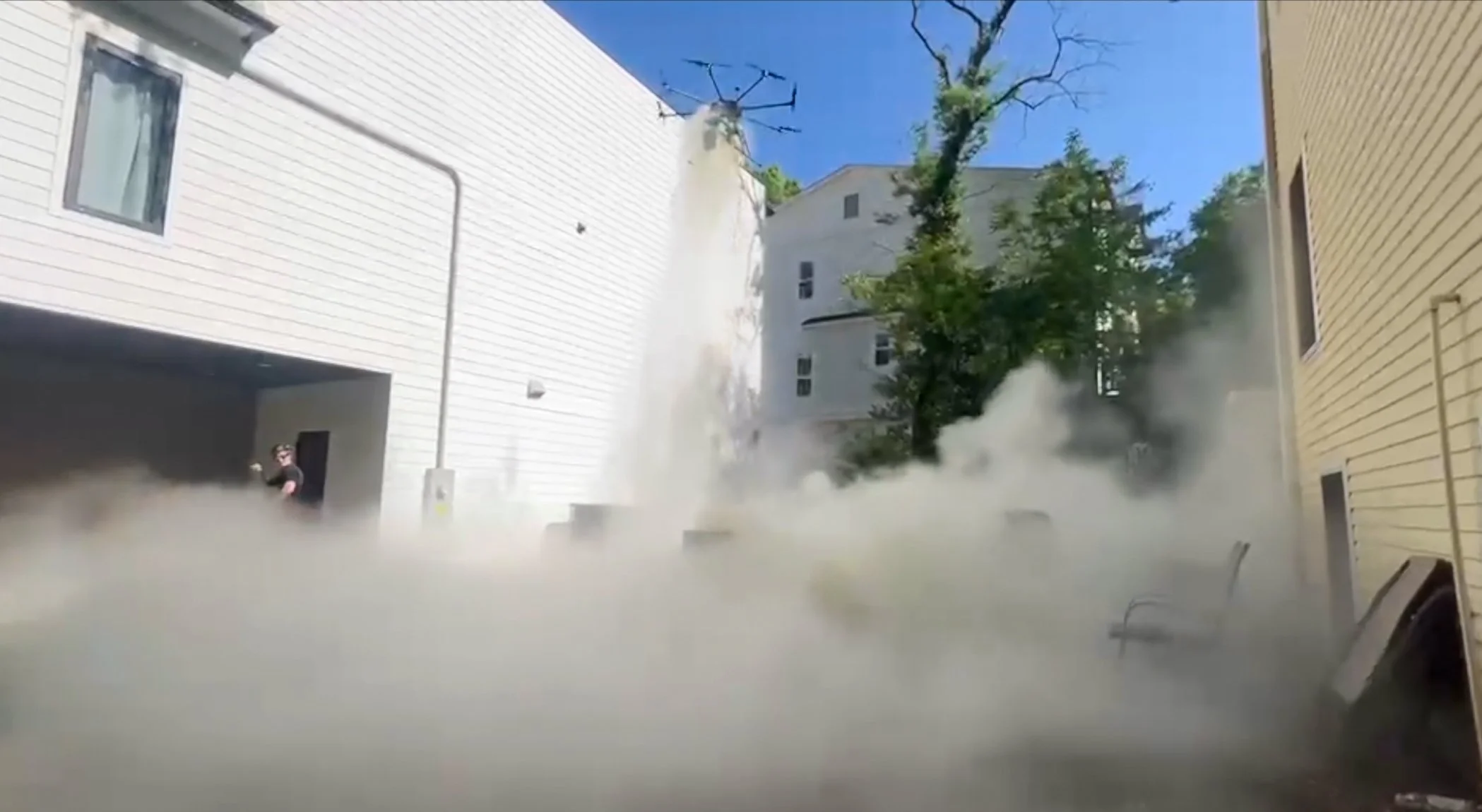
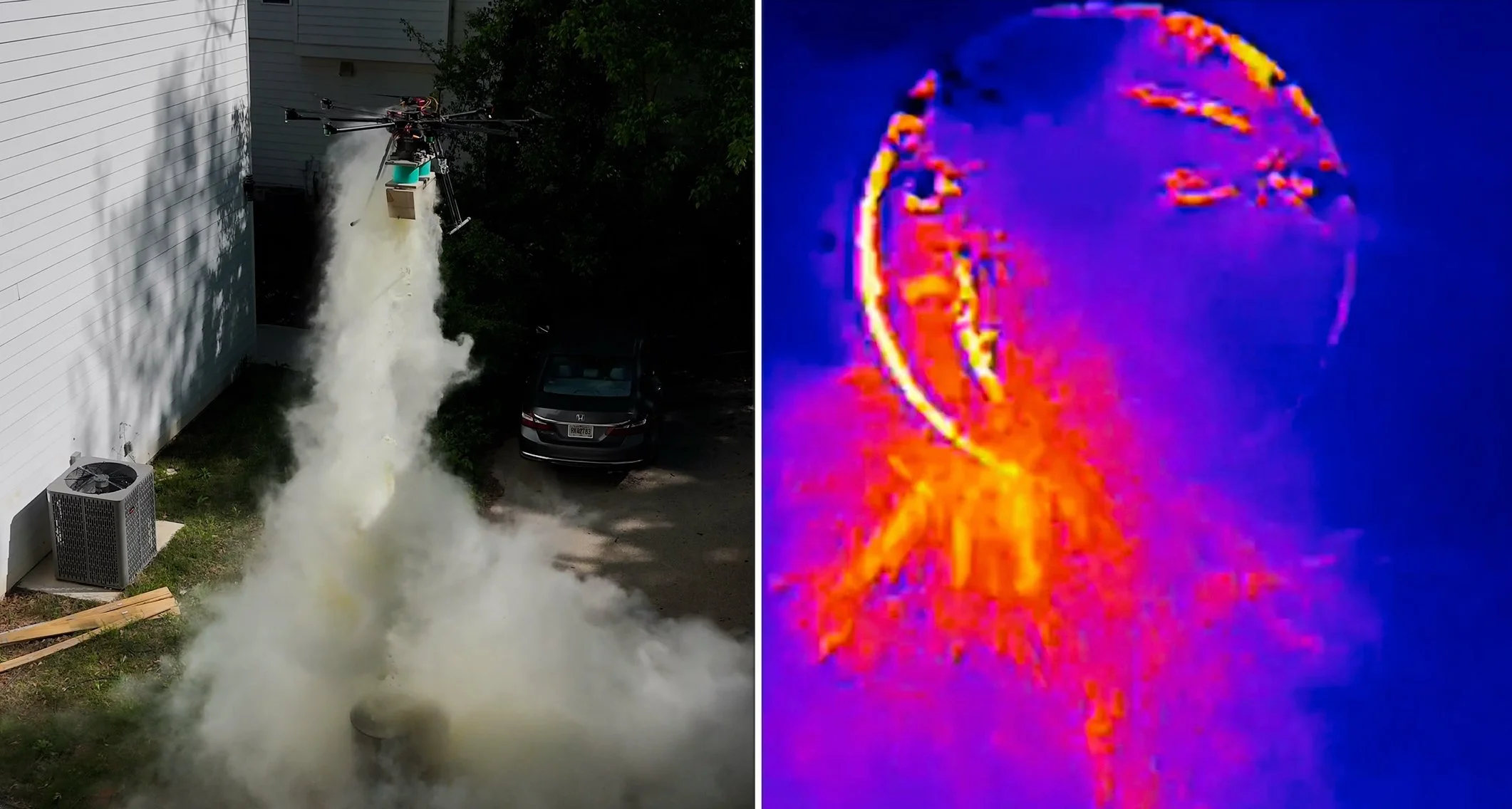
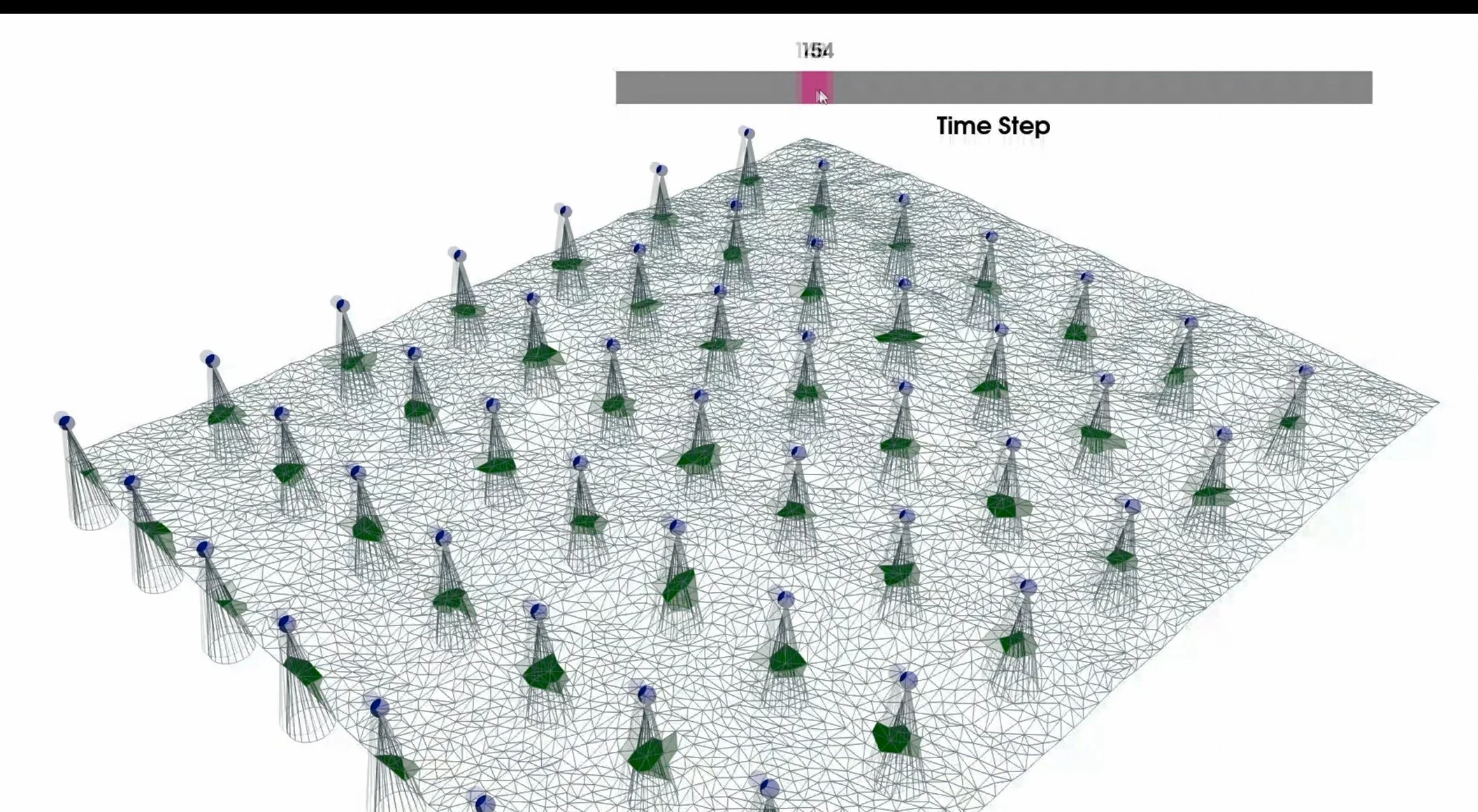
But the real innovation lies in the drone’s ability to detect and respond to wildfires autonomously. Jacob Evans, a master’s student in Aerospace Engineering, explained, “Once the drone’s AI system detects a fire, it autonomously calculates the best route and flies to the location. The system is trained to recognize fires using both infrared and optical cameras.” The drone’s payload release mechanism can deploy fire retardant or water onto the fire, suppressing it before it spreads.
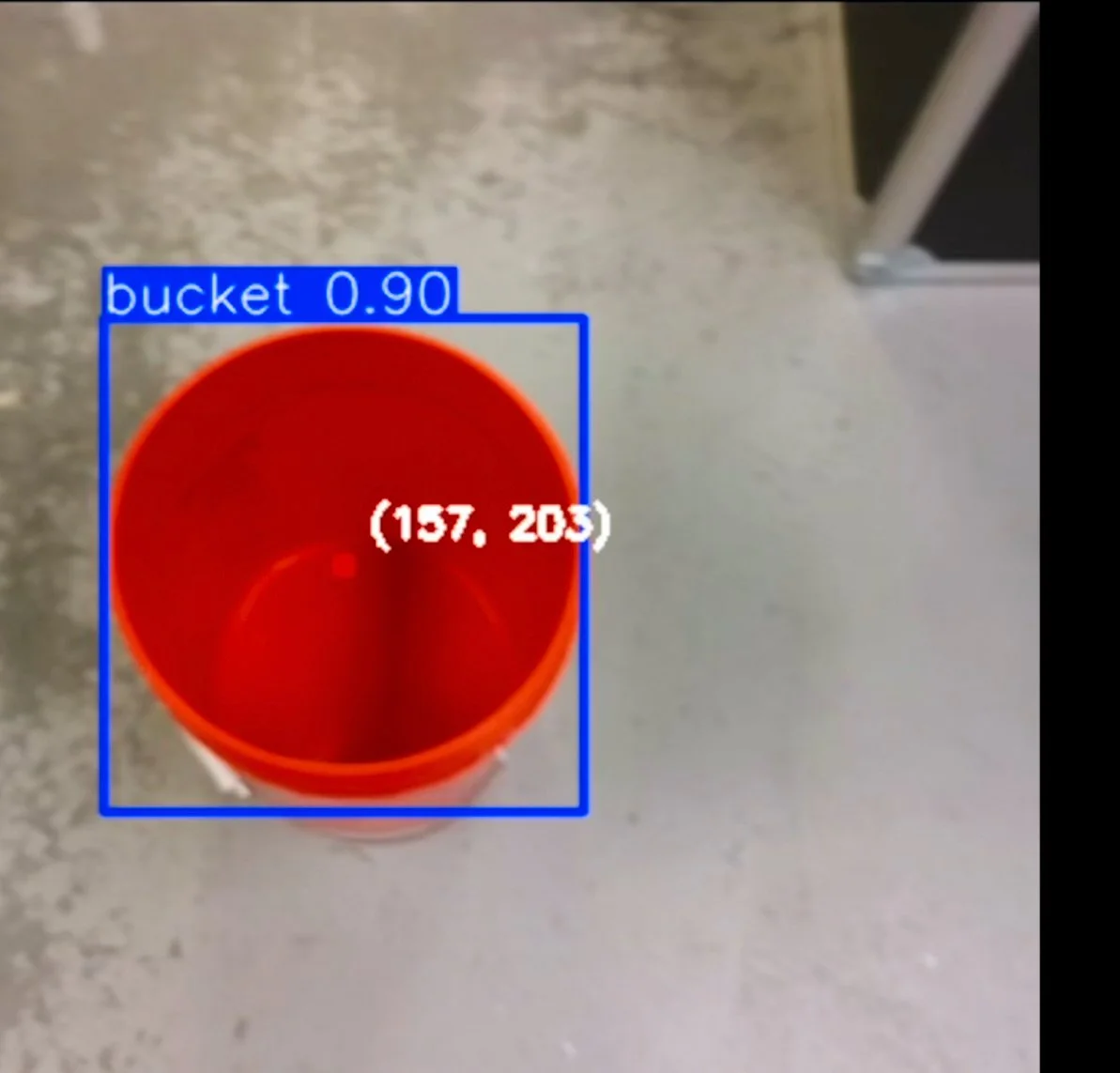
The team is using machine learning algorithms for fire detection, ensuring the drones can distinguish between real fires and false alarms. “Our fire detection algorithm has to be both fast and accurate to meet the XPRIZE competition’s requirements,” said Reese Jednorozec, an undergraduate computer science student. “We’re working to make sure the drone can respond quickly and autonomously.”
XPRIZE Wildfire Challenge
The FlameJackets entered the XPRIZE Wildfire competition, which challenges teams to detect and extinguish a wildfire within 10 minutes across a 1,000 km² area. Out of the original 238 teams, the FlameJackets have made it to the top 15 semifinalists in the autonomous response track. “We’re proud of how far we’ve come with such a small budget,” Tinskey said.
The competition is fierce, with teams ranging from defense contractors to university-based groups. However, the FlameJackets’ team stands out for its student-driven innovation and interdisciplinary approach. “We’re a diverse team of students from mechanical engineering, aerospace, computer science, and more,” said Kintish. “Each member brings a unique skill set, and we work together to tackle the various challenges.”
The FlameJackets’ team is currently refining its drone technology for the next round of testing, which will be conducted later in 2025. “Our goal is to prove that this drone system can be a game-changer for wildfire response,” said Evans. “It’s still early, but we’re making great strides.”
As the team moves closer to the competition finals in 2026, the FlameJackets hope to expand the application of their drones beyond wildfires, with potential uses in disaster relief, search-and-rescue, and agriculture. "We’re always looking for partners and new team members. The more ideas we can bring together, the more powerful this project will become," Tinskey noted.
Through this project and other VIP programs, Georgia Tech students are not only tackling global challenges but also developing innovative technology through interdisciplinary and transdisciplinary collaboration that could revolutionize wildfire management and more.