
Where Ideas Meet: How IPaT’s Lunch Lecture Series Inspires Curiosity
When’s the last time you heard a lecture on the politics of fire hydrants? Or listened to a personal account on the human toll of artificial intelligence? Or how about an entire presentation about handwashing? These are just a few of the interdisciplinary topics explored in the Georgia Tech Institute for People and Technology (IPaT): GVU Fall 2025 Lunch Lecture Series.
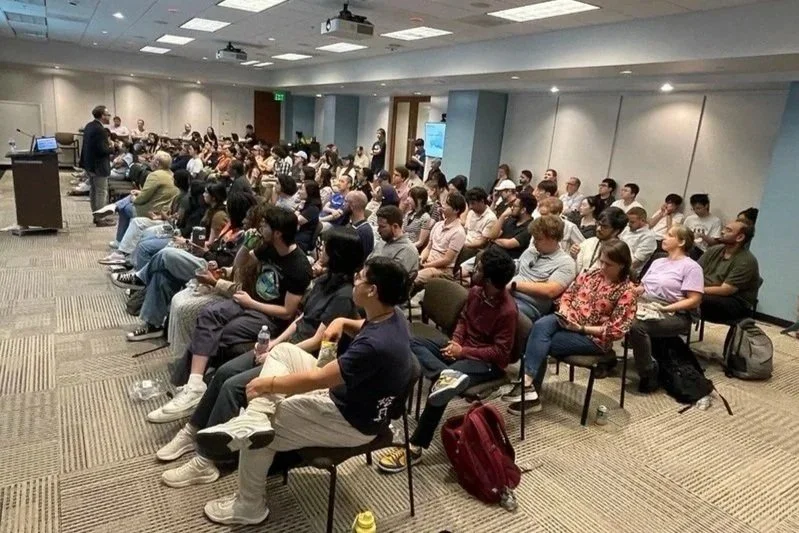
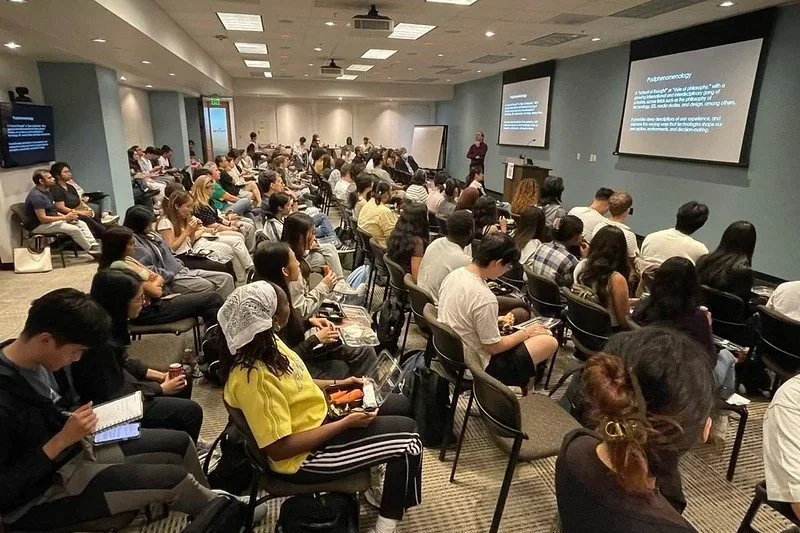
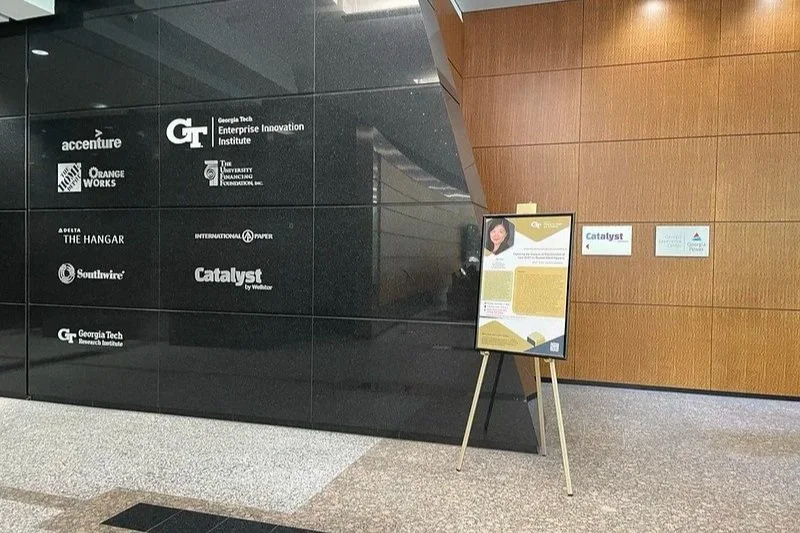
If you’re looking for new ideas, inspiring perspectives, or to expand your network, it is essential to immerse yourself in new topics. The IPaT: GVU Lunch Lecture Series, held on Thursdays in Tech Square, provides a place for learning and community connection. For over a decade, this lecture series has welcomed Georgia Tech students, researchers, staff and faculty, external partners, and community members interested in IPaT’s work.
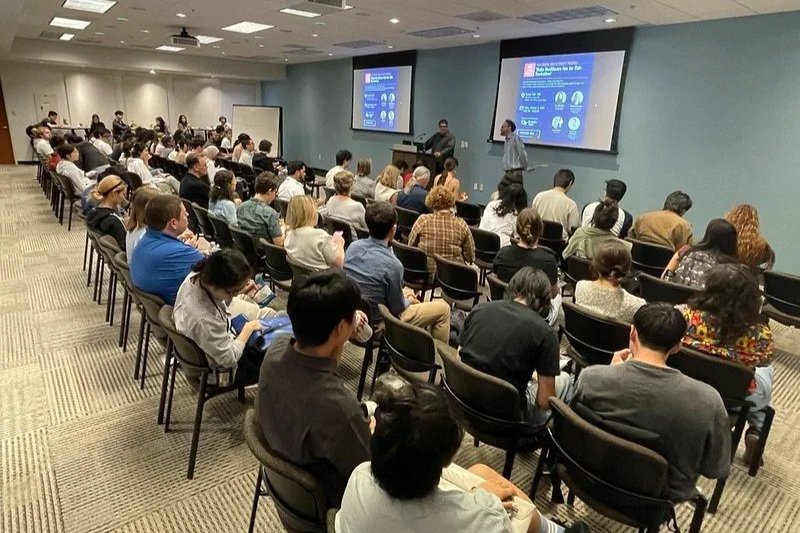
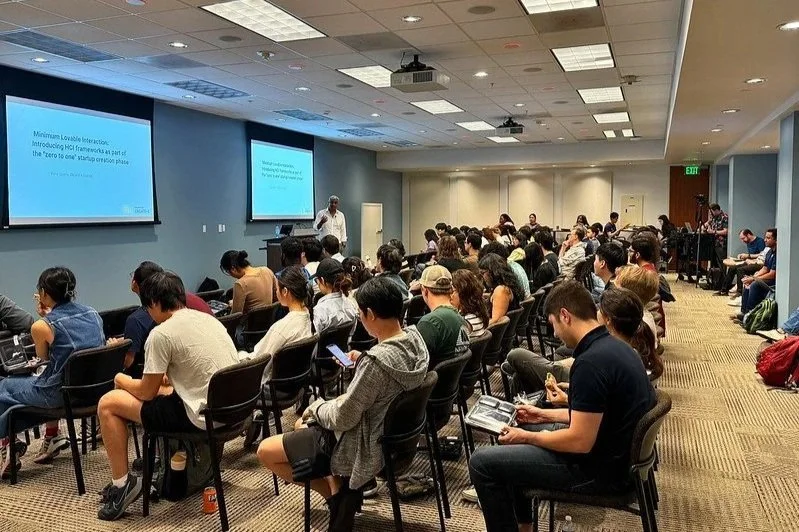
The IPaT: GVU Lunch Lecture Series, which will resume on January 15 for the Spring 2026 session, is free and features speakers from Georgia Tech and beyond. Presentations cover a variety of topics related to how people interact with technology and its impact on society. Each event starts with 30 minutes for lunch and conversation, followed by a research presentation and Q&A session. Speakers encourage attendees to share their ideas, feedback, and questions, making the lecture series a launchpad for community connections and collaborations.
Connection and Conversation Catalyzes Collaboration
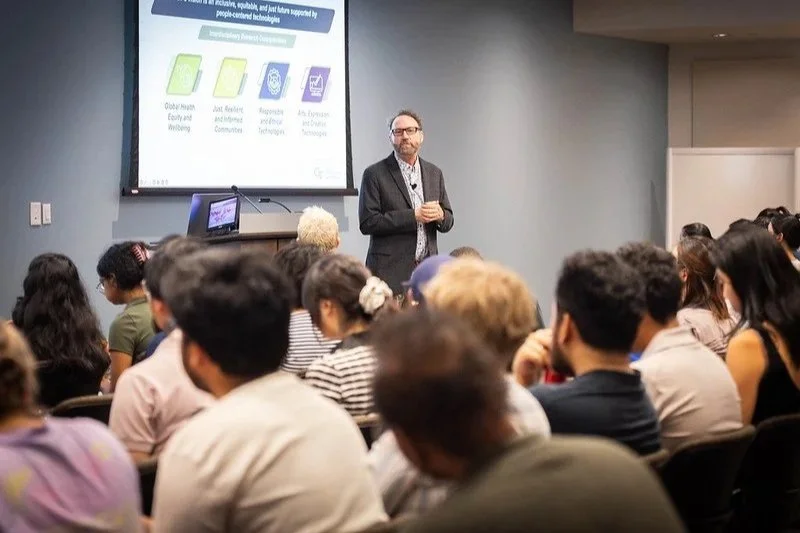
IPaT: GVU Lunch Lecture speakers introduce the foundations of their interdisciplinary projects, then present their current areas of research and recent findings. IPaT Executive Director and Professor of both International Affairs and Interactive Computing, Dr. Michael Best, provided a welcome to the Fall 2025 Lunch Lecture Series by highlighting IPaT’s ongoing research, upcoming events, and topics of interest. Following this introduction, a different speaker presented each week on a subject exploring the intersection of people and technology.
“IPaT’s goal is to bring people from different Georgia Tech colleges into conversation together, and also to extend to external partners, academics, industry, governments, civil society, across Atlanta, the states, and globally,” said Dr. Best in his lecture, “The IPaT Way: Things Happening at the Institute for People and Technology.”
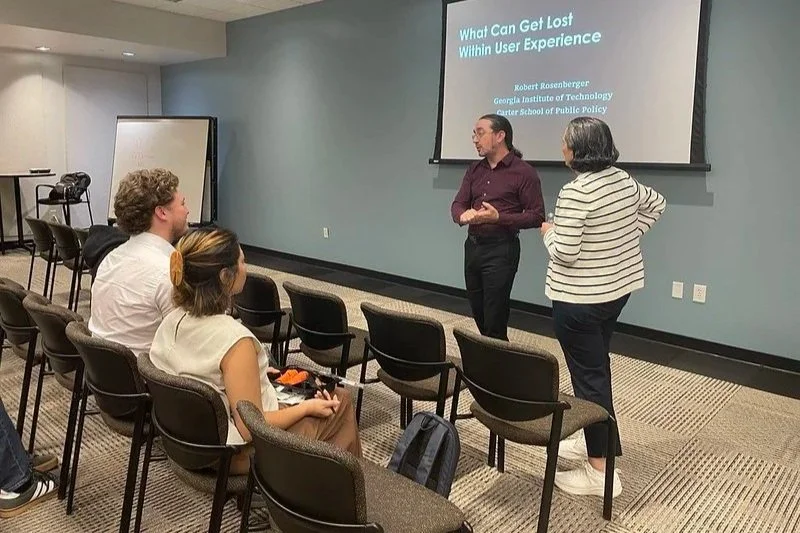
To provide a reflective starting point for the series, Dr. Robert Rosenberger, Professor of Philosophy in the Jimmy and Rosalynn Carter School of Public Policy at Georgia Tech, guided attendees in an exploration of how technology shapes our experiences, and in turn, how our experiences shape our use of technology. Dr. Rosenberg explored smartphone use, distracted driving, and the hidden politics of public spaces, including those politicized fire hydrants.
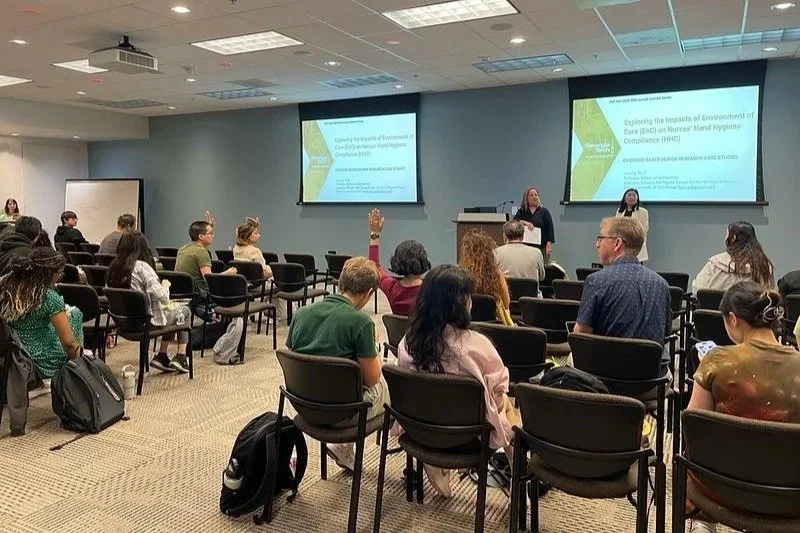
In another lecture, Dr. Hui Cai, Professor in the School of Architecture at Georgia Tech and the Executive Director of the SimTigrate Design Center, shared evidence-based design research results on how environments of care impact nurses' handwashing compliance. Other IPaT: GVU Lunch Lecture topics included a presentation on co-designing hyperlocal sensors for environmental justice by Dr. Alex Cabral, a postdoctoral fellow in the Ka Moamoa Lab, and a presentation on ubiquitous health care technology by Dr. Alexander Adams, Assistant Professor in the School of Interactive Computing at Georgia Tech.
Speakers were welcomed from outside Georgia Tech, including Kauna Ibrahim Malgwi, Founder of the Digital Rights and Mental Health Initiative and recognized as one of TIME’s Most Influential People in AI (2024) and BBC’s 100 Women, who presented on the toll of the often-invisible human labor that is required to develop artificial intelligence.
“IPaT’s goal is to bring people from different Georgia Tech colleges into conversation together, and also to extend to external partners, academics, industry, governments, civil society, across Atlanta, the states, and globally,” said Dr. Best in his lecture, “The IPaT Way: Things Happening at the Institute for People and Technology.”
Bring an Open Mind, Leave Feeling Inspired
As innovation accelerates, so does our understanding of (and questions about) the complex relationships between technology and its societal impacts. As a Georgia Tech Interdisciplinary Research Institute (IRI), IPaT catalyzes connections and collaborations among researchers from diverse fields. IPaT projects explore people-centered innovation in global health and well-being, resilient and informed communities, responsible and ethical technologies, and arts, expression, and creative technologies.
“How do we, as designers, work with others?”
Through conversations and a weekly time and place to share lunch and ideas, IPaT provides this opportunity for awareness, reflection, and transparency, which are essential elements of projects exploring people and technology. As Dr. Carl DiSalvo, Professor in the School of Interactive Computing at Georgia Tech, asked in his presentation on the practice of accompaniment, which is the creation of empathetic and transformative processes in design: “How do we, as designers, work with others?” Grounded in this human-centered approach, the IPaT: GVU Lunch Lecture Series continues to be a way for researchers and community members to connect, discuss transformative ideas, and ask questions about society’s complex challenges.
For the IPaT: GVU Lunch and Learn Spring 2026 Series, starting on January 15, come for the lunchtime conversation and stay for the abundance of ideas from presenters and attendees. Based on the innovative, engaging, and thought-provoking topics explored in the Fall 2025 Lunch Lecture Series, who knows what topics will be discussed next! Make sure to bookmark the IPaT: GVU Lunch Lecture Series page and stay up to date with speakers as they are announced.
All you have to do is bring your curiosity to learn something new.