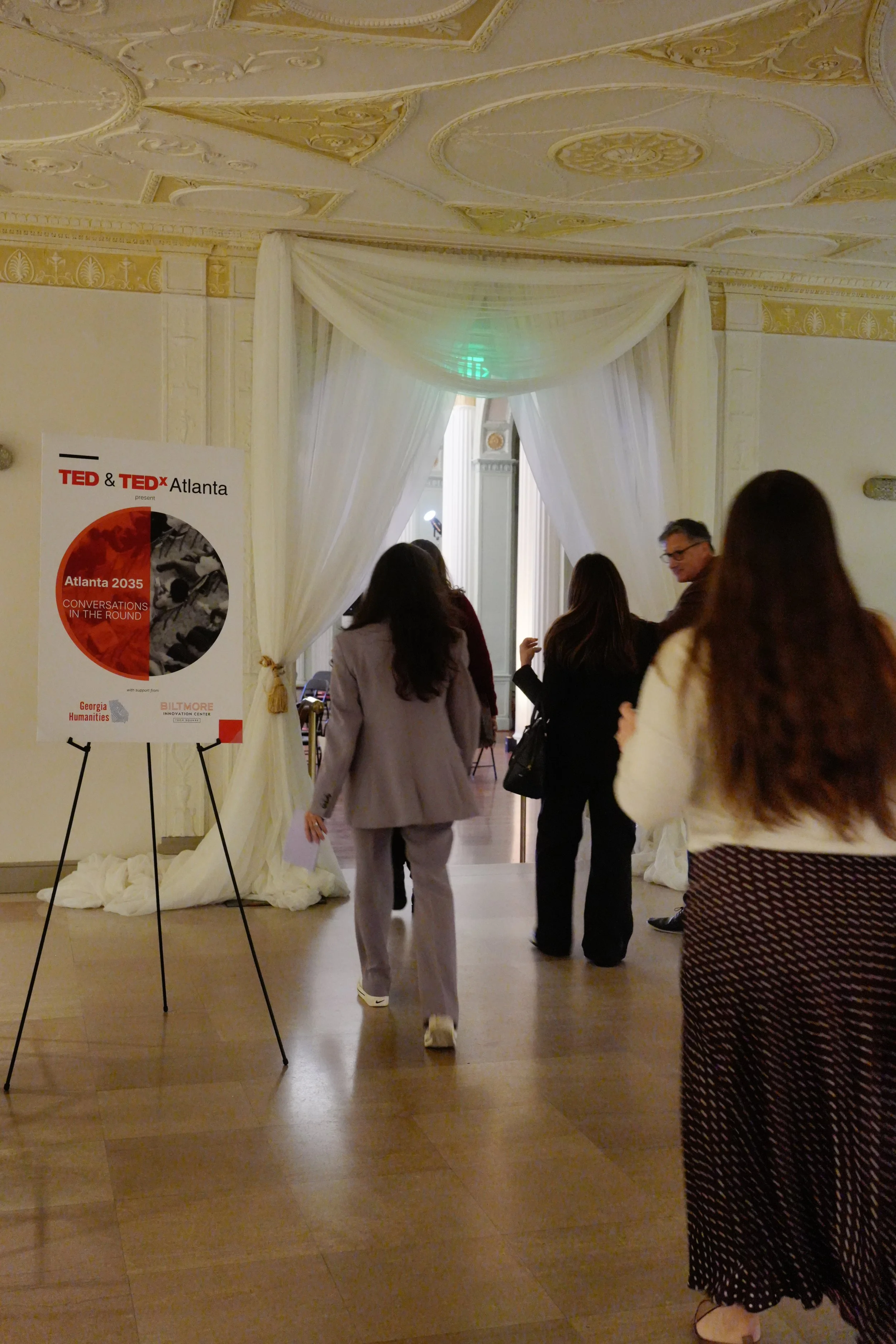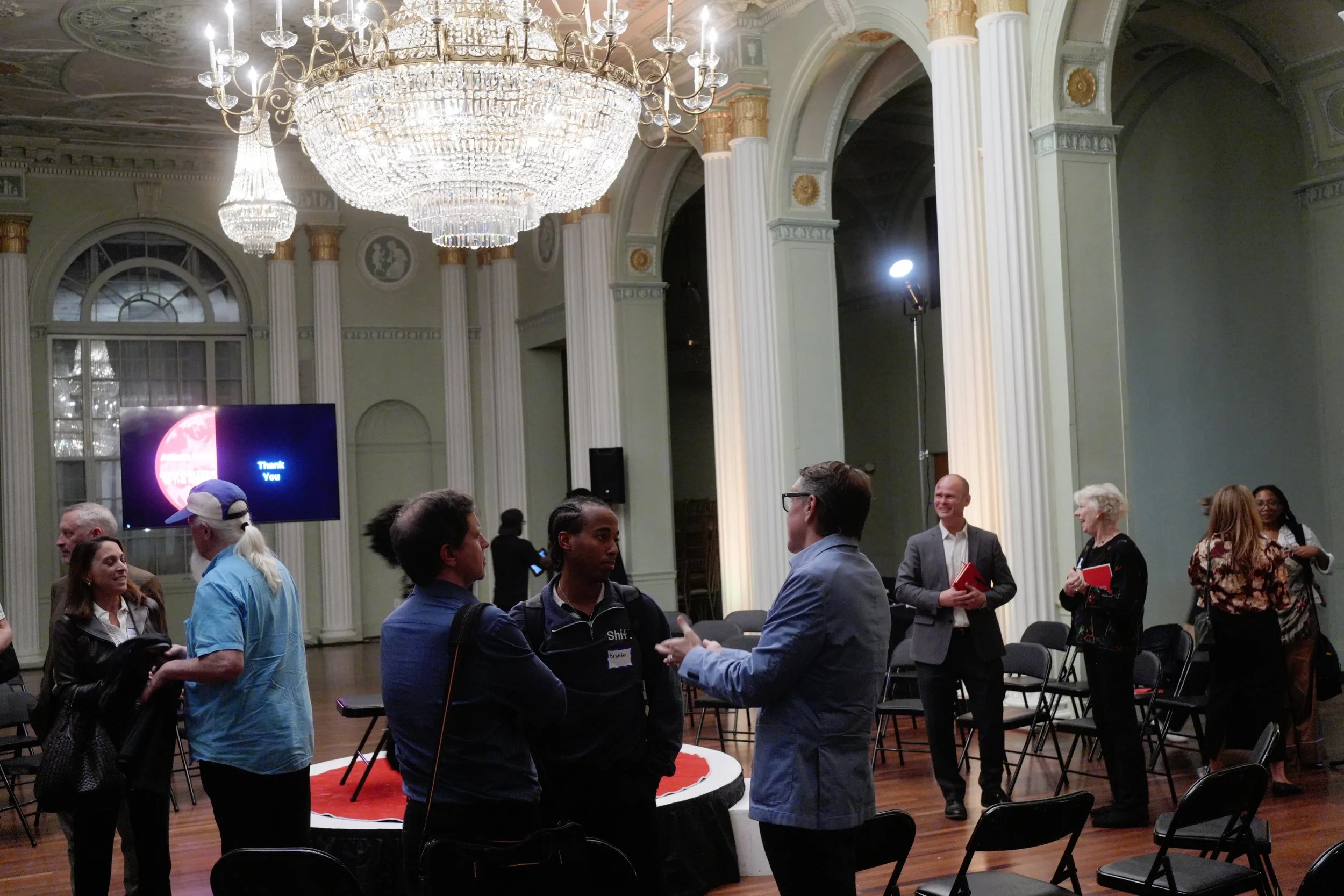
“Neighborhoods are more than a collection of buildings; they reflect many decisions that have been made over time,” said Jacqui Chew, a TEDxAtlanta Curator & Speaker Coach, as she welcomed attendees to Atlanta 2035: Built or Broken. The event, held at the Biltmore Innovation Center in Tech Square on November 4th, had a unique format called Conversations in the Round.
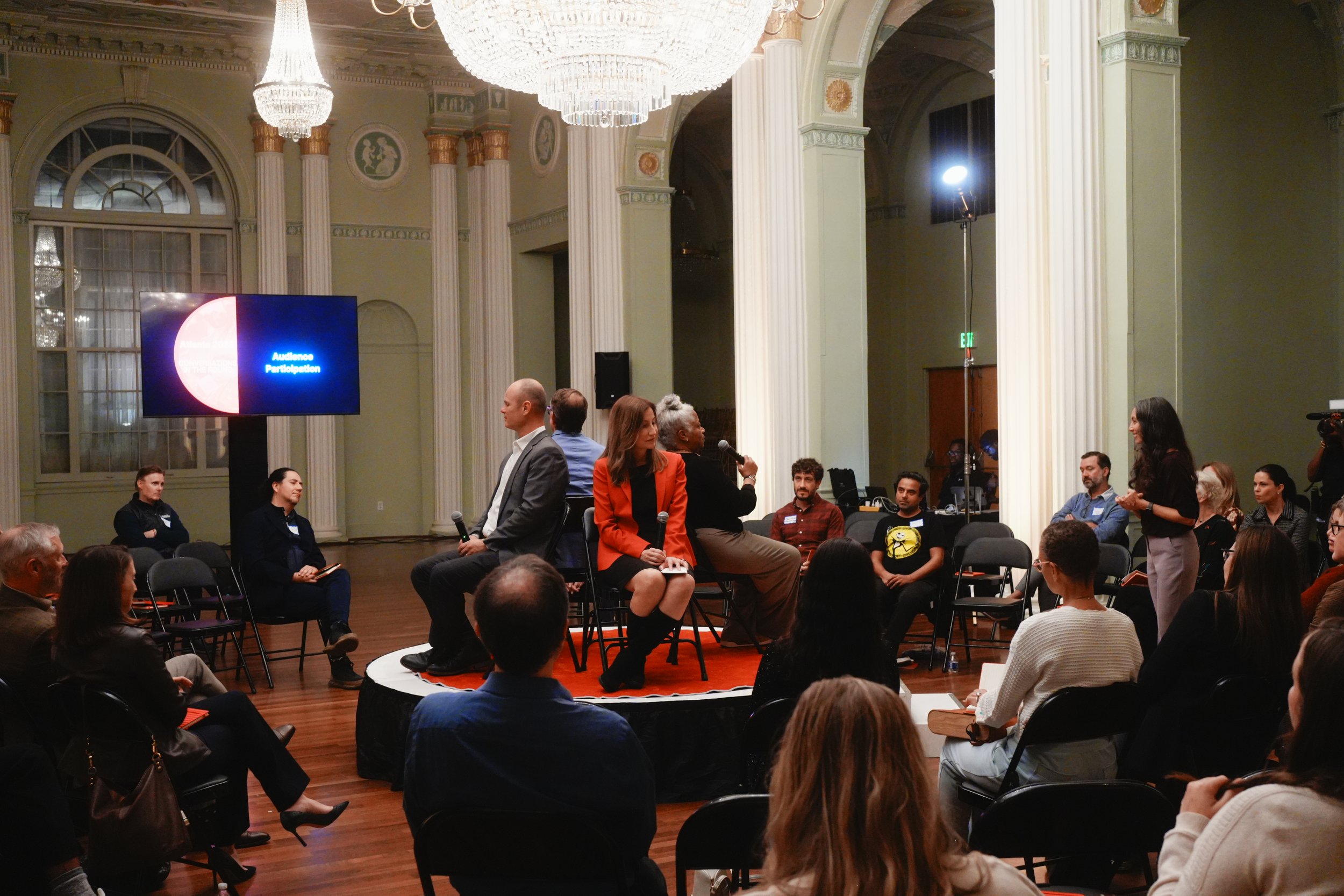
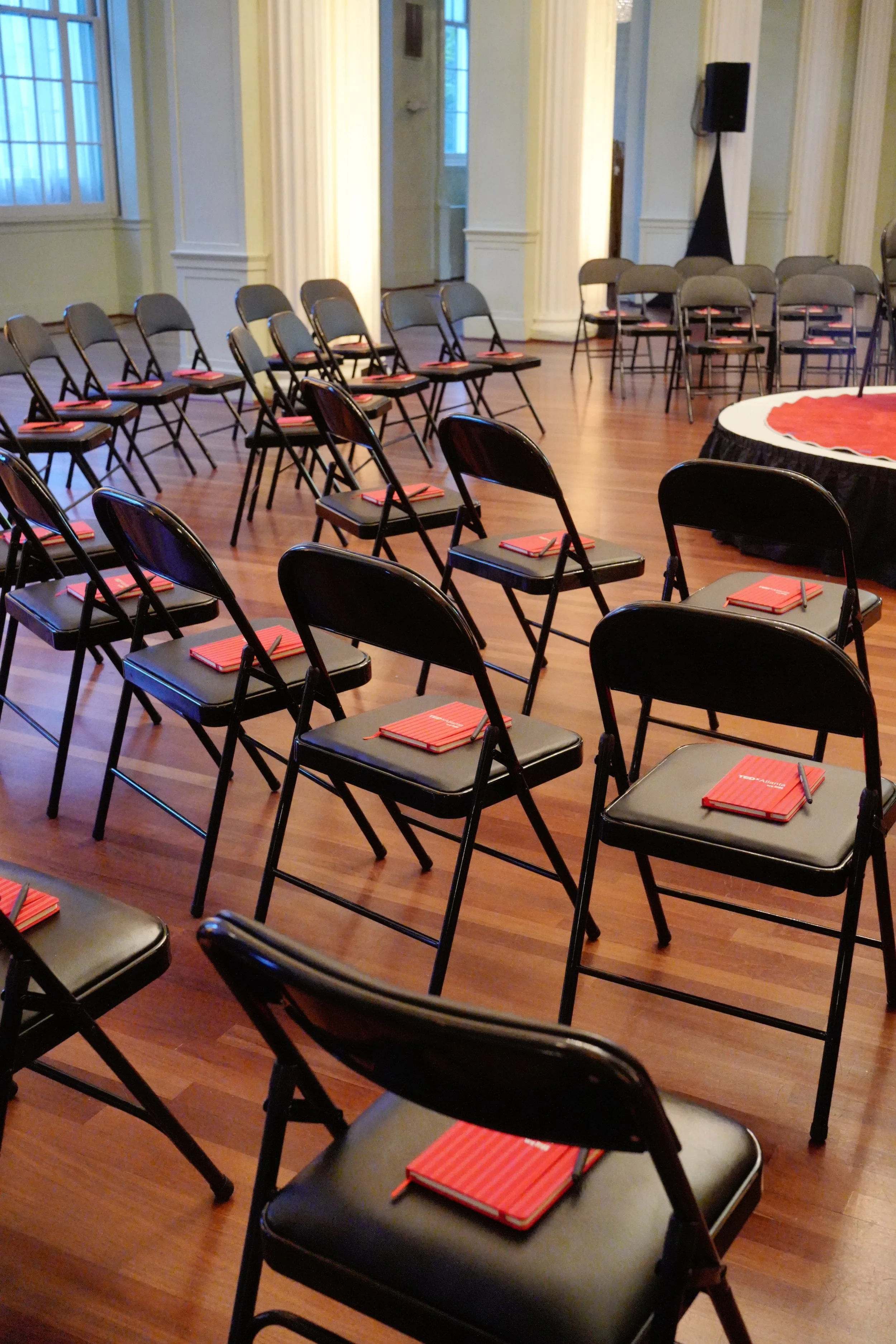
Just as buildings, neighborhoods, and cities can be designed intentionally as places for people to gather, the TED & TEDxAtlanta event’s 40 attendees sat in several concentric circles around a small circular stage in the middle of the ballroom to listen and engage in the conversation.
At the heart of this discussion was how we can, starting right now, build the Atlanta we want to see in 2035. This question is timely: Atlanta is projected to undergo significant population growth over the next 20 years.
The conversation centered on balancing rapid growth with the need to ensure connectivity and resilience for residents, while maintaining the essence of what makes Atlanta unique.
“We’re here to talk about what will shape neighborhoods over the next decade, from different vantage points, and what we can do about it,” said Jamie Maglietta, a new media analyst and strategist, who moderated the event, which was supported by Georgia Humanities.
How We All Can Be City Planners
The first conversation of the evening was, “Why Is the City We Want So Hard to Build?” With invited speakers Geoff Koski, President of KB Advisory Group, and Atlanta City Planning Commissioner Jahnee Prince, who both provided insight on how the public and private sectors can work together on different aspects of the city planning process.
“Imagine you see an unused shopping center or warehouse; how could it be something that we use? How do we move from ideas to a planning project?” asked Chew, an active participant in Atlanta’s innovation scene, who moderated the conversation.
Prince, who leads work on the City of Atlanta’s Comprehensive Development Plan, highlighted how valuable, informative, and interesting these comprehensive 20-year plans are, along with how they are developed by engaging with people living in different neighborhoods. Prince said, “People who live in the neighborhoods are the ones who are the experts of their neighborhoods.”
One note was that while there are many common themes, such as safety, beauty, and economic value, what “feels like home” is different for everyone. “There are a lot of choices in Atlanta, from places with lots of space and trees to high-rises. It’s important for us to maintain these options for people so they can choose for their preferences and budget,” said Prince.
Prince shared a take-home message for attendees: there are many ways to get involved, including by making an appointment with your city planner, reaching out to your representatives, attending city planning meetings, or volunteering.
The first step to take: Prince shared that you visit your city or county’s website to find their planning site and read the documents like the comprehensive plans and zoning applications. “You can become your own city planner right there,” said Prince.
Where Plans Gain Traction
The “Why Is the City We Want So Hard to Build” conversation continued with Chew welcoming Koski, President of KB Advisory Group, who chairs ULI Atlanta’s Livable Communities Council and teaches Real Estate Development Methods at Georgia Tech, into the round.
Chew asked, “Your work plays a different, but vital, part in planning. It’s the funding. It’s where the rubber hits the road. The first question is based on your experience. What helps determine whether a site becomes a home, shops, offices, or something else?”
Koski outlined that while there are a few elements to consider, such as the cost of the land, potential revenue, and lending, zoning is essential at this phase. Koski said, “When I pick up the comprehensive plan and see an empty lot, I can look to see what the zoning says is allowed and explore the envelope of options alongside what the market will allow.”
When it comes to creating places and neighborhoods where people enjoy spending their time and have opportunities to meet and interact with new people, just as city comprehensive development plans are for 20-year periods, Koski noted that it takes time for places to form and for people to understand how they want to live and how their needs and interests evolve. Examples in Atlanta, such as the evolution of Ponce City Market, the Atlanta Beltline, and Old Fourth Ward Park, were referenced.
Koski highlighted the bottom line on how our planning today will impact what Atlanta looks like in 2035. “In terms of creating places that people love, you have to create places for people. It can’t only be for cars; places for cars won’t be places people love,” said Koski, adding, “People will pay a premium to be where they love and where people are. A place where people will linger longer. If you build lovable places, you will get lovable people.”
Powering Atlanta’s Growth
Ben Damiani, an electrical engineer and entrepreneur focused on solar energy, is energized by a foundational question: how can buildings generate more energy than they use?
To address this, the evening’s next conversation was “Powering the City We Haven’t Built Yet,” featuring Damiani, Chief Technology Officer at Cherry Street Energy, facilitated by Claire Angelle.
Damiani grounded the conversation by acknowledging the importance of city planning in determining how to power a city, and by sharing a few visuals that highlighted the need to consider not only how solar energy is produced, but also when and where solar can become viable for the City of Atlanta.
To address the when, one takeaway is the importance of harnessing the sun’s energy differently: through storage. “By shifting our thinking and planning, we can use battery storage to use solar energy in a different way. Half of the time we aren’t using the capacity on the grid; there are a lot of unused resources, and we can do better,” said Damiani.
As for where, Damiani highlighted that building analysis provides a tool for engineers and planners to identify locations where solar can be installed, especially as a city changes. In a recent analysis that Damiani worked on with colleagues for the City of Atlanta, they identified potential feasible sites for solar, using just building rooftops or parking canopies.
“It’s building the resiliency,” said Damiani, related to how solar technology can fit in with the existing grid. “With solar plus battery storage, this delivers power in a form that’s needed at the point of use. So being able to use these new technologies, you can get more out of existing capacity, even during times when power is disrupted, such as during storms, due to the battery storage.”
Attendees Join the Round
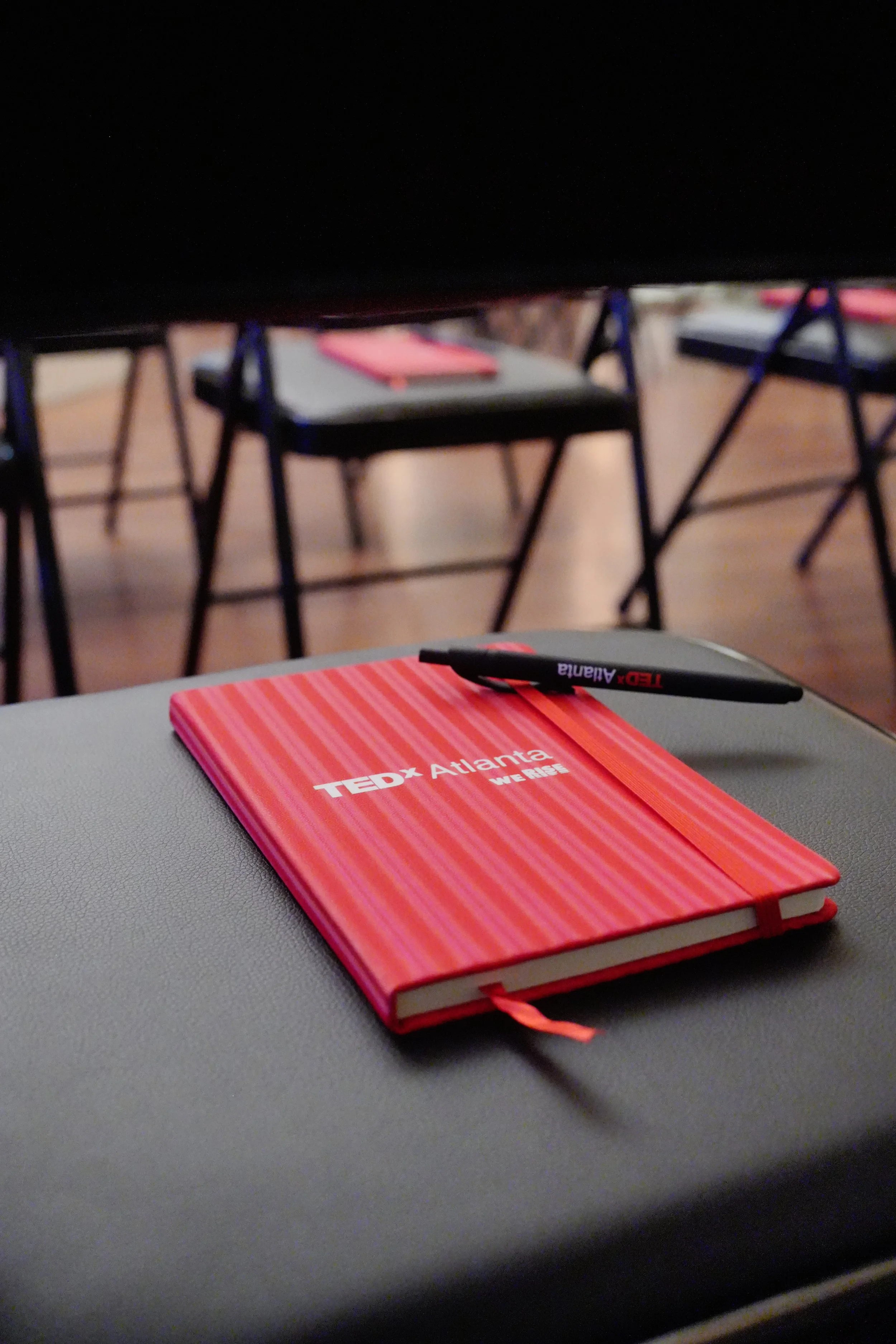
As attendees envisioned the future of Atlanta and took notes throughout the conversations, ideas and questions emerged. Adding four chairs to the round, Maglietta encouraged attendees to join the conversation and center stage and share their thoughts with the speakers.
Themes of topics emerged, such as Atlanta’s history and challenges with inclusion, equity, and affordability. Additional topics such as building demand in different parts of the city, increasing density, and acceptance of mass transit, such as MARTA expansion and Beltline Rail, and the potential impact of new projects such as South Downtown, The Stitch, and The Gulch, were all brought out into the open for discussion.
While there were no immediate answers, the speakers highlighted the importance of interactions among Atlanta residents, local government, policy, and private investment. In a city as sprawling and diverse as Atlanta, the theme of “keeping our options open” recurred alongside the need to both build community connections, preserve Atlanta’s unique character, and encourage attendees to get involved now in shaping the city they would like to see in 2035.