Bookmark This: Editors Share Insights for Success in Academic Publishing
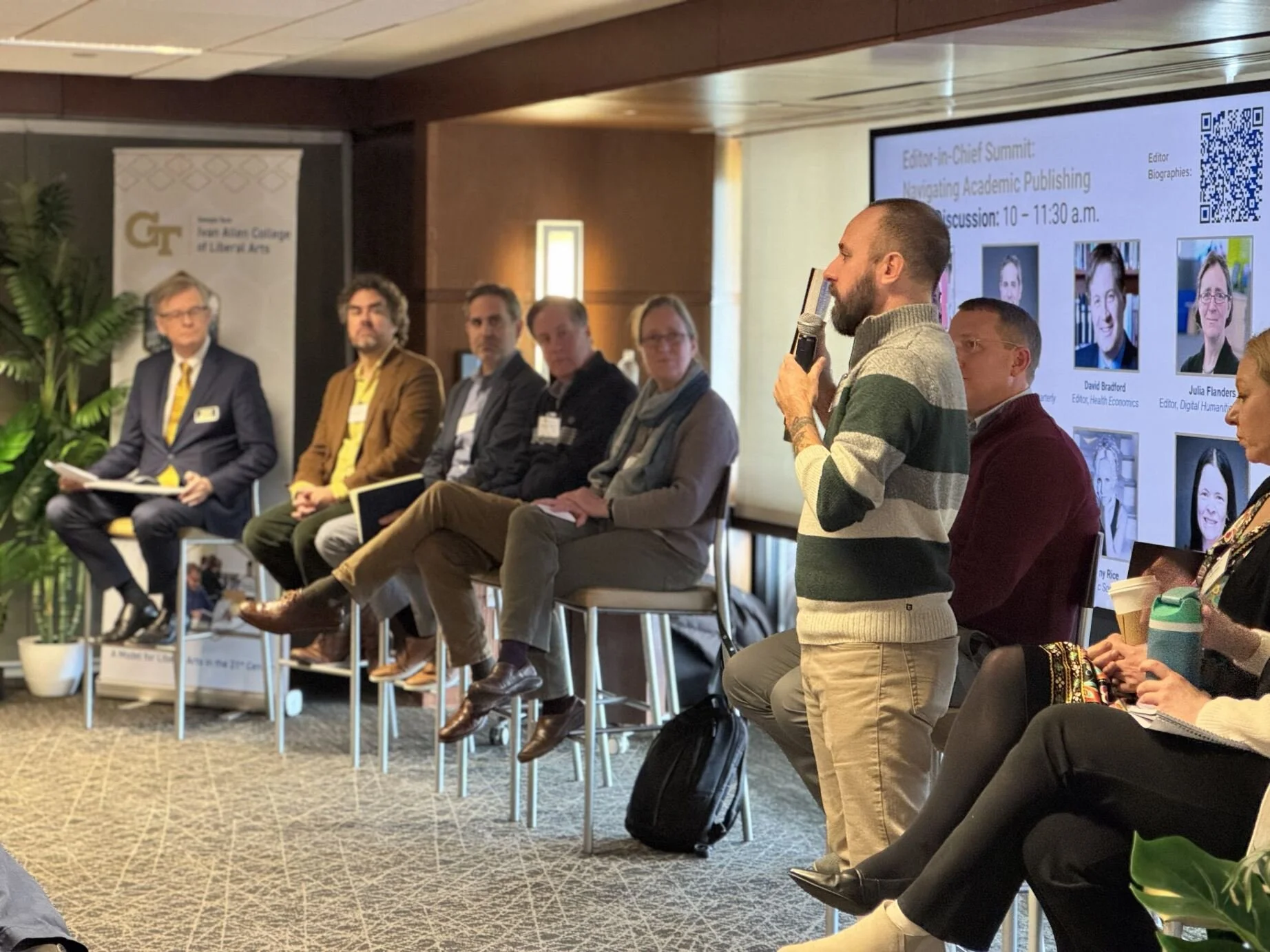
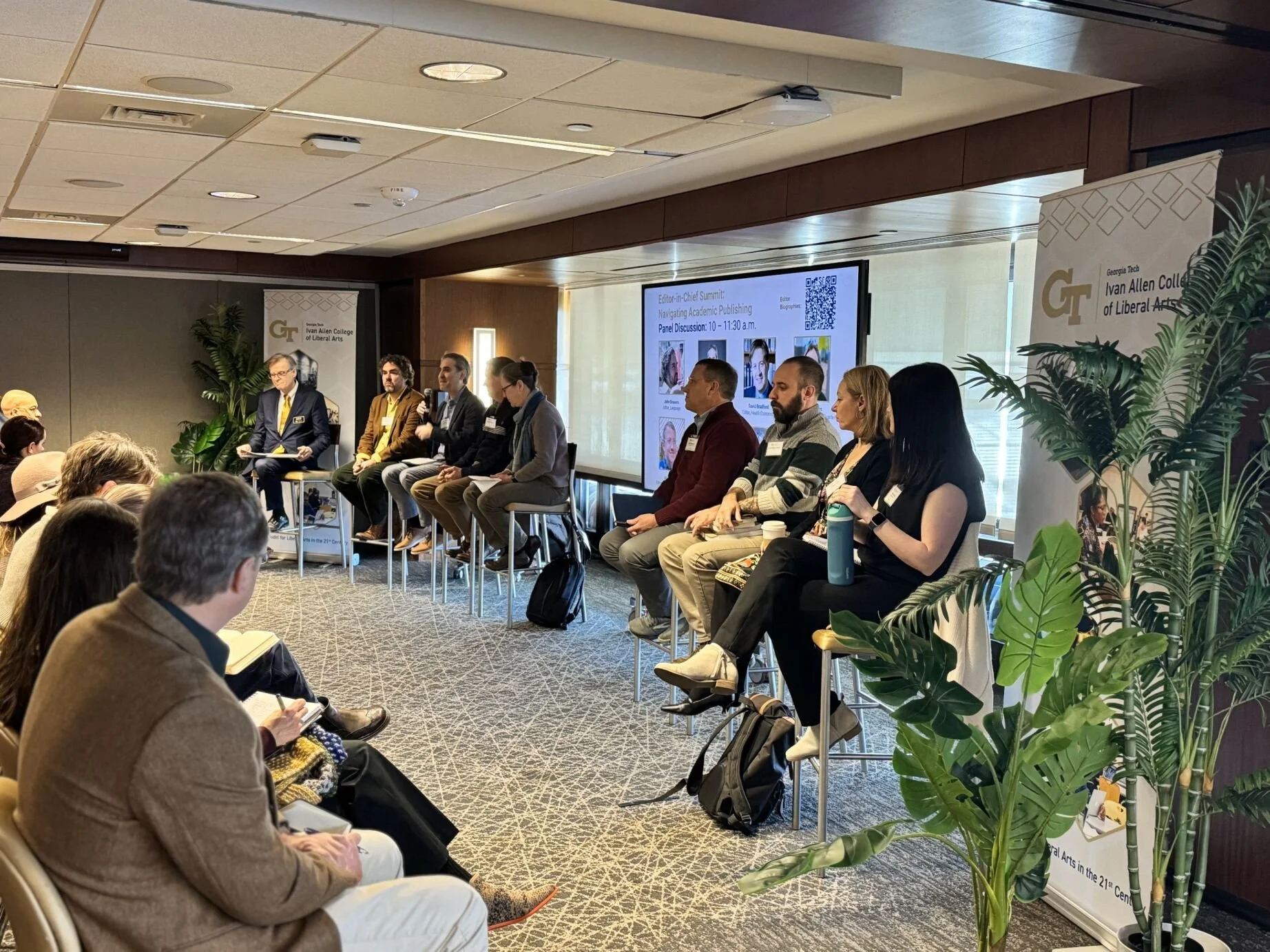
Publishing your work can be daunting; the process can seem opaque and, at times, arbitrary. At Georgia Tech’s Editor-in-Chief Summit: Navigating Academic Publishing, hosted by the Ivan Allen College of Liberal Arts, eight editors shed light on how you can successfully publish your work in scholarly journals, academic presses, and publishing houses.
“The goal is to de-mystify the process, so you can position your work for success, while keeping what you do unique and having the clarity and confidence about how your work fits in,” said Dr. Amanda Murdie, Dean of Georgia Tech’s Ivan Allen College of Liberal Arts, adding, “Publishing is important, but it’s not box-checking. It’s about contributing to ongoing conversations and sharing your work with the collective.”
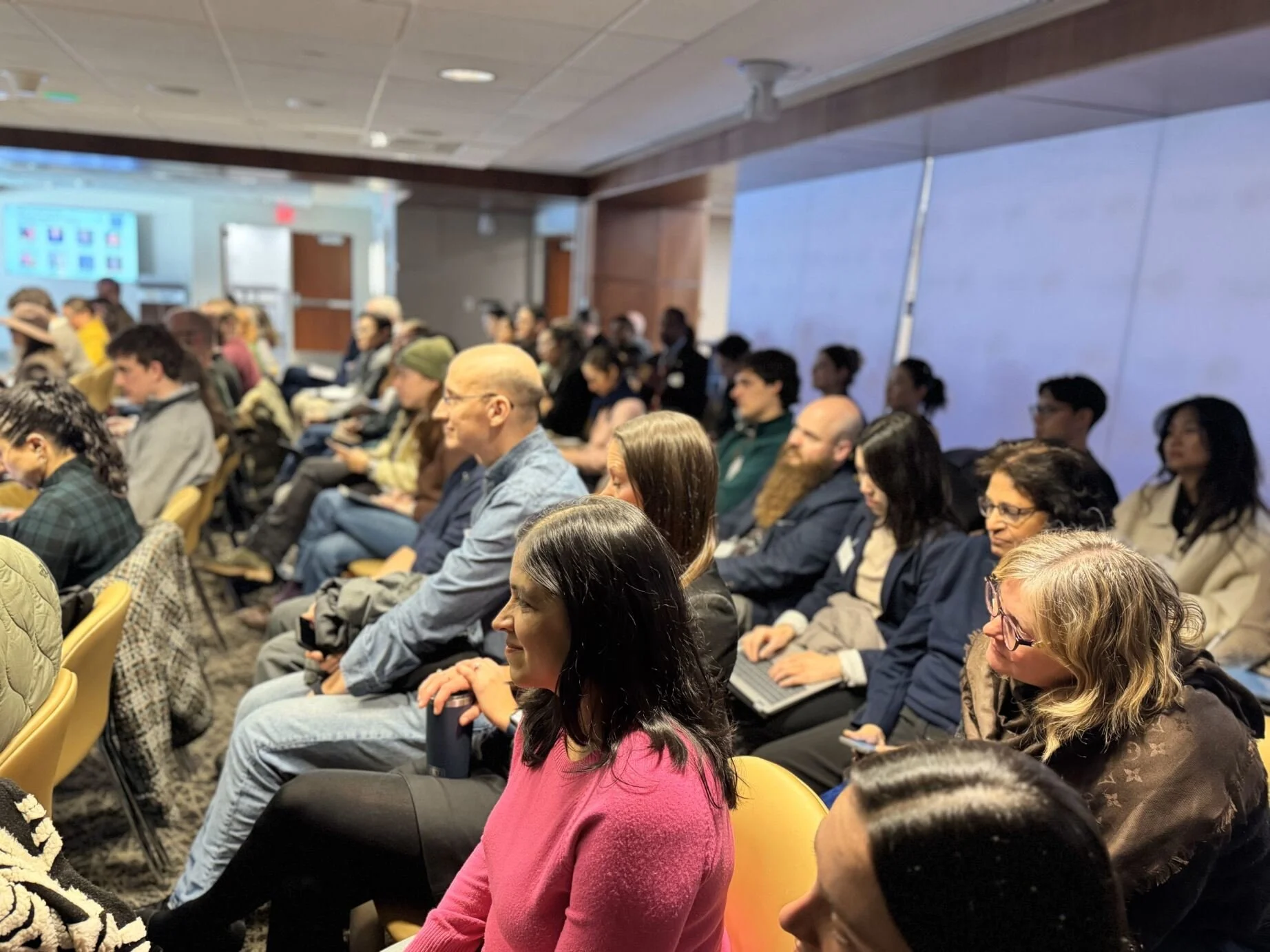
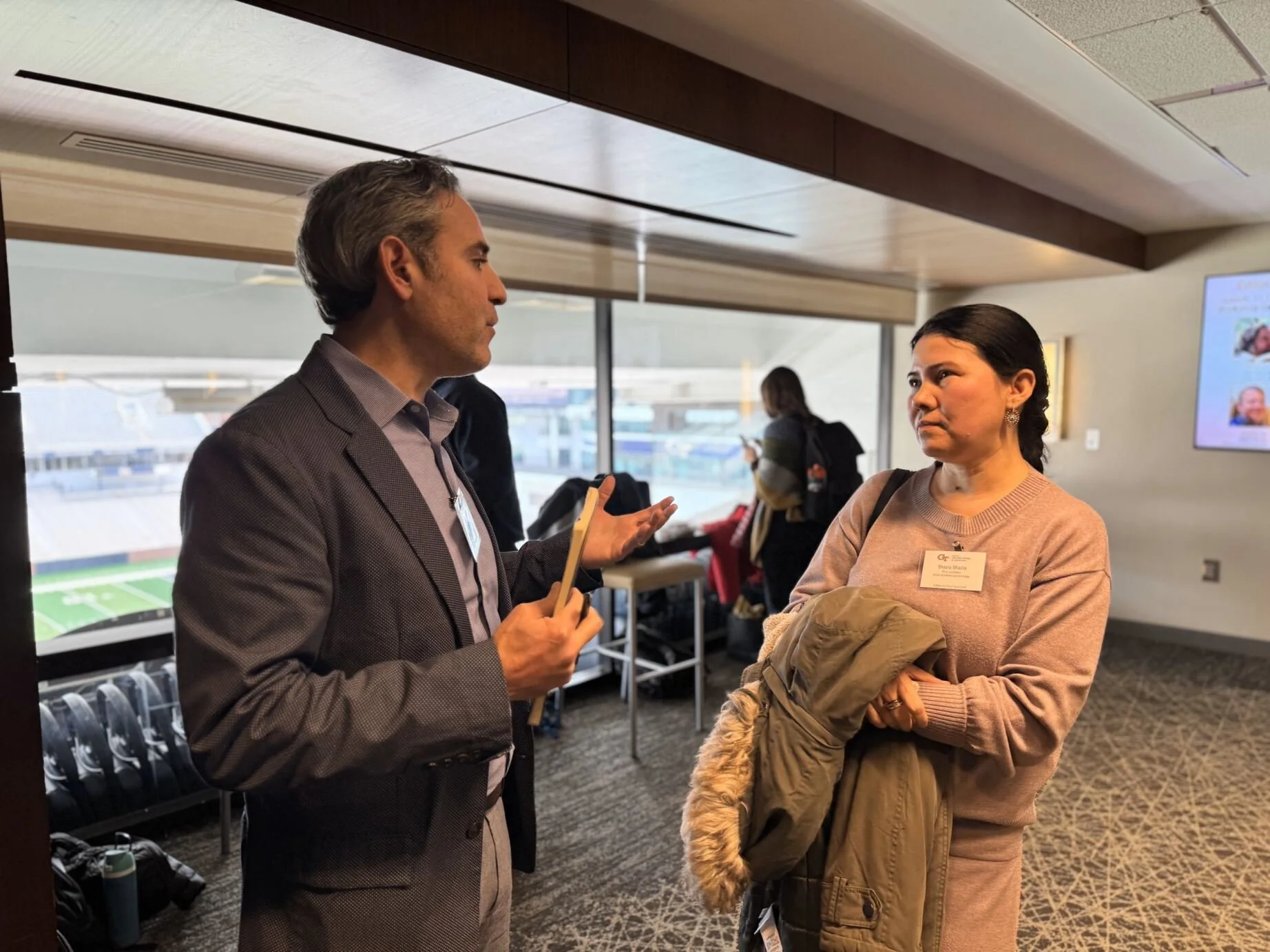
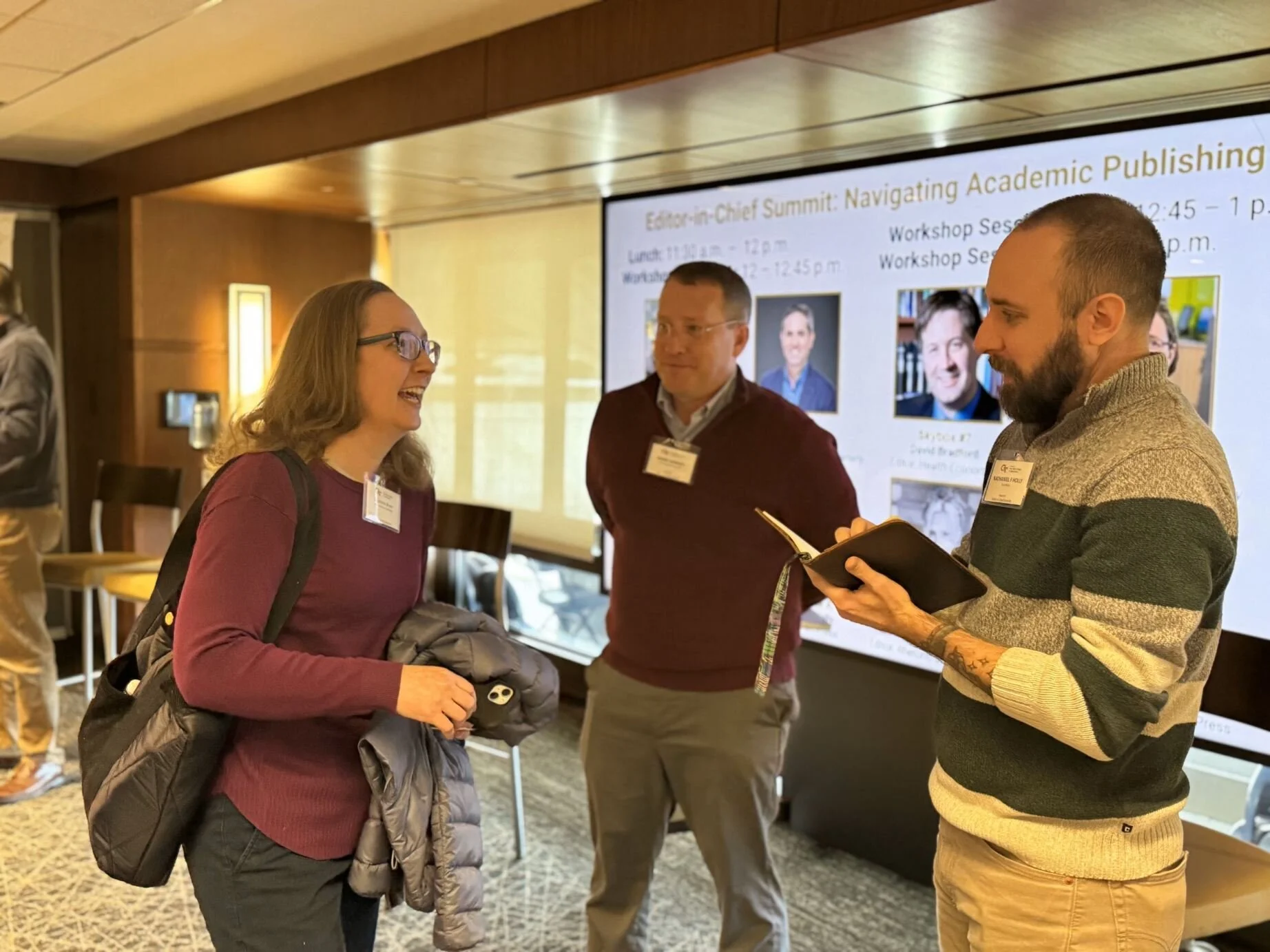
In a panel discussion and area-focused workshops at the January 2026 summit, the editors shared their recommendations with approximately 70 researchers, from master's students to full professors. The editors discussed how to navigate the overall publication process and frame your work, based on their observed patterns of success. In addition to academic publishing, you can use this insight to refine how you write research papers. If you are already familiar with publishing in scholarly journals, the editors shared insights on publishing with academic presses and publishing houses.
“Publishing is important, but it’s not box-checking. It’s about contributing to ongoing conversations and sharing your work with the collective.”
Illuminating the Publishing Process
“Don’t panic. And especially don’t panic and then work on 20 things at one time,” said David Bradford, co-editor of Health Economics. Bradford highlighted that while publishing is important, first focus on your research and work at a reasonable pace. The editors highlighted that they also publish their work and understand the challenges and frustrations of the publishing and review process.
Find journal fit by reading the journal's webpage, articles, and citation lists to learn about the focus areas, such as theory or methods, along with talking with colleagues and editors. “Two years ago, we would receive 650 submissions a year, and now we get 950 submissions a year. As a result, more work is rejected, and you want to be thoughtful in where you submit your work,” said Sam Bell, co-editor-in-chief of International Studies Quarterly.
Understand your audience, write clearly, highlight the broader context and applicability of your work, “Make it as easy as possible for people to read your work,” said Mike Hersey, editor of Environmental History. This is especially important if you are writing for a broad audience.
Start strong during manuscript submission by taking the form questions seriously (e.g., provide an accurate word count) and providing reviewer recommendations. “It’s not a trick,” said Bell, “but this doesn’t mean to recommend a co-author, friend, or colleague.”
Editors agreed that to increase your paper’s chances of acceptance, you need to rock the revise and resubmit (R&R). To make the memo as clear as possible, list out every reviewer comment and provide a professional response for each (consider using italics to differentiate), including references to page numbers, tables, etc., for your revisions. John Beavers, editor of Language, said, “With reviews, especially the first review, it’s your moment to shine. It’s your “Freebird” moment, you need to rock it.”
“R&R is the best 1st outcome,” said Bradford, “with desk rejection being the 2nd best outcome, as this quick rejection allows you to move along quickly.” The editors highlighted that rejections are not personal and are part of the publishing process. You can cultivate resilience with this mindset. Take advice provided from the R&R and rejection and consider a new journal.
Prepare for publishing throughout your work, such as by ensuring you can trace your steps for data transparency and that you know all journal policies before applying. Before publication, have the entire team copyedit the paper. “Any changes, no matter how minor, after publication will be considered a correction,” said Bell. Make sure to promote your published work, including on social media. “You will raise awareness, and it helps people get to know you, your work, and learn more about your field,” said Bradford. If you are interested in having your work featured with Tech Square ATL, you can share your story.
““With reviews, especially the first review, it’s your moment to shine. It’s your “Freebird” moment, you need to rock it.” ”
Publishing Books with Academic Presses and Publishing Houses
If you are an educator with ideas about topics or methods that could shape the future of the classroom, Christy Sadler, acquisitions editor for Sage Publishing’s CQ Press imprint, encourages you to consider writing a textbook and reaching out to a publisher or editor with ideas. Textbooks are usually prepared as a team, and Sadler said, “If you’re willing to come in without a rigid idea and to be collaborative, that’s where it can be successful.”
Nathaniel Francis Holly, editor-in-chief for the University of Georgia Press (UGA Press), which has been publishing since 1938, encourages those interested in publishing a book to do their research, talk to more than one press, and build relationships with the editor, including suggesting reviewers who will help edit your work. “Peer review should be generative, resulting in a better book. It should be collaborative.” Holly adds that to organize your thoughts, you should always write a book proposal, specifying the flow of the book and chapters, even if it isn’t required.
Framing Your Work to Keep the Conversation Going
“Think of publishing as a party,” said Jenny Rice, Editor of Rhetoric Society Quarterly, referencing Kenneth Burke’s parlor metaphor. Adding, “Imagine you’re at a party, and a group is already having an argument. After listening for a bit, you gather more about what they are talking about, and after a while, you jump in. This is a metaphor for academic scholarship. You want to show that you’ve listened and that you're adding input.”
You can keep the academic conversation moving forward by clearly articulating your thesis, argument, and intervention. “Have one thesis,” said Hersey, adding, “Do not have a mystery thesis; if you have a question word in your thesis, such as ‘this paper shows how or why…refine it.”
The editors advise presenting your thesis-supporting argument early in the paper, while also rooting your work in the prior literature, so readers clearly understand what they are reading. Frame your intervention by describing why the intervention is relevant now, providing applications of your work in other contexts, and offering ideas for future work. “An engaging introduction can also include how others could use this work, and a conclusion that says what I hope will happen based on this work is an interesting and helpful one,” said Julia Flanders, editor-in-chief of Digital Humanities Quarterly.
The editors reflected on the adaptability, applicability, and sustainability of publications, encouraging researchers to consider what methods, projects, and strategies will stand the test of time. Take the time to discuss with colleagues and reflect on articles in your field that remain relevant to learn from these examples. While publishing can be a stressful and competitive task, reframing it as collaborative and as a conversation can help you prepare manuscripts that support other researchers and the future of your field.
“ An engaging introduction can also include how others could use this work, and a conclusion that says what I hope will happen based on this work is an interesting and helpful one.”
event details
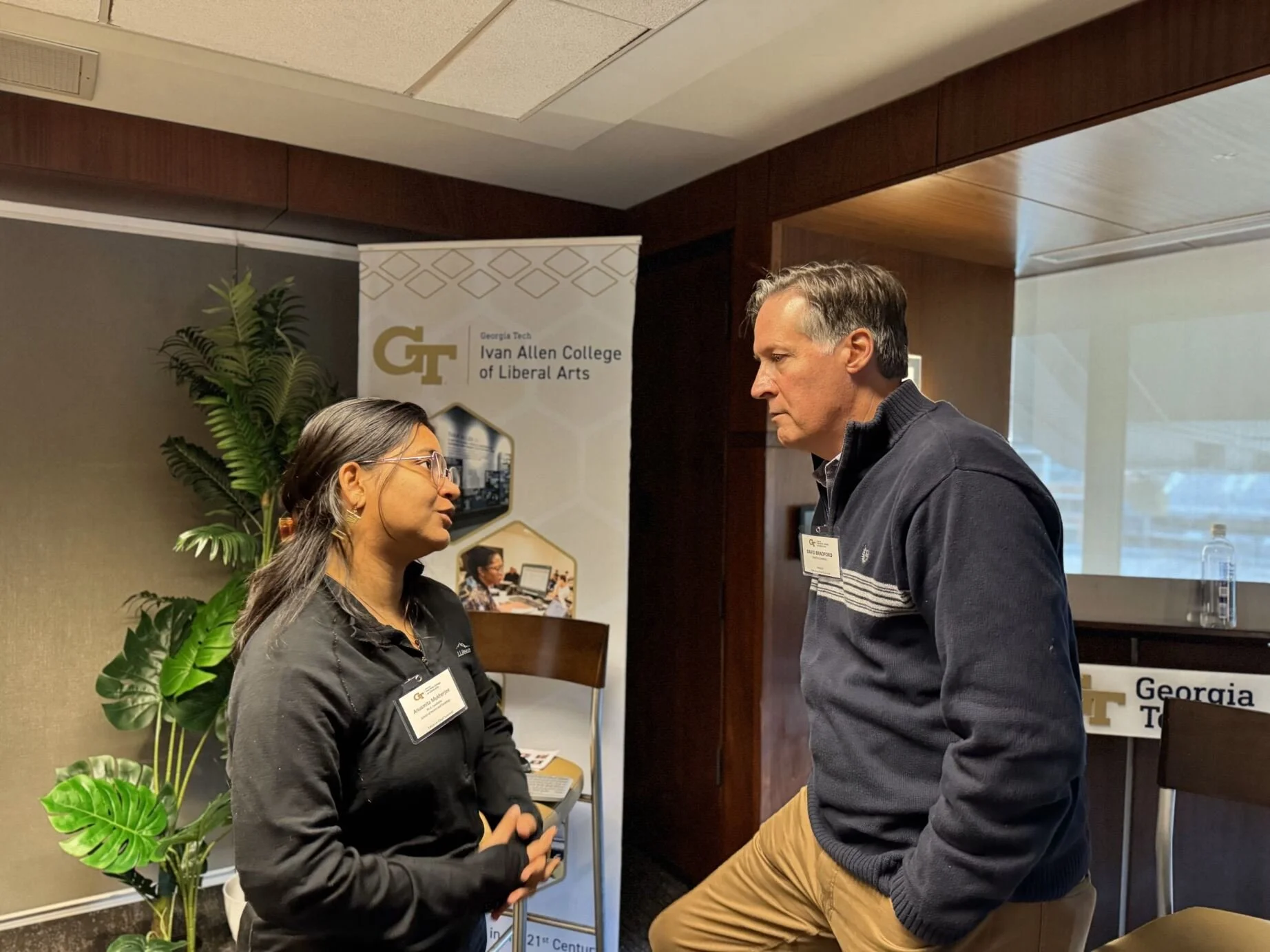
The Editor-in-Chief Summit: Navigating Academic Publishing was hosted on January 16, 2026, by Georgia Tech’s Ivan Allen College of Liberal Arts and sponsored by the McGill Lecture Series and coordinated and moderated by Dr. Richard Utz, Senior Associate Dean for Strategic Initiatives and Professor.
Due to strong interest in this summit, the college seeks to provide future opportunities for Georgia Tech researchers to learn directly from editors on how to succeed in academic publishing. You can explore the full calendar of Ivan Allen College of Liberal Arts events to stay up to date with opportunities as they are announced.
Participating Editors:
John Beavers, Former Editor, Language
Sam Bell, Co-Editor-in-Chief, International Studies Quarterly
David Bradford, Co-editor, Health Economics
Julia Flanders, Editor-in-Chief, Digital Humanities Quarterly
Mark Hersey, Editor, Environmental History
Nathaniel Francis Holly, Editor-in-Chief, UGA Press
Jenny Rice, Editor, Rhetoric Society Quarterly
Christy Sadler, Editor, Sage Publishing / CQ Press (acquisitions editor, political science textbooks)