
When Systems Don’t Listen, Data Speaks: Mohsin Yousufi on Civic Tech and Epistemic Justice
Before Mohsin Yousufi was studying civic technology and epistemic injustice, he was trained to think like an architect.
He began his education and early career in Pakistan, working within a discipline grounded in a familiar premise: that design can solve complex social problems. Buildings, plans, and infrastructure were positioned as answers. But over time, that framing started to feel incomplete.
“I have my own issues with architecture,” Yousufi says. “It can be reductive. There’s this belief that you can design your way out of anything.”
When he moved to the United States for graduate school, he expected a shift in perspective. Instead, he encountered many of the same assumptions in a different setting. The gap between design and lived reality was not unique to South Asia.
“The problems I had weren’t just a problem in Pakistan,” he says. “They were here too.”
In addition to his work at Georgia Tech, Yousufi has also worked as a researcher at metaLAB at Harvard, where he helped lead projects on AI pedagogy and critical examinations of technologies. He’s also conducted research at the Berkman Klein Center for Internet & Society at Harvard University, focusing on the integration of LLMs into social media and algorithmic bias in social media.
That realization reframed the problem. It was not about geography or discipline. It was about systems.
“What began as a frustration with architecture became a bigger question,” Yousufi says. “How do you make systems that actually enable change?”
Today, as a PhD candidate in Digital Media at Georgia Tech, Yousufi studies those systems directly. His work sits at the intersection of civic tech, human-computer interaction, and science and technology studies, with a focus on how knowledge moves through institutions and where it breaks down.
Because in many civic systems, the issue is not a lack of information. It is a lack of recognition.
When Lived Experience Isn’t Enough
At the center of Yousufi’s research is a concept drawn from feminist philosophy: epistemic injustice.
Epistemic injustice describes a pattern where certain people’s knowledge is dismissed, not because it is wrong, but because of who is presenting it. In civic contexts, this can look like tenants whose complaints are ignored, residents whose environmental concerns are discounted, or communities whose insights never make it into formal decision-making processes.
In a recent study, Yousufi and collaborators examine this dynamic through housing complaints in New York City. Tenants without heat often struggle to prove their conditions, even when those conditions are severe. Their testimony alone is rarely enough.
“It’s your word against the landlord’s word,” one participant explained.
The problem is not simply a lack of data. It is that some forms of knowledge are treated as credible, and others are not.
Turning Experience Into Evidence
This is where Yousufi’s concept of “credibility boosters” comes in.
Credibility boosters are civic technologies designed to translate lived experience into forms institutions recognize as legitimate. In the case of housing, that might be a temperature sensor that logs conditions over time, turning the feeling of being cold into a dataset that can stand up in court.
The technology itself is simple. What matters is how it reshapes credibility.
Yousufi identifies three moves these tools make. They back up claims with data, convert subjective experience into tangible evidence, and shift authority away from individuals toward systems perceived as neutral.
That shift can be decisive. A complaint that might be dismissed as anecdotal becomes harder to ignore when it arrives as a structured log.
But the deeper insight is less about the tool and more about the system around it.
Credibility is not inherent. It is constructed.
The Limits of Technical Fixes
That realization complicates the narrative around civic tech.
Credibility boosters can help people navigate systems that would otherwise ignore them. But they also expose a more uncomfortable truth: those systems often require translation into data before they are willing to listen at all.
Yousufi is careful not to treat technology as a complete solution.
In some cases, these tools risk reinforcing the very dynamics they aim to challenge. If only quantified data is seen as legitimate, then lived experience still needs to be converted before it counts.
The question shifts from how to design better tools to how to design systems that recognize different forms of knowledge in the first place.
When Civic Tech Breaks Down
That tension becomes especially visible in participatory projects. Yousufi’s primary dissertation research is in this very breakdown of civic projects.
“I’m building a framework for civic technologies to account for and respond to these breakdowns,” he says. “The framework provides means for diagnosing breakdowns, as well as strategies for responding.”
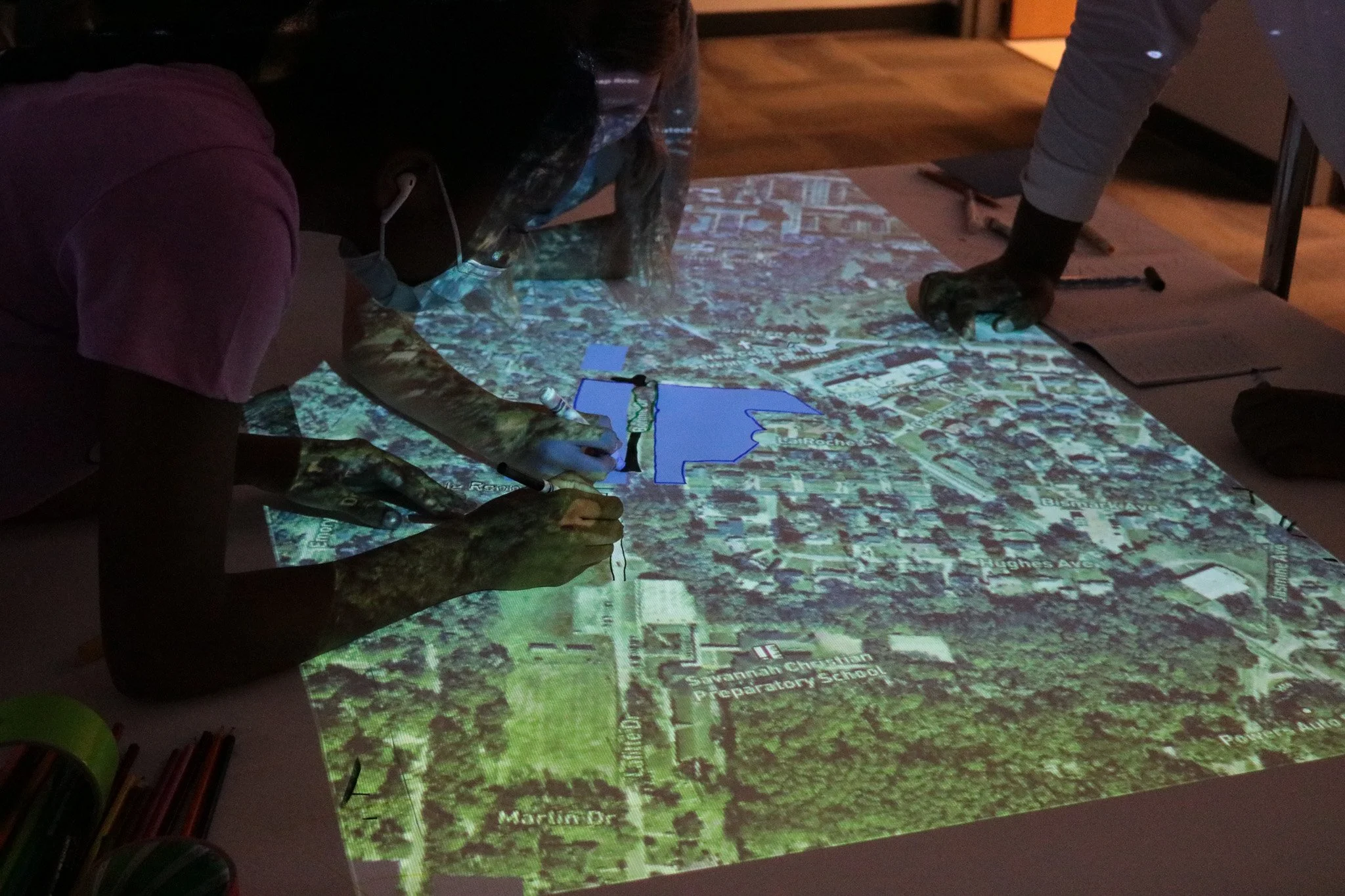
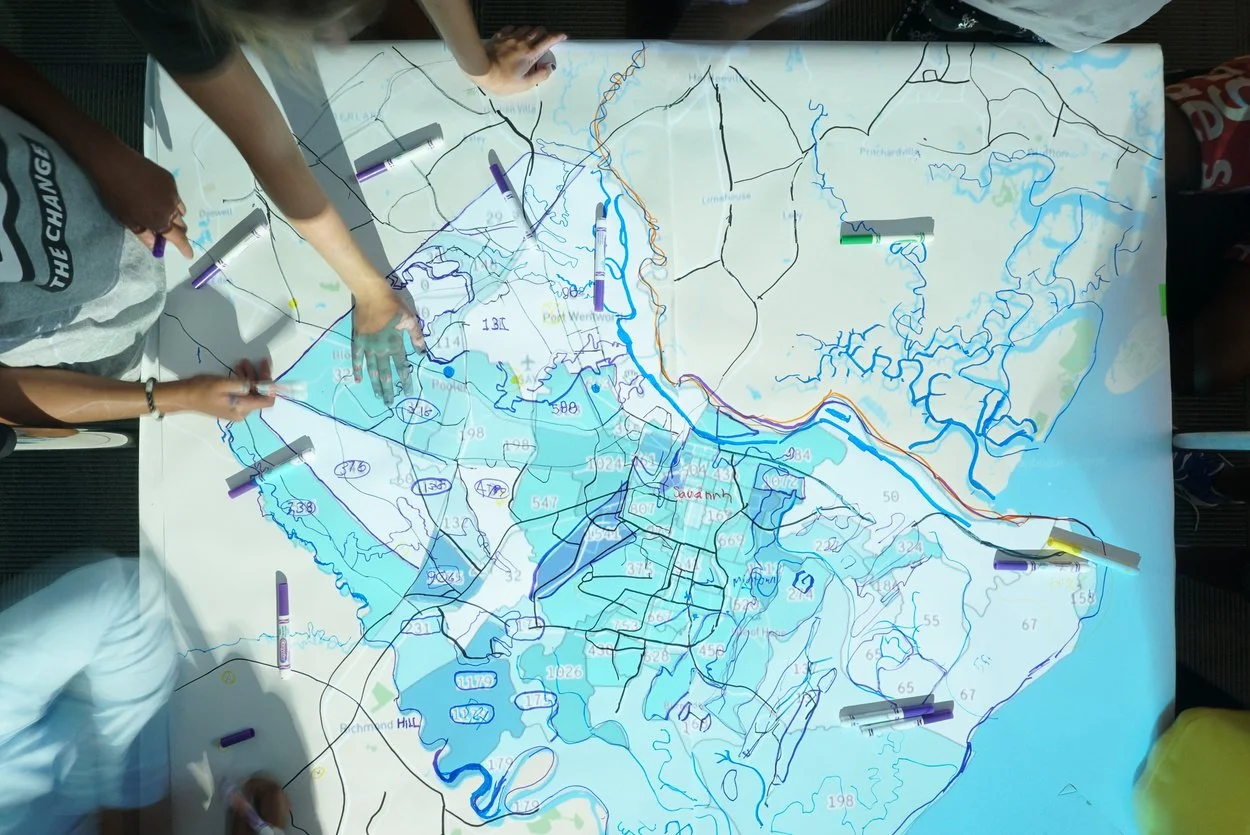
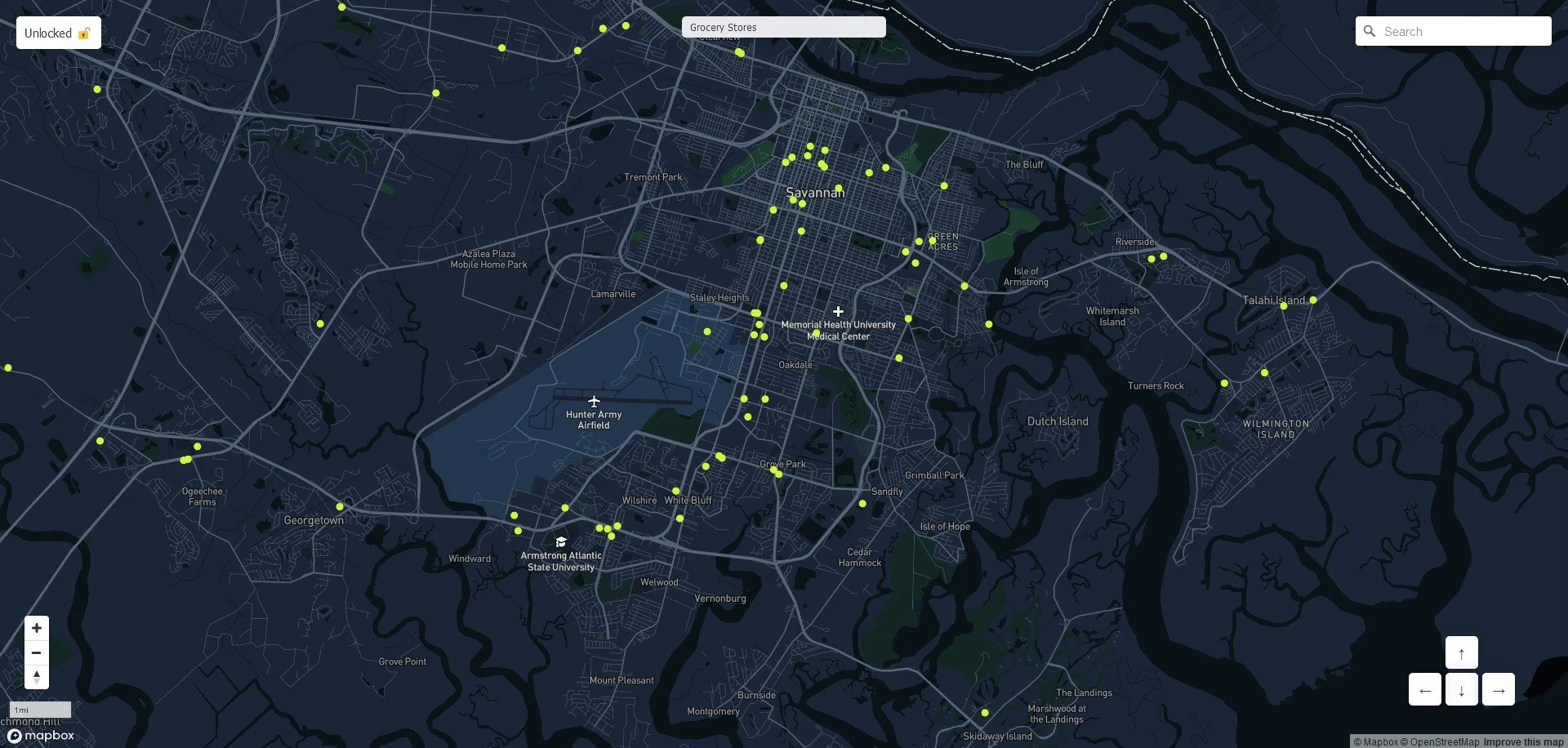
In an initiative focused on flood risk and community mapping, Yousufi worked with participants to surface local knowledge about environmental conditions. The goal was to create a richer, more inclusive understanding of risk.
Instead, the process revealed friction.
“People would dismiss their own knowledge,” he says. “There was confusion about what counts as valid data.”
Even in spaces designed to include community voices, existing hierarchies persisted. Technical expertise carried more weight. Participants second-guessed themselves. Conversations slowed. In some cases, projects stalled entirely.
“Researchers have their goals. Communities have theirs,” Yousufi says. “Those differences aren’t always visible, but they matter.”
“Civic tech, in this sense, does not fail only because of technical limitations. It fails because of mismatched assumptions about knowledge, authority, and outcomes.”
Building With, Not For
If credibility boosters reveal the problem, Yousufi’s broader work explores alternatives.
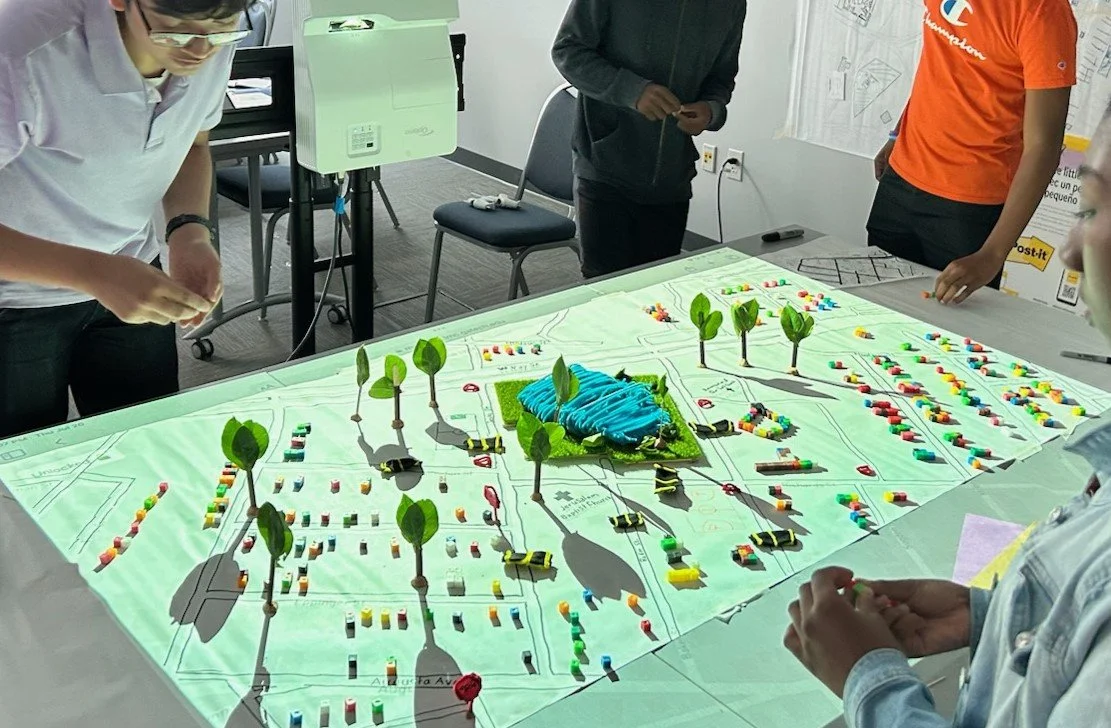
In a separate study on youth advocacy and disaster resilience, he and his collaborators developed a program that teaches middle school students to map their communities, analyze environmental risks, and advocate for infrastructure improvements.
The approach is intentionally transdisciplinary. It blends data visualization with environmental justice and local knowledge, positioning participants not as users, but as contributors.
The shift is subtle but important.
Rather than asking communities to translate their experiences into acceptable formats, the work begins by treating those experiences as valid from the start.
The results suggest increased confidence, stronger engagement, and a clearer sense of agency among participants.
It also points to a larger insight.
Access alone is not the barrier. Recognition is.
Rethinking Civic Infrastructure
Across his research, Yousufi returns to a core idea: civic infrastructure is not just physical or digital. It is epistemic.
As Yousufi moves toward completing his doctoral work, his focus is extending beyond diagnosis toward implementation. In partnership with Public AI, he is helping design pathways for public libraries across the United States to access generative AI tools in ways that are both responsible and affordable. The initiative has already reached libraries in Utah, Texas, New Jersey, and Massachusetts.
At the same time, his research continues. In another recent paper, he explores how AI systems can be grounded in local knowledge and supported by community-owned infrastructure.
The goal is not just to build more capable technologies, but to rethink who they serve and whose knowledge they recognize.