
Extending to All 159 Counties in Georgia
Georgia Tech is looking to broaden its reach in the state.
This past September, Tim Lieuwen, Georgia Tech’s Executive Vice President of Research, outlined Project 159 during the Institute for People and Technology’s inaugural Conversations@TechSquare event. The idea is both simple and ambitious: engage with each of Georgia’s 159 counties, bringing the Institute’s research, resources, and problem-solving capabilities beyond campus and into every corner of the state.
Meeting the Needs of Georgians Where They Are
Lieuwen described the effort as a chance for Georgia Tech to listen first and build partnerships rooted in what communities need, whether that’s workforce development, small business support, public health, clean energy, or science, technology, engineering, and mathematics (STEM) education. “This is not a one-size-fits-all strategy,” he emphasized. “It’s about meeting people where they are.”
As Georgia grows as a hub for technology, logistics, manufacturing, and rural innovation, Project 159 reflects a broader belief: innovation shouldn’t stay concentrated in Atlanta’s urban core. The entire state should benefit.
Collaboration Is Key
During the audience discussion, many attendees asked how Georgia Tech can better engage counties outside metro Atlanta. The theme that emerged was collaboration.
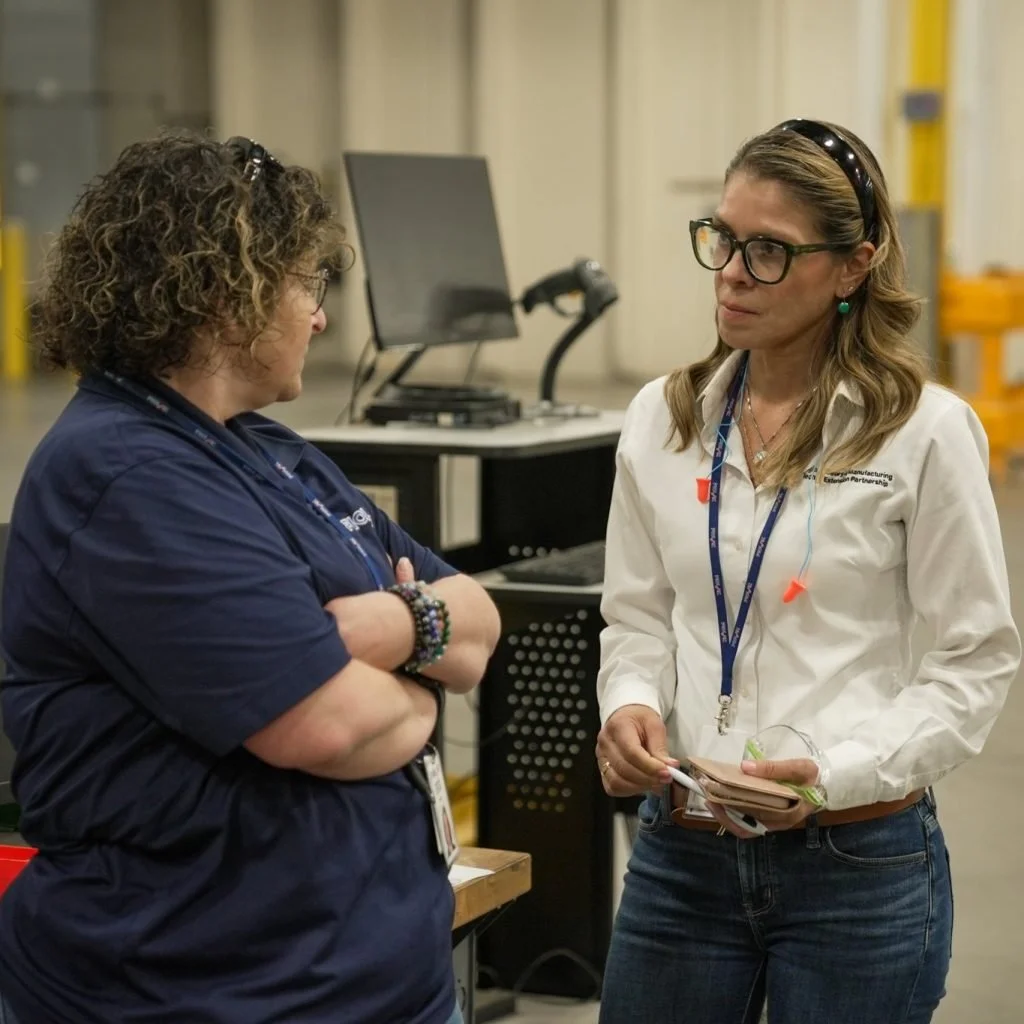
Georgia Tech’s own statewide presence is already growing. One example is the Institute’s Manufacturing Extension Program (GaMEP), which maintains offices throughout Georgia and has worked with over 800 small and medium-sized enterprises in the past three years, helping manufacturers adopt AI, robotics, and cybersecurity tools. This work, Lieuwen noted, demonstrates how Georgia Tech can support local communities by meeting them where they are.
GaMEP recent success stories include helping ICM Metal Fab, The Chai Box, Piolax, and Highland Forge.



While Georgia Tech brings deep strengths in engineering, computing, and technology commercialization, other institutions have expertise that Georgia Tech can learn from and partner with.
A strong example is UGA’s Extension County Office, which has a presence in all 159 counties and is “ready to educate, inspire and improve life for all 10.8 million Georgians.” Born in 1914 from a collaboration between UGA’s College of Agricultural and Environmental Sciences and its College of Family and Consumer Sciences, the Extension System brings agricultural expertise that, when combined with Georgia Tech’s technological talent and resources, opens the door to new, high-impact partnerships across the state.
A Network of Statewide Partnerships
Audience members pointed to Georgia Tech’s emerging Creative Quarter, Atlanta’s film and digital media sectors, and the city’s creative studios as fertile ground for deeper engagement. They noted that pairing Georgia Tech’s research with creative storytelling, immersive media, and entertainment tools could help make science and innovation more accessible, especially in communities that may not traditionally interact with university-driven research.
Startups and industry partners also play a crucial role, particularly in areas such as digital health, fintech, logistics, advanced manufacturing, and sustainability. Incorporating corporate partners, small companies, and entrepreneurial hubs into Project 159 could multiply resources and create direct pathways for talent development, economic mobility, and community impact.
The same logic extends to other Georgia institutions: Morehouse College, Spelman College, Georgia State University, the University of Georgia, Kennesaw State University, Savannah College of Art and Design (SCAD), Georgia Southern University, and others. Project 159 is not just about outreach; it is about building an interconnected statewide ecosystem, with each partner contributing its strengths to reach all Georgians.
The next Conversations@TechSquare takes place on Tuesday, November 18, featuring researchers from VRlandia in Georgia Tech’s School of Psychology. Click here to register.