
Celebrating Atlanta’s 500 Sustainability Ambassadors
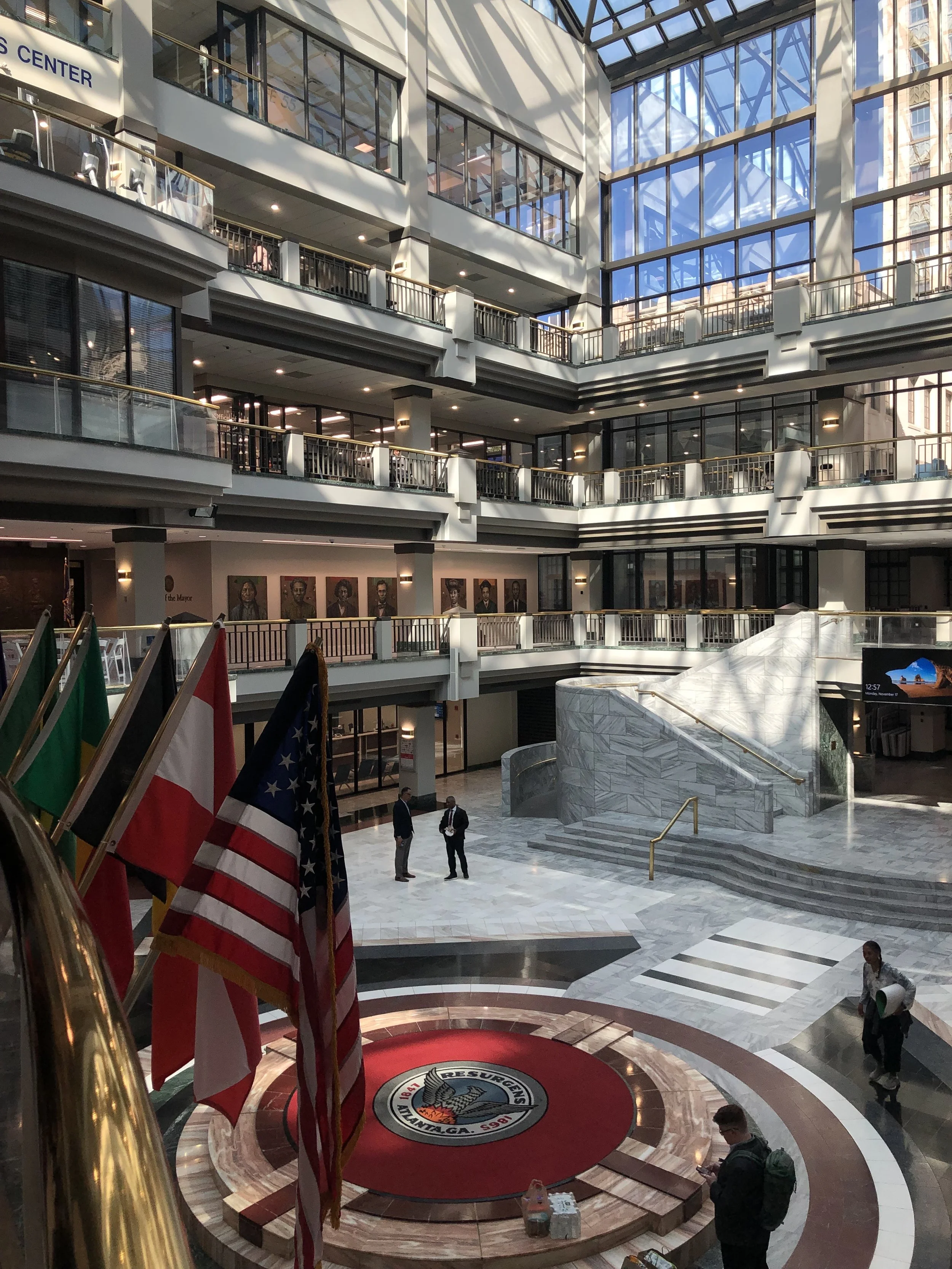
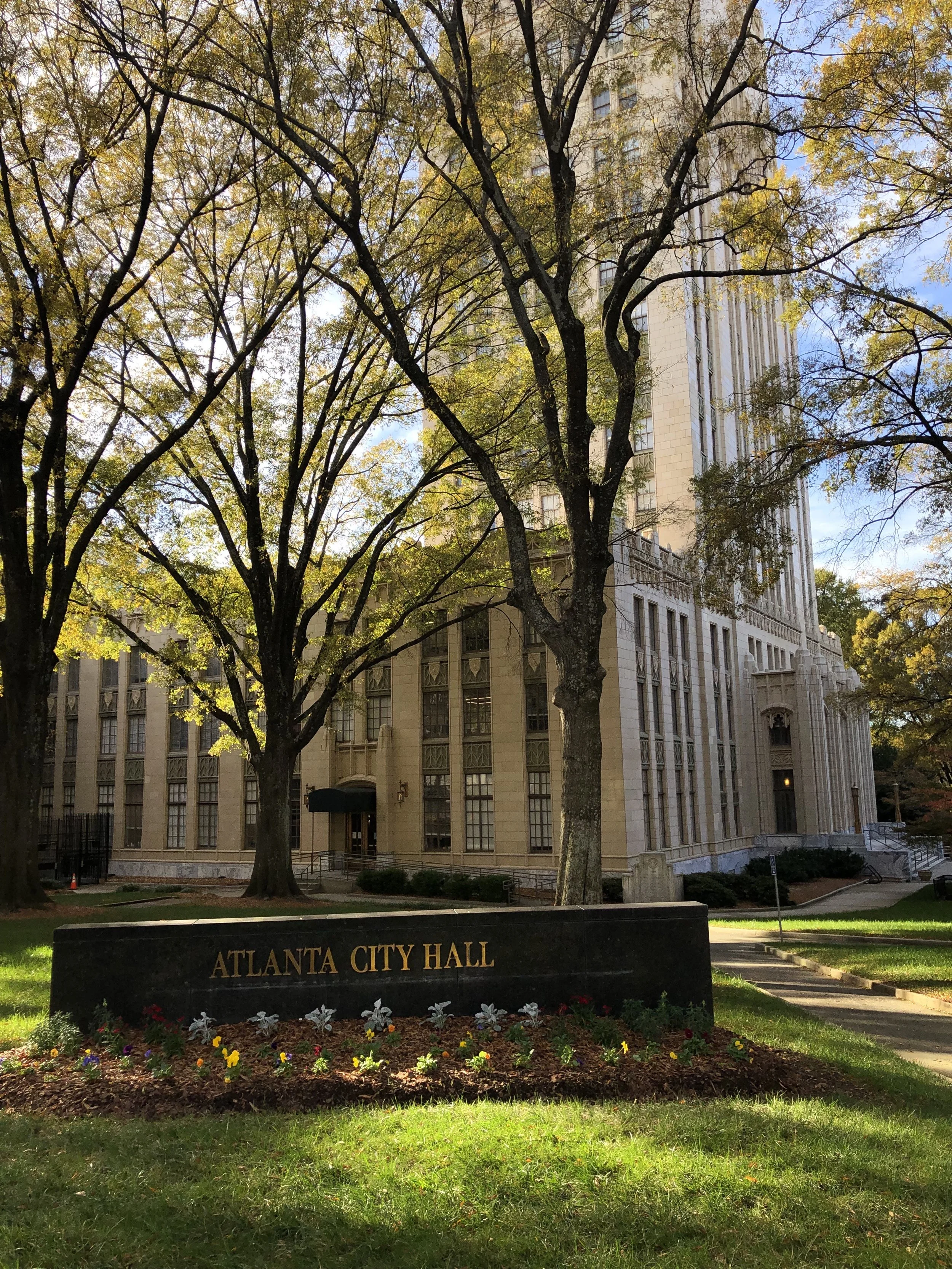
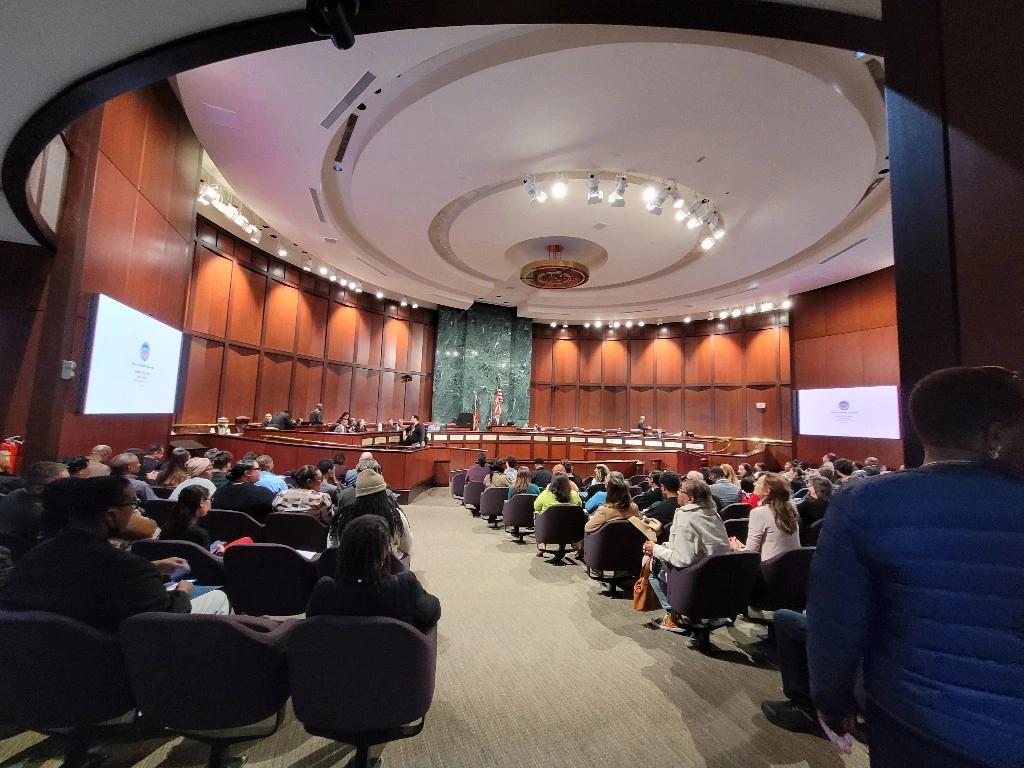
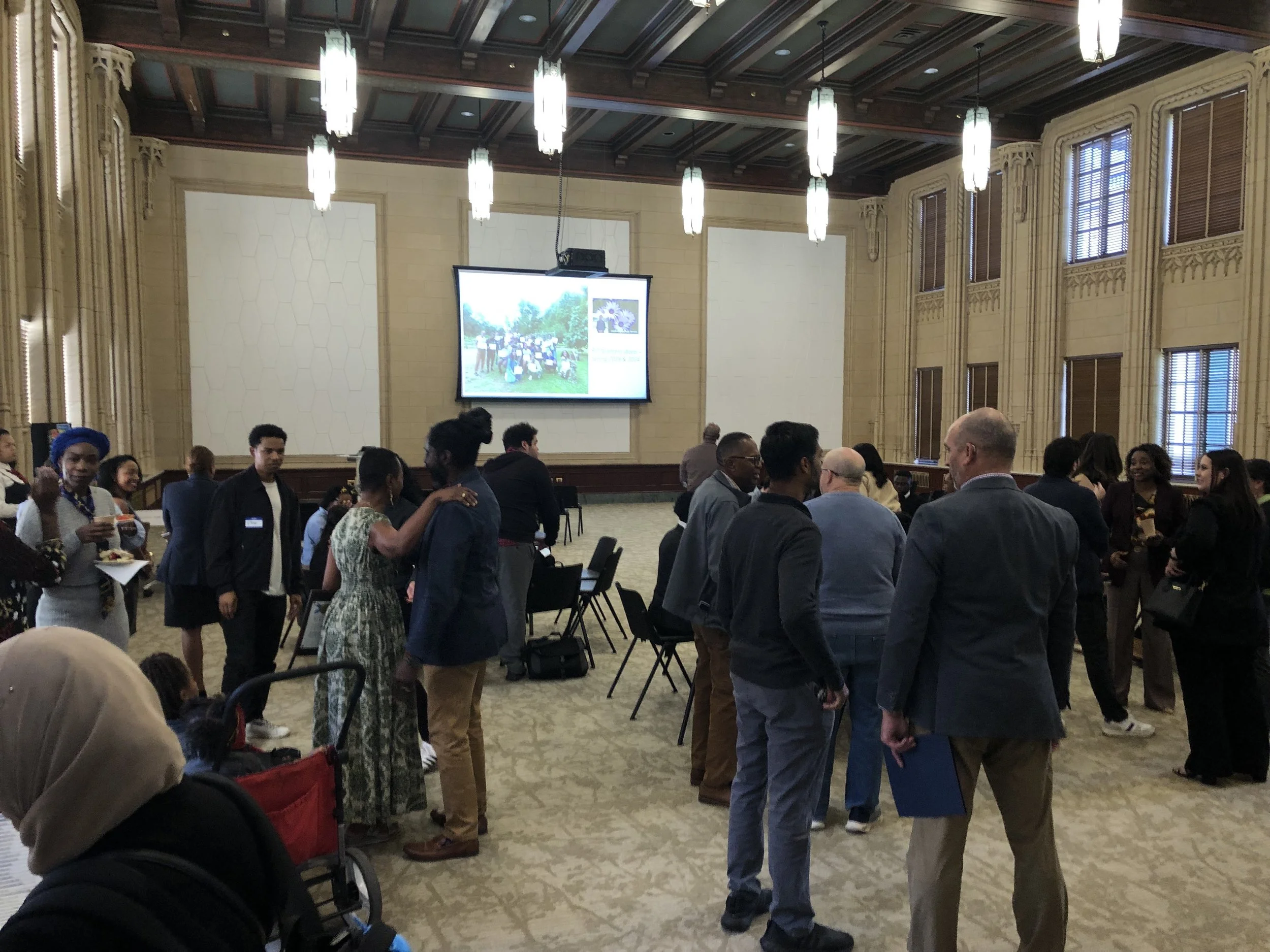
Just as many of us are familiar with “reduce, reuse, recycle”, collaboration, community, and collective impact are central to building a resilient future and core elements of the Atlanta Sustainability Ambassador Program. On November 17th, 2025, the community-building milestone of empowering 500 ambassadors was celebrated at the City Council Meeting with a proclamation by the Atlanta City Council President, Doug Shipman. Following the recognition, a reception was held in the Old Council Chambers in City Hall. All ambassadors were invited to the celebration, including the Fall 2025 ambassadors who received their graduation certificates.
Ambassadors shared stories about how the program has impacted their sustainability efforts in their businesses, workplaces, or at home. Additionally, the group discussed ideas for collaborations, projects, and opportunities. Mayor Andre Dickens acknowledged that the ambassadors are “building a city for the future that we can all be proud of” in a recorded statement shared at the reception.
Community builder and sustainability leader Michelle Wiseman has guided the 500 ambassadors through the program, which was founded in 2017 by the City of Atlanta's Mayor’s Office of Sustainability & Resilience. The community-led program is free and open to everyone. Reflecting on its impact on the city, Michelle Wiseman adds, “both citizens and City of Atlanta employees gain a holistic view of how systems work together and how better to consider environmental impact, equity, and access.”
The program brings together community members interested in learning more about sustainability initiatives, organizations, and networks in the City of Atlanta. Ambassadors, both those from Atlanta and those who have just moved to the city, join the program with diverse interests, including science, engineering, technology, business, policy, the arts, and community engagement.


“Sustainability isn’t a Department, it’s a Culture”
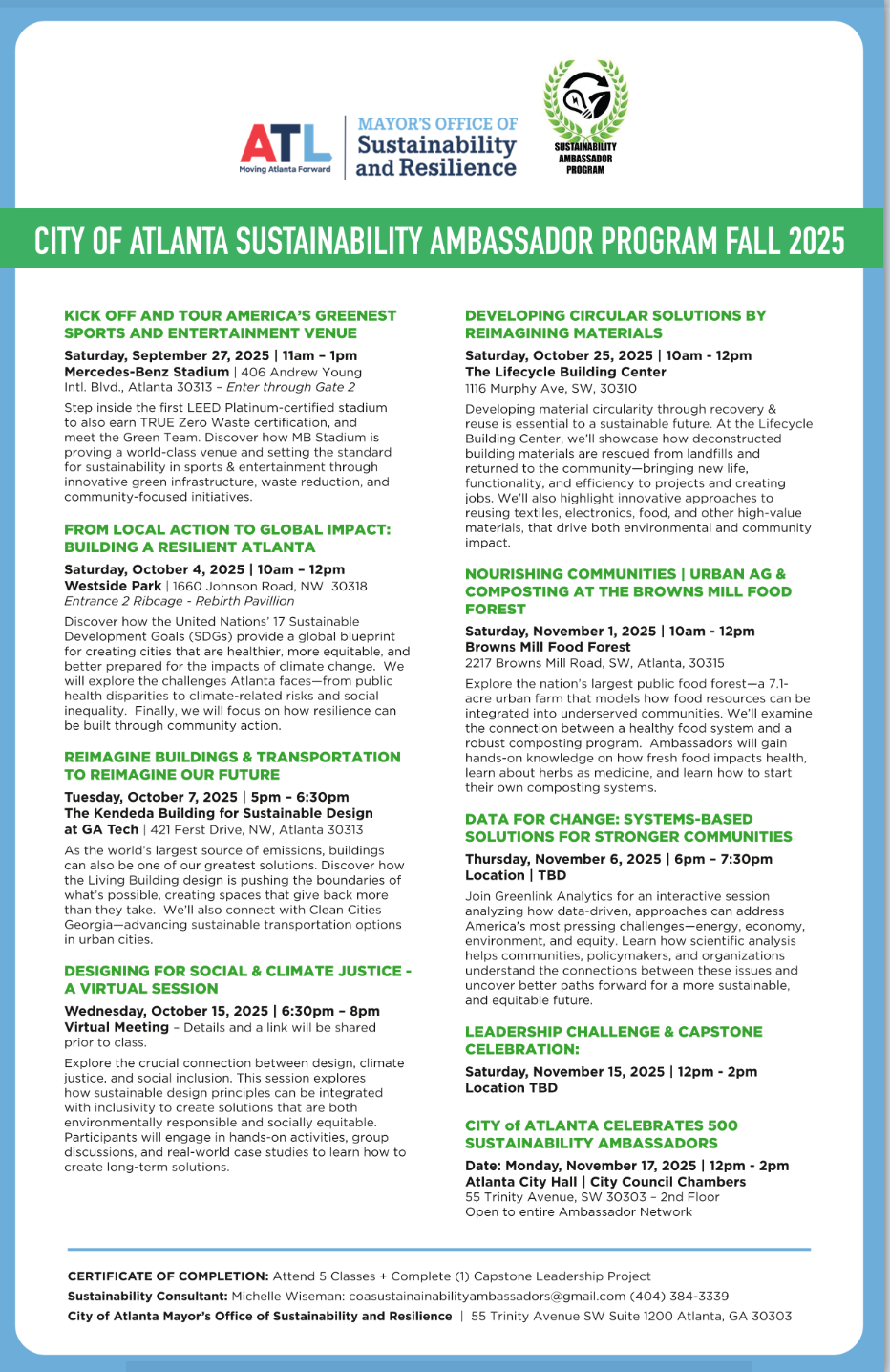
Over the course of the eight-week program, ambassadors embark on a memorable experience through a series of behind-the-scenes field trips with leading sustainability organizations across the city, engaging firsthand with dynamic experts who share their time, passion, and expertise. “We’re looking for more partner organizations that can provide interesting tours and opportunities, such as those related to urban agriculture, transit, and air travel,” Michelle shared.
Field trip locations and topics shared by the participating partner organizations include:
Learning about the LEED Platinum-certified Mercedes-Benz Stadium (first professional sports venue to achieve this certification)
Reflecting on the unique health, climate, and social issues of Atlanta at Shirley Clarke Franklin Park
Understanding Living Building design and regenerative principles at Georgia Tech’s Kendeda Building for Innovative Sustainable Design, which is “one of the World’s most sustainable buildings”
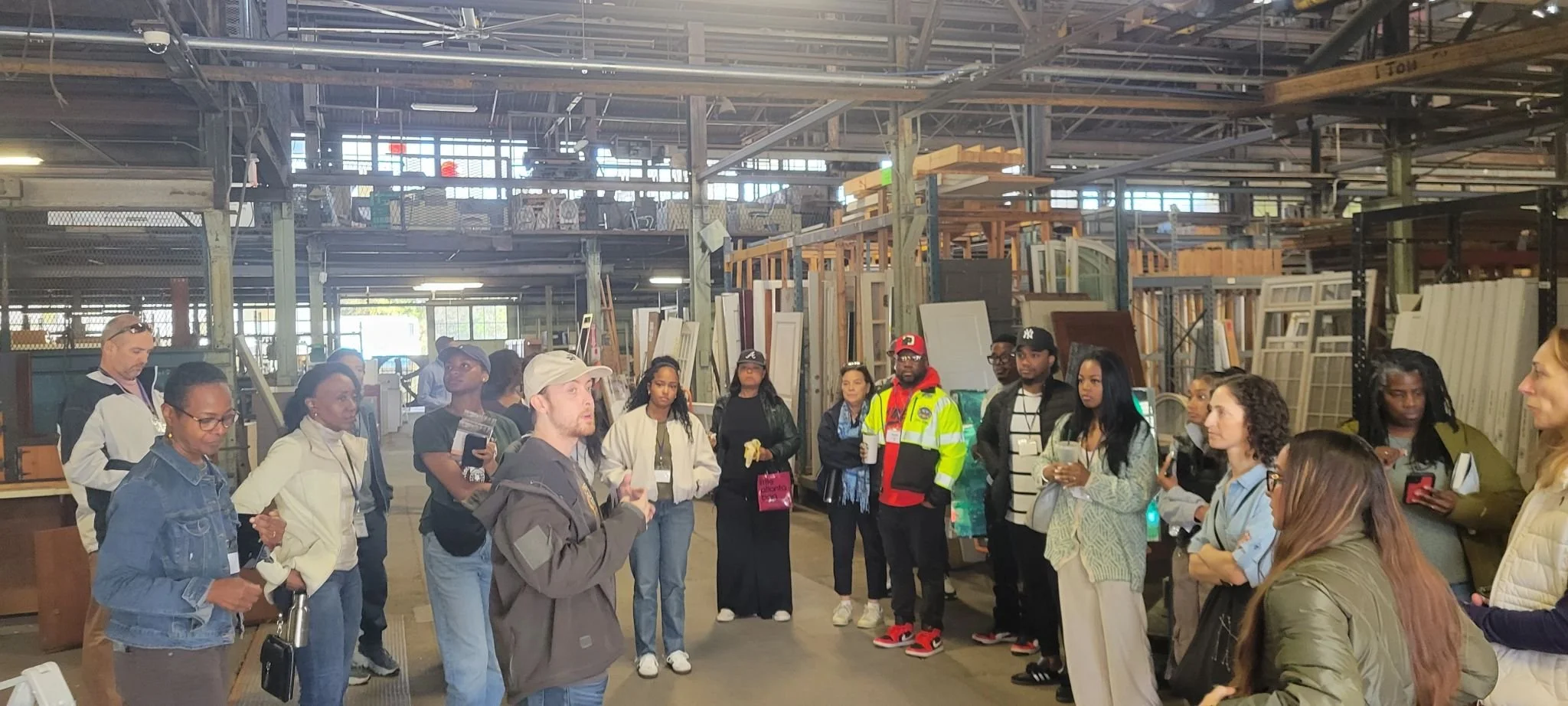
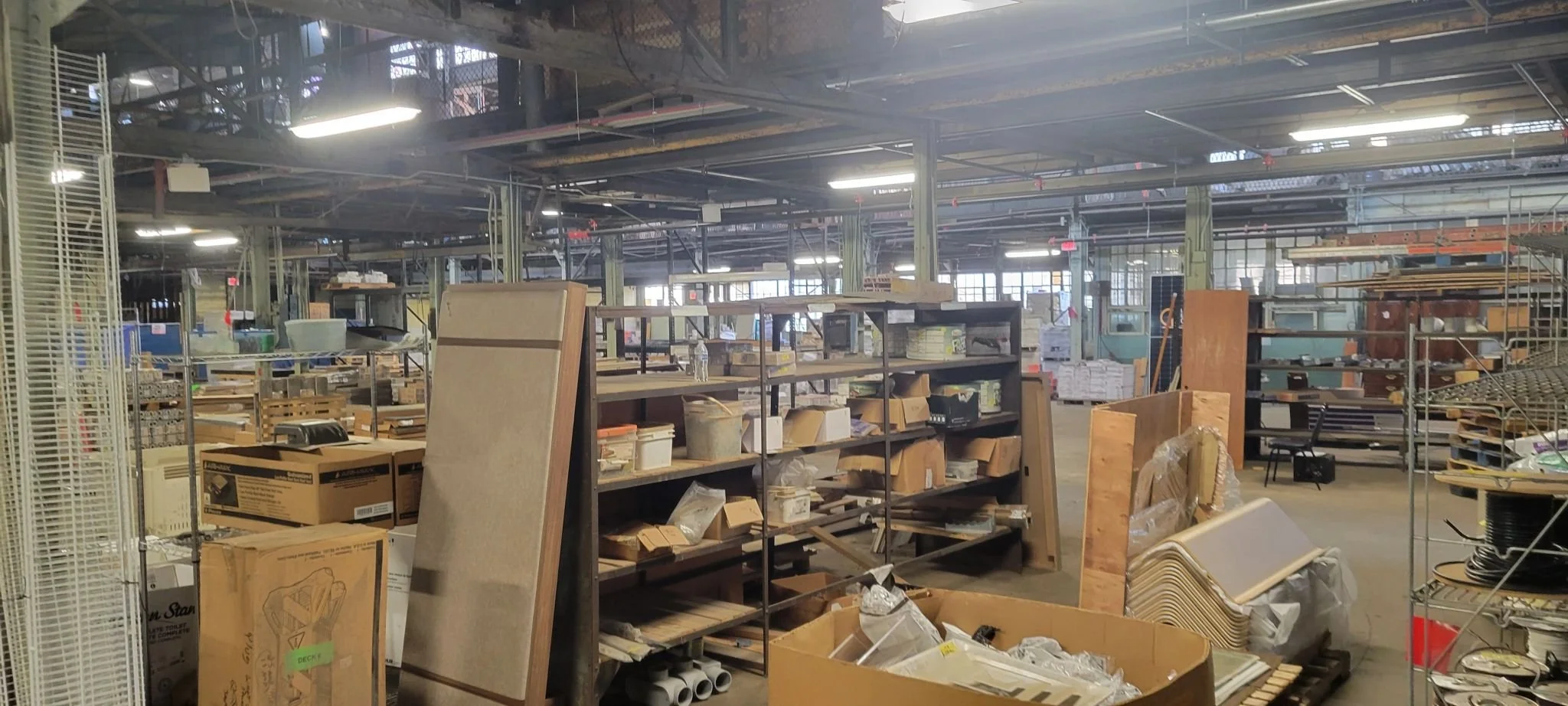
Exploring deconstruction material circularity through recovery and building material reuse at the Lifecycle Building Center
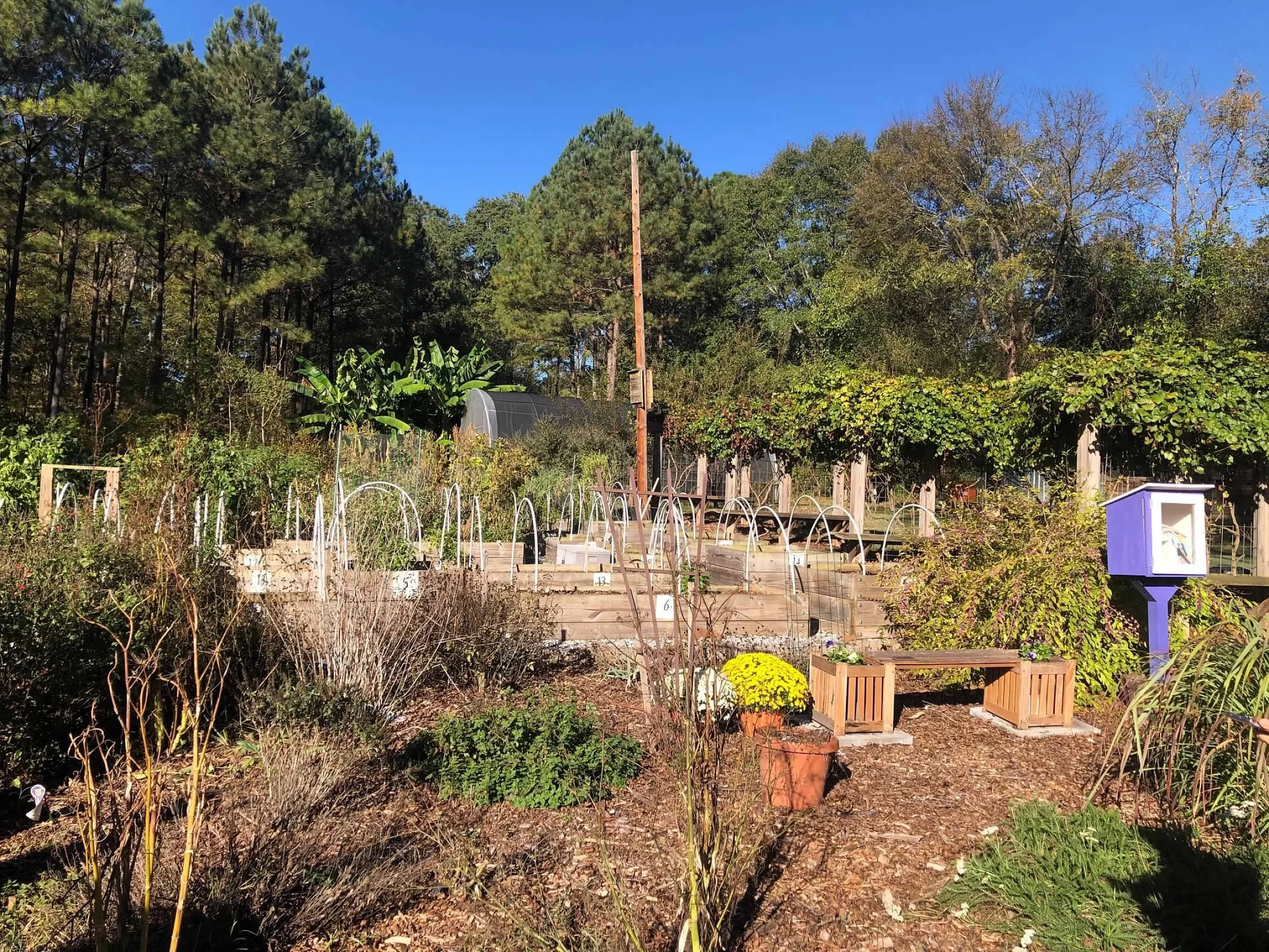
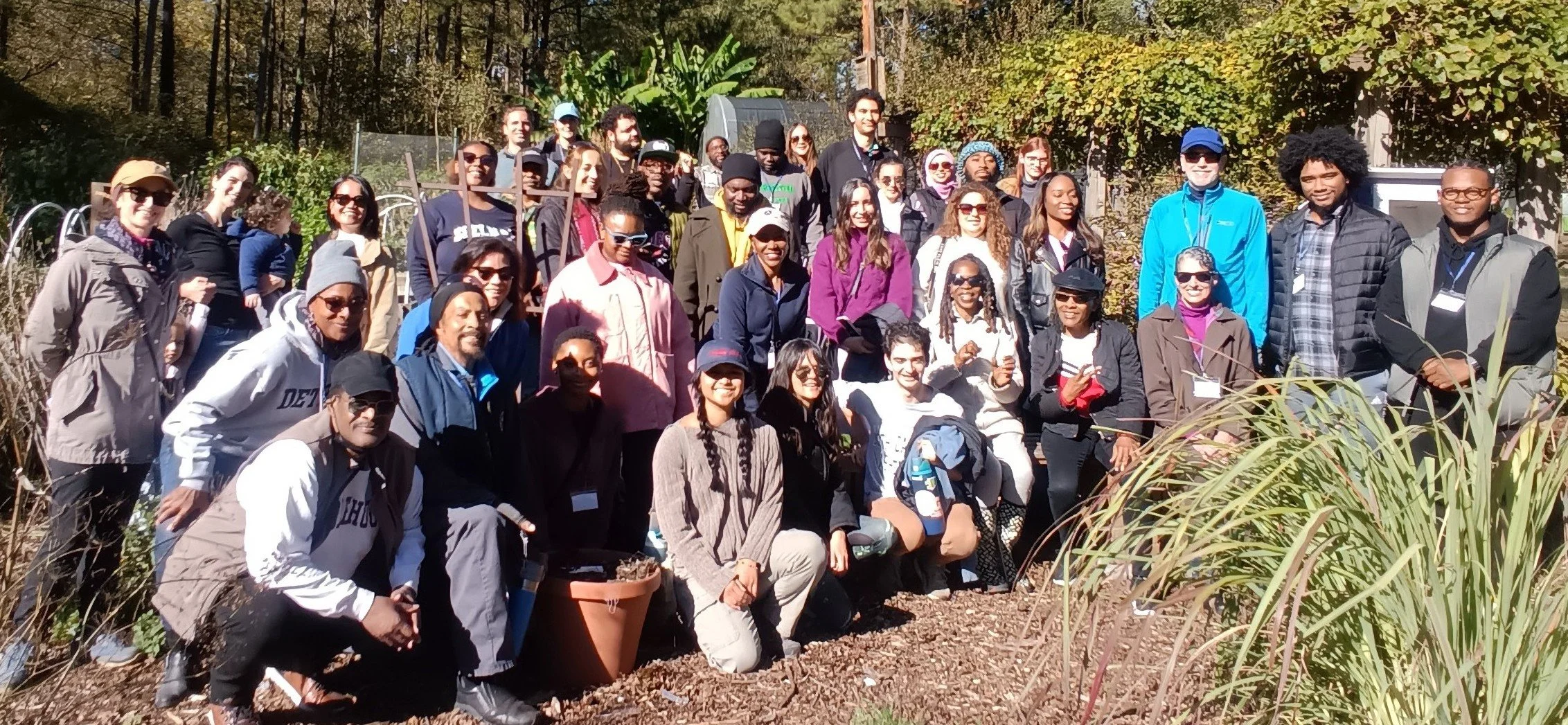
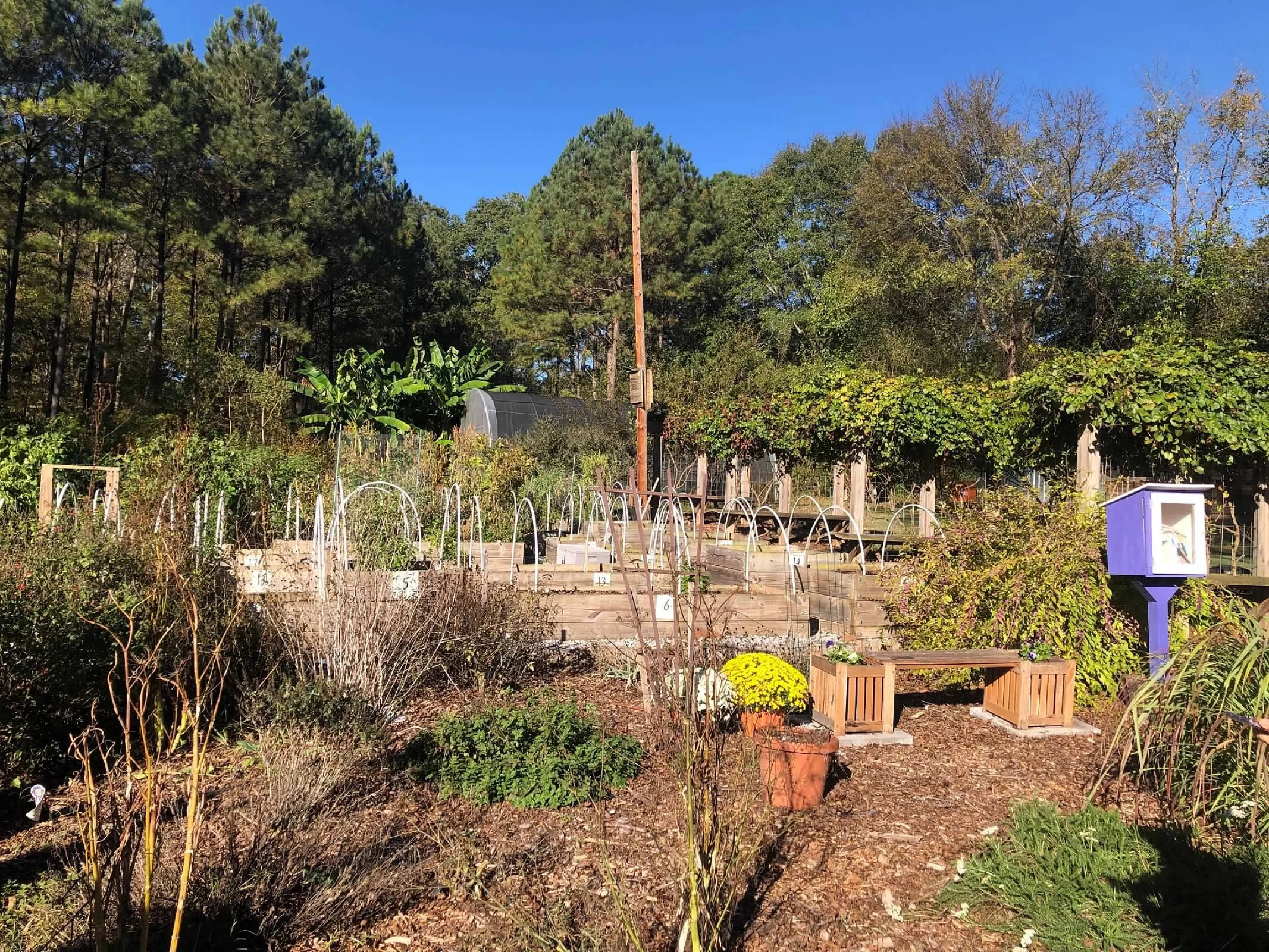
Connecting with nature at the nation’s largest public food forest and digging into composting at Urban Food Forest at Browns Mill
Designing for social change Dawn Keene, MA, founder of Studio Change
Using data-driven insights and system-based solutions for stronger communications with Matt Cox, PhD, CEO of Greenlink Analytics
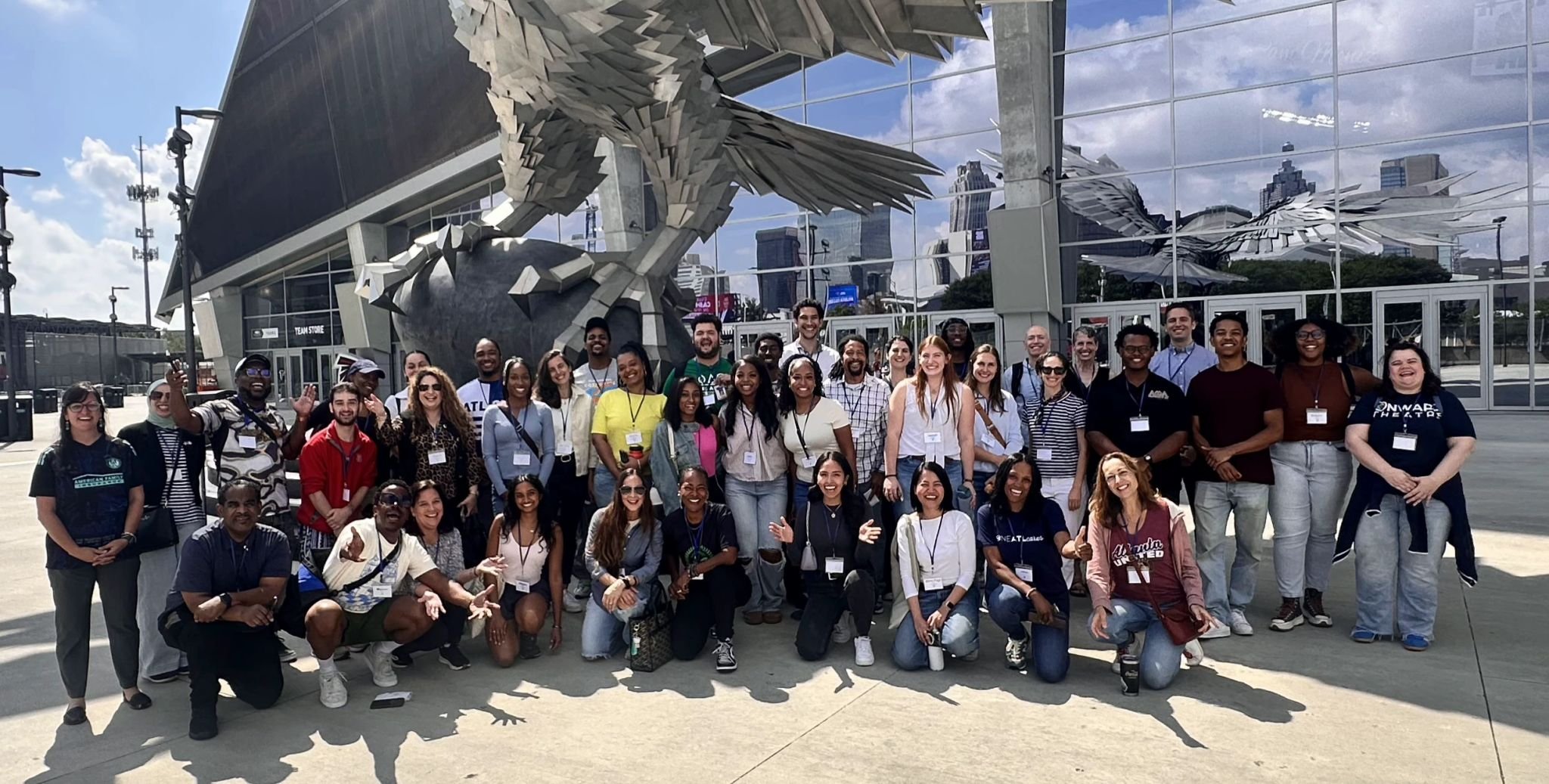
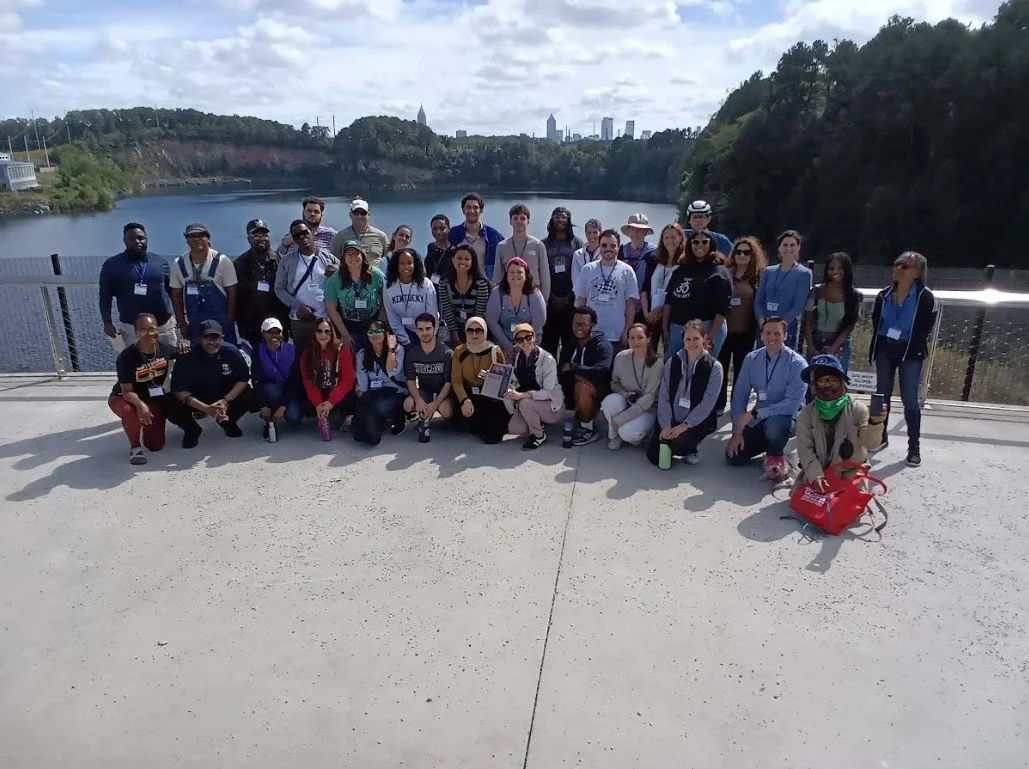
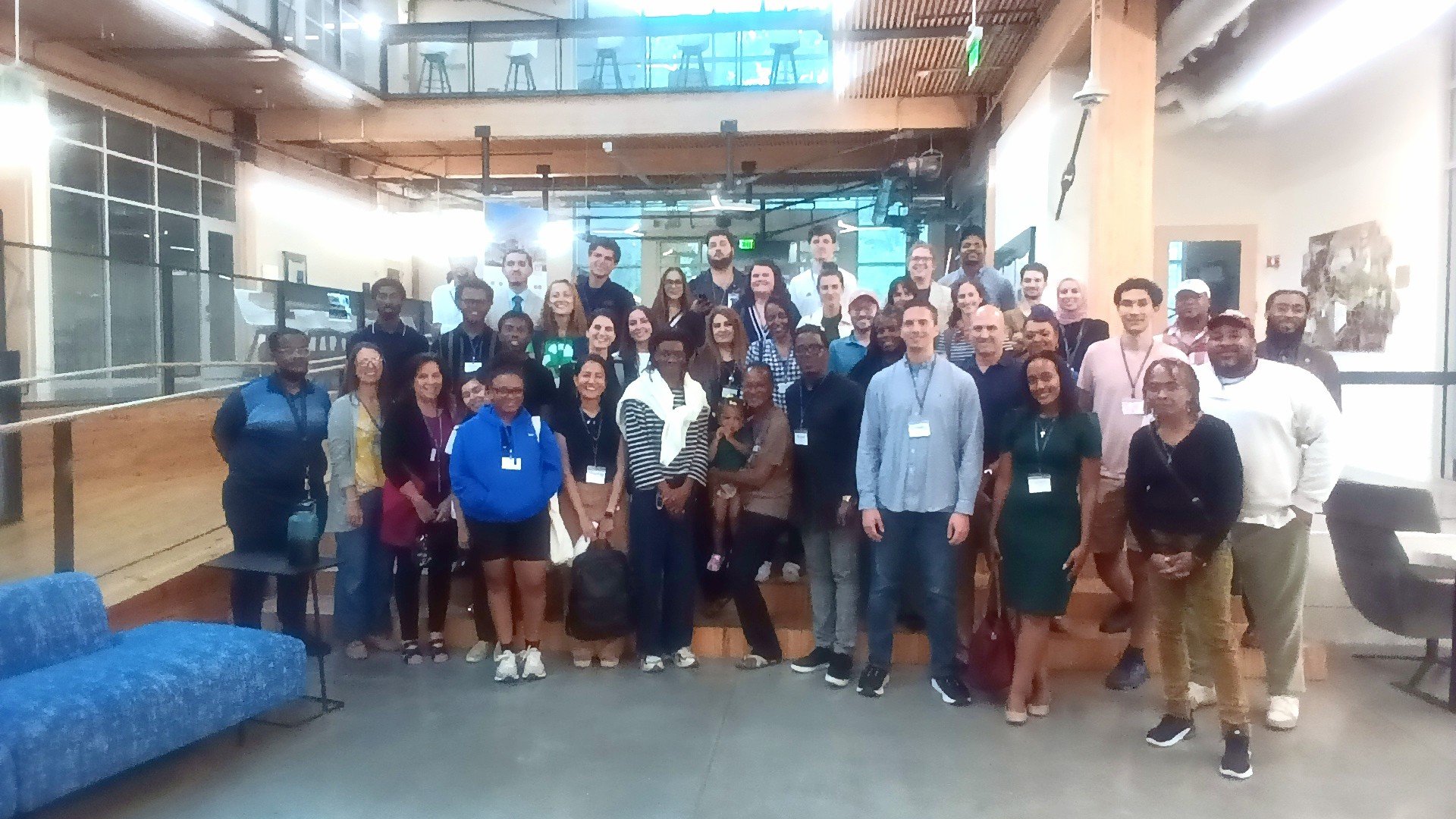
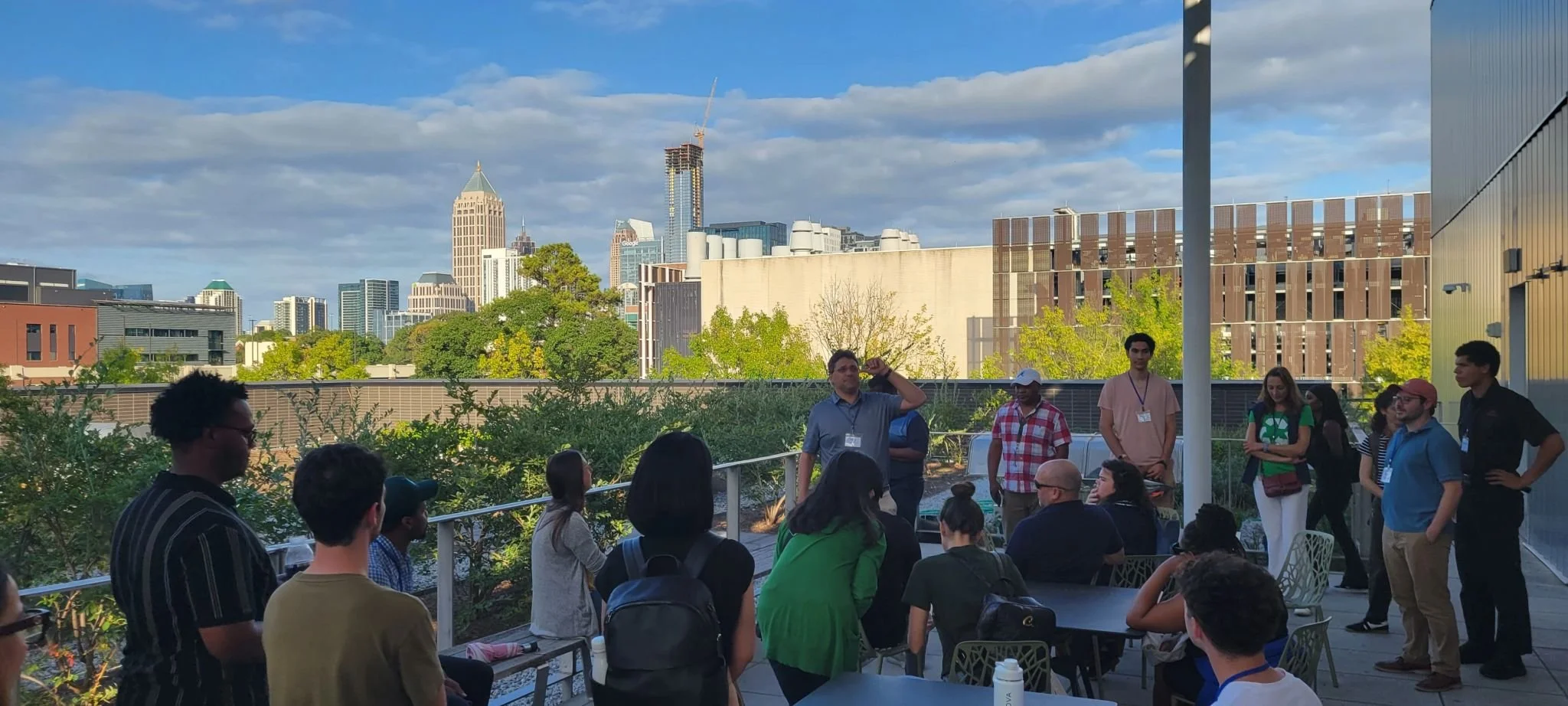
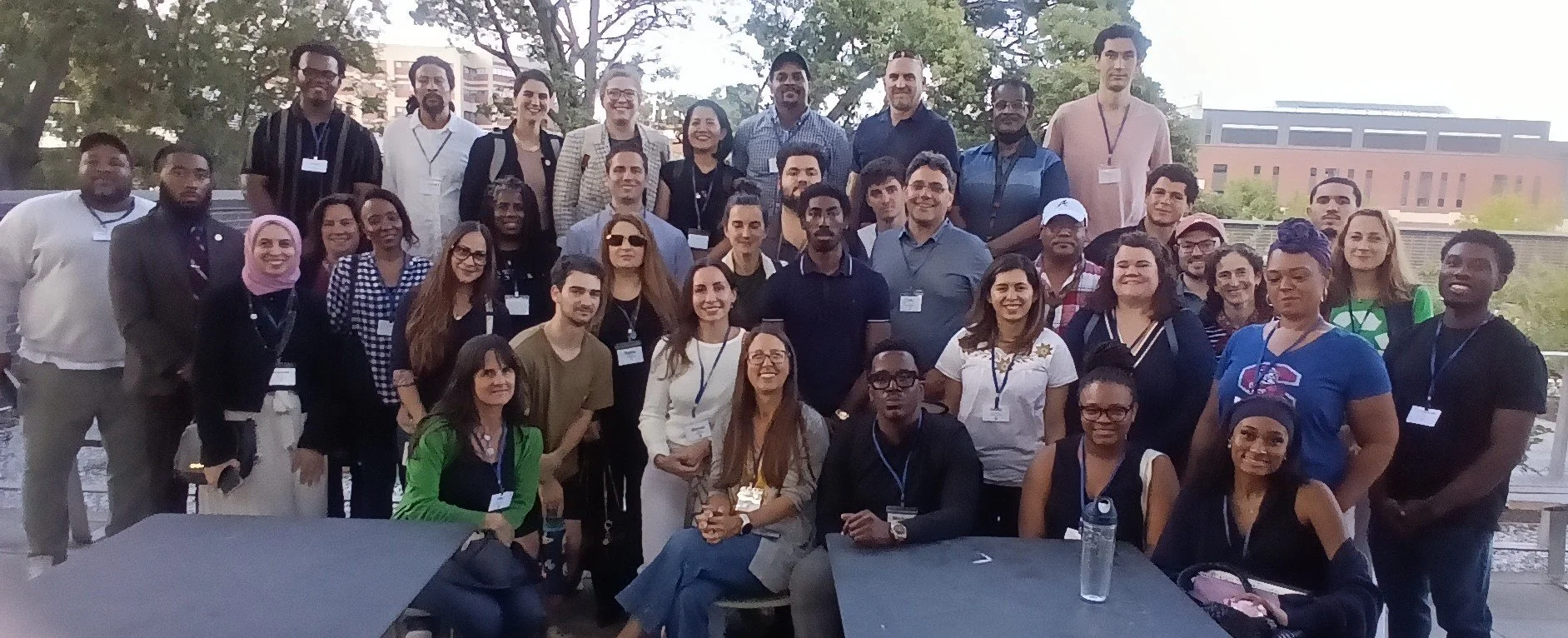
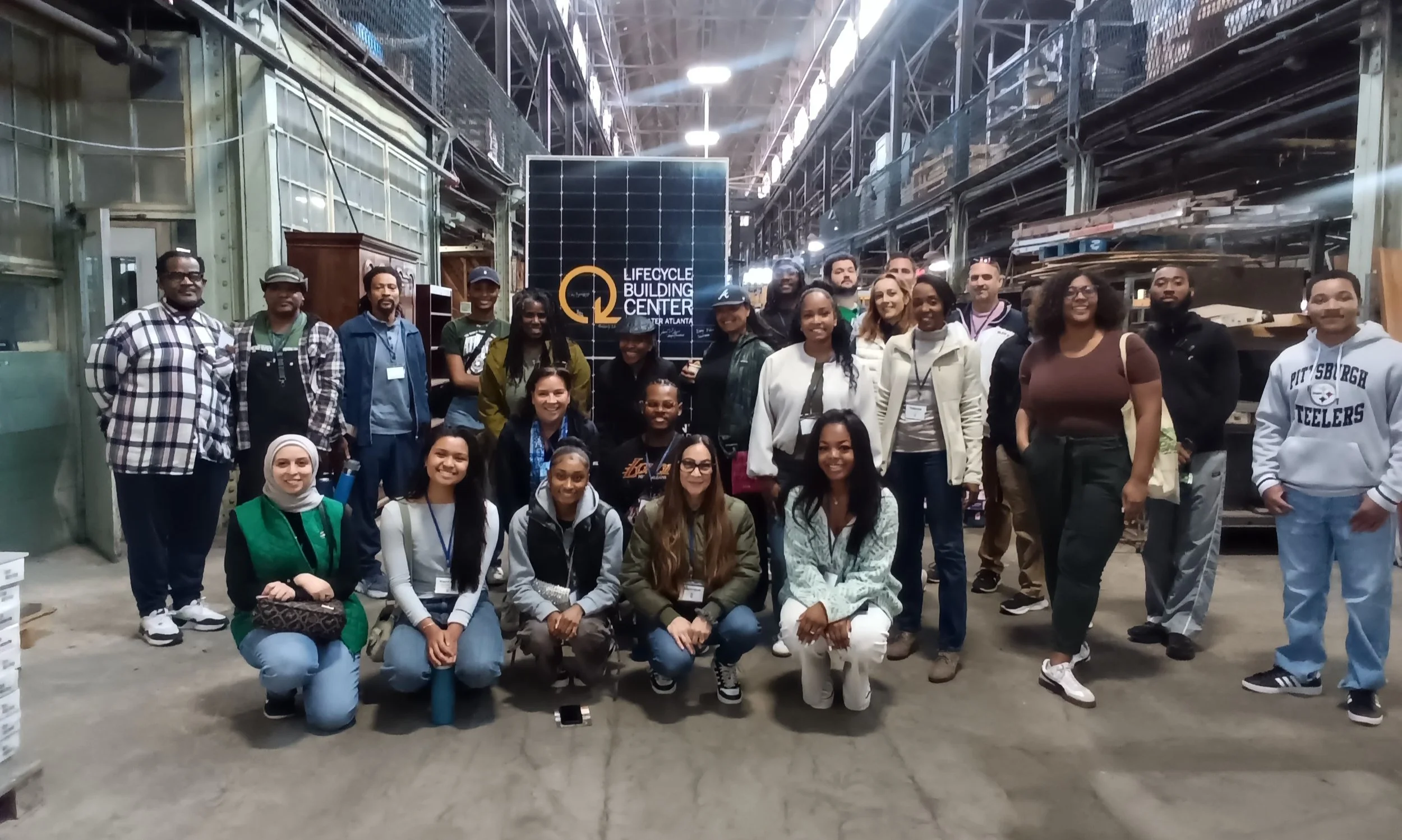
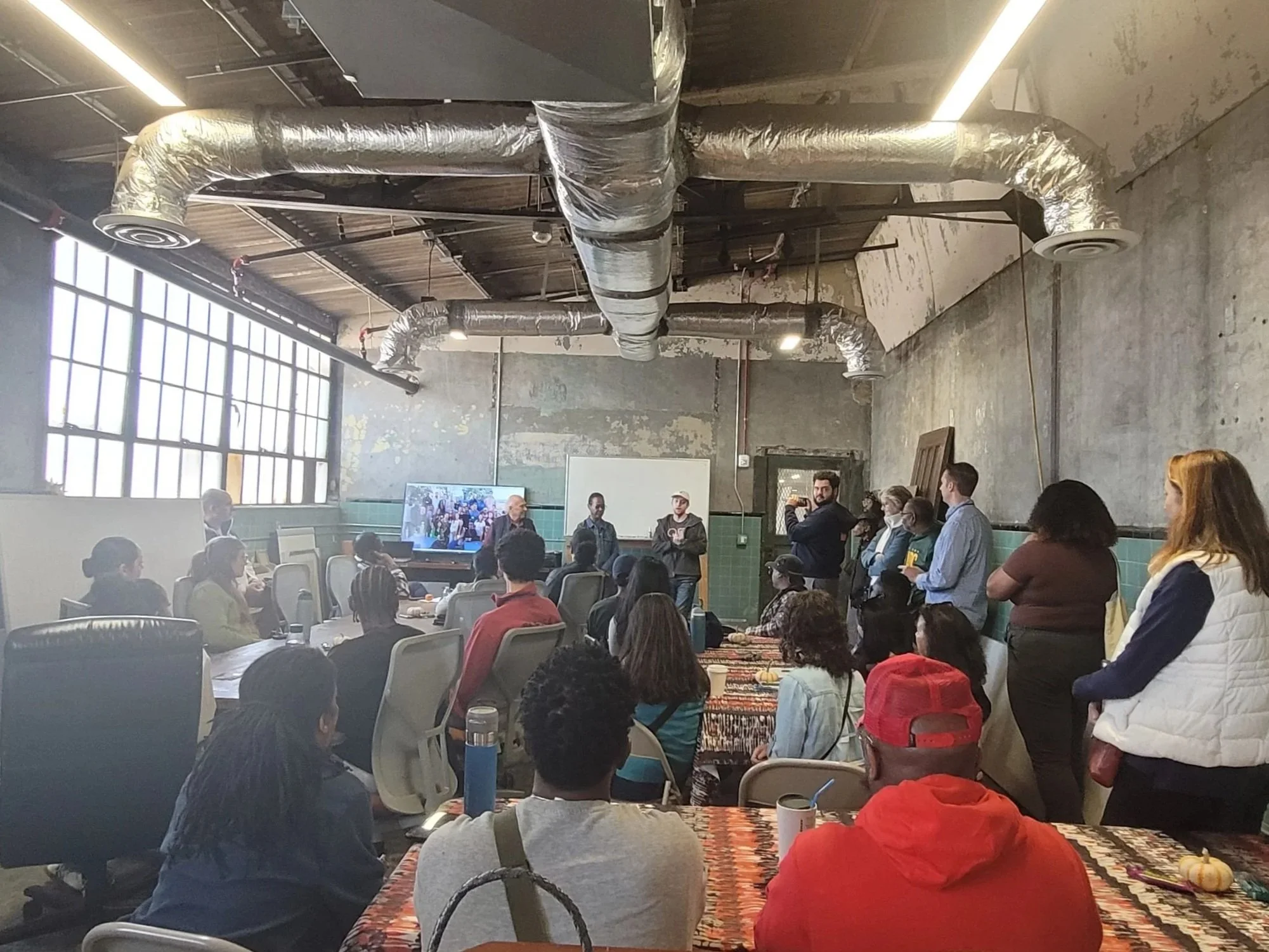
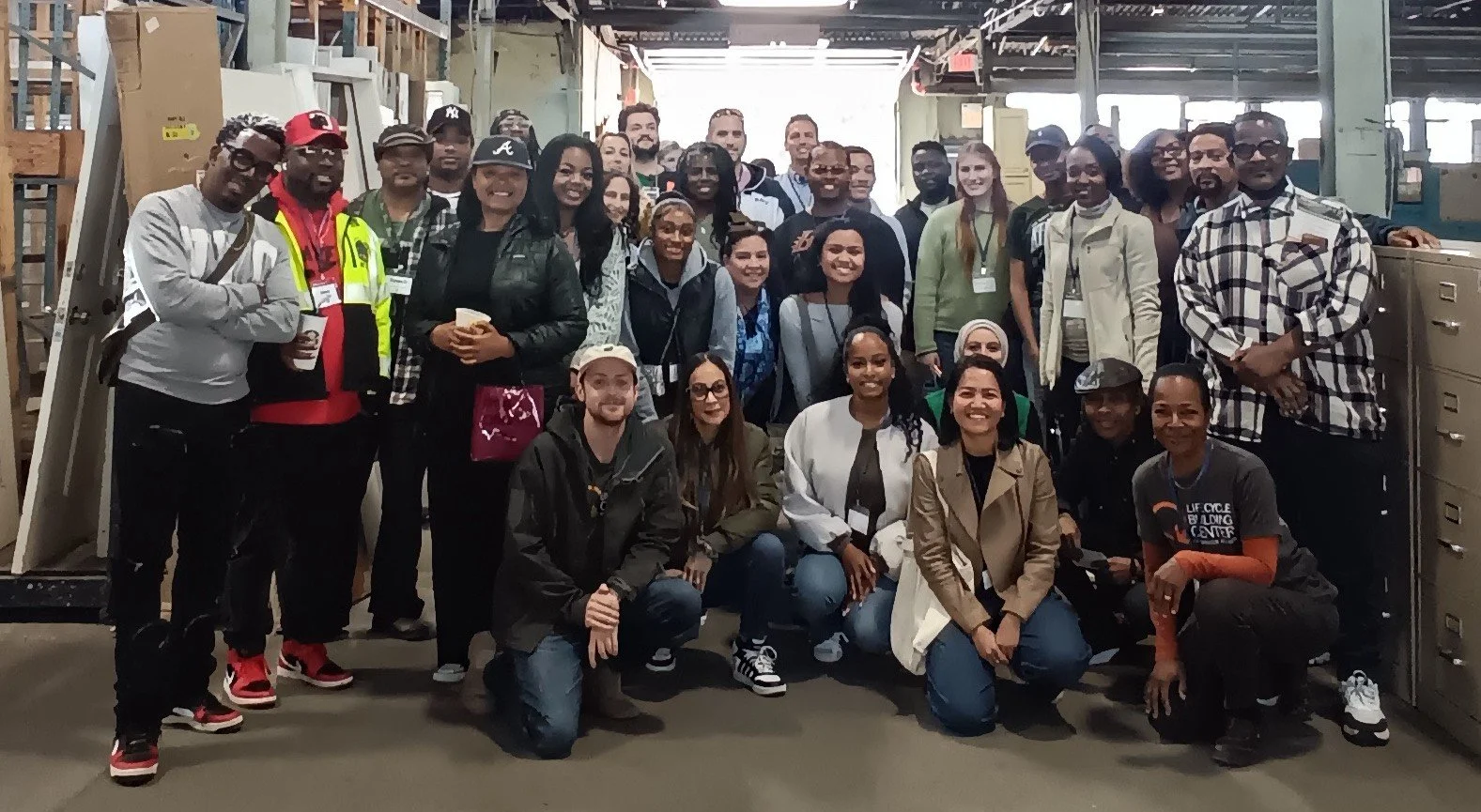


Here’s what ambassadors are saying about site visits:

“What an inspiring Saturday! I had the opportunity to join a 2-hour tour at the Lifecycle Building Center alongside my fellow Atlanta Sustainability Ambassadors. I learned so much about circularity, material reuse, and how innovative thinking can transform our built environment.”

“The behind-the-scenes tour of the Mercedes-Benz Stadium allowed me to see from a ‘20,000 feet’ viewpoint of sustainability when done intentionally on a Platinum LEED level. The answer to my question in the processing center: ‘Is there a ‘sustainability department?’ has stayed with me from that moment. ‘Sustainability isn’t a department, it’s a culture.’ That narrative inspired me to continue to change the culture in the rooms that I enter.”

“The Kendeda Building Tour was incredible because it brought together so many different aspects of sustainability, from the wood they used throughout the building to the rooftop garden. It was unimaginable to exceed the standards that the building exceeded and the impact that it has had to this day. It’s truly magnificent.”

“Exploring their zero-waste initiatives at Mercedes-Benz Stadium was eye-opening. It’s a brilliant example of systems-level thinking in action. Equally inspiring was our visit to the Urban Food Forest at Browns Mill. Children who once attended summer camps are now planting vegetables and learning which plants support health and healing. It was a vivid reminder of how long-term sustainability is deeply rooted in education, community trust, and generational engagement. Programs like this show how sustainability isn’t just about infrastructure; it’s about people, equity, and empowerment.”
Strengthening Atlanta’s Sustainability Network
Designed to understand local issues in alignment with the 17 United Nations Sustainable Development Goals (SDGs) and community action, the Atlanta Sustainability Ambassador Program explores core topics such as designing for both people and the earth, repairing broken items, supporting public health, having empathy and mutual respect, and harnessing creativity to spark long-term thinking and innovation. Related to this, aligning climate action with this global framework, the SDGs were also a core topic of discussion at the 2025 United Nations Climate Change Conference (COP30), held in Brazil in November 2025.
While some ambassadors may already be dedicated to sustainability as a core value or working in sustainability-related fields, many ambassadors are interested in exploring and learning, and everyone is welcome to apply to the program. This diverse network provides an opportunity to plant seeds for future cultivation.
Here’s what ambassadors are saying about gaining new perspectives:

“I’ve always known sustainability requires cross-sector collaboration, but witnessing it firsthand was powerful. In every discussion, whether on circularity, climate data, or environmental justice, ambassadors brought fresh perspectives and actionable ideas. The energy in the room was contagious. You could see minds opening and ideas sparking. It’s a reminder that real change happens when diverse voices come together. ”

“As someone who has had a lot of exposure to sustainability, I usually forget that the people who make the largest difference aren’t just the people who do it for work. The program helped me connect with individuals and organizations with diverse backgrounds and missions, all connected to the concept of leaving behind a world that they would want to live in. It really helped to remind me that I as an individual can and am still making a big impact, and that collective action is a fundamental part of making a difference in this space.”

Fostering Community Collaboration
Conversations between ambassadors are encouraged to build a strong foundation for future collaborations, and in the program, community-led ideas are accelerated. Michelle encourages each ambassador to “use your unique gifts and interests as we each have our own histories and skills that we can provide.”
This community-driven collaboration is highlighted in the Atlanta Sustainability Ambassador Program Capstone Project, where ambassadors are encouraged to share, implement, or act on what they have learned or are inspired by in the program. Capstone projects have explored a variety of topics, including socially-engaged art (Infinity Village Lab), transportation analysis of the I-20 corridor, STEAM education resource development, participating in a Flint River cleanup (with its hidden headwaters under the Atlanta Airport), establishing an Atlanta City Hall employee resource group for streamlining sustainability practices, and preparing supply-filled backpacks for unhoused residents of Atlanta. As part of the program, ambassadors have built their network, and in some cases, shared their expertise. For example, the founder of Vertical Activewear, a Certified B Corporation, participated in the Fall 2022 cohort and was able to cohost a discussion on sustainable fashion and manufacturing with fellow ambassadors.
Here’s how ambassadors are planning to foster community:

“I plan on using what I’ve learned to strengthen the recycling program at my church, Saint Joseph’s Catholic Church of Marietta, which is actually where I heard about the program. The Archdiocese of Atlanta, which Saint Joseph’s is a part of, is implementing Care for our Common Home, which emphasizes caring for the environment and each other. Starting off small and step by step, changing the culture and implementing sustainable practices at our church, which has more than 5,000 registered families, by recycling plastic bottles at all of our family events and eventually implementing hydrating stations to limit single plastic use, and growing from there.”

“I’m creating a workforce development program in the Central Savannah River Area near Aiken and Augusta that creates more synergy with sustainability and Regenerative AI within conservation in rural America. These areas lack some of the renewable energy/sustainability workforce development programs that would help Gen Z fill the gaps while partnering with the manufacturing industry, which impacts deforestation, water quality, and air quality. These workforce development programs are intended to recruit, train, and cultivate the future 21st-century leaders. I’m excited to continue creating more tables for future diverse superstars to shine on a global stage.”

“As a fourth-year Public Policy student at Georgia Tech, concentrating in environmental policy and minoring in sustainable cities, this program has been transformative. It’s helped me envision a career in local government sustainability and build connections with passionate climate advocates and organizations that may even shape my senior capstone project. Inspired by our visit to the Urban Food Forest at Browns Mill, I’m starting a compost system at my college house and exploring broader composting options on campus.”
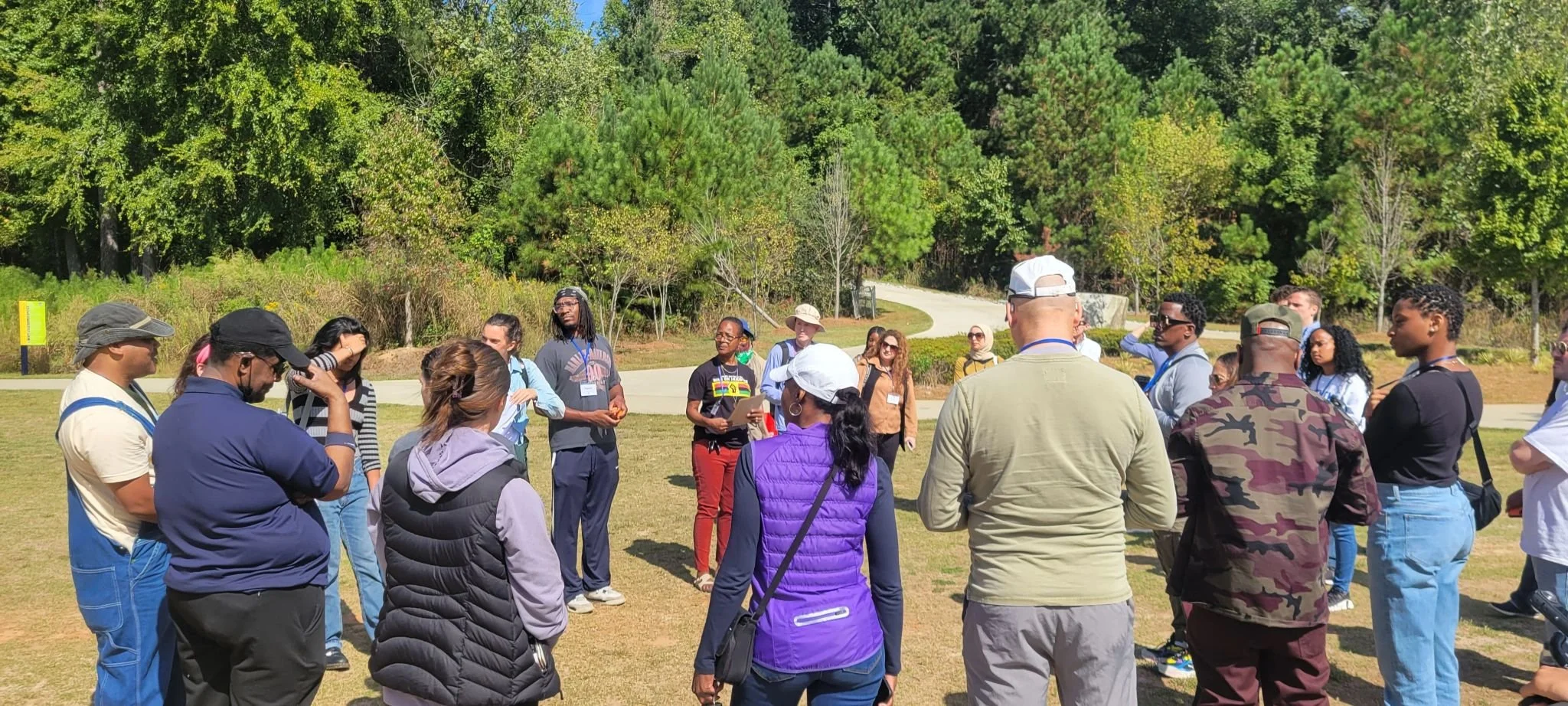
Photo: Zachary Starbuck
An Abundance of Opportunities: Sustainability Efforts Across Tech Square and Georgia Tech
There are many sustainability-related efforts across Tech Square and Georgia Tech to learn about as you wait to join a future cohort of the Atlanta Sustainability Ambassador Program, which runs in the spring and fall each year.
Located in the heart of Tech Square, the Advanced Technology Development Center (ATDC), the state of Georgia’s technology startup incubator, currently has a portfolio of 28 sustainability-related companies, in addition to numerous graduates. The ATDC Sustainability Program, led by Jennifer Singh, has supported Georgia’s emerging sustainability and climate technology startups and entrepreneurs' endeavors, ranging from the circular economy to clean energy, including companies such as VinoBarrel, which uses a sustainable wine preservation and automated pouring system. Directed by John Avery, ATDC provides long-term support for startups from the time they first go to market with their product until they scale their business. Also in Tech Square, there is the Southwire SPARK Innovation Center, which is minimizing energy loss and improving efficiency in electrical wires and cables, and Joulea, an Atlanta-based startup that modernizes and redefines energy efficiency for commercial buildings using advanced technology.
In addition to degree programs, Georgia Tech fosters a variety of sustainability efforts, such as its Office of Sustainability, SUSTAIN-X through CREATE-X with startups such as Raccoon Eyes, which is tackling the issue of food waste in dining halls using vision AI. Georgia Tech also supports the Center for Sustainability Communities Research and Education (SCoRE), Drawdown Georgia, various sustainable student organizations, the Ray C. Anderson Center for Sustainability Business, and the Scheller Sustainability Fellows and Ambassadors Program, which supports projects that address real-world challenges.
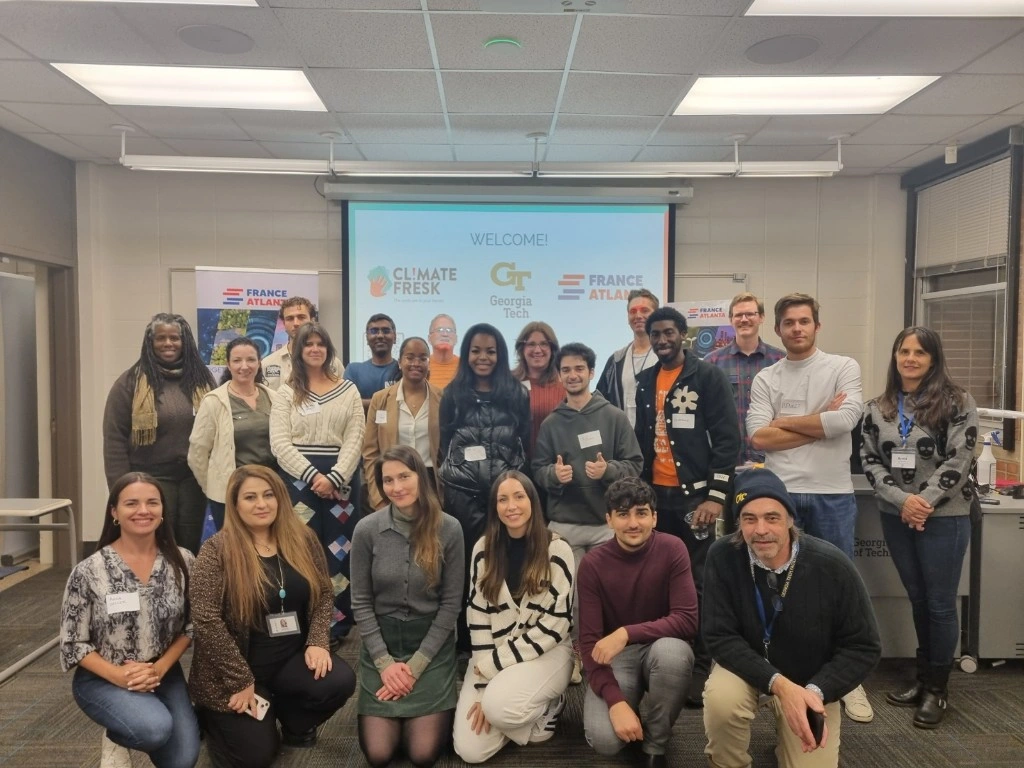
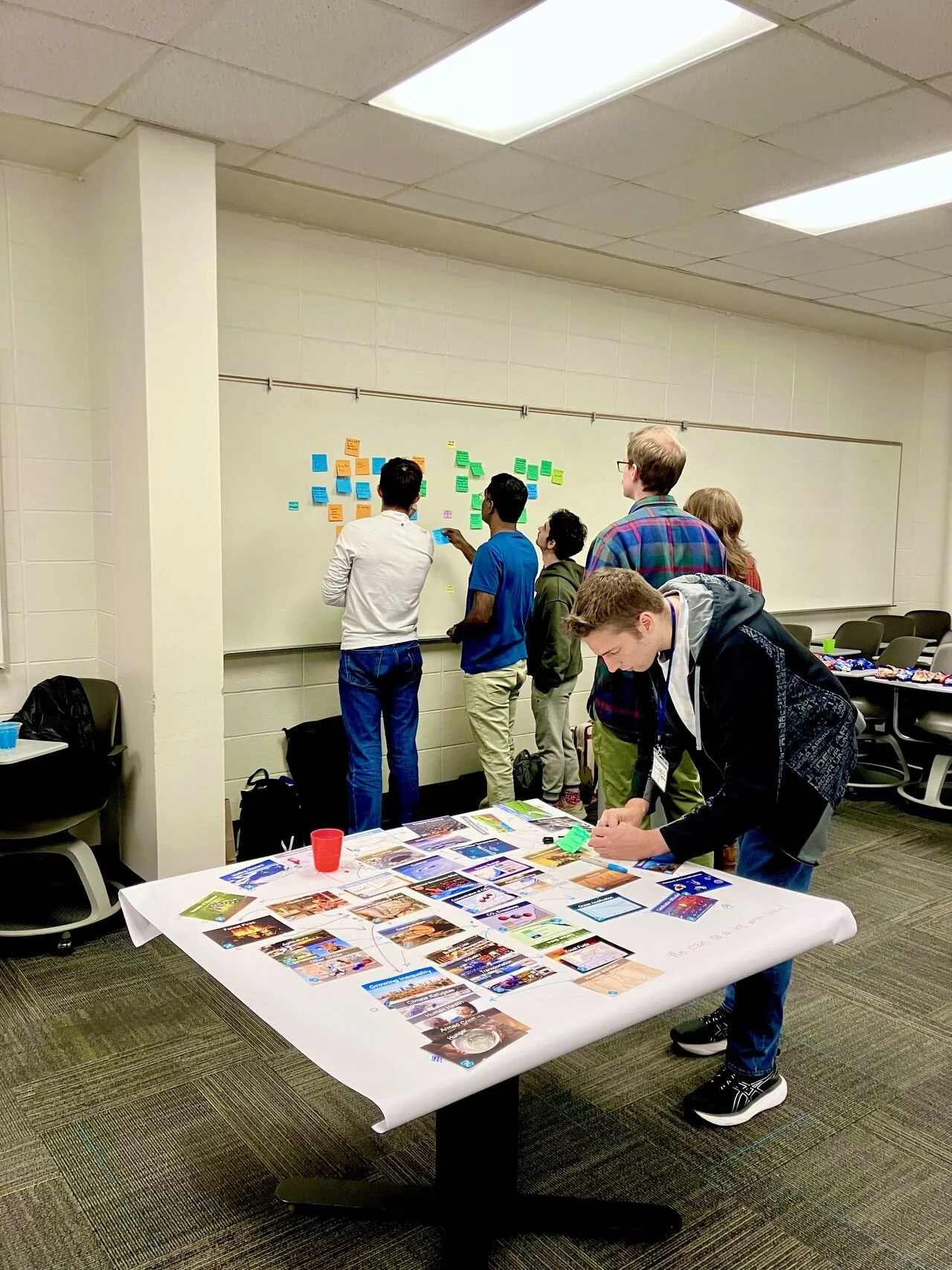
Community engagement events focused on sustainability are also held on Georgia Tech’s campus. In partnership with France-Atlanta, Georgia Tech co-hosts Climate Fresks, a card-based, facilitated group activity that allows participants to explore connections and impacts of climate change. A November 2025 workshop was attended by many of the Atlanta Sustainability Ambassadors, Georgia Tech students, and community members. This France-Atlanta and Georgia Tech event was co-facilitated by six facilitators, including Anna Zelcer, a Climate Fresk Georgia Local Ambassador and Spring 2023 Atlanta Sustainability Ambassador, who shared that the City of Atlanta program “gave me a new perspective on Atlanta, the ongoing initiatives, and the unresolved issues.”
Join an Upcoming Cohort to Take Part in the Power of Community-Led Transformation

As Atlanta continues to go through cycles of building and rebuilding, the Atlanta Sustainability Ambassador Program provides an opportunity for community members to look back at our history and to think about how we want to move forward. “All materials tell a story,” Michelle shares. To highlight this and ground discussions, she brought to each session a red brick imprinted with the fingerprints of the enslaved Black person who had made it. The brick was reclaimed during the careful deconstruction of a 1800s-era building in Savannah, Georgia. “Materials, those in our bridges and buildings, hold the energy: the blood, sweat, and tears of those who have made, moved, and built the City of Atlanta since slavery and to the convict labor of those in the prison system in places such as the Bellwood Quarry, which is now a water reservoir located in Shirley Clarke Franklin Park.” Michelle adds. For those looking to learn more about this topic and more, Michelle recommends the book ‘The Color of Law: A Forgotten History of How Our Government Segregated America’ by Richard Rothstein.
As part of moving the City of Atlanta towards a greener future, Mayor Andre Dickens took on a leadership role in 2025 with Climate Mayors, a bipartisan network of nearly 350 mayors demonstrating climate leadership. Additionally, the City of Atlanta Mayor’s Office of Sustainability & Resilience has been conducting outreach and engagement across the city to prepare the first community-led and data-driven Climate Resilience Action Plan.

Reflecting on preparing and evolving the program to meet community needs, Michelle shared, “I’m looking for ideas and suggestions about what people want to learn about so we can expand the program and continue to engage with the community.” If you are interested in joining as an ambassador partnering organization, you can fill out the Atlanta Sustainability Ambassador Program Contact Form or email coasustainabilityambassadors@gmail.com.
Through the site visits, network development, collaboration, joy, and abundance of ideas, the Atlanta Sustainability Ambassador Program could accelerate your next sustainability project, research, innovation, or startup idea. Ensuring that Atlanta is always rising and will continue to grow to support all residents' wellness, health, opportunities, and environment is top of mind for ambassadors.
For those who are thinking about participating, here’s what ambassadors are saying:

“Sign up! It’s been a great opportunity to learn more about what’s being implemented throughout the city and apply it in your own backyard. The networking piece has been great too, seeing all kinds of experiences and different sectors brought together, all to better our planet via sustainability practices! ”

“This program is a rare gem: free, inclusive, and deeply educational. The cohort spans students, professionals, seasoned sustainability experts, and curious newcomers. Whether you’re just starting out or looking to deepen your impact, you’ll find inspiration, community, and practical tools. You truly have nothing to lose and everything to gain.”

“This program has been a very informative experience as I have been given the opportunity to meet a lot of great people and get to learn about the different aspects of sustainability. The ambassador program is hosted twice a year, and I encourage others to participate in it if they are interested in sustainability and want to help make a difference.”

“All the topics and activities are beginner-friendly, and the program helps to connect with other like-minded people who are also very interested in sustainability. The lessons learned are really helpful to connect individuals to sustainability at the local level, as most people forget that there are many ways to be involved other than at just the national or international level.”
City Hall Council Meeting on November 17, 2025, with a proclamation shared by Atlanta City Council President, Doug Shipman, to the City of Atlanta’s Sustainability Ambassador Program and the city’s 500th ambassador. Photo: Michelle Wiseman