
Exploring Interactive Tech for Affordable and Inclusive Music Education
What if music education got a makeover? Focusing less on rigid rules and traditional notations, and more on visual expression and personal interpretation of sounds.
Through Georgia Tech’s Institute of People and Technology (IPaT), Ph.D. student researcher Moeiini Reilly and composer Nicole Brancato are reimagining the future of music education. Their goal is to make music education more affordable and equitable by using low-cost, interactive technology.
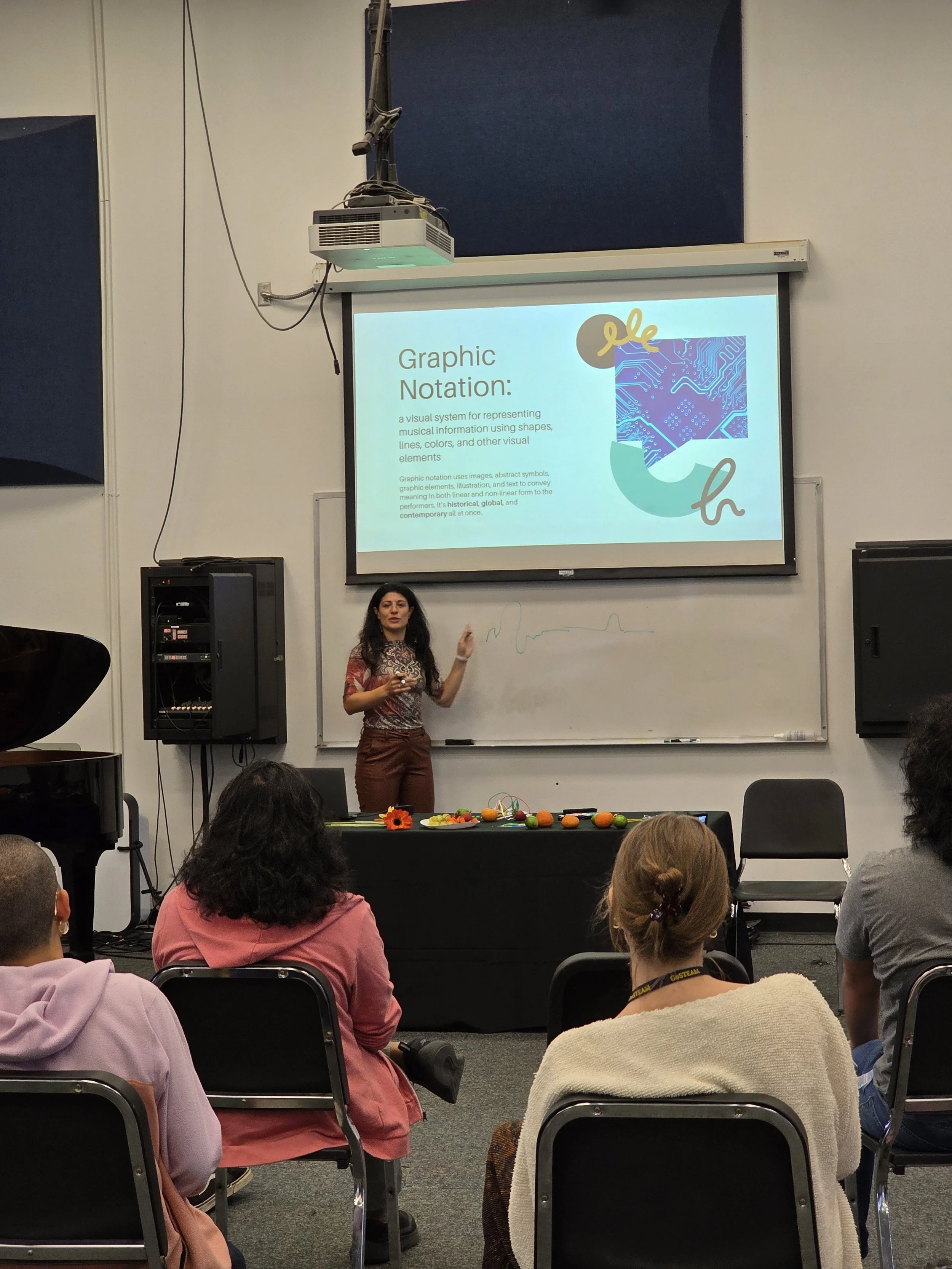
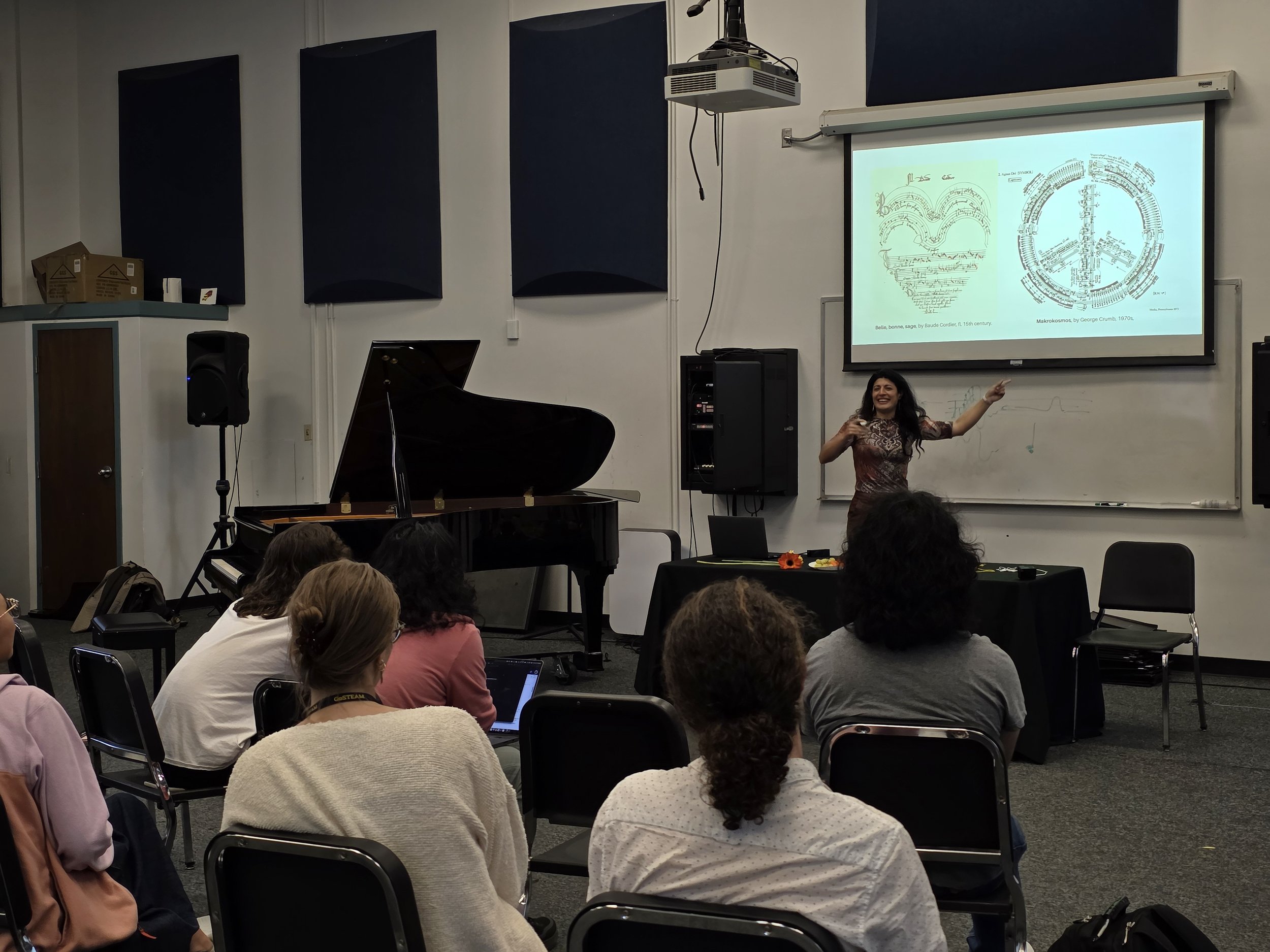
At the Ka Moamoa Lab inside the Tech Square Research Building (TSRB), Reilly and Brancato are rethinking traditional K-12 Music Education. The two are developing low-cost interactive tools that empower students to interpret and compose music freely. They use touch-based musical instruments, digital interface (MIDI) devices, and graphic notation (i.e., drawing, scribbling, writing, etc.) to give people of all backgrounds access to music education and creation.
“Growing up in a Samoan-Hawaiian household meant music was an integral part of life. From church to the jams at family gatherings, it always felt like music was uniquely embedded into our way of life. I wanted to find a way to represent that in STEAM education,” Reilly says.
The researchers’ workshop combines art and tangible computing technology to create culturally relevant, low-cost STEAM (science, technology, engineering, arts, and mathematics) learning environments. The study titled "Expressing Sound Visually: Lessons from a Workshop on Graphic Notation and Iterative Musical Interpretation" combines technology with visual and sonic expressions to give learners a sense of authorship and identity during the workshop.
Obstacles Within Traditional Music Education:
Traditional music education often excludes students from low-income and underrepresented communities because instruments and private lessons are expensive. Typical music lessons may also focus on teaching Western-standard music notation.
“We wanted to explore a low-cost solution that reorients the idea of musical instrumentation and instruction,” Reilly explains. Conventional music curriculum often stifles personal expression, especially for those without formal training. This research seeks to fill those gaps and deliver innovative, inclusive solutions.
“I’ve long been drawn to the idea that everyone has the capacity to create,” Brancato says. Within their research, Reilly and Brancato encourage their pupils of all ages and backgrounds to express themselves artistically.
The Technology and Methods Behind the Workshop:
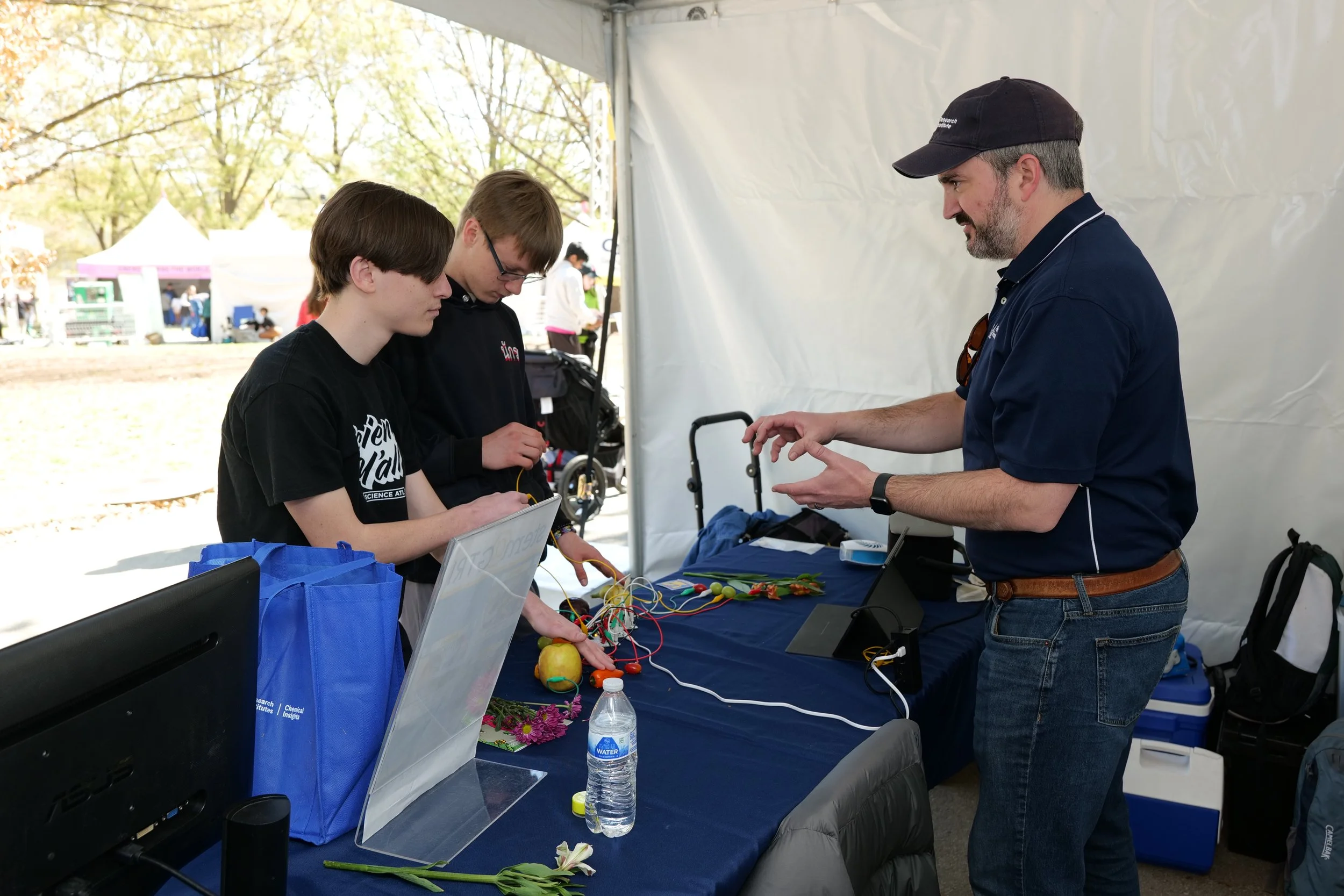
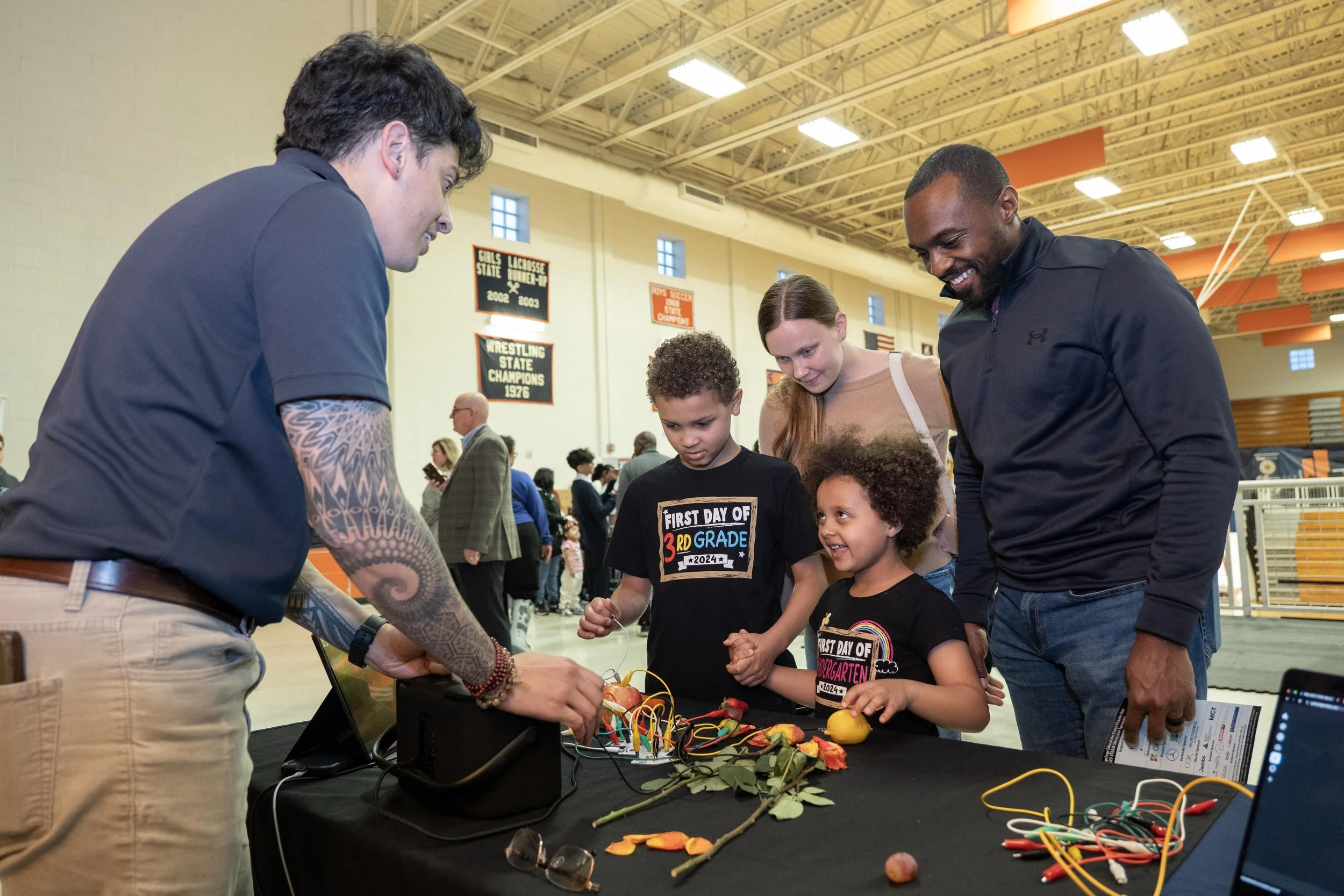
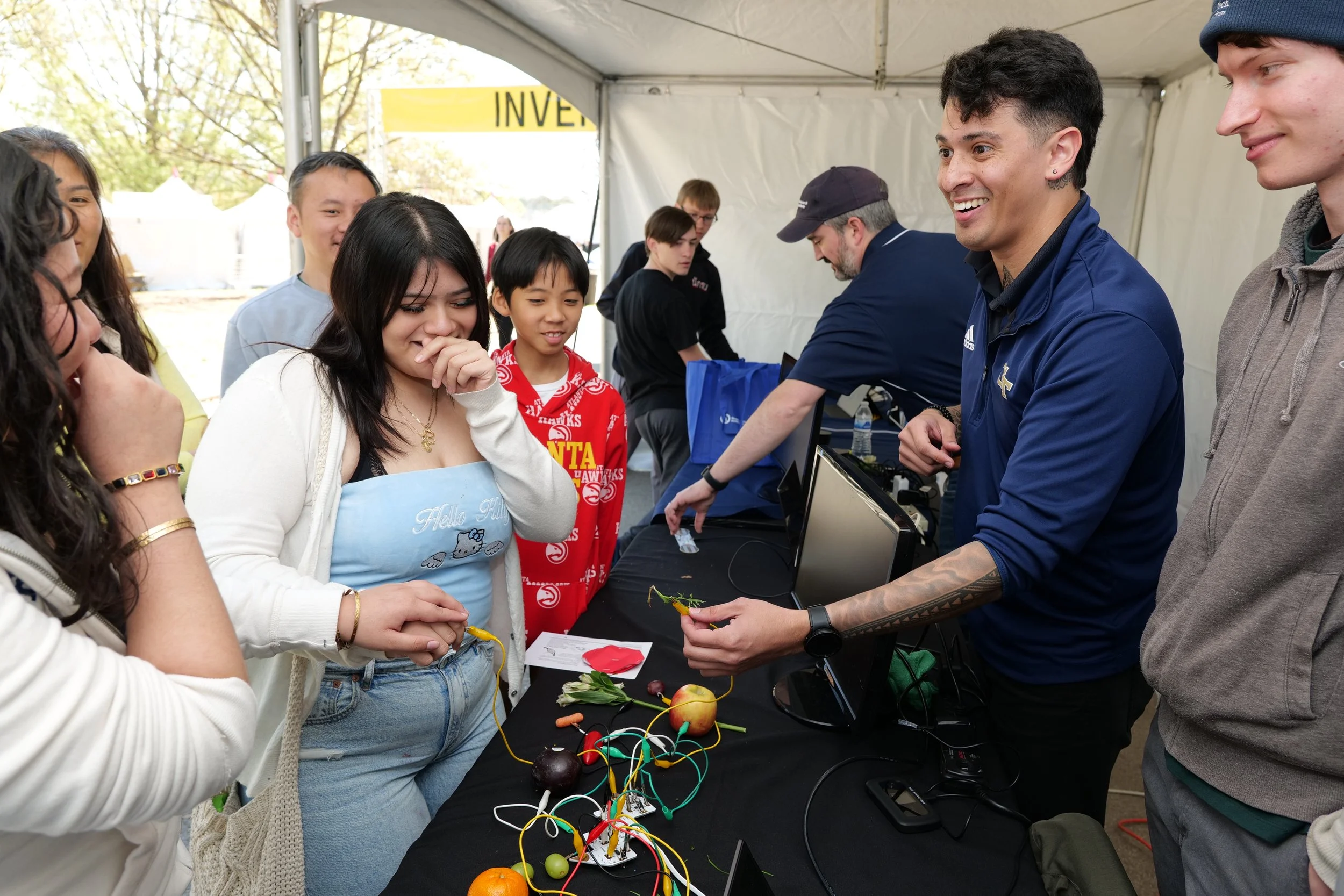
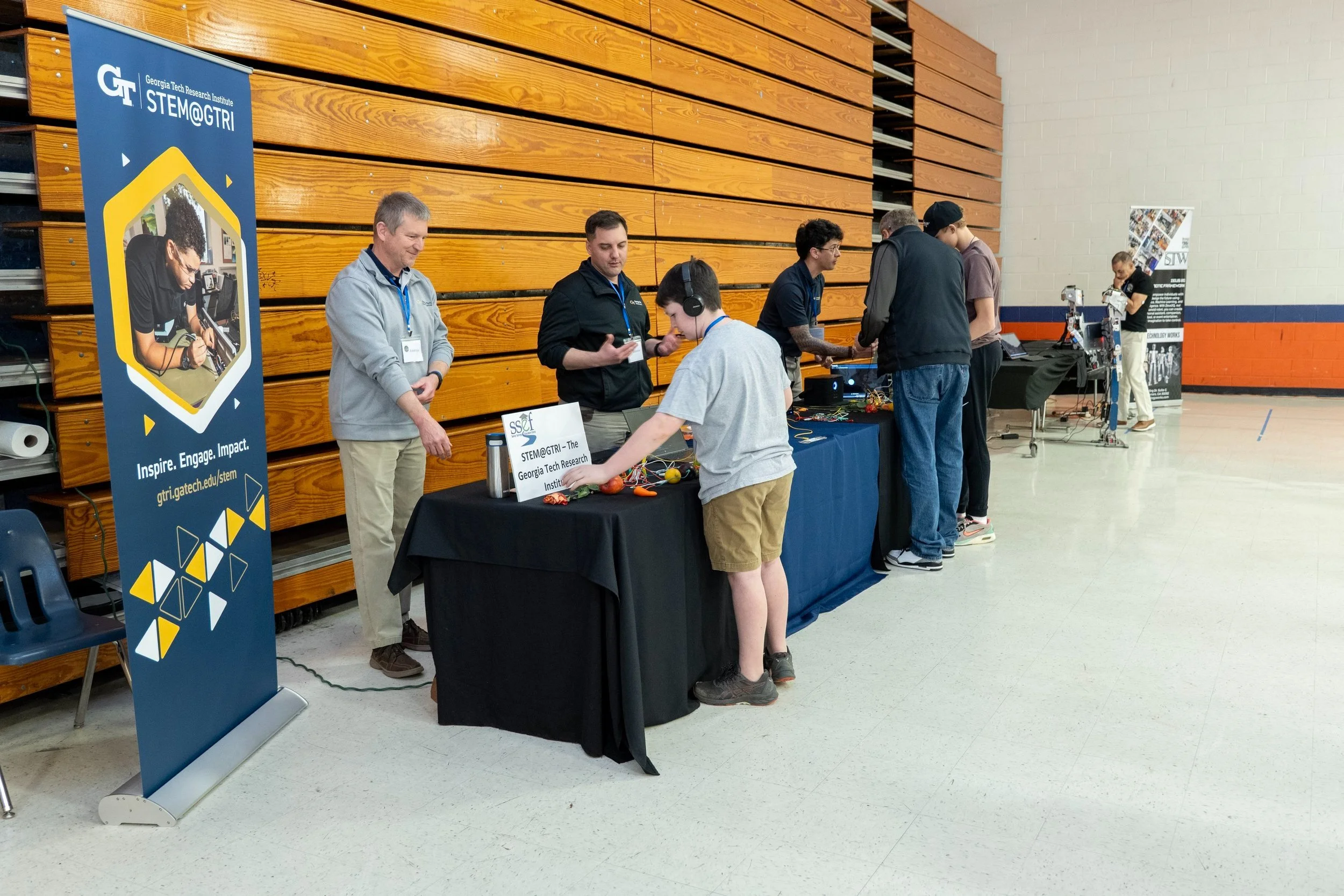
The tools driving this new curriculum include the Playtron, a touch-sensitive MIDI controller that turns inanimate objects such as bananas, aluminum foil, or even water into musical instruments. Participants use graphic notation to “draw” music using shapes, colors, and lines instead of traditional notes. Researchers provide prompts, such as “What does the color blue sound like?” or “What sound would your childhood toy make?” Such tools encourage musical creativity, collaboration, and interpretation over technical expertise.
During a 90–120-minute session, participants explore the Playtron and learn about graphic notation. They complete tasks that involve listening to and notating musical excerpts, then expressing their interpretations both visually and verbally.
Participants then revisit the same excerpt and create revised or entirely new graphic notations, reflecting any changes in their interpretation. Then they explain their thought process for both rounds and share their insights with their peers.
“I was taken by how powerfully people responded to our workshops: Even participants with no musical background expressed themselves in deeply nuanced ways, especially through graphic notation,” Brancato says.
In the study’s final phase, participants form peer groups and collaborate to create a single graphic score on a large canvas, either as a collective interpretation or as a totally new composition inspired by the original excerpt. Each group presents its final score, discussing their creative decisions and the reasoning behind them. Afterward, participants complete a reflective survey with open-ended questions about their creative identity and perceptions of authenticity.
“One of my favorite findings in our pre-surveys of workshop participants was that every single person, whether they had musical backgrounds or not, identified as being playful. They may not have identified as being artists, or having strong inner voices, or even being confident in sharing their ideas, but they knew at their core that they were playful. I think that is also what inspires me to pursue research that bridges community and identity,” Reilly notes.
The Study’s Various Impacts on Students:
The study’s results reveal diverse outcomes. Non-musicians and engineers initially defaulted to straight lines in their drafts. Over time, however, nearly all participants began creating more expressive, metaphor-rich representations. Trained musicians struggled initially to let go of traditional music notation, such as staff, notes, time signatures, and clefs, but ultimately found the process liberating.
Across the board, participants reported feeling validated in their unique interpretations of the same melody. The activities’ visual and tactile nature helped bridge gaps in skill level and experience.
Brancato and Reilly’s research is not only about music composition — it is also about access. By centering creative equity and agency, their project supports music education for K–12 students of all financial backgrounds. Core philosophy also holds potential for teaching broader creative and interpretive skills. Most importantly, it offers a replicable model for integrating low-cost, interdisciplinary technology into informal K–12 learning environments.
Reilly and Brancato’s future plans for this project include expanding the program into classrooms, reaching wider demographics, and developing a long-term curriculum that would teach children this new style of music education over the course of a school year. The researchers’ efforts may inspire other future research in Artificial Intelligence-assisted notation or culturally specific approaches to music-making. By turning every learner into a composer, coder, and creative, this technology helps close opportunity gaps in underfunded educational spaces.