
Servicing Robotics to Classrooms and the MCU
Marvel fans might have seen Zeus Q2 and Astro, his loyal puppy, glide across the set of the new series Ironheart on Disney+. No remote, no keyboard, just voices commanding every move. Consumers and audiences were stunned, but how did a modest robotics start-up take its product from the classroom to the Marvel Cinematic Universe?
Luis Guzman’s multi-disciplinary roots in electronic, mechanical, and computer engineering led him to develop System Technology Works, a robotics start-up specializing in the design and development of humanoid robots. Guzman’s motivation for building a humanoid robot originated from his expertise in electronic and mechanical engineering and computer programming. His background scored him a spot on the TBS reality TV show America’s Greatest Makers Version Two in 2016. “I was all signed up two weeks before the show was about to start recording in California, but it got cancelled,” he said. Left to his own devices and with a prototype showing potential, Guzman had the right ingredients to launch a robotics start-up that would make it to the big screen.
“I had patented the robot before I was going to go on the show,” Guzman explained. The process was lengthy and costly, amounting to around $14,000, with a wait time of four years. Guzman’s journey started in 2016 with the development of his prototype for the reality show, and the patent came to fruition in 2020. Throughout that time, Guzman kept himself busy, working on improving his designs and investing all the money he could into System Technology Works. A month after Guzman launched his LLC in 2020, the COVID-19 outbreak struck. However, that obstacle did not hinder him from pursuing his passion. Guzman took his time and continued to develop his prototypes to their fullest potential.
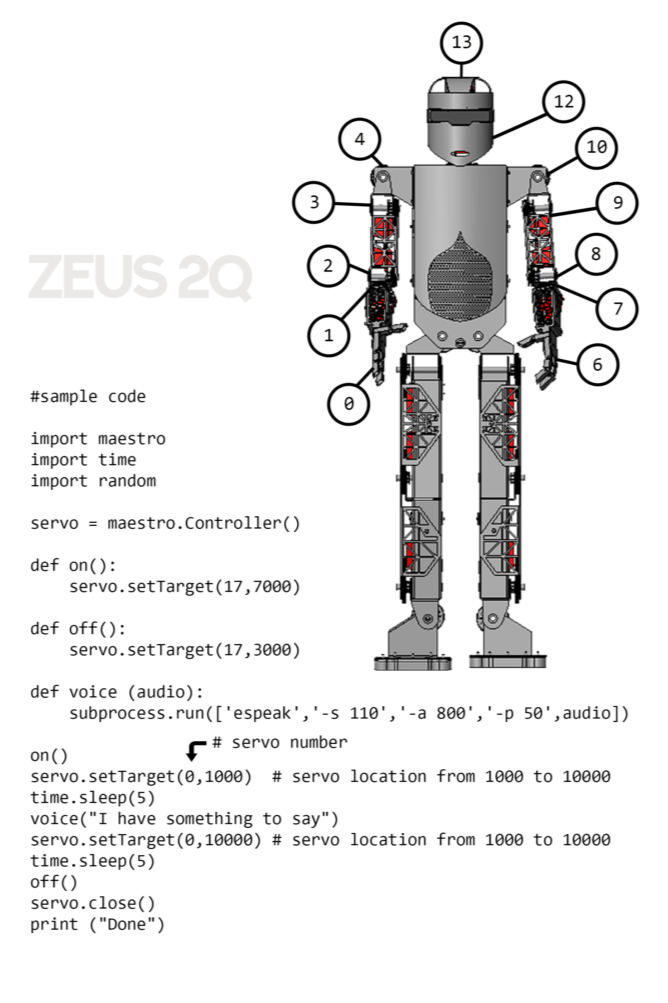
System Technology Works’ main robot, Zeus 2Q, and his friends (other humanoid/biomimetic robot variations) are unique because Guzman prides himself in “using off-the-shelf electronics.” The product is a combination of engineering, the shell, the assembly, and the design of the controller board. “The controller board is the only thing custom-made,” Guzman cites. Guzman made this design choice on purpose. This design choice was for the benefit of the consumers. Guzman wanted to make sure that the parts of his robot that might be prone to damage were accessible online or at a local hardware store.
Zeus 2Q and friends possess an open-source Python framework, modular hardware, and local AI processing. These aspects give the droid outstanding abilities such as facial recognition, voice commands, and object detection via Large Language Model Meta AI (LlaMA).
A crucial aspect of the composition of Guzman’s bots is their flexibility in software digestion. “All the software is open source Python libraries.” Guzman explains. LlaMA is a key component of the design of the droids. “Everything is run locally, for security purposes, and for control purposes,” Guzman emphasizes. The intention for this localization is for the user to feel like they are making their own character with their products. “You can modify [the robot] to speak to you in certain ways and respond to you in certain ways,” said Guzman.
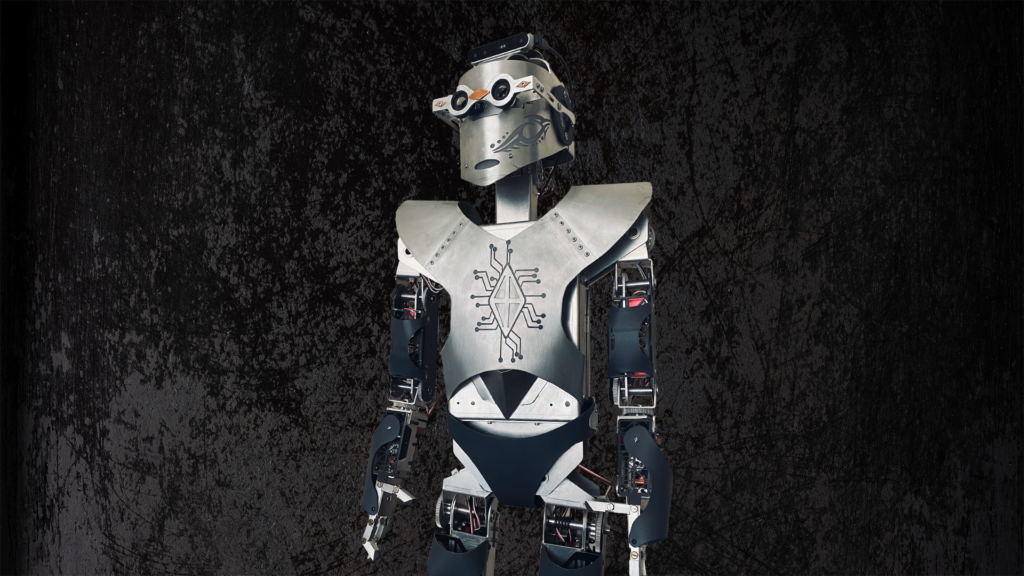
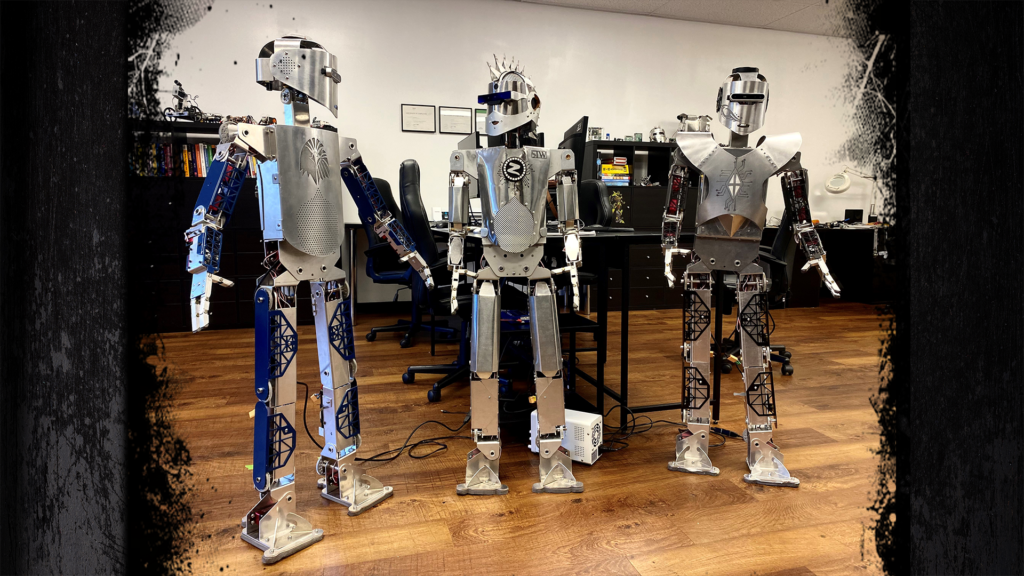
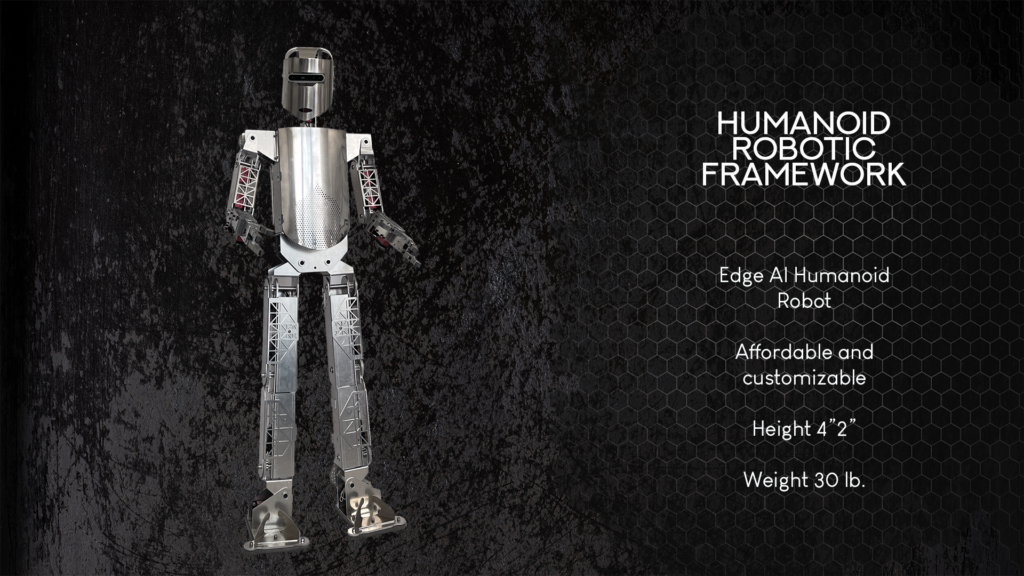
The robots from System Technology Works also use open-source software and technologies to run all the special capabilities that come with the product. “I’m running YOLO Libraries, which is open source to detect objects using LlaMA AI,” Guzman describes. Guzman also explains that the consumer can customize which AI platform they want to run on the robot. This specifies the bot for fulfilling any specific duties that the consumer may need.
System Technology Works has also sold robots to schools for educational purposes. Guzman said the robots sold to Lamar University in Beaumont Texas are using, “a Linux version of the robot.” The Linux version specializes in research. This kind of flexibility makes his products stand out amongst the competition.
Guzman’s Startup also prides itself on its mission to use its robotic products to improve education. Specifically, education for students in 6th-grade classrooms through college. Guzman has mentioned how programming the robot itself has helped teach students to code.
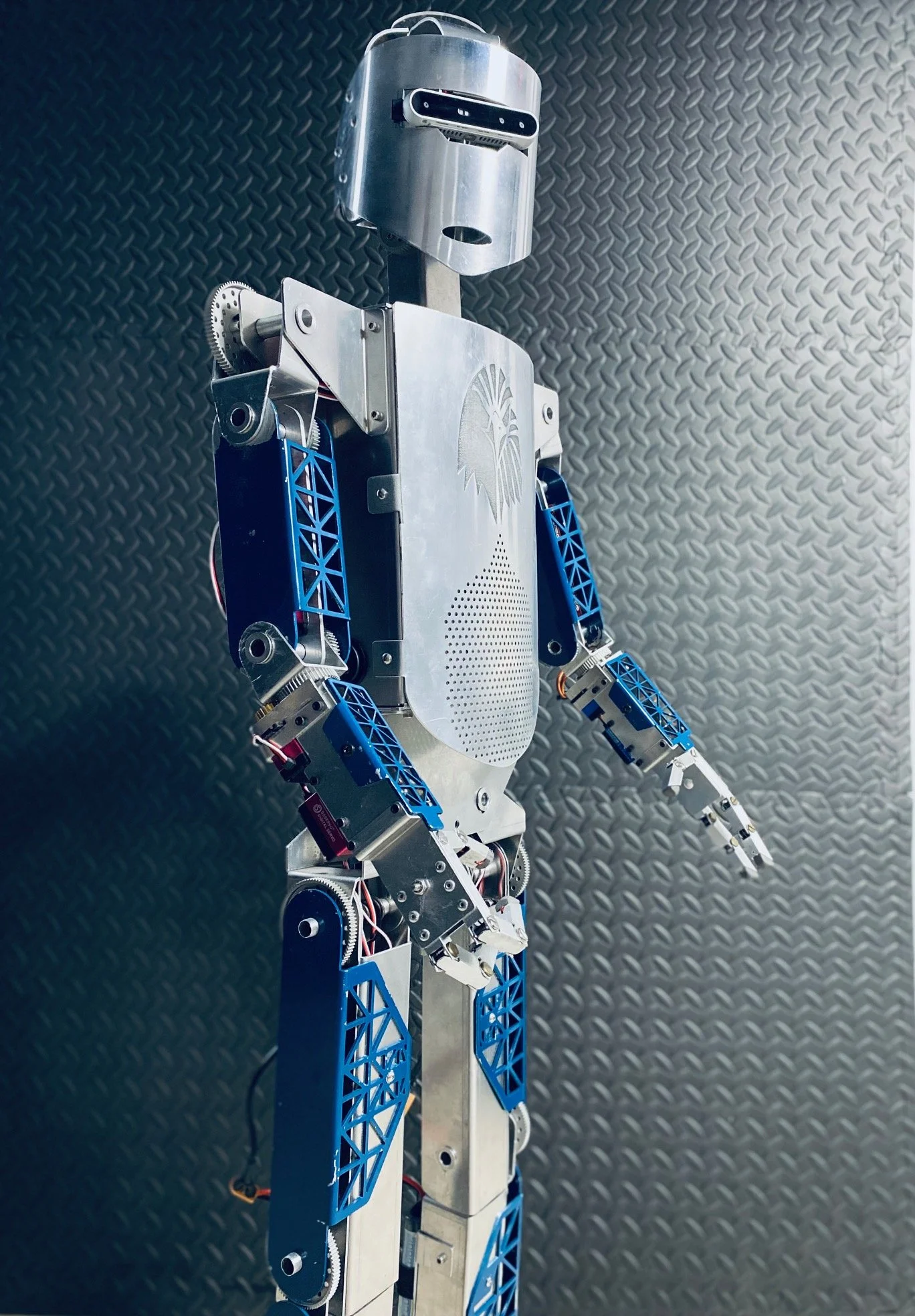
The company has already instigated real-world deployment of its robots for classrooms in Atlanta’s Fulton County School District and at Lamar University in Texas. System Technology Works specializes in ease of use. They ensure minimal troubleshooting, and no specialized skills are required to run their robotics. This user ease is what makes the products so impactful for students in classroom settings.
Guzman, however, doesn’t want the purpose of the robot to get twisted. He is set on having his product help educate students. Guzman presents a founder’s guiding approach, “Teach first. Automate later.” To avoid over-automation, Zeus 2Q was designed to facilitate educational learning, not replace it. Modularity allows for personalization, custom characters, and engaging interaction, encouraging users to learn from the robot, rather than relying solely on it.
System Technology Works’ product in action is also run by student innovation. The startup sponsors internship programs for high school seniors in Georgia. For the past two and a half years, System Technology Works has housed six interns to help with development. “I would like the robot to be able to track this face or play rock, paper, scissors,” Guzman says, and so he assigns his interns to help actualize these ideas.
Highlighted student projects include programming the droids to play rock, paper, scissors, providing water-bottle service, voice emails, and producing calendar assistant tasks. This program emphasizes bottom-up testing and allows young minds to put their creativity to the test.
For the future, System Technology Works hints at a new personal AI assistant for the household. This could be useful for domestic tasks, as well as for security purposes. So far, their arc has evolved from a hobbyist’s dream to a helpful classroom assistant come true. System Technology Works will continue to grow and reiterate its mission to democratize robotics education and empower students to pursue robotics and programming as educational pathways to develop their professional skills, whether in the classroom, on the big screen, or beyond.