
GlucoSense Launches AI Blood Sugar Companion Providing Personalized Insights for Diabetes Care & Education
In the United States, people with diabetes often face a healthcare system that leaves them underserved. Most rely on primary care doctors rather than endocrinologists, meaning they may not receive the specialized guidance required to manage day-to-day blood sugar fluctuations. Continuous support is limited, and many patients navigate complex glucose patterns largely on their own.
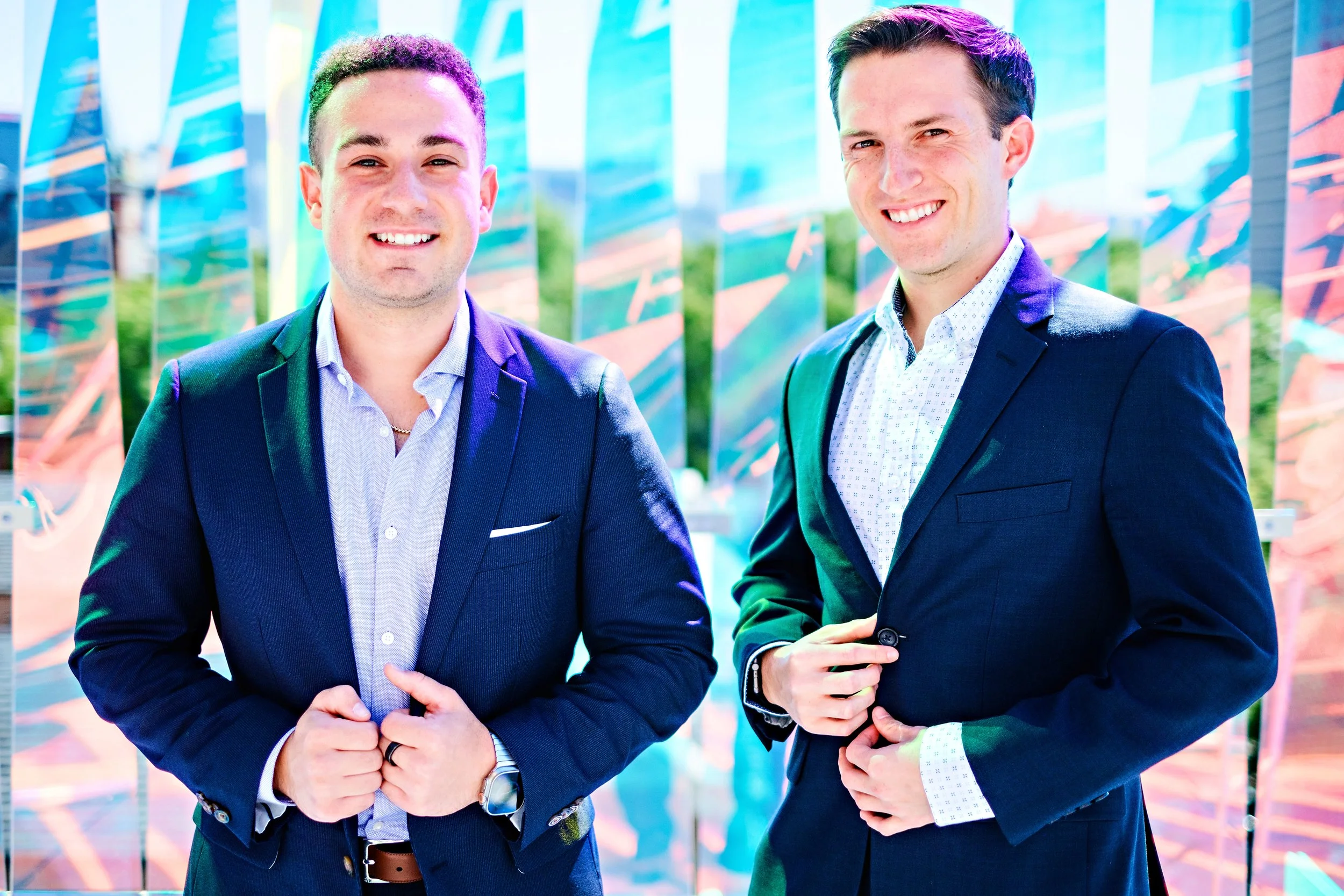
GlucoSense cofounders Jonathan Fitch (L) and Cole Chalhub (R)
GlucoSense, a digital health startup born out of research at Georgia Tech and based in Tech Square, aims to address this gap. In August 2025, the company introduced the GlucoSense Companion, an AI-driven feature within its app that converts continuous glucose monitor (CGM) data into personalized, real-time insights. The release, part of Version 2.0 of the app, reflects GlucoSense’s focus on patient-centered care and the use of artificial intelligence to help people better understand and manage their diabetes.
The company’s founding story is personal. Co-founder Jonathan Fitch experienced a stress-induced hypoglycemic seizure in college, highlighting how reactive and isolating traditional diabetes management could be. “I realized how reactive and isolating diabetes care had become,” Fitch said, explaining the motivation behind GlucoSense. Together with co-founder Cole Chalhub, he set out to create a system that would provide guidance and understanding, not just data.
Read last year’s feature on GlucoSense here.
The GlucoSense Companion builds on the company’s broader platform, which is already available on iOS, Android, and the web. The Companion functions as a virtual coach, analyzing blood sugar trends and linking them to daily habits, including sleep, nutrition, exercise, and stress. It utilizes machine learning and the proprietary GlucoScore™ algorithm to detect behavioral patterns that impact glucose variability and establish a personalized 30-day baseline for each user. Insights are connected to educational resources, translating complex data into practical, actionable guidance.
“We built the GlucoSense Companion to go beyond numbers. It’s about translating data into understanding that empowers people to take control of their health,” Chalhub said. “Diabetes doesn’t come with a manual, so we built a system that helps people decode the mystery on their own.” By integrating with widely used CGMs, including through a partnership with Dexcom, the app provides this support without requiring additional hardware.
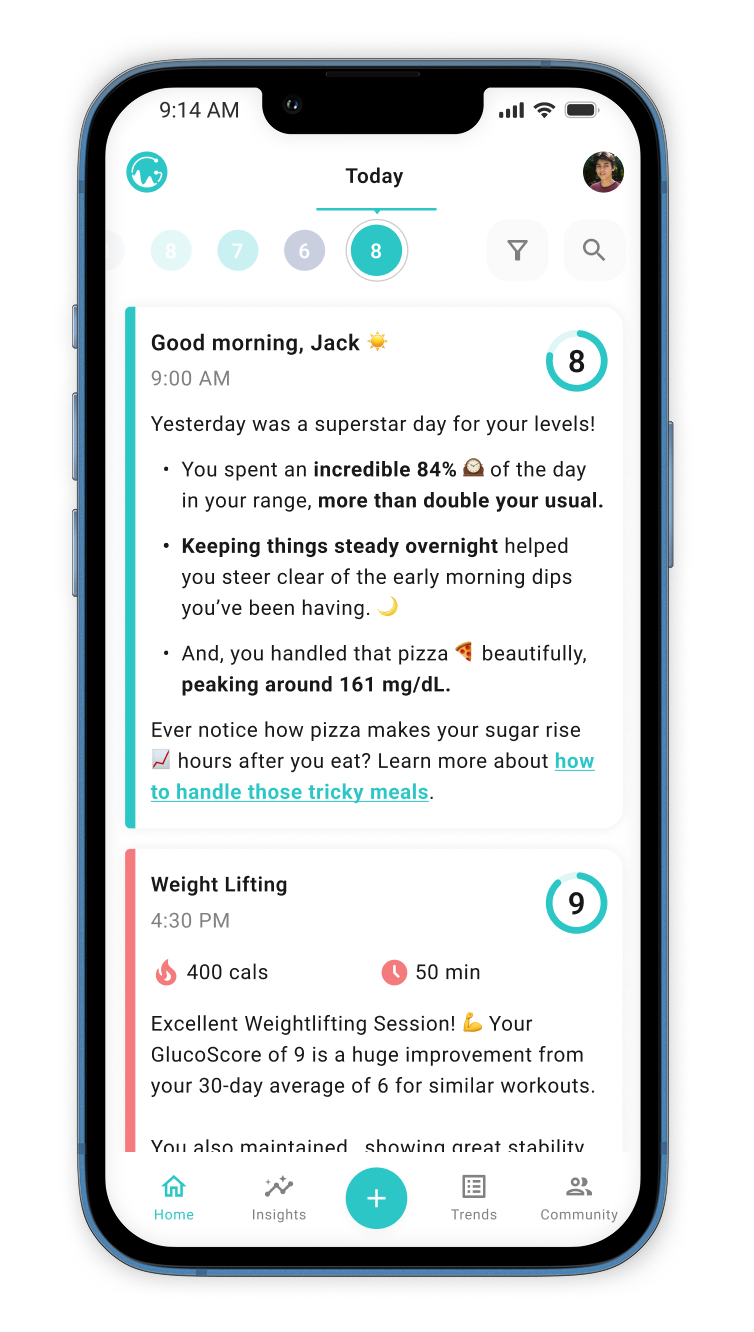
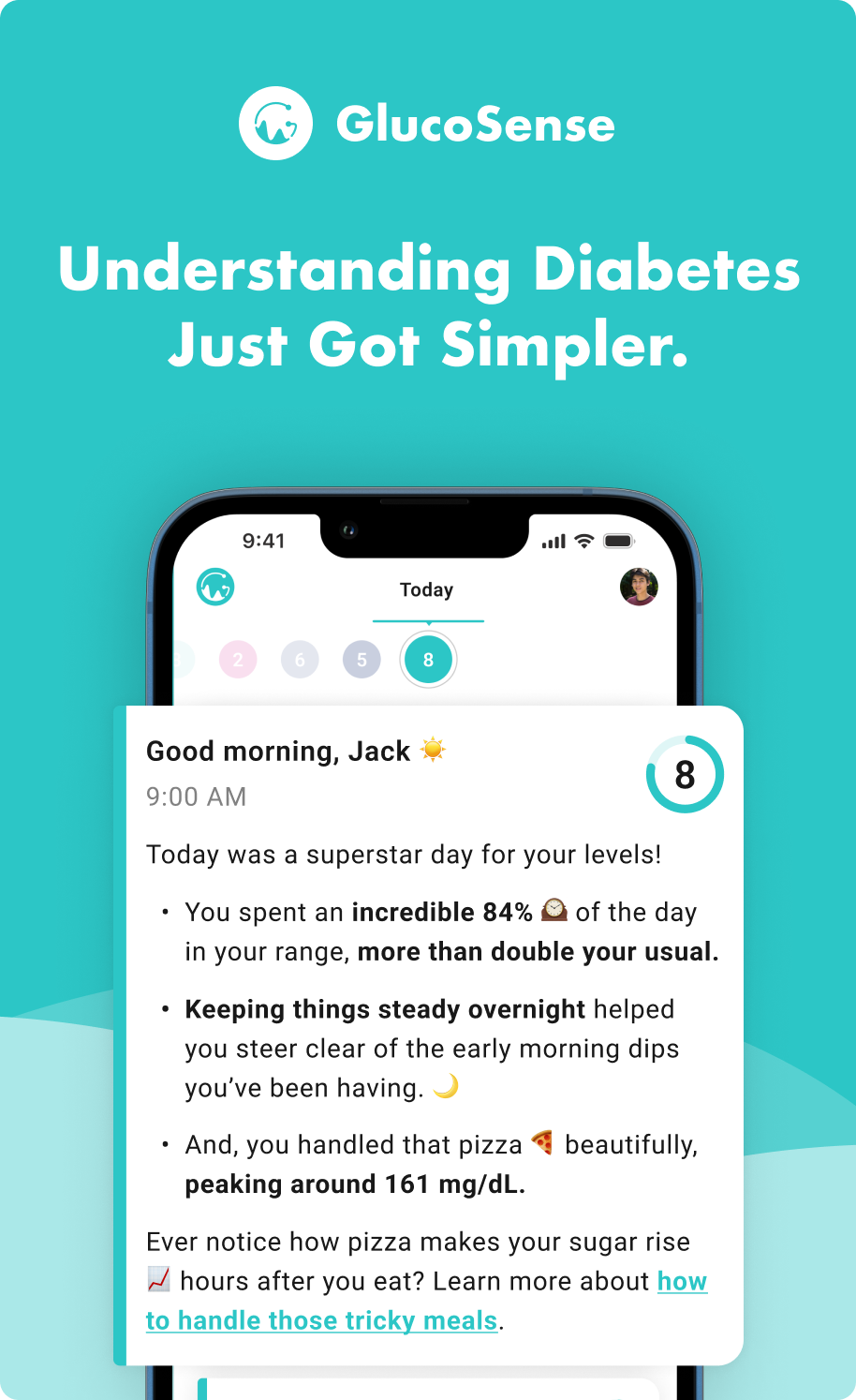
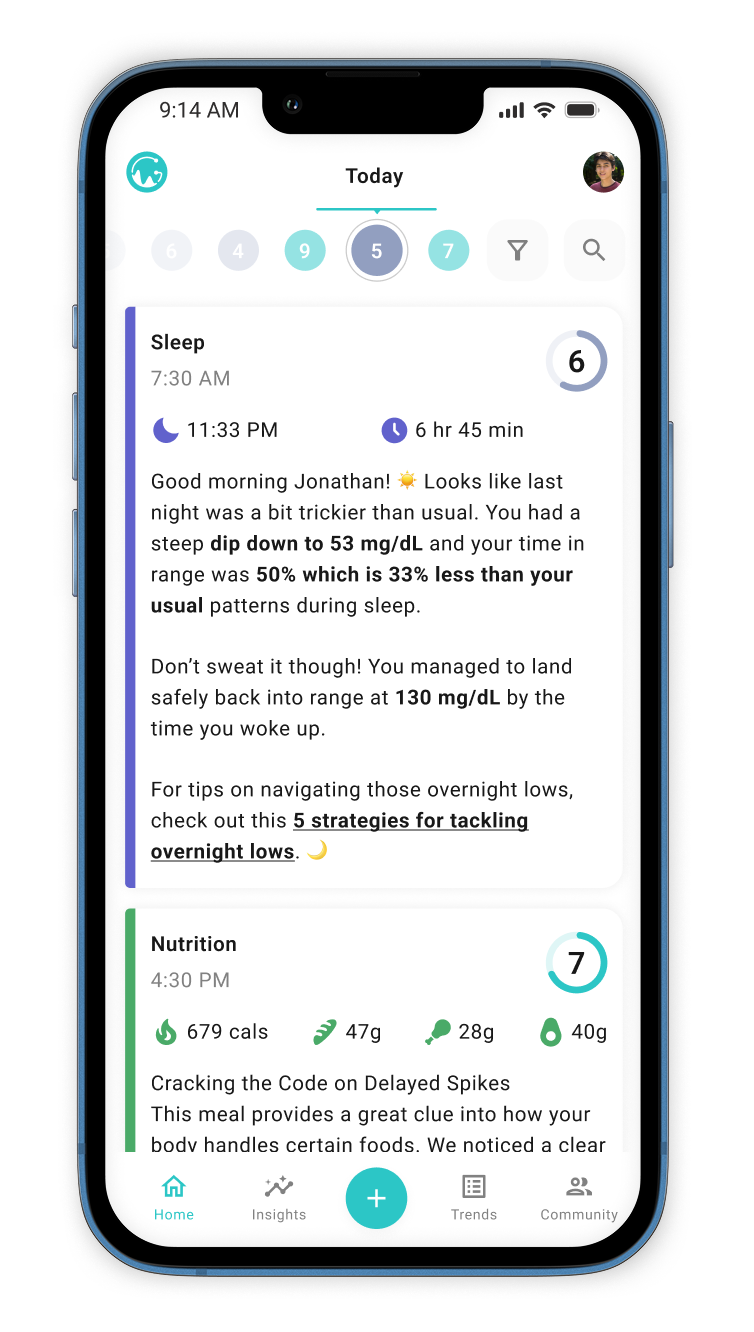
Early users have praised the Companion’s clarity and guidance. One reported, “I’m no longer in the dark and have regained control. Every newly diagnosed diabetic should be required to use this app.” Another added, “These insights are incredible. I had no idea my levels were fluctuating so much until I started using GlucoSense.”
GlucoSense’s pilots with healthcare partners such as Wellstar and its presence at conferences, including ADCES 2025, have further demonstrated the Companion’s potential impact. The company continues to collaborate with diabetes educators and health organizations, expanding access to this AI-driven support.
For Fitch and Chalhub, the GlucoSense Companion represents both technical innovation and a patient-focused approach to care. By blending machine learning, behavioral insights, and educational guidance, the company is helping people with diabetes navigate the complexities of daily management, providing clarity and confidence where uncertainty once prevailed.