
What CREATE-X Taught Me About Bringing European Innovation to the U.S.
When I moved from Amsterdam to Atlanta in 2023, I knew I was changing countries. I did not realize I was also entering a very different technology and business ecosystem. I have spent more than 20 years working across enterprise technology, innovation and commercialization in Europe, and I was familiar with many of the strengths European companies bring to the market: strong engineering, deep technical expertise, sophisticated products and founders who often understand their technology in detail.
What became clear to me after arriving in Atlanta, however, was that the U.S. market is fundamentally different from the European market. Succeeding here requires more than just having a technically strong product. It requires a deeper understanding of how customers buy, what creates urgency, how value is communicated and which assumptions need to be challenged before a company begins to scale.
These principles also apply in Europe, but the challenge when entering the U.S. is that the customer knowledge, relationships and credibility a company has built at home cannot be assumed to carry over. Buyers may have already established suppliers, follow different procurement processes or face different operational and regulatory pressures. Even when they recognize the problem a product solves, they still need to see why addressing it should take priority over other demands on their budget, how easily the solution will fit into their operations and whether they can trust a supplier that is new to their market. That makes early customer conversations essential before investing in a larger U.S. sales operation.
That became increasingly visible during my involvement in several innovation and startup initiatives in Atlanta, especially through my work with Georgia Tech’s CREATE-X, where I had the opportunity to support founders as a mentor. I began with the Summer 2026 cohort, a 12-week accelerator followed by the CREATE-X Demo Day on Sept. 3, where more than 100 startups showcased their businesses. I have already spoken with and mentored more than 10 founders. My engagement is ongoing, and I have been invited to continue supporting these founders as they develop their products and businesses, as well as to mentor founders in the next cohorts.
What impressed me most was not only the quality of the ideas and technologies being developed, but how founders engaged with the market while still shaping their businesses. Mentors, potential customers, investors and industry experts were part of the process from the start. Market feedback became part of development, not something considered after the product was finished.
It reinforced something I have seen repeatedly throughout my career: building strong technology and building a strong market for that technology are two very different things. Successful commercialization begins much earlier than many companies think.
Bringing the Market Closer to the Founder
What makes CREATE-X so valuable is the environment it creates around its founders. As a mentor, I saw how quickly direct conversations with customers, industry experts and other stakeholders can challenge a founder’s assumptions: who the real customer is, which use case matters most and whether the value proposition is as compelling as they believe. A founder may be convinced that a particular feature is the strongest part of the product, only to discover that customers value something else far more. A company targeting several industries may learn that one specific segment has a much more urgent problem and a stronger reason to buy.
This is particularly relevant for European tech companies entering the U.S. Even when a company has traction in Europe, its ideal customer profile, positioning and sales strategy cannot simply be transferred across the Atlantic without first understanding whether U.S. buyers experience the same problem, perceive the same value and have the same level of urgency. In many cases, the technology may remain the same, while the way it needs to be positioned, communicated and commercialized changes significantly.
Consider a European company offering predictive maintenance software for industrial equipment. It might win customers in Europe by emphasizing longer equipment life and lower maintenance costs, yet discover through conversations with U.S. manufacturers that their most urgent concern is unplanned downtime and missed production targets. The software does not necessarily need to change, but the company’s message, sales pitch and pilot would need to focus on demonstrating how it keeps production running and prevents costly interruptions.
Why Atlanta Matters
My experience with CREATE-X has also strengthened my belief that Atlanta deserves much more attention from European technology companies considering the U.S. market. Around Georgia Tech and Tech Square, there is a strong concentration of founders, researchers, corporations, mentors, investors and innovation organizations. Atlanta itself has deep expertise across industries such as cybersecurity, fintech, logistics, mobility, aviation, healthcare and enterprise technology.
For European companies, this creates a rare opportunity: an environment where they can learn directly from the market, test assumptions and build relevant relationships before making large, expensive expansion decisions. A European cybersecurity company, for example, could speak with U.S. security leaders before deciding how to position its offering. An industrial technology company could explore whether its most successful European use case is also the one U.S. customers consider most urgent and commercially relevant.
These in-person conversations can often reveal more than hundreds of prospecting emails. They show a company how the market thinks, what customers actually care about and how the offering may need to adapt before it tries to sell at scale.
Building a Bridge Between Europe and Atlanta
My growing involvement in Atlanta’s startup and innovation ecosystem has shown me an opportunity to build stronger connections between the U.S. Southeast and European technology companies. Europe brings significant engineering talent, research capabilities, technical expertise and innovative companies. Atlanta offers access to enterprise customers, industry knowledge and communities where founders can test their ideas against the realities of the market. Connecting those strengths is not simply about helping European companies find U.S. customers. It is about helping them learn faster, build the right relationships and understand what it will take to succeed here.
The more I experience CREATE-X, Tech Square and Atlanta’s broader innovation community, the more convinced I become that Atlanta can play an important role as a bridge between European innovation and the U.S. market.
For European founders considering the U.S. market, I would start with a different question. Instead of asking, “How do we enter the U.S. market?” I would ask, “What do we need to learn before we are ready to scale in the U.S.?” That shift captures much of what I value about CREATE-X, where founders test assumptions, engage with the market and adapt while they are still shaping their businesses, not after major commercial decisions have been made.
Author Bio:
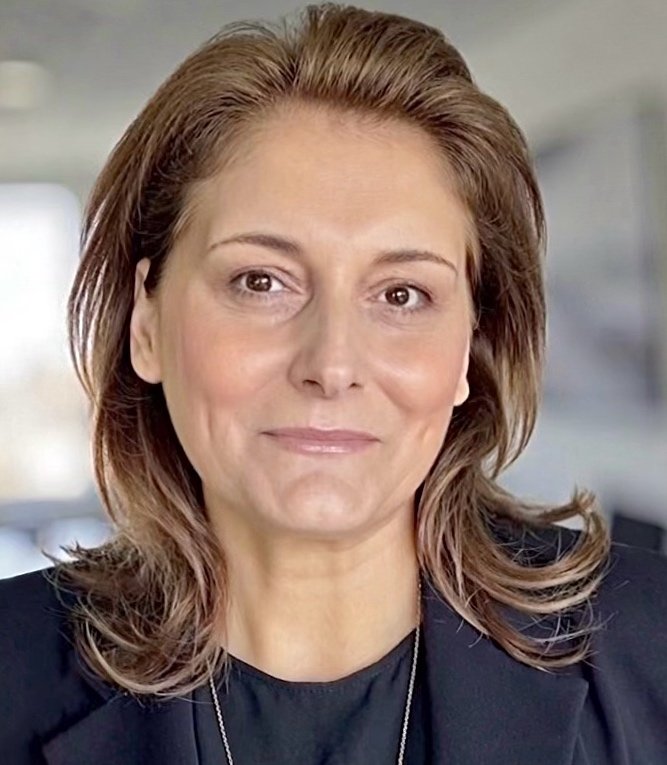
Snezana Zivcevska-Stalpers is the founder of EAS Consultancy, an Atlanta-based advisory firm helping European B2B technology companies validate and commercialize their businesses in the U.S. After more than two decades working across technology and innovation in Europe, she relocated to Atlanta in 2023 and is active in the local startup ecosystem, including as a mentor with Georgia Tech’s CREATE-X, while increasingly focusing on building stronger connections between European technology companies and the U.S. market.