
AgeTech Connect Kicks Off 2026 with Collaboration…and Robots!
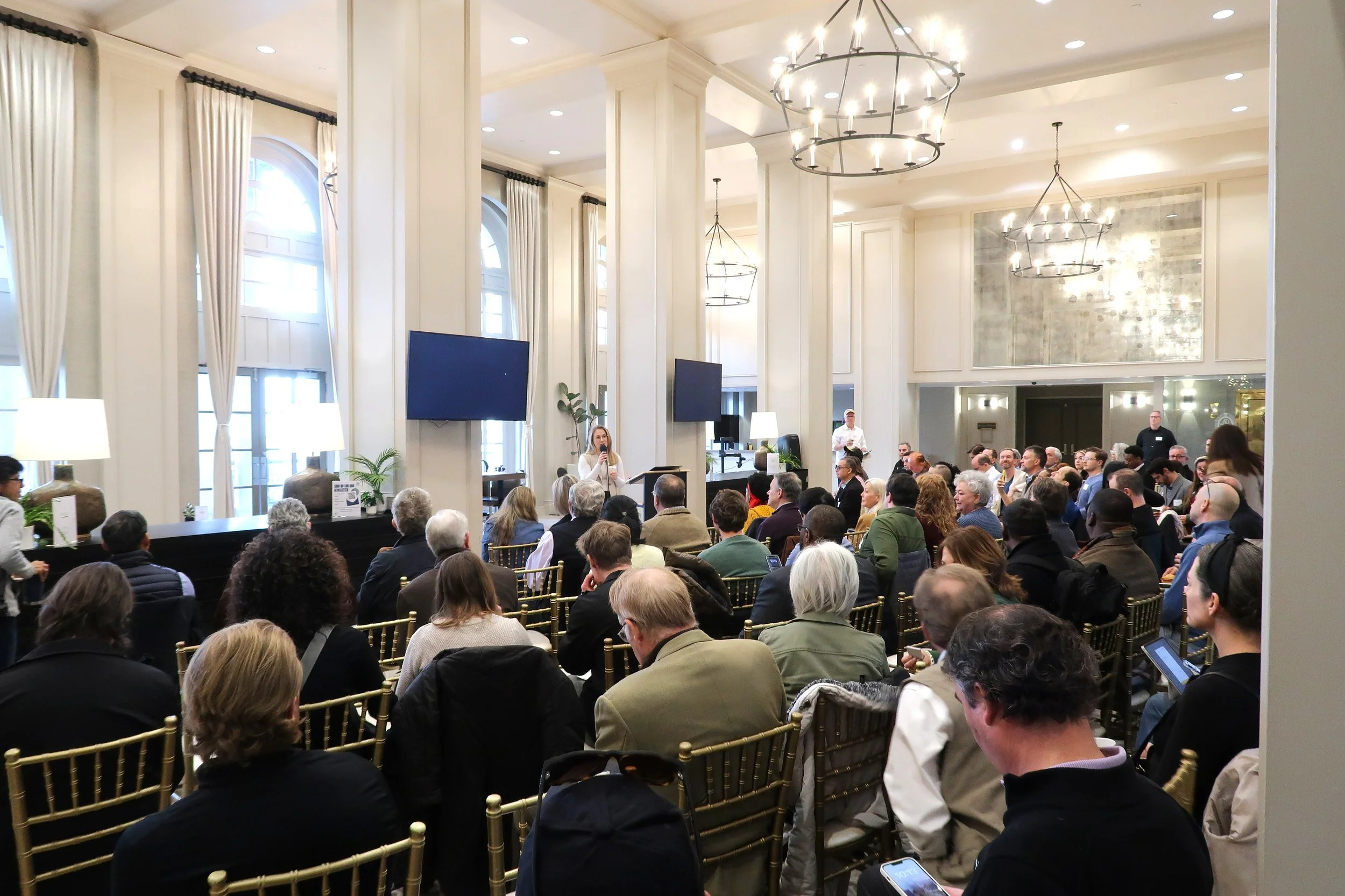
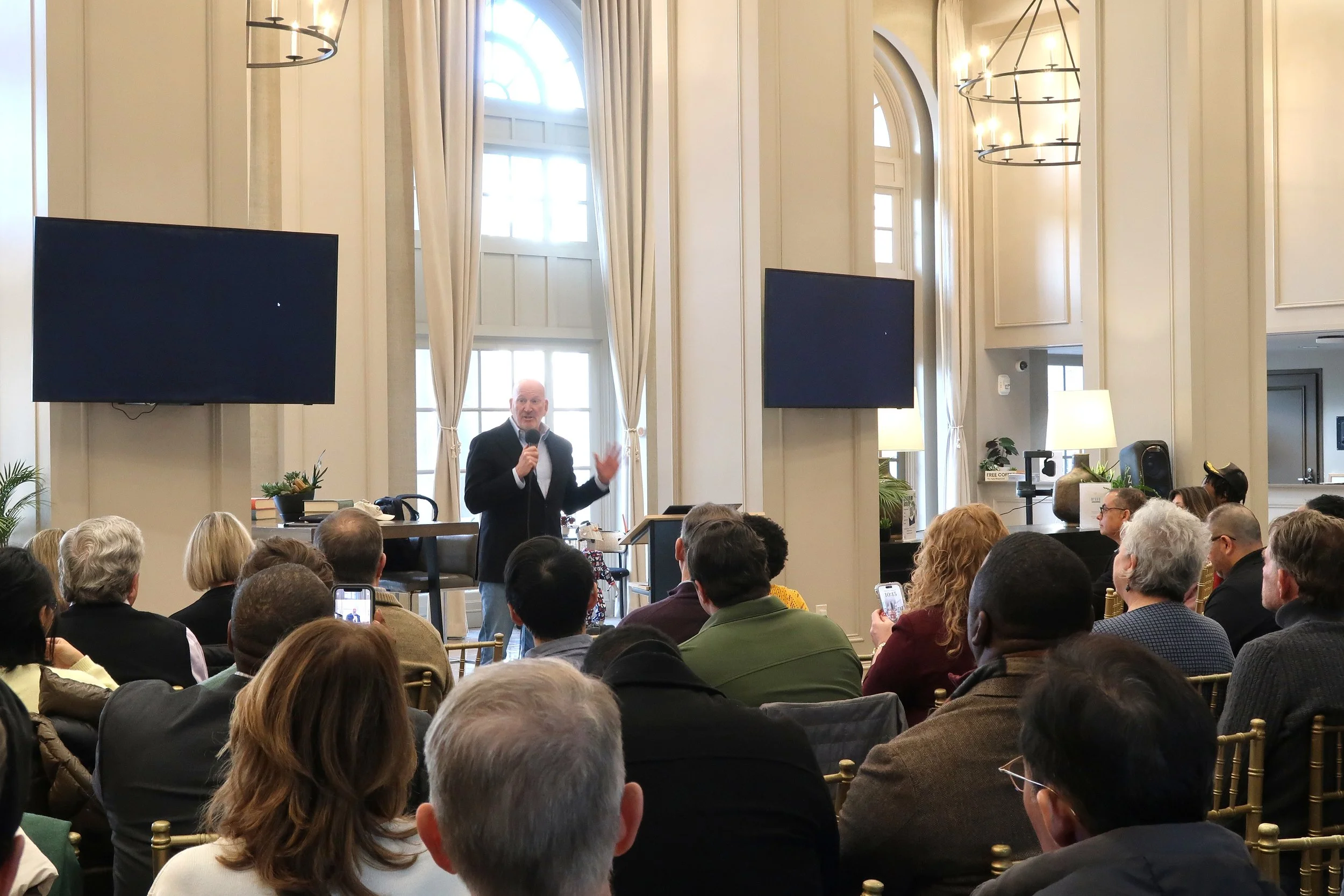
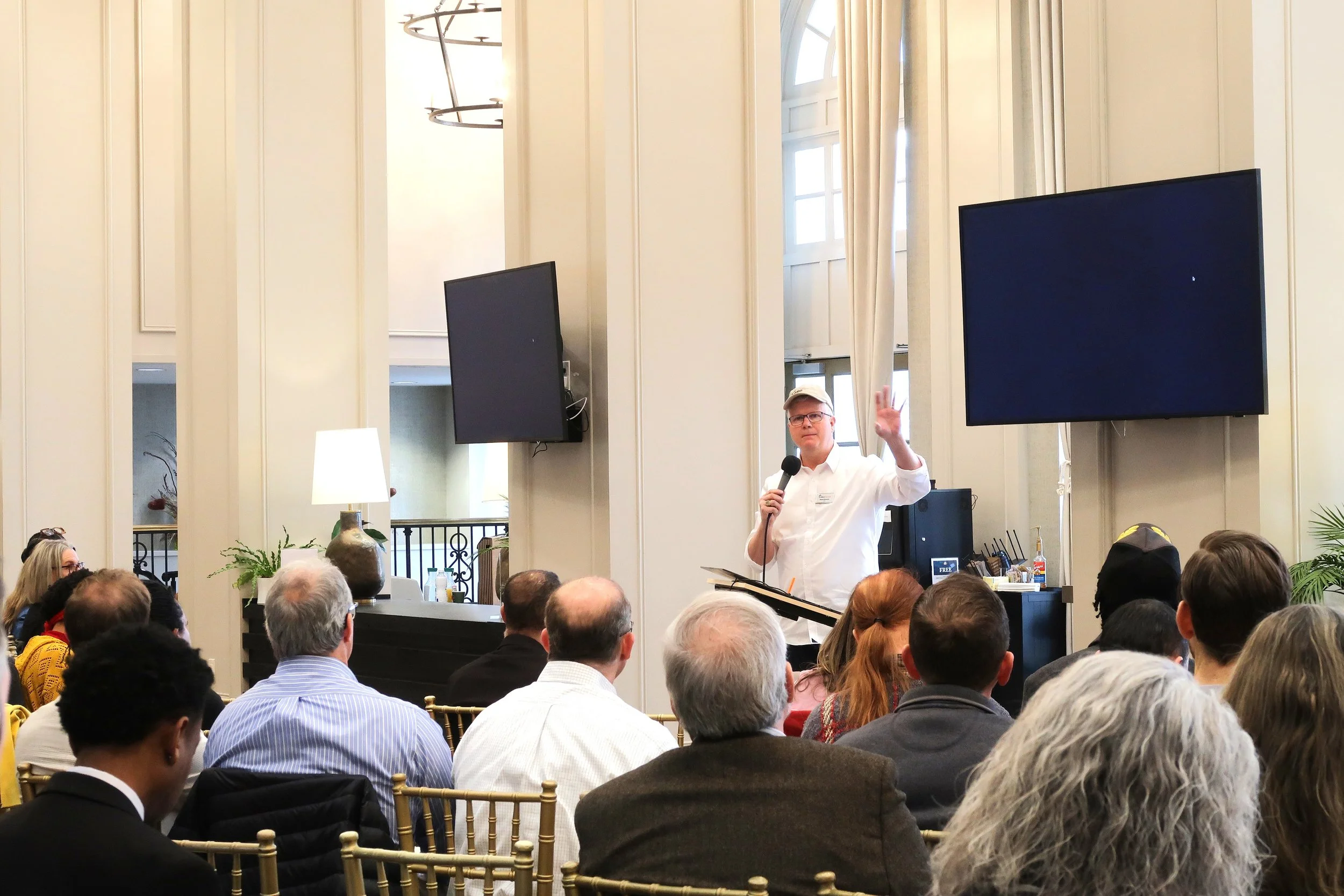
“This isn’t a meetup, it’s a movement,” said Jeffrey Gray, Founder and CEO of AgeTech Connect, which is redefining the experience of aging through technology. On January 21, founders, researchers, and ecosystem leaders shaping the future of aging and care gathered at the Biltmore Innovation Center in Tech Square for a morning of connection, conversation, and robots!
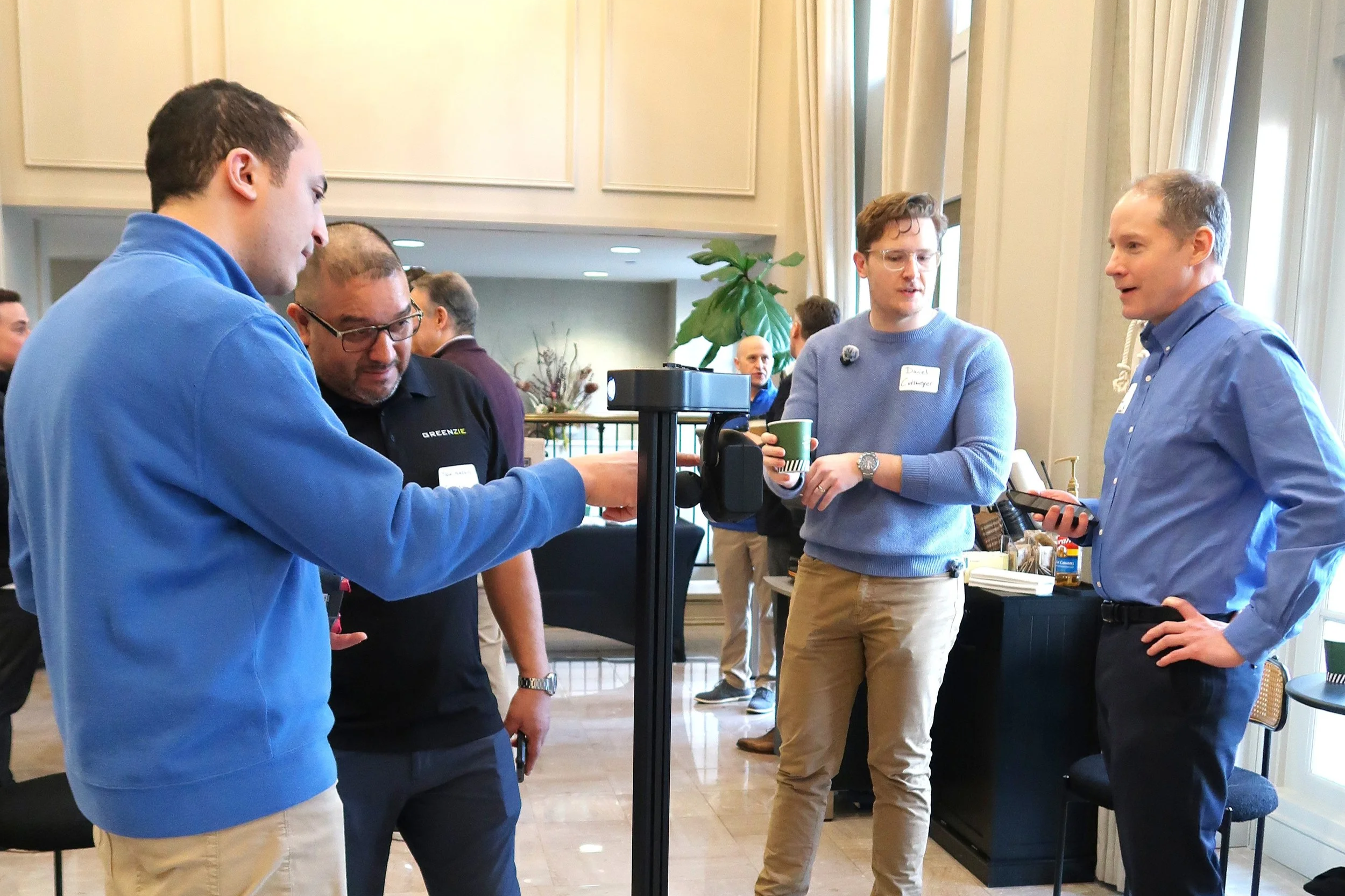
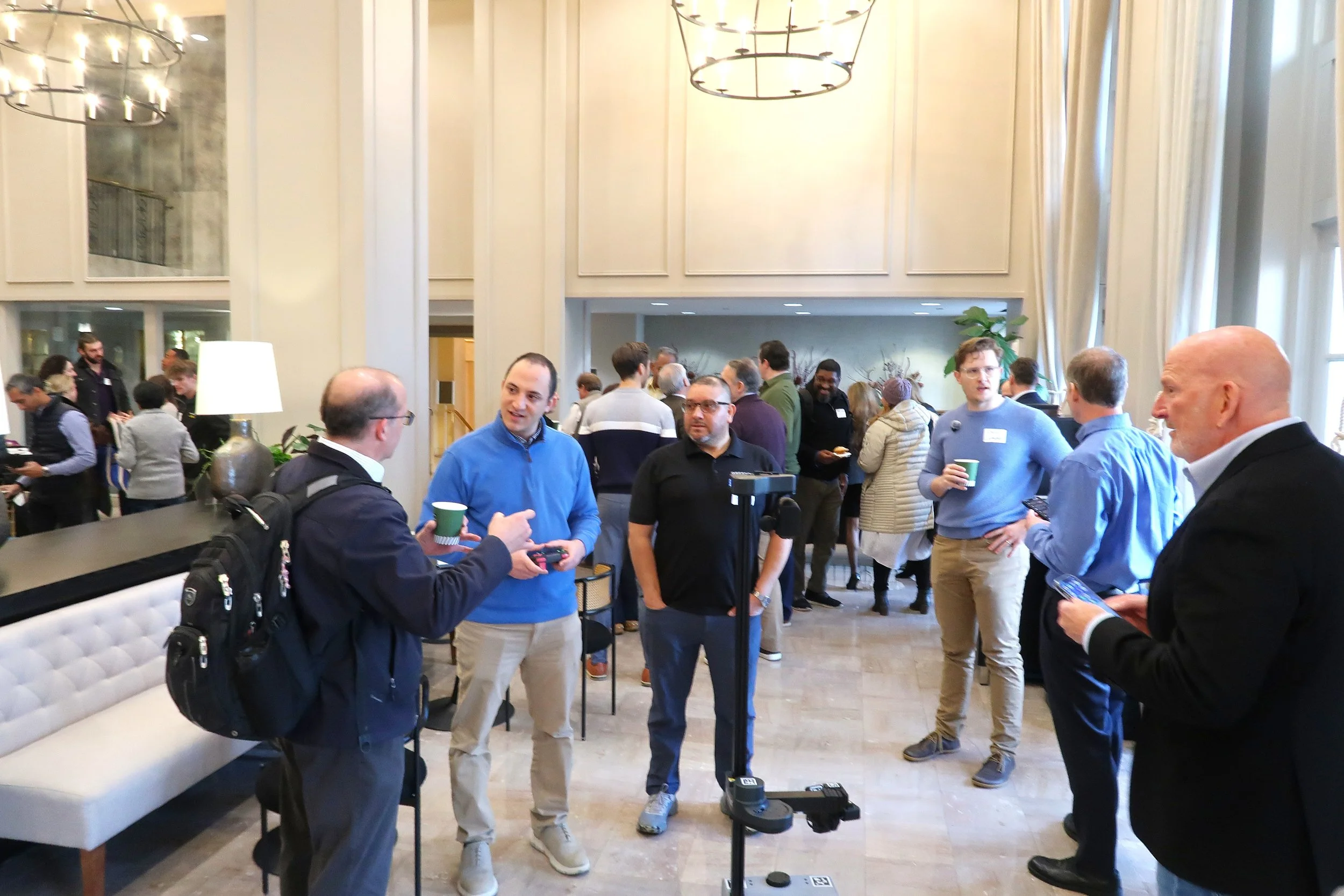
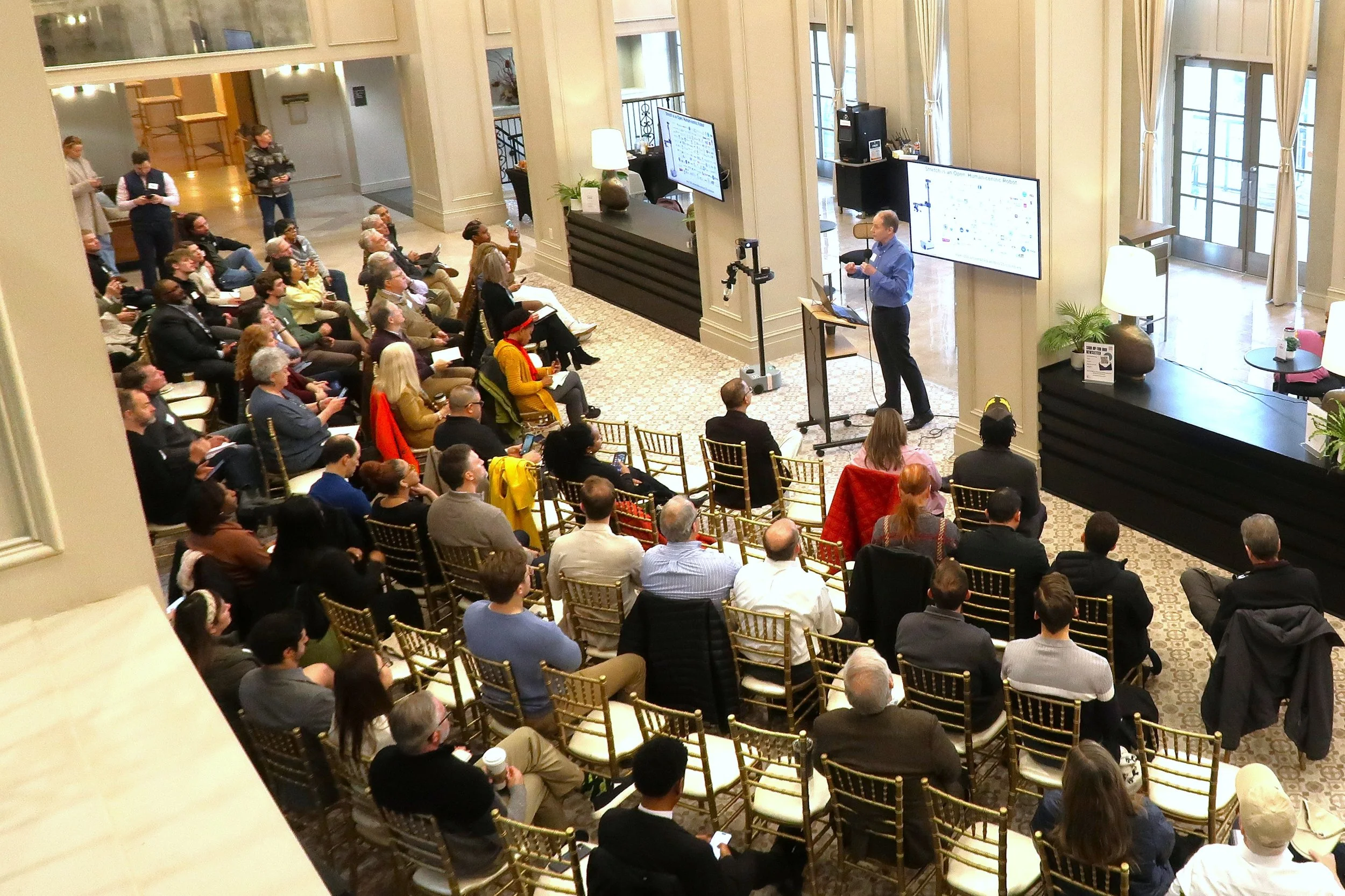
Gray welcomed 150 attendees to the AgeTech Connect 2026 Kickoff, held in partnership with RoboGeorgia, and shared trends about where the AgeTech ecosystem is headed in 2026 (and beyond). Founders and researchers in robotics shared innovations shaping the future of aging and intelligent healthcare, and attendees had the opportunity to see live demonstrations of these emerging technologies.
Ward Broom, MS, MBA, Chairman of RoboGeorgia and Automation & Robotics Catalyst at ATDC, highlighted how Georgia is shaping the future of robotics, including robotics for aging and healthcare. RoboGeorgia, a nonprofit organization, unites robotics professionals across the state, including at startups and universities, and nurtures the robotics and automation ecosystem.
"Collaboration is essential to innovation in Tech Square, and hosting groups like AgeTech Connect and RoboGeorgia provides a place for entrepreneurs, startups, and innovators to share ideas,” said Julie Pierre, Innovation Ecosystem Relationship Manager of the Biltmore Innovation Center.

Expanding our understanding of robots in everyday life
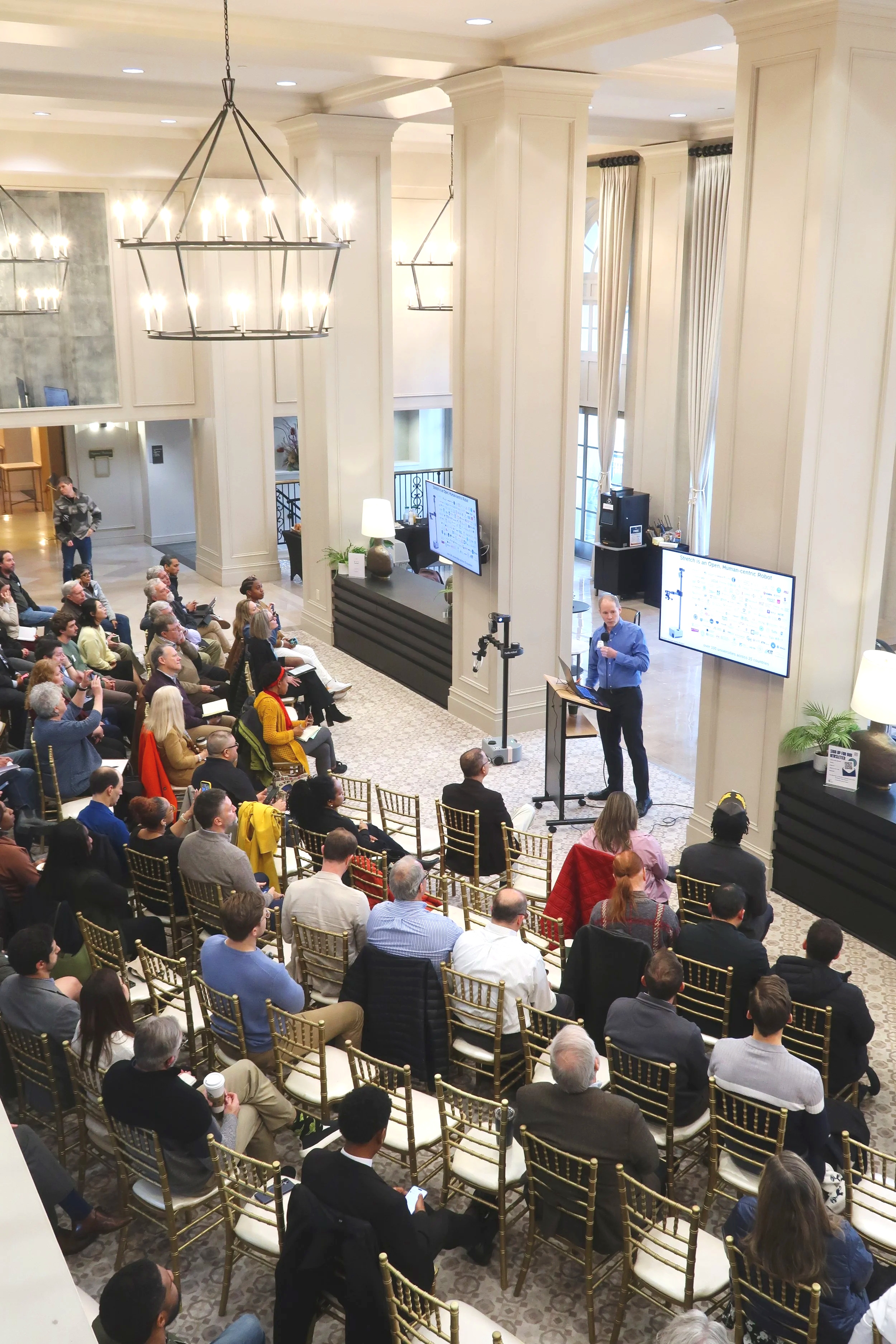
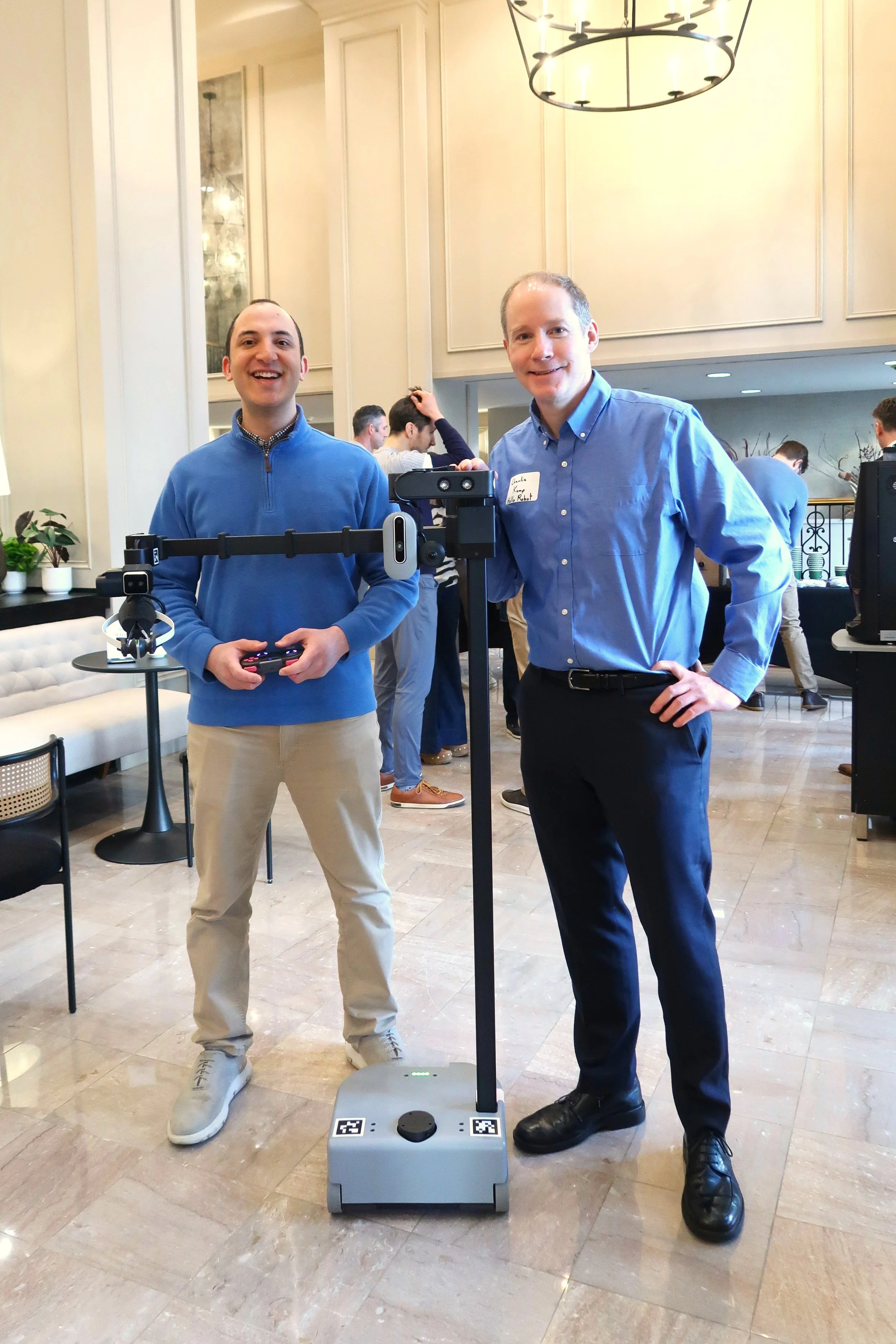
As we get older and our needs and goals change, so must our home environment ensure ongoing comfort and safety. Charlie Kemp, Ph.D., co-founder of Hello Robot Inc. and previously an associate professor and founder of the Healthcare Robotics Lab at Georgia, seeks to understand how robots can provide people with support in their homes during constant daily use, including moving safely around pets, clutter, and sentimental items.
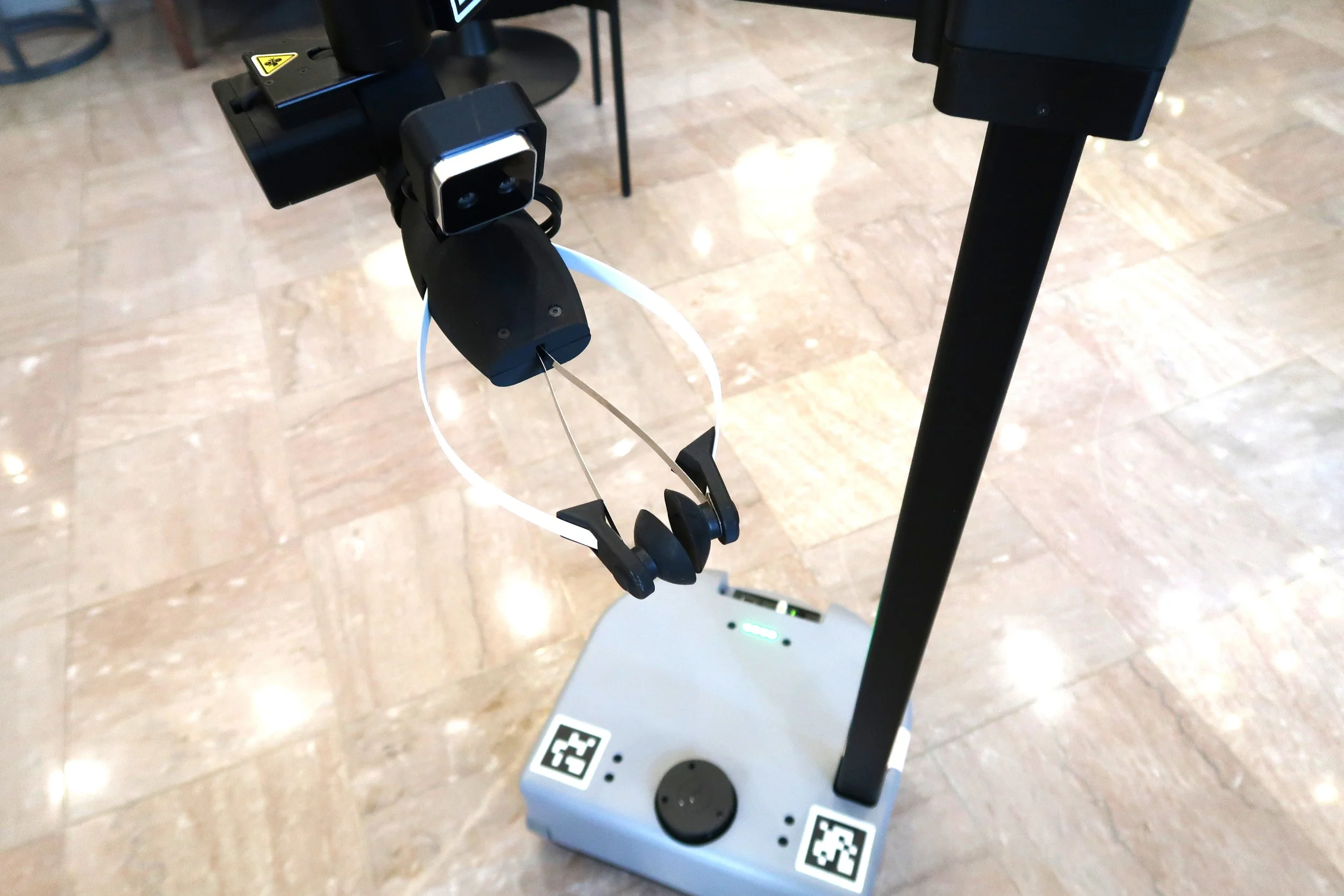
Stretch, designed by Hello Robot Inc., was one of the featured robots at the AgeTech Connect 2026 Kickoff. Kemp described how Stretch, a practical, human-centered robot, can help people with everyday tasks around the house. Kemp also conducts research projects with Georgia Tech students, some in collaboration with community members and Emory University researchers, exploring how robots can monitor falls, assist with horticulture tasks, retrieve items, support physical therapy, or find items around the house for patients with mild cognitive impairment.
partnering with technology
“What do people want and need?” asks Bruce N. Walker, Ph.D., and highlighted that applying an ecosystemic approach prompts researchers to ask questions and design solutions that explore accessible human-robot interactions.
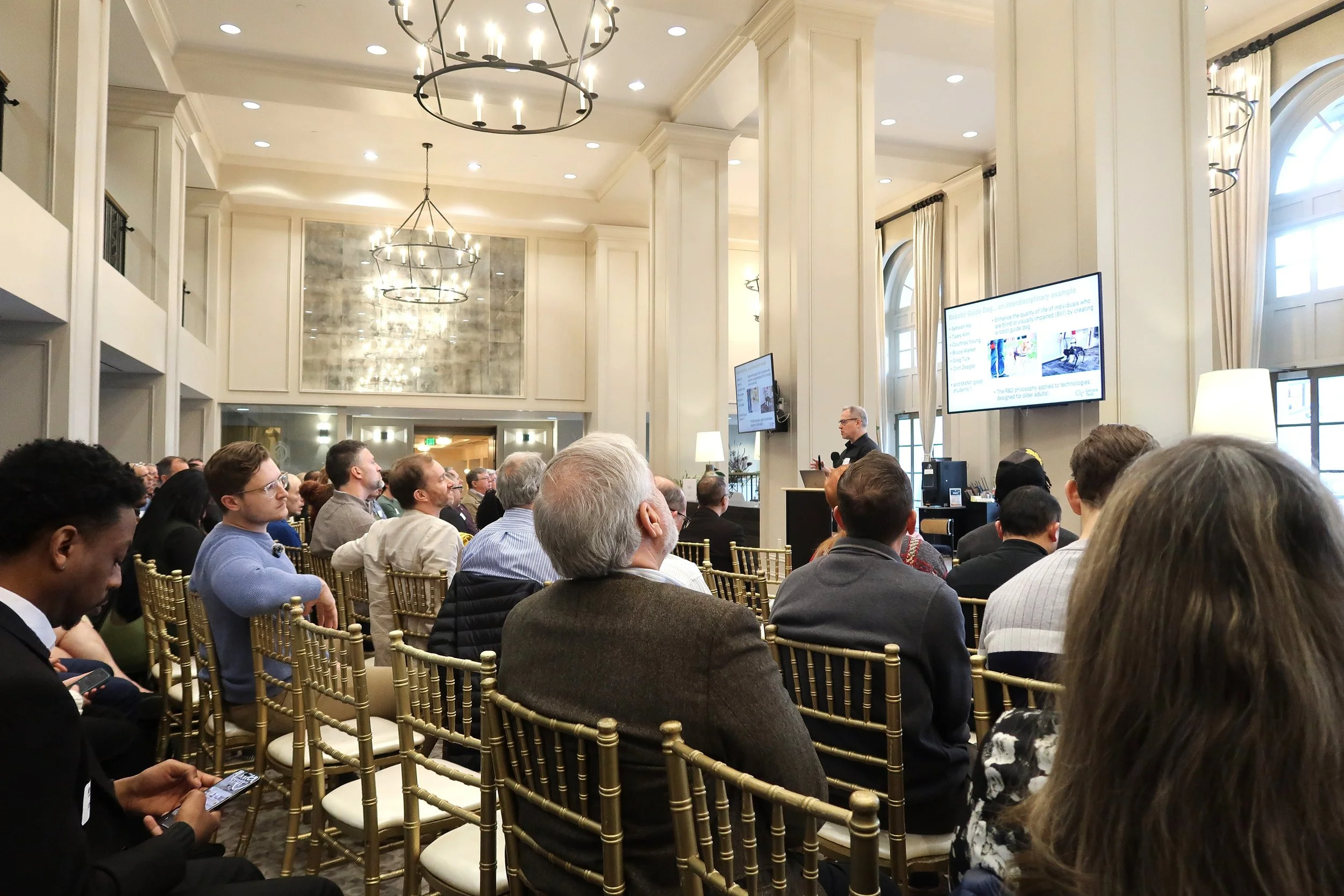
Robotics research extends into focusing on people, their psychology, and their goals. In his presentation, Walker, a Joint Professor of Psychology and Interactive Computing at Georgia Tech and lead of the Georgia Tech Sonification Lab, highlighted the importance of studying how people interact with technology, with the goal that people can partner with (and not just use) technology related to robotics and health care.
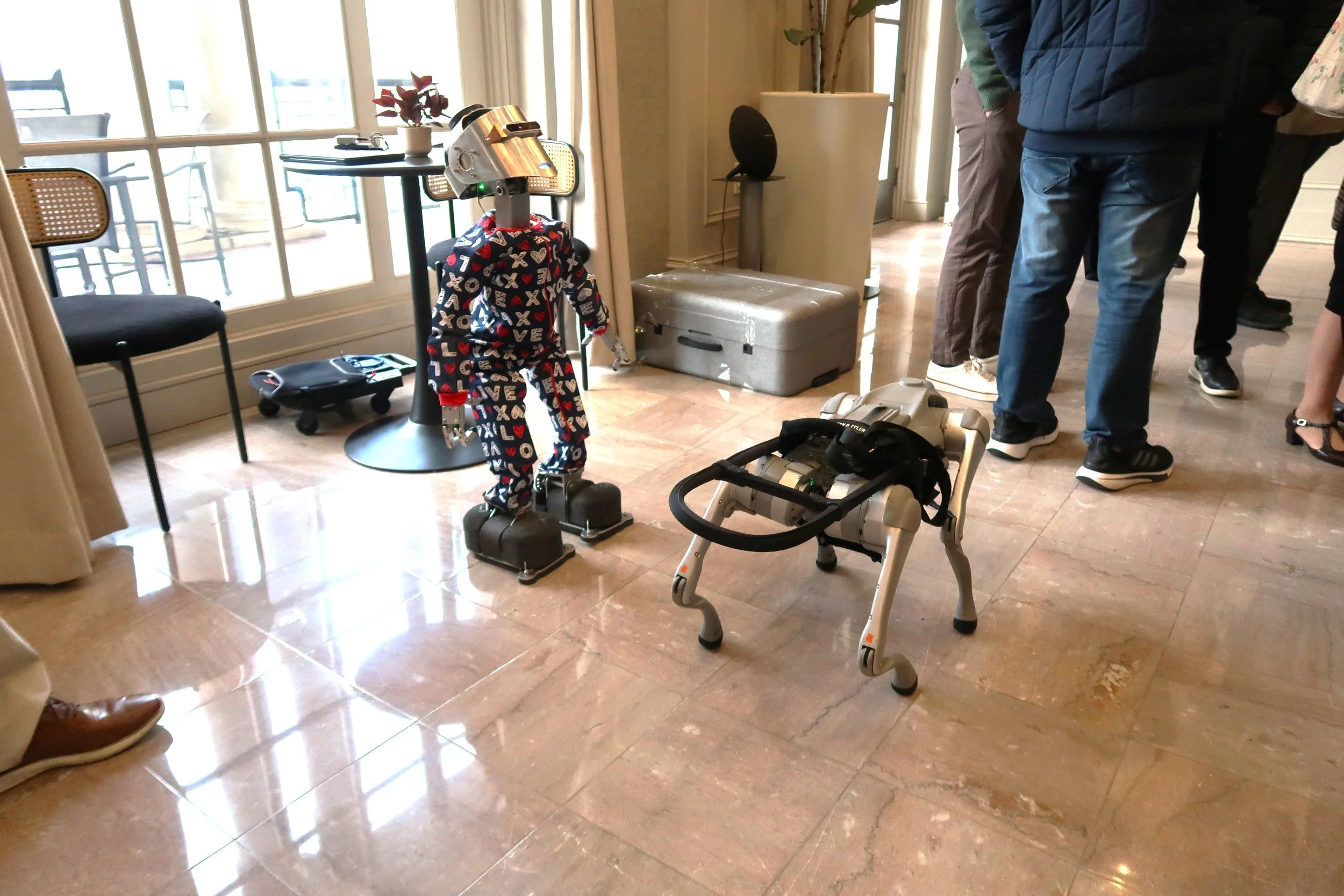
For example, related to the way robotic guide dogs typically walk with a high step to avoid tripping and allow more time to process data, Walker noted how when the legs hit the ground, they are loud. Walker and his team redesigned how robotic guide dogs walk so to reduce this sound of the dog’s legs. This is the level of attention to detail goes into all Walker’s research such as related to how robotic guide dogs look, feel, turn, navigate, sound, react to touch and voice.
Taking steps towards the Future
These collaborations and research efforts are essential because there is so much we are still learning, both Kemp and Walker highlighted. While robots can assist with day-to-day tasks, they can also provide benefits beyond what was initially expected.
Kemp highlighted examples of how robots have deepened social connection by allowing people new ways to interact with their grandchild or by giving a rose to a loved one. “I had not thought about this before, home robots can enhance life in unexpected ways and we are still exploring this,” shared Kemp.
Gray, with AgeTech Connect, summarized the challenges faced by those aging in the United States, including gaps in insurance coverage, massive healthcare costs, and the fact that healthcare is available to some but not others. Given the costs of home care, which in Georgia averages $4,910/month, Gray hopes that in the future, robots can help us adapt to these challenges and transform the experience of aging and ecosystem of AgeTech.
In support of this goal, RoboGeorgia’s brings an understanding of the challenges and opportunities in the fields of robotics and automation with the goal to increase collaboration and innovation between those working on robotics, including technologies that support aging, healthcare, and equity while drawing on Georgia’s established logistics and automation industries across the state.
Stay up to date with the TSQATL calendar and newsletter for the latest tech talks and events, featuring presentations from student groups, Georgia Tech departments, startups, and corporate innovators shaping our community.