A Leaner, Sharper Second Act for Georgia Tech's Food and Beverage Accelerator
When the Georgia Tech Food and Beverage Accelerator (GT.FBA) launched its first cohort in January 2025, the program set out to help food and beverage entrepreneurs take their products from home kitchens to retail shelves. One year later, the results speak for themselves. Founders from the inaugural class earned spots at wholesale shows, landed products on Walmart shelves, and in one case deliberately scaled back to manage a spike in demand.
Now the program, part of Georgia Tech's Enterprise Innovation Institute, is back for its second year with more funding, a dedicated leadership team, and a sharper focus.
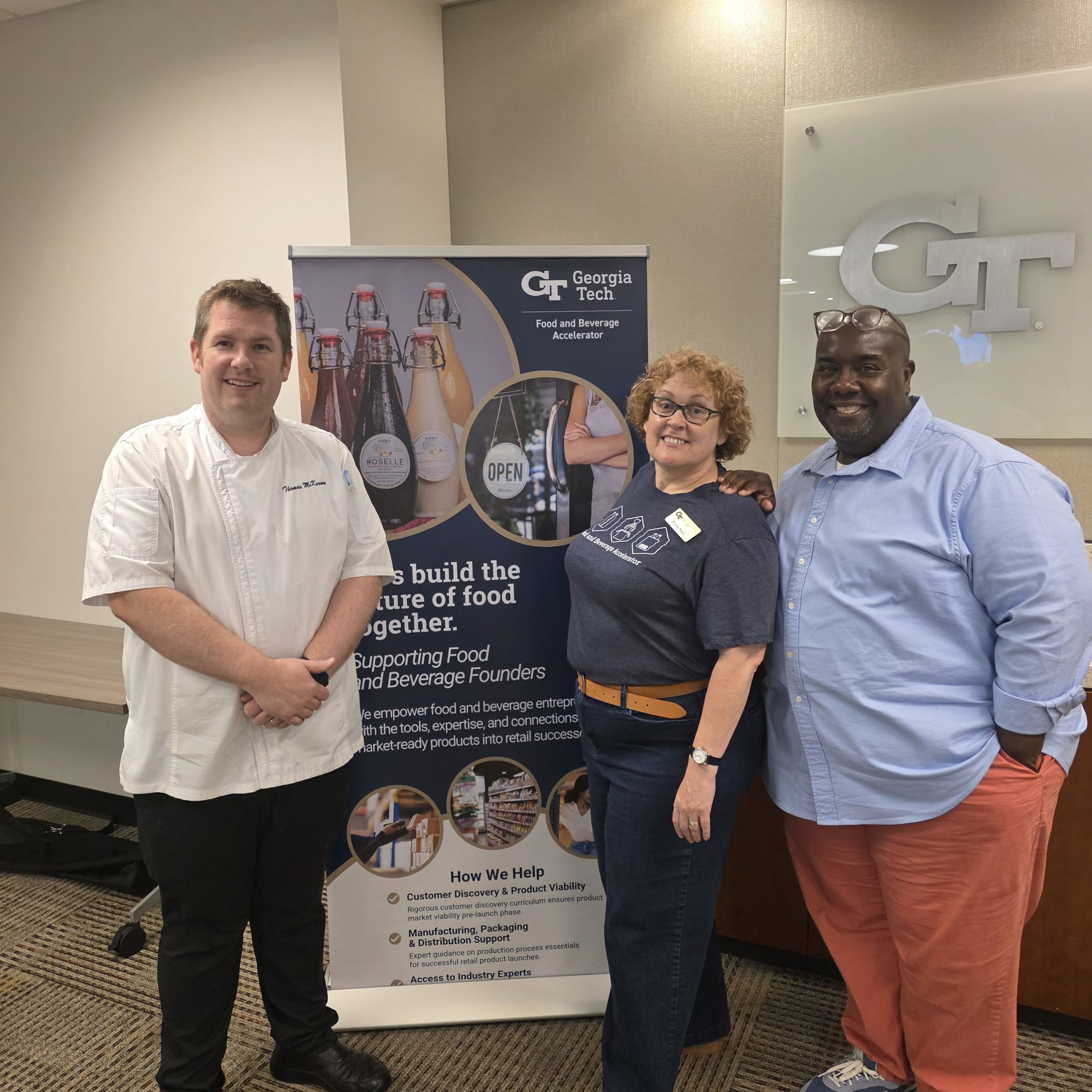
"Last year told us what we needed to be prepared for," says Program Director Aubrey Lenyard.
Smaller Cohort, Bigger Commitment
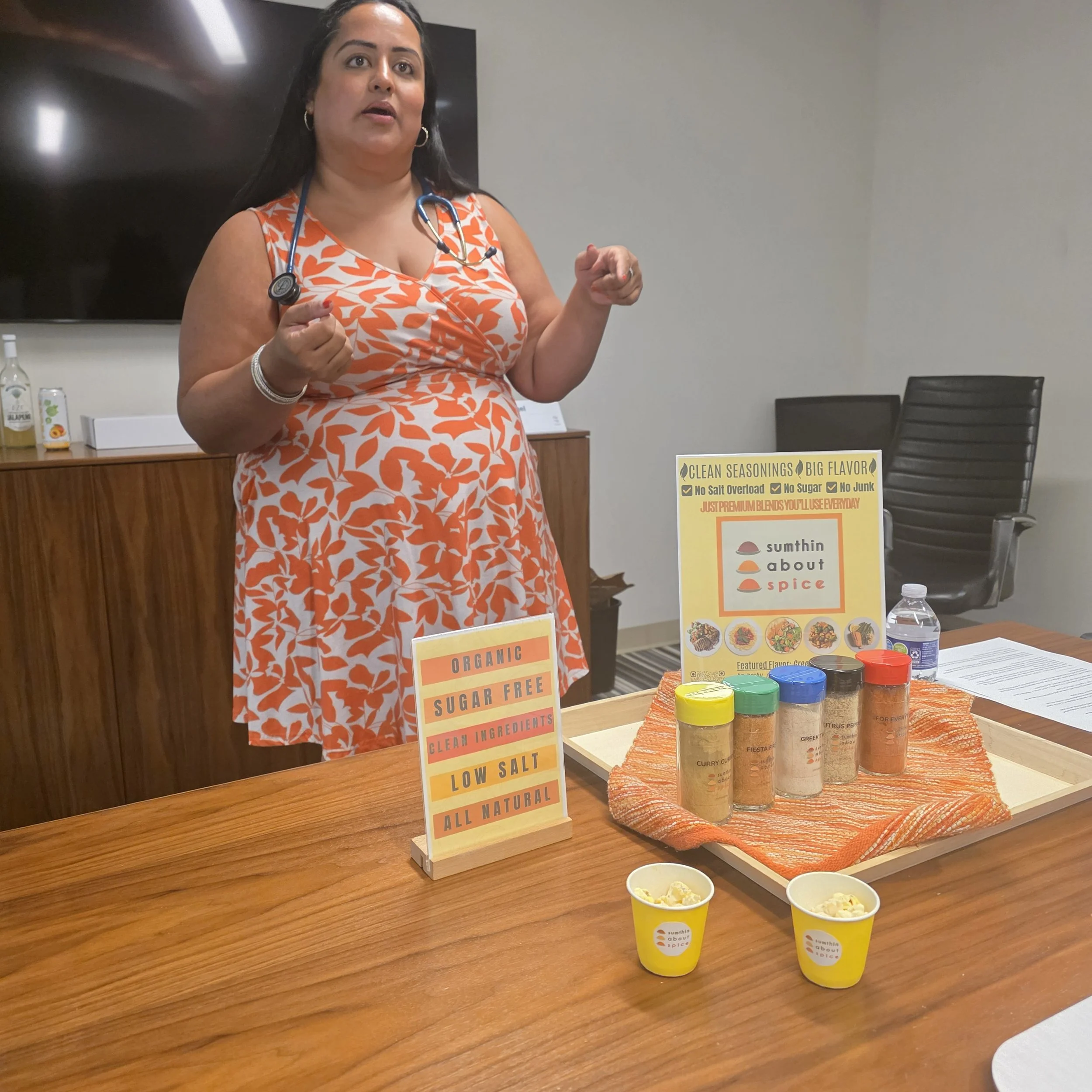
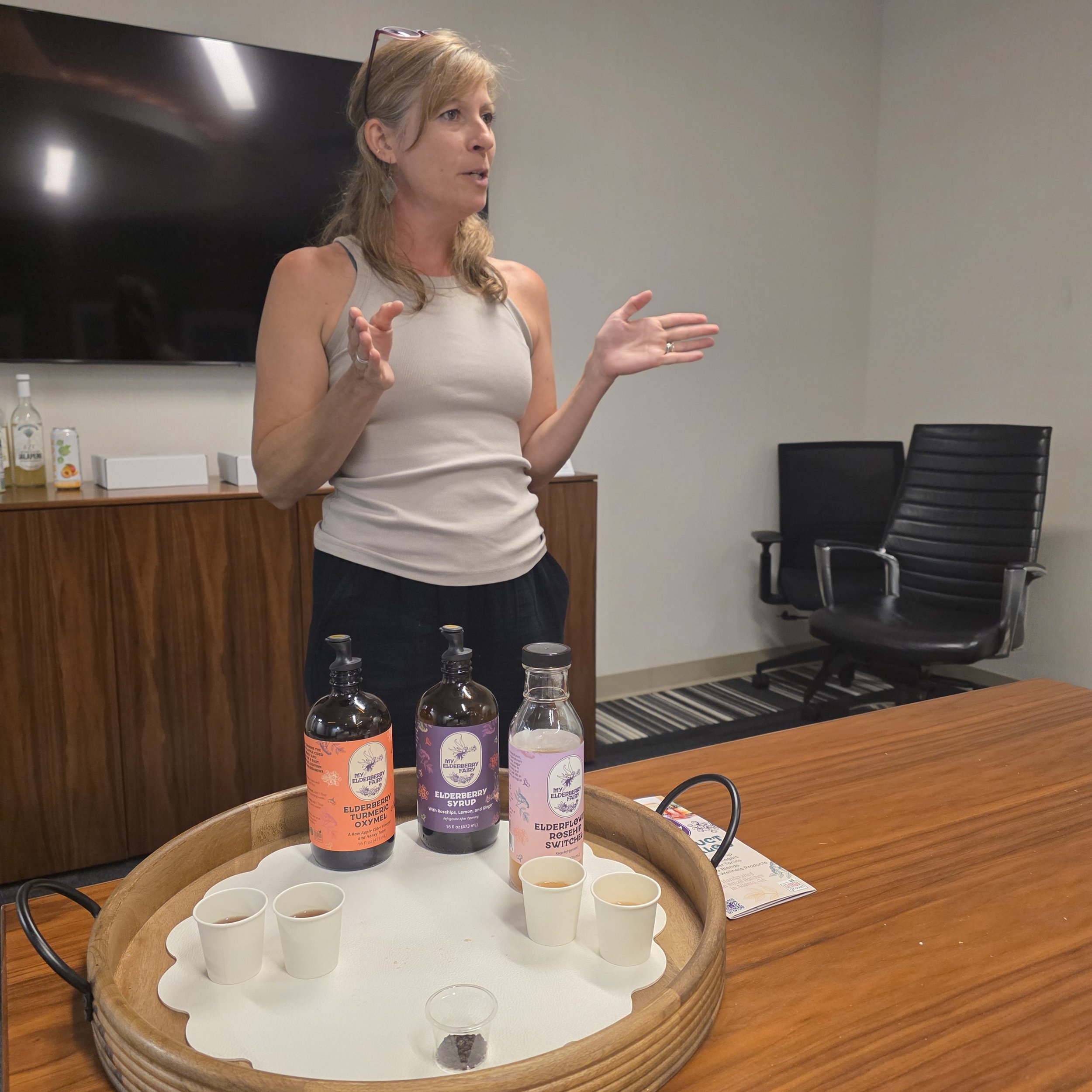
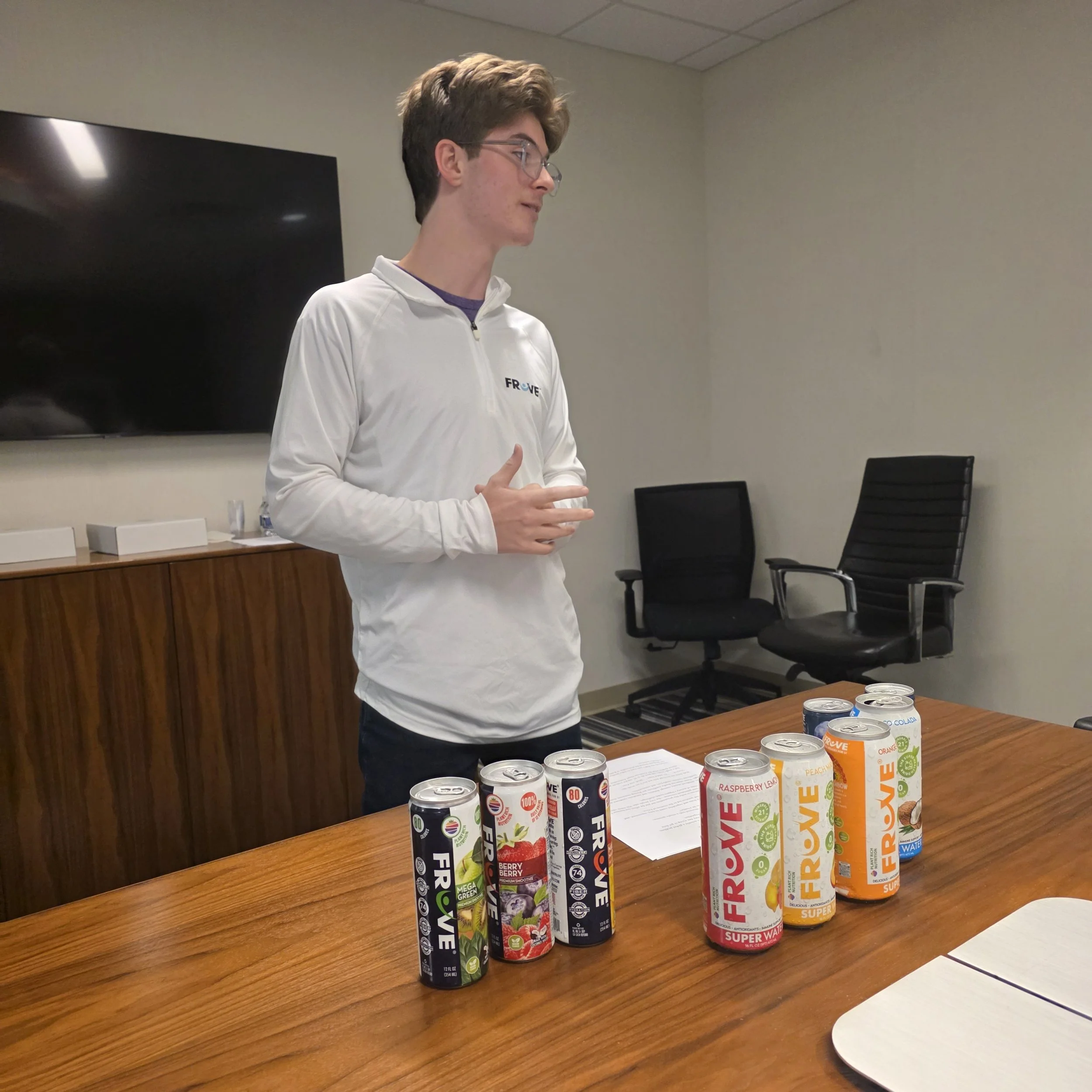
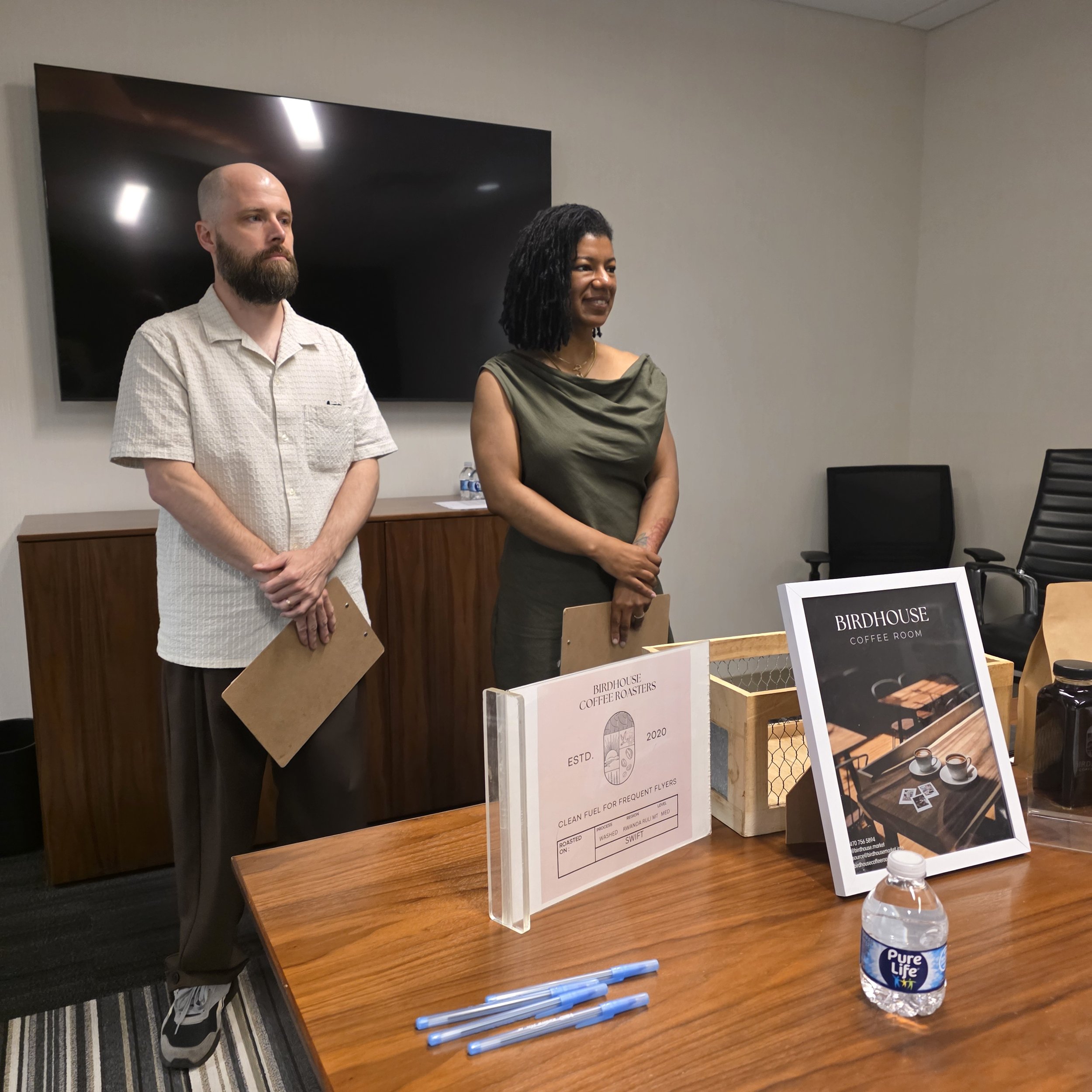
After a competitive selection process that drew applications, samples, and pitches from founders across Georgia, GT.FBA accepted 10 companies into its 2026 accelerator cohort: Boarding Pass Coffee Company, Bonappa Beverages, El Ponce, EZE Top Shelf Mixers, G Ann's Cold Pressed, Go Juicy, By Lady Belle, Purpose Protein, Sumthin About Spice, and Tati's Bread.
That number is a deliberate reduction from the 18 companies in last year's accelerator. The goal, Lenyard explains, is depth over breadth.
"We reduced the number of companies we accepted so we could give everyone the attention they deserve," Lenyard says. "It better serves the founders who are in the room."
While the accelerator got smaller, the program's overall footprint grew. The GT.FBA incubator, which is open to all entrepreneurs who applied but were not selected for the accelerator, now serves roughly 85 companies, up from 52 last year. The incubator has also expanded its reach in two notable ways: out-of-state founders can now participate, and students can join for just $25, which grants access to weekly roundtables, classes, workshops, and networking events.
The program's leadership structure has matured as well. Lenyard, who previously split his time between GT.FBA and his role as a community engagement manager at ATDC, is now fully dedicated to GT.FBA as program director, with Brandy Stanfield-Nagel serving as assistant program director.
Lessons From Year One
If the first cohort taught the GT.FBA team anything, it was that founders needed more help with fundamentals than expected, particularly product formulation.
"We didn't count on how many founders would need formulation help," Lenyard says. "Getting from an idea to the next step means food safety, formulation, the basics. Most incubators don't help with the basics."
That insight is shaping this year's programming. The team is rolling out a workshop-style series built around a simple question: what does it take to formulate? The program is also collaborating closely with the University of Georgia's Food Science & Technology Program, extending the accelerator's technical resources beyond the Georgia Tech campus. A recent panel in Athens tackled the scaling challenges founders face, and copackers who participated are now working directly with small businesses in the program.
New Sponsors
Most of the sponsors from the program's first year returned for 2026, a vote of confidence in the accelerator's early results. Joining them are a few new sponsors: the Georgia Center of Innovation, the state's resource for helping businesses innovate and expand, and Georgia Grown, a division of the Georgia Department of Agriculture that supports agribusinesses. Rounding out the group is Recipal, a platform for creating FDA and CFIA-compliant nutrition fact labels and ingredient lists.
These collaborations give GT.FBA founders access to industry expertise, strategic connections, and resources designed to help emerging brands navigate the challenges of scaling.
"Having the right collaborations is crucial for success," Lenyard says. "Sponsors like the Georgia Center of Innovation help our entrepreneurs scale in ways they couldn't do independently."
What Comes Next
Over the next several months, the 10 founders in the 2026 cohort will work alongside mentors, industry experts, and the GT.FBA team to strengthen their businesses and prepare for growth. If last year is any indication, the payoff could be significant. The first cohort went from home kitchens to national retail in a matter of months.
For a program built on the idea that Georgia's food and beverage entrepreneurs deserve the same structured support as its tech startups, year two looks less like a sequel and more like a scale-up of its own.