
News & Research
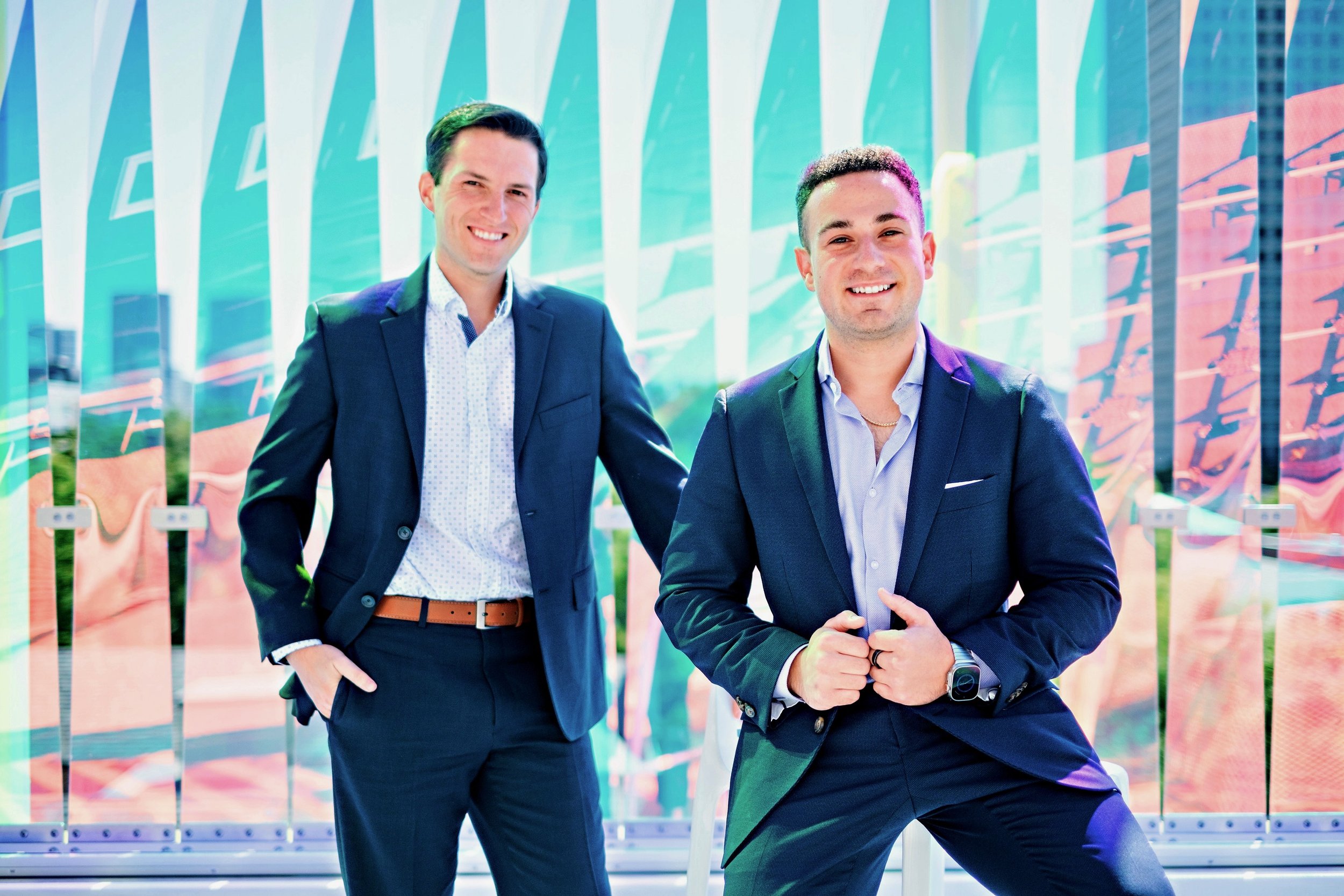
GlucoSense Launches AI Blood Sugar Companion Providing Personalized Insights for Diabetes Care & Education
Many people with diabetes in the U.S. struggle to get specialized, continuous care, often navigating complex glucose patterns on their own. GlucoSense aims to change that with its new AI-powered GlucoSense Companion, translating real-time glucose data into personalized insights for better daily management.

Rethinking AI in Learning: Inclusive Design, Responsible Impact
“I vividly recall watching teachers struggle with technology while their students navigated it effortlessly,” says Shi Ding. That early moment as a middle school intern sparked a path dedicated to creating AI-powered, inclusive learning tools that meet students where they are.
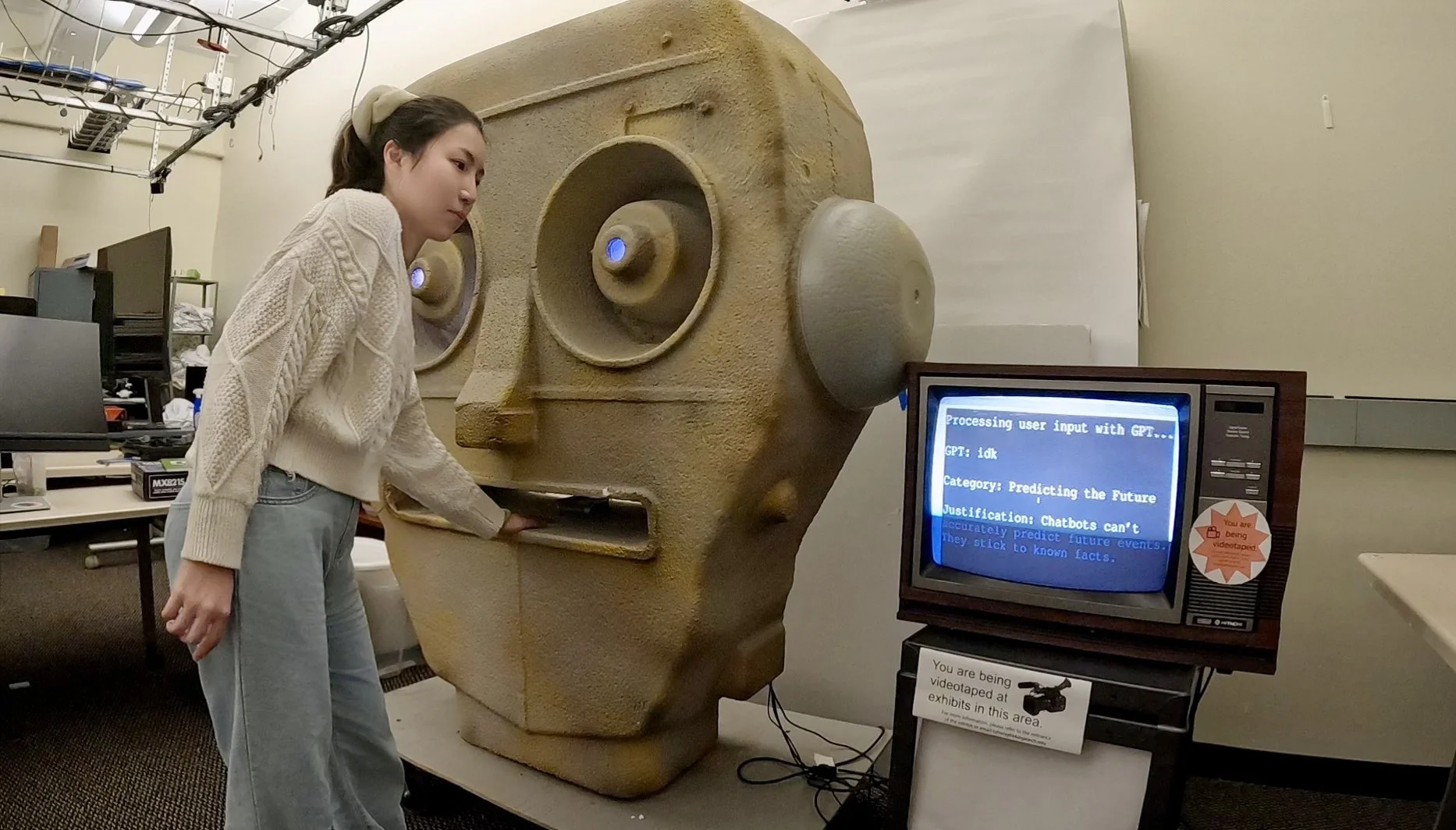
Understanding the Eliza Effect and Building AI Literacy
Chengzhi Zhang, a PhD student at Georgia Tech, is leading efforts to improve AI literacy by exploring the dangers of overestimating generative AI's capabilities, a phenomenon known as the ‘Eliza Effect.’ Her work and recent paper aim to equip users with the knowledge to use AI tools like ChatGPT responsibly and effectively.

Why Some UX Designers Aren’t Using AI — and Why That Matters
Artificial intelligence is a prevalent topic in current design conversations. Tools like ChatGPT, Midjourney, and Figma plugins promise to streamline workflows and unlock creativity. However, for some UX designers, those promises fall flat or create new problems. Georgia Tech researcher Inha Cha wants to know why.

Turning Down the Noise: CalmWave and Catalyst by Wellstar Aim to Cure ICU Alarm Fatigue
CalmWave is tackling one of healthcare’s most overlooked problems: alarm fatigue. By using AI to unify and analyze ICU monitor data, the Seattle-based startup helps hospitals reduce unnecessary noise, improve patient rest, and support clinical decision-making. Backed by Catalyst by Wellstar in Tech Square, Calmwave is bringing its “Quiet ICU” vision to life.

Dancing with AI: LuminAI and the Future of Co-Creative Tech
In an ordinary dance studio, improvisation is a conversation of movement between human partners. However, at Georgia Tech’s Expressive Machinery Lab, one of the dance partners might be an AI. The lab’s director, Brian Magerko, Regents Professor and Director of Graduate Studies in Digital Media, has built a career exploring the intersection of artificial intelligence, creativity, and human-computer collaboration.

The Office of Corporate Engagement: Industry’s Gateway to Georgia Tech
Located at the heart of Georgia Tech’s research and innovation ecosystem, inside The Biltmore, is the Georgia Tech Office of Corporate Engagement (OCE), the gateway for industry to connect with Georgia Tech’s vast resources, ranging from research to licensing.

Reimagining the Future of AI Literacy
With this next generation, how children learn to conquer tasks using new AI technologies will be a defining challenge and milestone for humanity. Supratim Pait, a researcher at TSRB is stepping up to pioneer research that helps discover innovative methods and techniques that teach children how to navigate these advanced tools.

Reshaping the Future of Emotion AI
Inside the Technology Square Research Building (TSRB) in Tech Square, Dr. Noura Howell and her team at the Future Feelings Lab are redefining how we perceive emotions in the digital age. Howell, an Assistant Professor at Georgia Tech with a background in Human-Computer Interaction (HCI) and design research, leads a team that explores the complex relationship between technology, emotion, and society.

AI-Powered Innovation for Safer Roads
Despite comprising only 5% of US roadway miles, curves account for 25% of all traffic-related fatalities. Professor James Tsai and his team at Safe Road Solutions are implementing an innovative, AI-powered approach to identifying and mitigating dangerous road conditions, focusing on hazardous curves.

The Social Media Gamble That Built ReadyForSocial
This social media company’s creation was kicked off by a simple tweet: “I have a $47 million idea for you. Let’s talk.”

Can Drones & AI Drive Commercial Buildings Towards Sustainability?
The average U.S. commercial building is over 50 years old, and only the top 25% of all commercial buildings are ENERGY STAR certified. Roughly one-third, or more, of the energy used by buildings is wasted at an annual cost of $150 billion. Joulea, an Atlanta-based startup, strives to modernize and redefine energy efficiency for commercial buildings.

Stride Labs Redefines Orthotic Care with AI-Driven Tech
Stride Labs revolutionizes orthotic insole design by integrating technology and ergonomic principles, using AI to fully automate the process using 3D scanning, and offering custom solutions for various foot conditions.