
News & Research
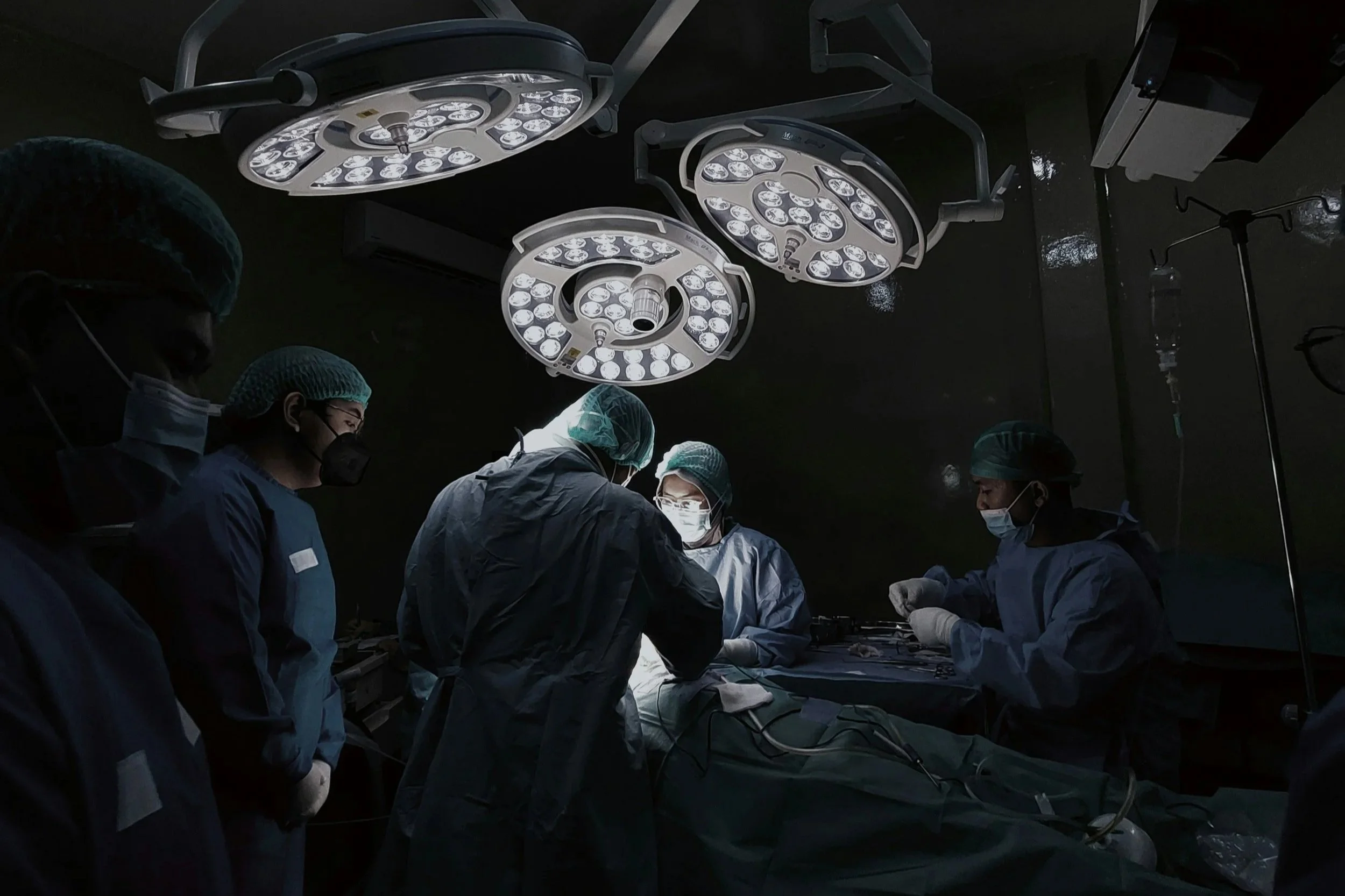
Reaching Where Neurosurgeons Can't
A Georgia Tech lab and an Emory neurosurgeon are teaming up on untethered microrobots designed to reach the deepest, hardest-to-treat corners of the brain.

Inside the ATHENA Lab
In the Technology Square Research Building (TSRB) at the heart of Tech Square, the ATHENA Lab operates with a simple premise: research should not stop at theory. That mindset has defined the lab since 1998. Nearly three decades later, the lab has become a distinctive engine, producing world-leading hardware and addressing global grand challenges that move quickly from concepts to physical systems.
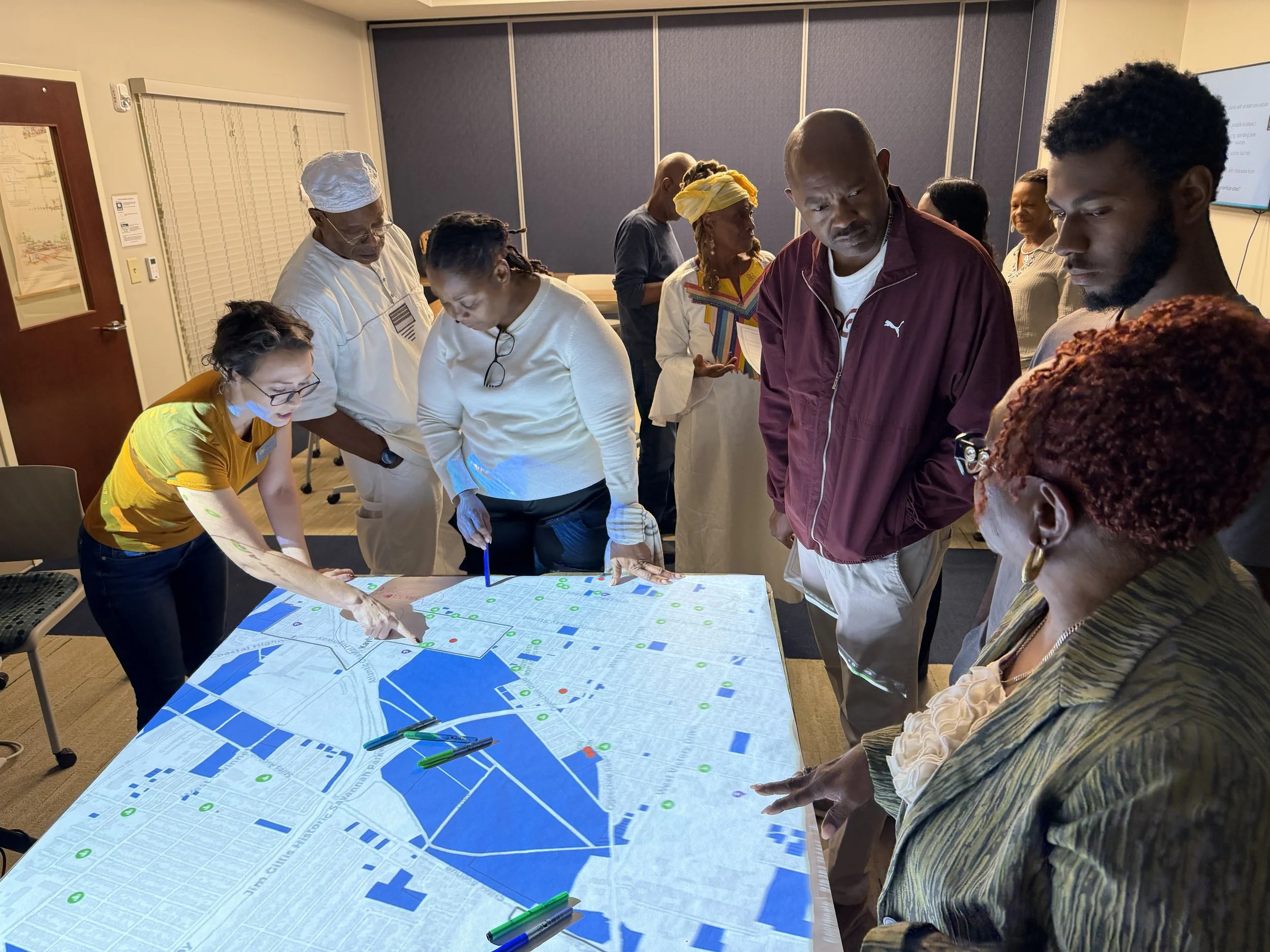
The CEAR Hub Helps Coastal Communities Build Resilience
The work happens more than 200 miles from Tech Square, but its roots run straight through Atlanta. Along coastal Georgia's marshes and waterfronts, Georgia Tech researchers are helping communities read the water, plan for it and push back against it. They call the effort the Coastal Equity and Resilience Hub, or CEAR Hub.
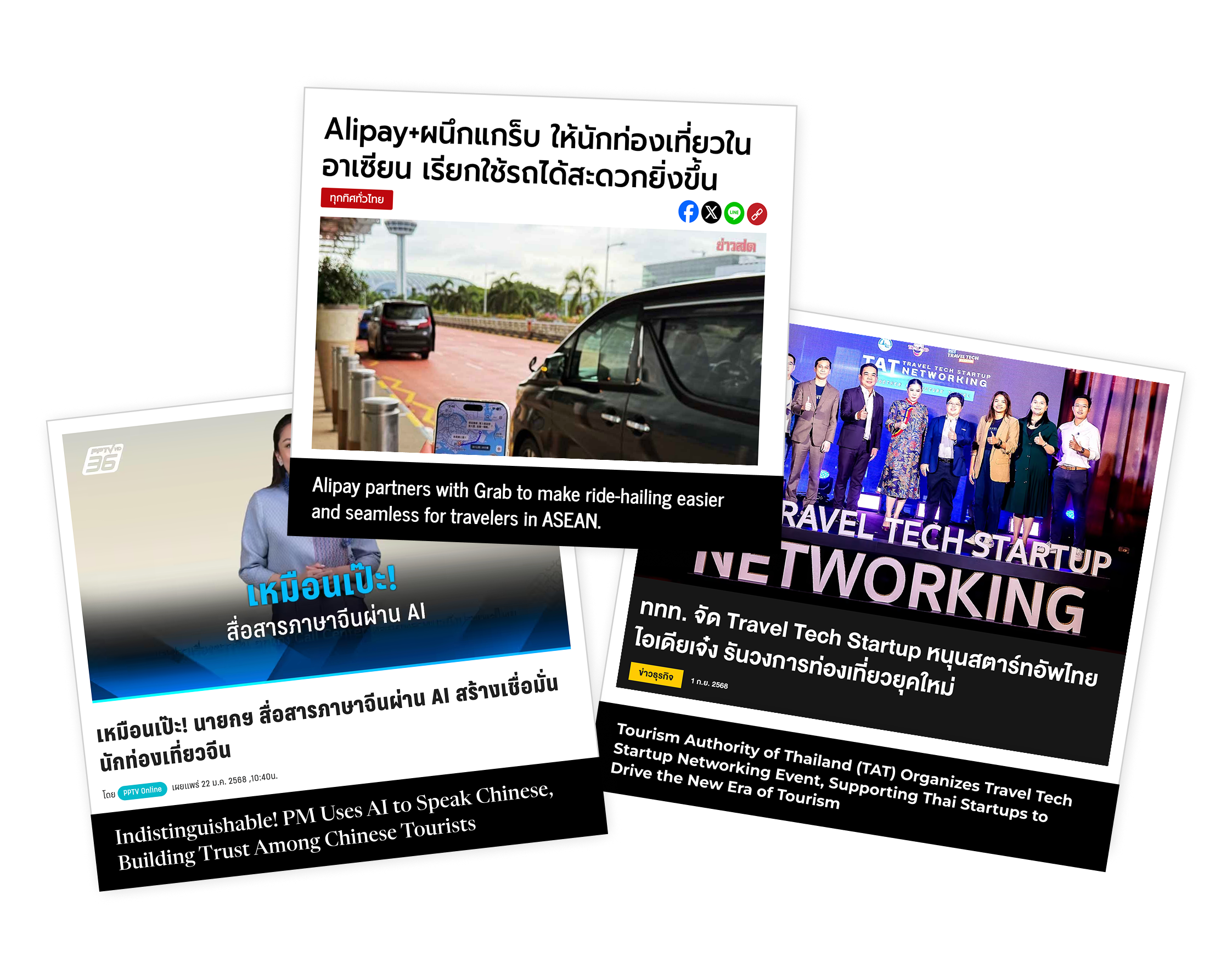
This Researcher Is Decoding Thailand's AI Story
When Thailand's government wrote artificial intelligence into its national roadmap, TSRB researcher Ploypilin Pruekcharoen started reading the news differently. She has spent the past year collecting and analyzing more than 100 Thai news articles about AI in tourism. Her question is simple: when a country stakes part of its economic future on artificial intelligence, how does its press explain that technology to the public, and who gets left out of the story?
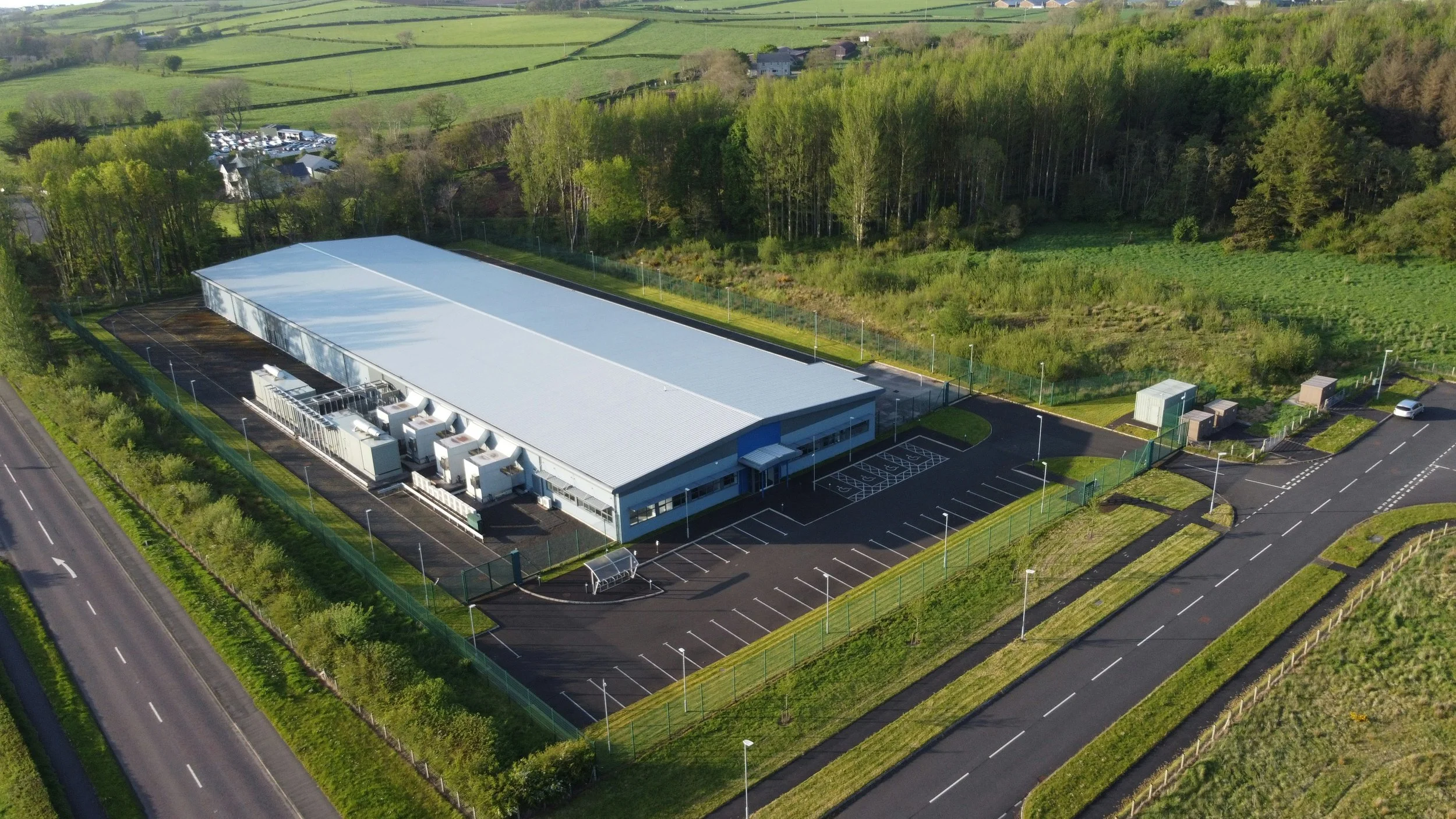
Listening to Georgia's Data Centers
When Sylvia Janicki set out to record the noise of Atlanta's data centers, she expected to find it everywhere. News stories described nearby communities living with constant humming, roaring generators and sleepless nights. So she drove to roughly 10 hyperscale facilities around metro Atlanta, the massive campuses built to power artificial intelligence and hit record.

Meet Maestro for a More Connected Tech Square
Tech Square is full of people you'd want to know and mostly haven't met yet. Maestro is a new ecosystem connection platform built to help you find and reach the right people across the community, whether that's a co-founder, a collaborator, or just the person who runs your trail every morning.

How Technology and User-Centered Design Are Making Kitchen Cabinets Cognitively Friendly
To help adults with mild cognitive impairment maintain independence, quality of life, and prepare meals, what may seem like an obvious solution of either removing kitchen cabinet doors or labeling may not be the best option. This gap and Ibrahim Bilau’s evidence-based and human-centered research highlight why it is so important to engage with community members living with mild cognitive impairment and their care partners.
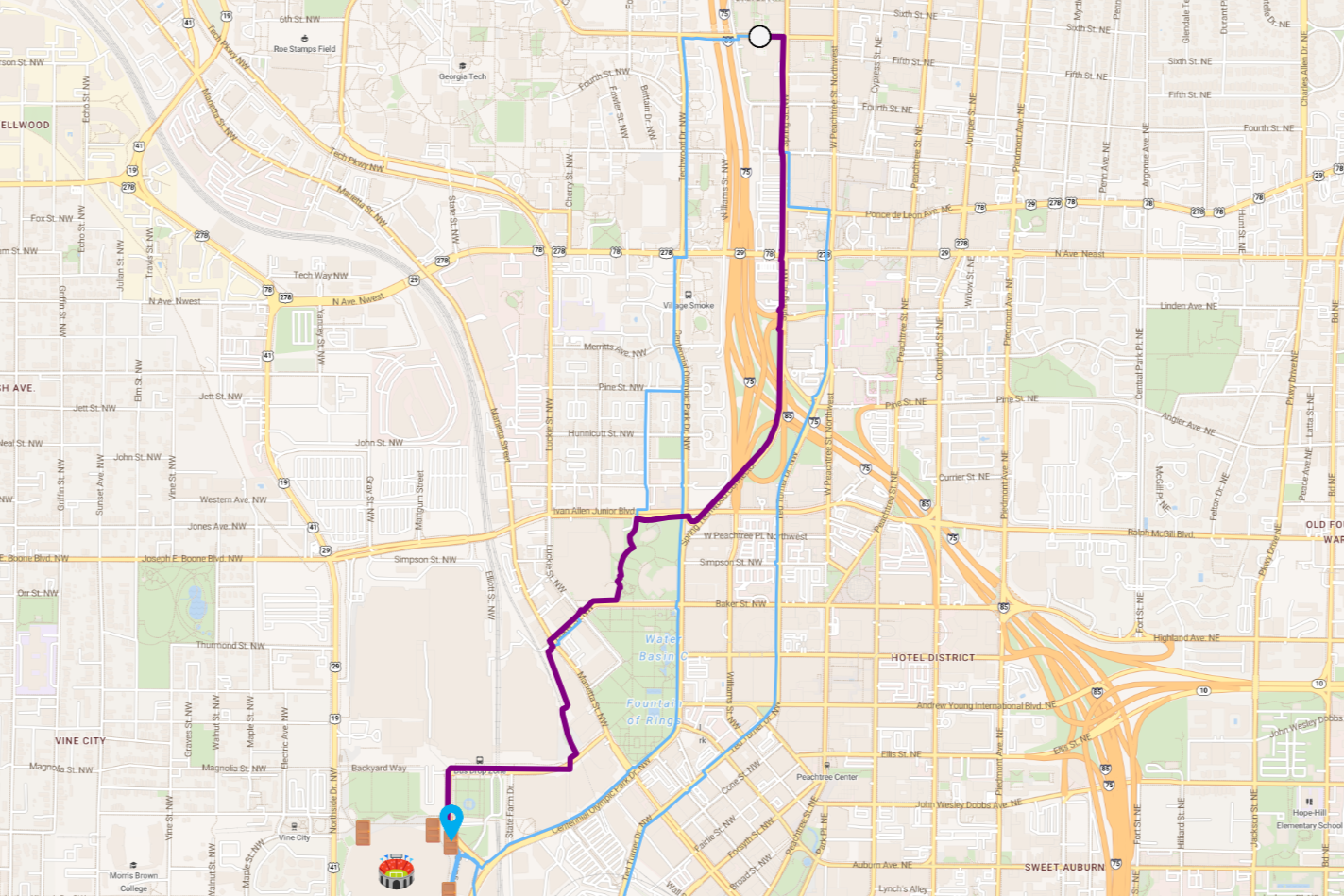
Find Your Coolest Route: Georgia Tech Launches App for 10 FIFA World Cup Cities
You’ve got your ticket and team jersey picked out, and you’re off to a FIFA World Cup match. But first you must get there. And despite the heat, many cities, including Atlanta, are encouraging fans to use public transit or walk or bike to get to the games. To help fans find the coolest, greenest, and fastest routes from nearby bus stops and train stations to the stadium, in June 2026 a team of Georgia Tech researchers launched the Cool Routes web app and mobile app in 10 U.S. cities hosting FIFA World Cup matches.
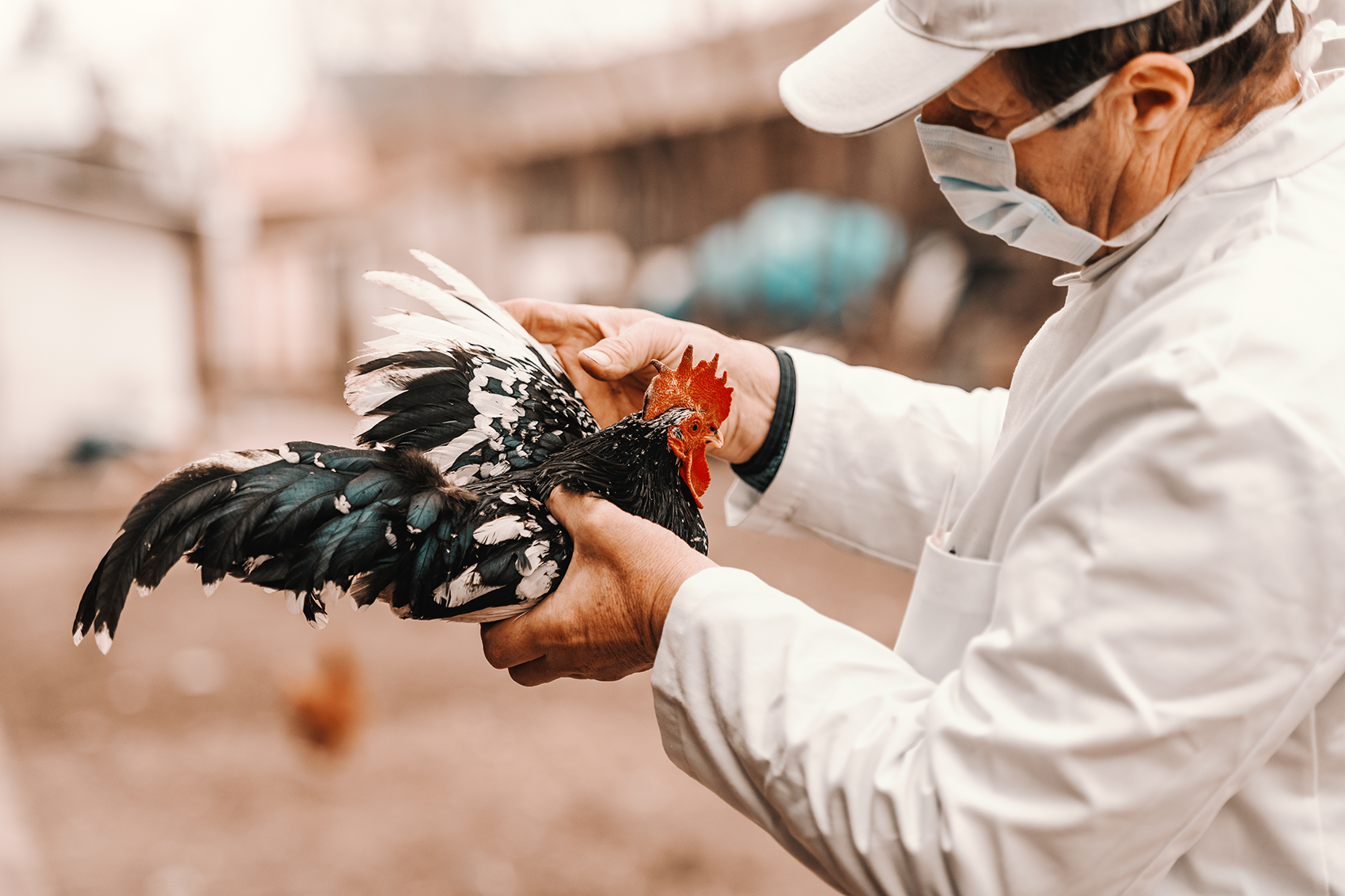
Georgia Tech Bird Flu Vaccine Project Lands $2M From USDA
Georgia Tech researchers are working on an oral bird flu vaccine that could transform poultry vaccination. Using artificial intelligence, the team is developing an edible vaccine that could protect birds from bird flu and reduce its spread to livestock and humans.
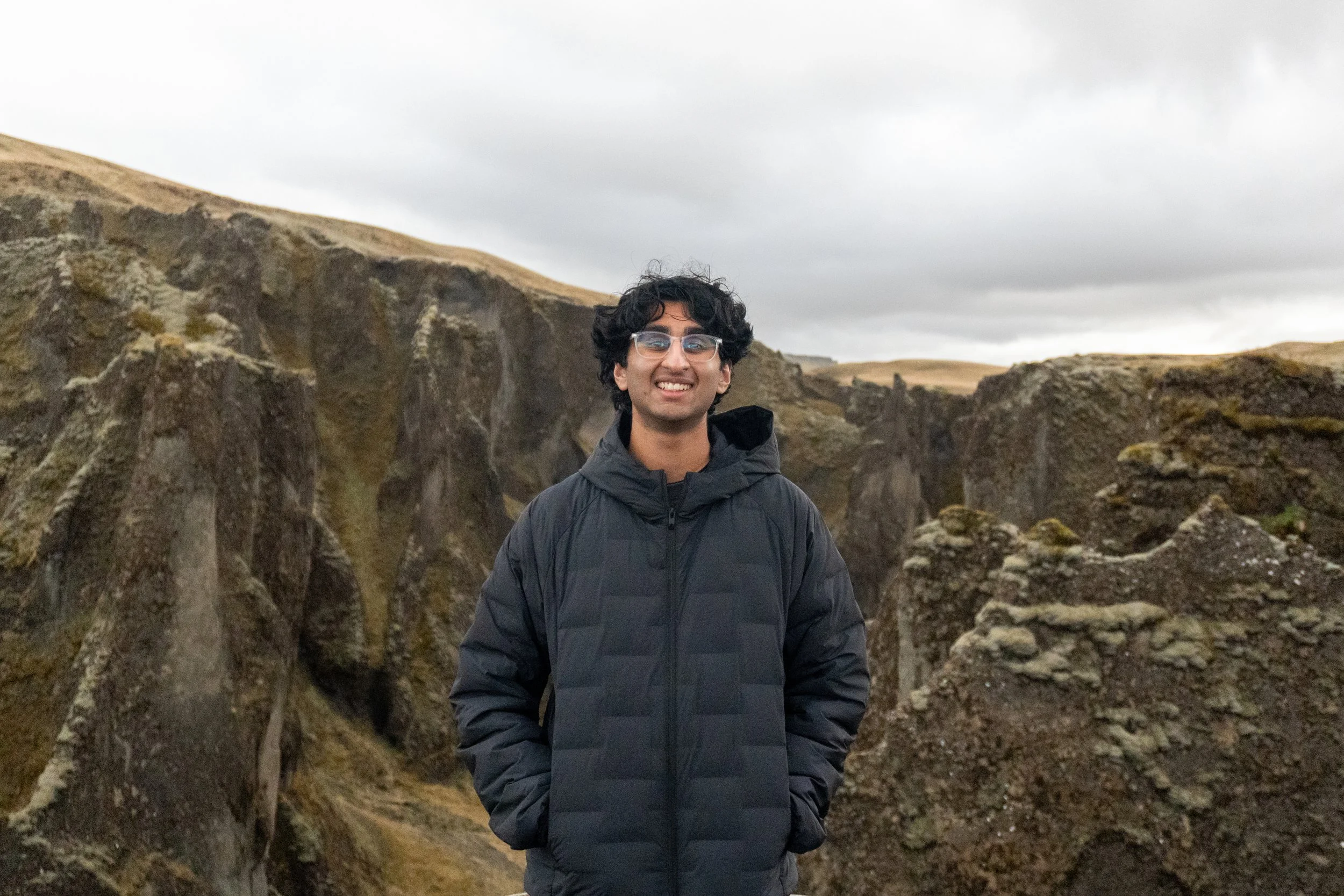
Mehul Jasti Developed JustLmk so You Can Register for the Courses You Need
Mehul Jasti, a computer science sophomore at Georgia Tech, isn’t leaving his academic goals up to luck. Instead, he developed JustLmk, an application that lets you be the first to know when availability or restrictions change so you can sign up for the courses you need to graduate on time.

Turning Every Step Into Data Collection
Georgia Tech researchers and community advocates with Propel ATL are attaching temperature and air quality sensors to their backpacks and bikes to get on-the-ground data that will show where the city is hottest. The goal of the Neutralizing Onerous Heat Effects on Active Transportation (NO-HEAT) Initiative, led by Dr. Rounaq Basu, is to mitigate the negative impact of extreme heat by providing city planners with actionable data to make design changes to make cities cooler where they are needed most, and by empowering people to find the coolest walking and biking routes as they move around the city.

Making Microscopy More Accessible with Smartphone-Guided Slide Scanning
Most people haven't realized smartphones can be part of clinical workflow. For Sixuan Wu, a PhD student in computer science and researcher at TSRB, that assumption is exactly the problem. It is also the starting point for a project reimagining how blood analysis can be done.
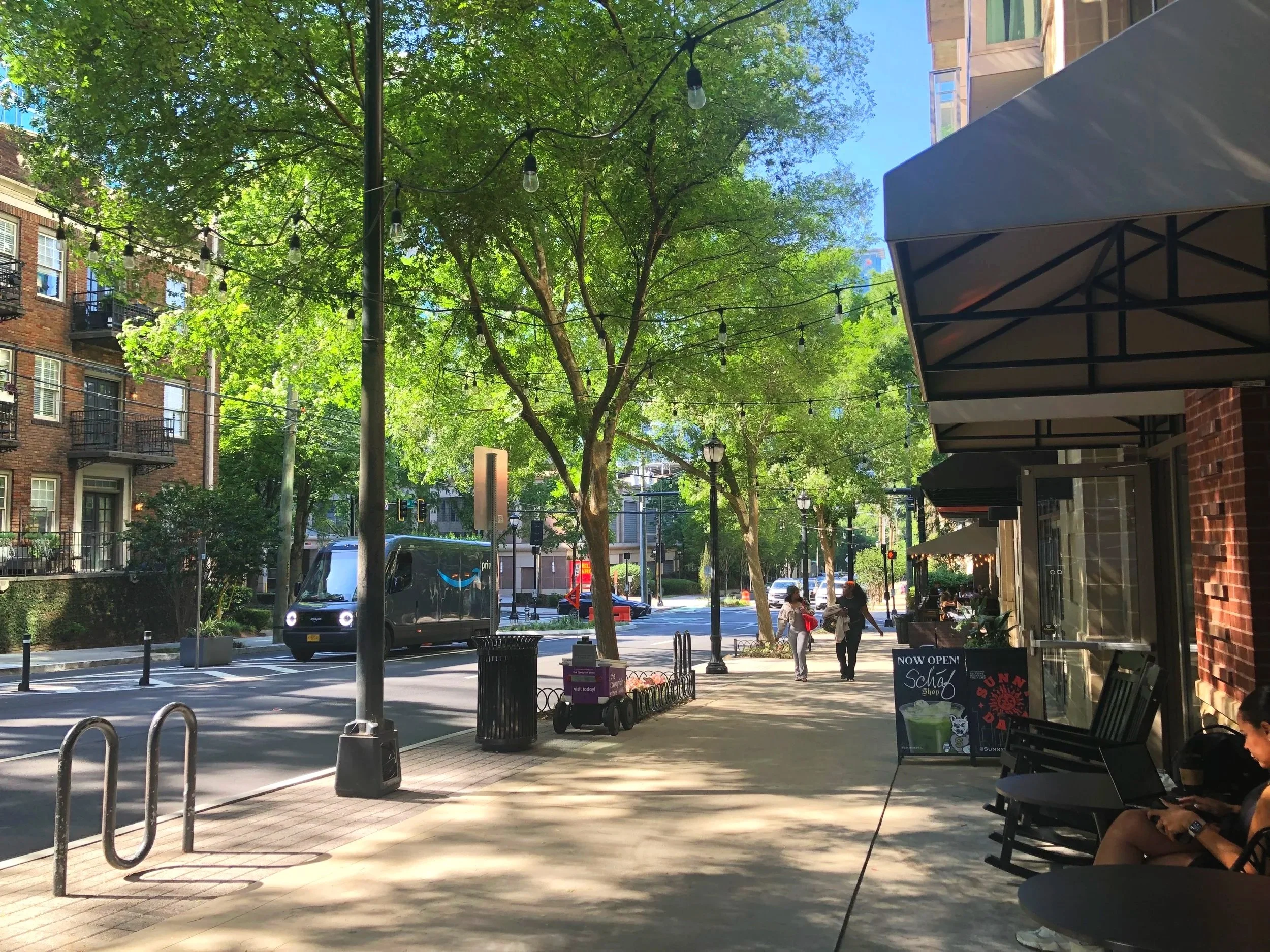
Moving from the 15-Minute City to the Harmonious City
Buildings, lights, streets, and sidewalks. The built environment is the designed spaces that we live in, work from, and travel through. Seung Jae Lieu’s research at Georgia Tech focuses on the built environment, and specifically, where it is possible to walk from one place to another, known as walkability. Lieu developed the “Harmony of Amenities” metric to explore why people choose to walk or drive, even when an area has nearby amenities.
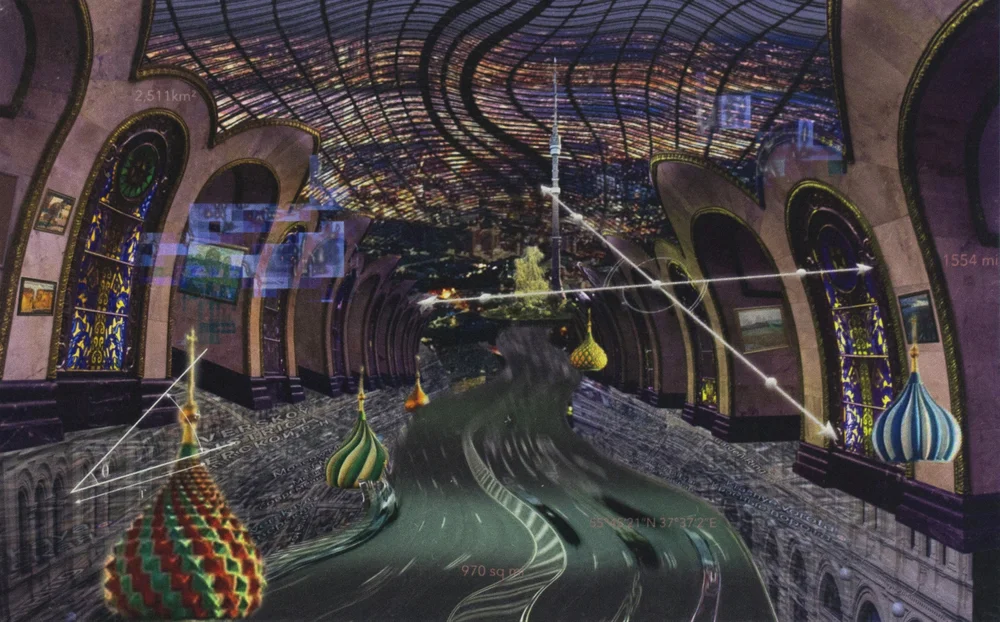
From Algorithm to Artifact
Every image you see online has already been shaped before it reaches you. It is filtered, ranked, and delivered through systems that decide what deserves attention. Hyunha Lim’s work starts there, inside that flow of images, and then pulls them out of circulation.
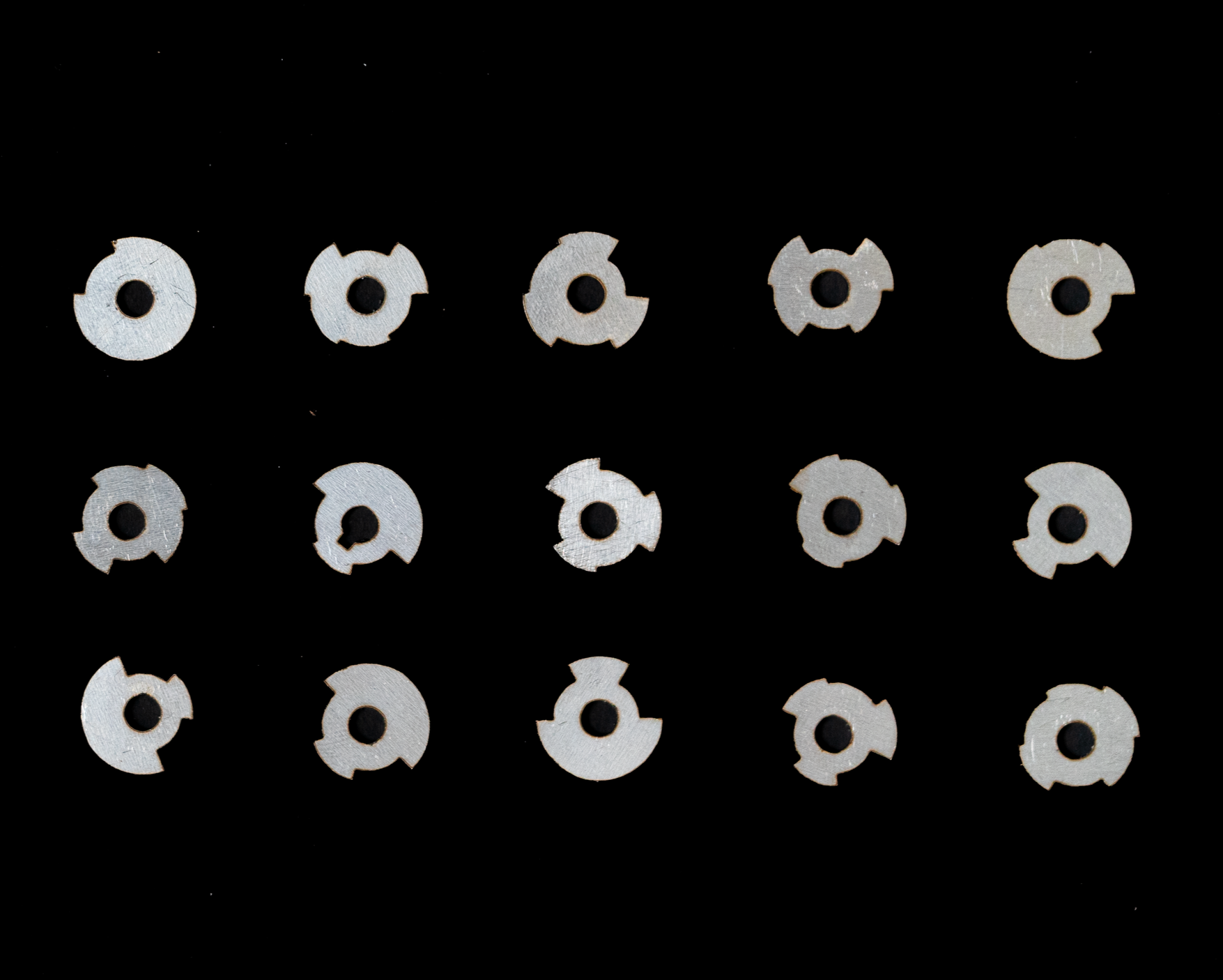
These Metal Tags Could Make Smart Home Sensing Less Intrusive
In a typical smart home, intelligence comes at a cost. Cameras track movement. Sensors require batteries. Devices connect through fragmented systems that demand constant maintenance. TSRB researcher and PhD candidate Yibo Fu is exploring a different model. One where everyday objects quietly signal their use without electronics, cameras, or friction added to daily life.