
News & Research
Local Solutions to Global Problems: The SDG Futures Fellowship Experience
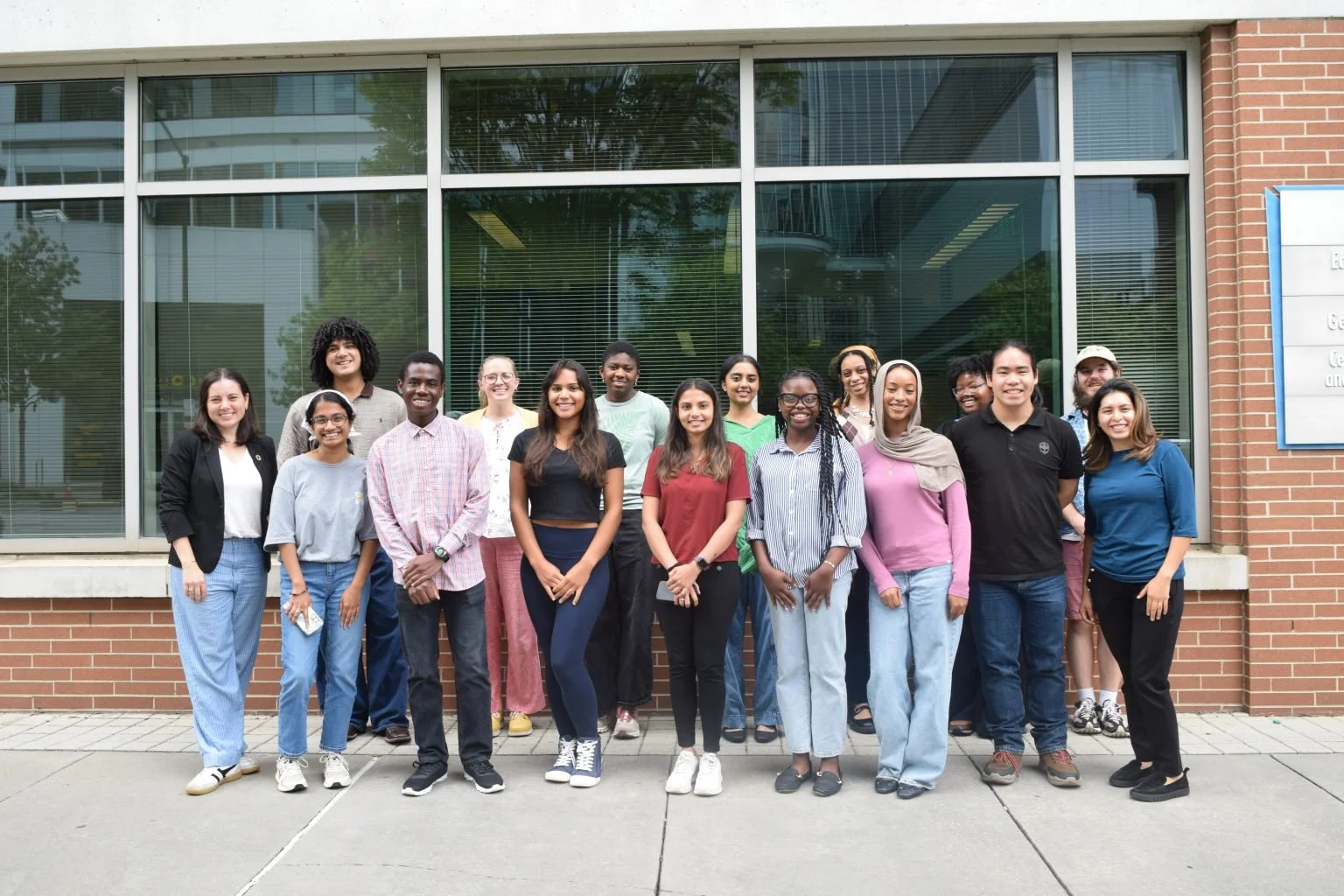
While enrolled at Spelman College, Naomi Wagner was seeking opportunities to bring together her interests in civic engagement, environmental justice, sustainability, and education. When she learned about the SDG Futures Fellowship, Wagner couldn’t wait to apply. The United Nations Sustainable Development Goals are at the core of the SDG Futures Fellowship. “We take a global to local impact approach,” said Anna Tinoco-Santiago, co-lead of the SDG Futures Fellowship Program.

Inside the ATHENA Lab
In the Technology Square Research Building (TSRB) at the heart of Tech Square, the ATHENA Lab operates with a simple premise: research should not stop at theory. That mindset has defined the lab since 1998. Nearly three decades later, the lab has become a distinctive engine, producing world-leading hardware and addressing global grand challenges that move quickly from concepts to physical systems.
The CEAR Hub Helps Coastal Communities Build Resilience
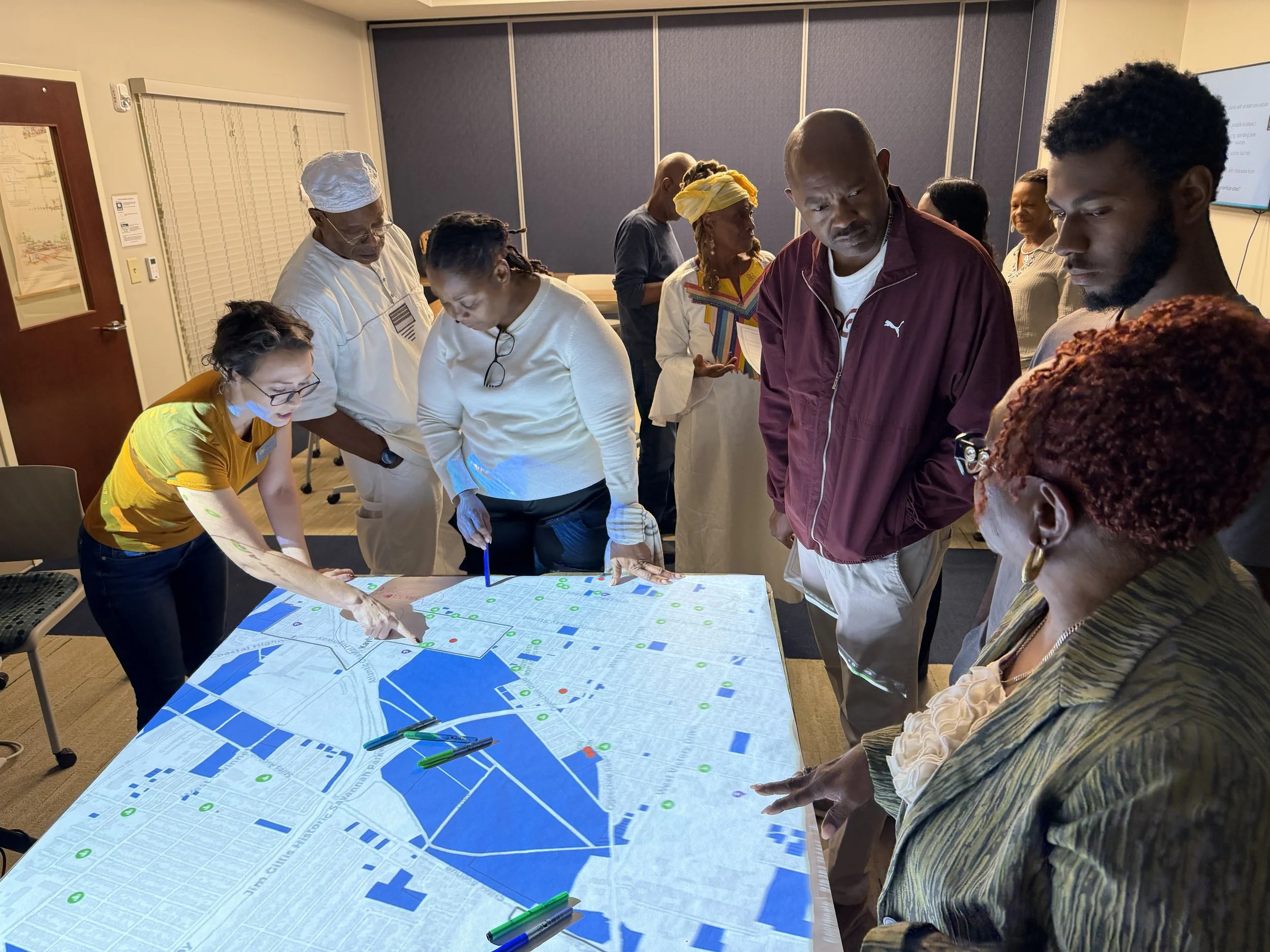
The work happens more than 200 miles from Tech Square, but its roots run straight through Atlanta. Along coastal Georgia's marshes and waterfronts, Georgia Tech researchers are helping communities read the water, plan for it and push back against it. They call the effort the Coastal Equity and Resilience Hub, or CEAR Hub.
Beyond Lithium: Why the Next Innovation Race Is About Energy Ecosystems, Not Just Better Batteries
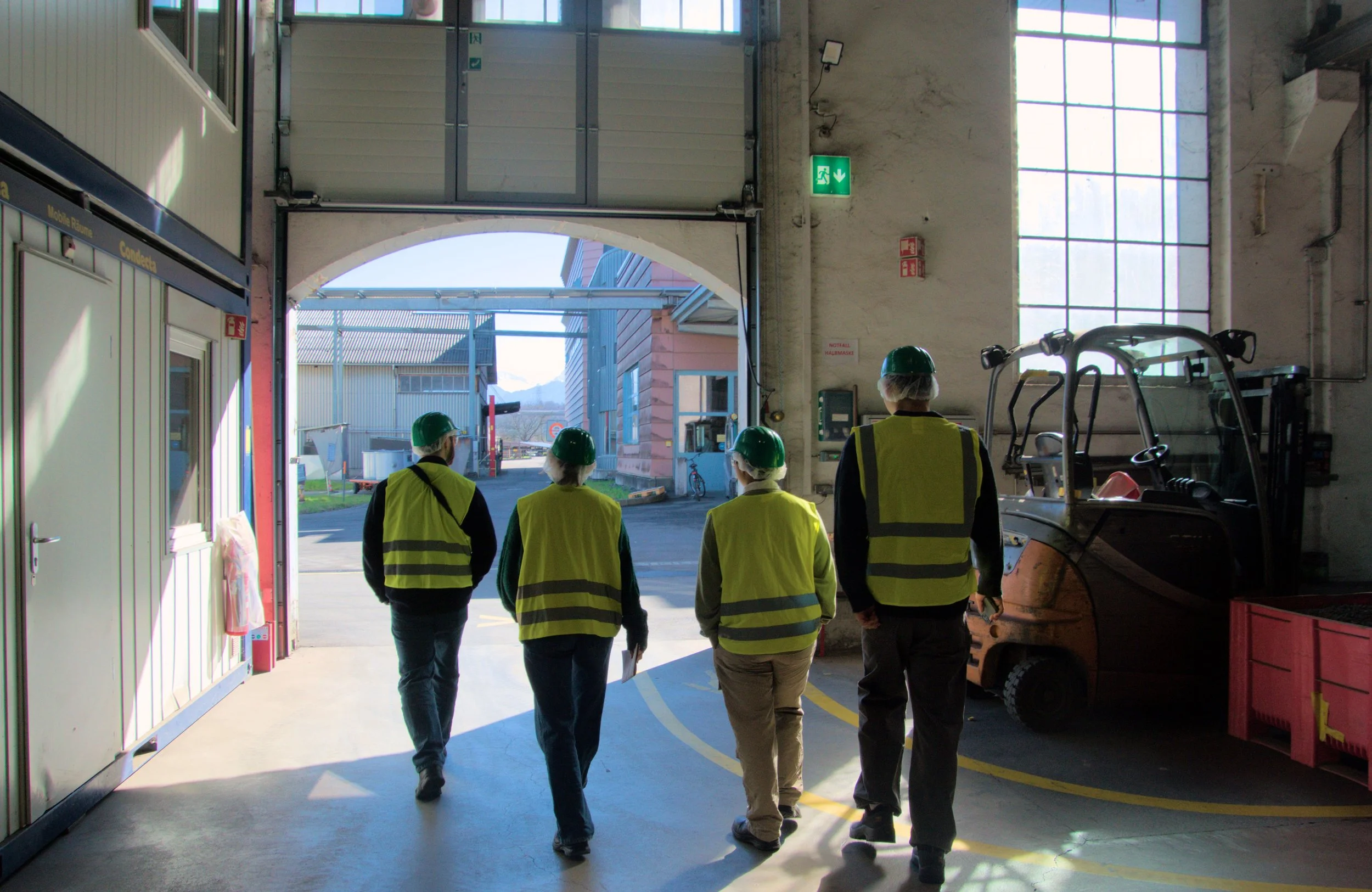
Artificial intelligence (AI) has dominated headlines over the past few years. Advances in foundation models, increasingly powerful computing hardware, and rapid improvements in AI capabilities have fueled excitement about the future of technology. Yet while much of the conversation about technology focuses on computation, a quieter transformation is taking place in parallel: energy storage is becoming one of the defining technologies of the coming decade.
Turkish Shuttle Technology Makes Debut in Atlanta With Beltline Pilot
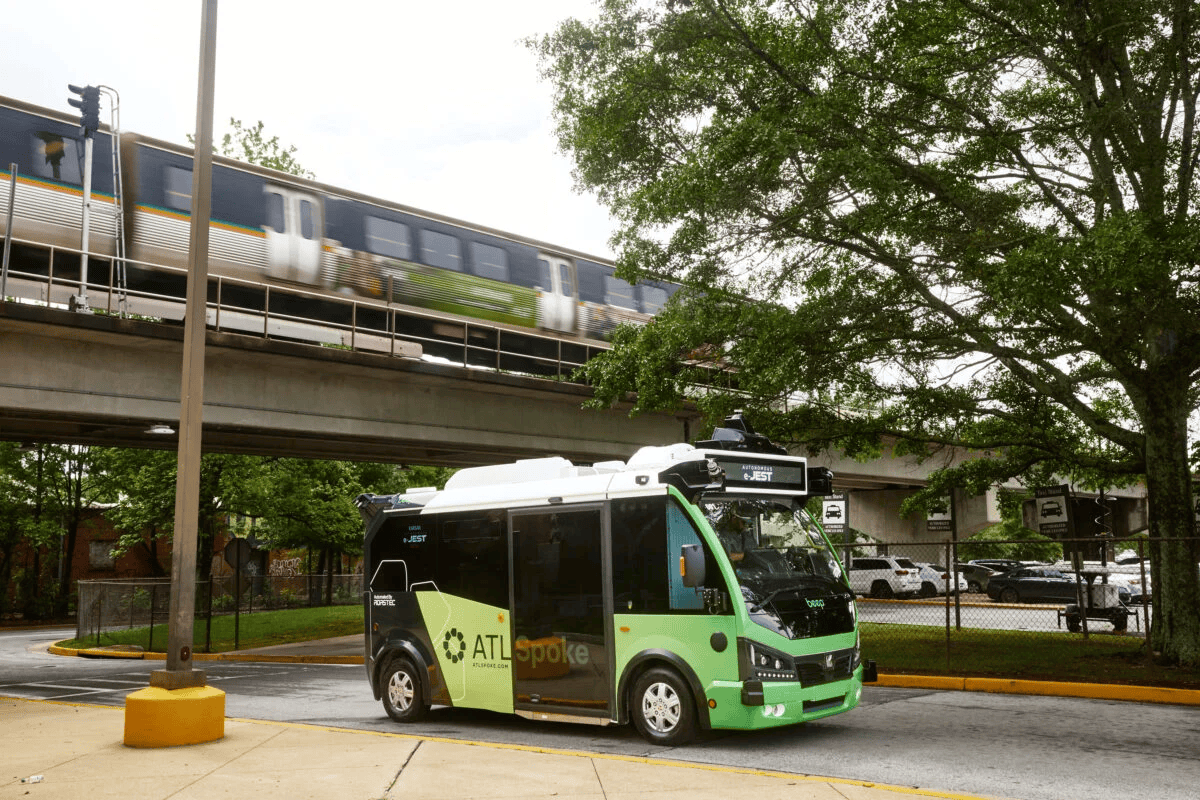
A Turkish electric shuttle technology has made its U.S. debut on the Atlanta Beltline with the launch of a pilot project linking the transformative trail project and MARTA’s established rail network.
Find Your Coolest Route: Georgia Tech Launches App for 10 FIFA World Cup Cities
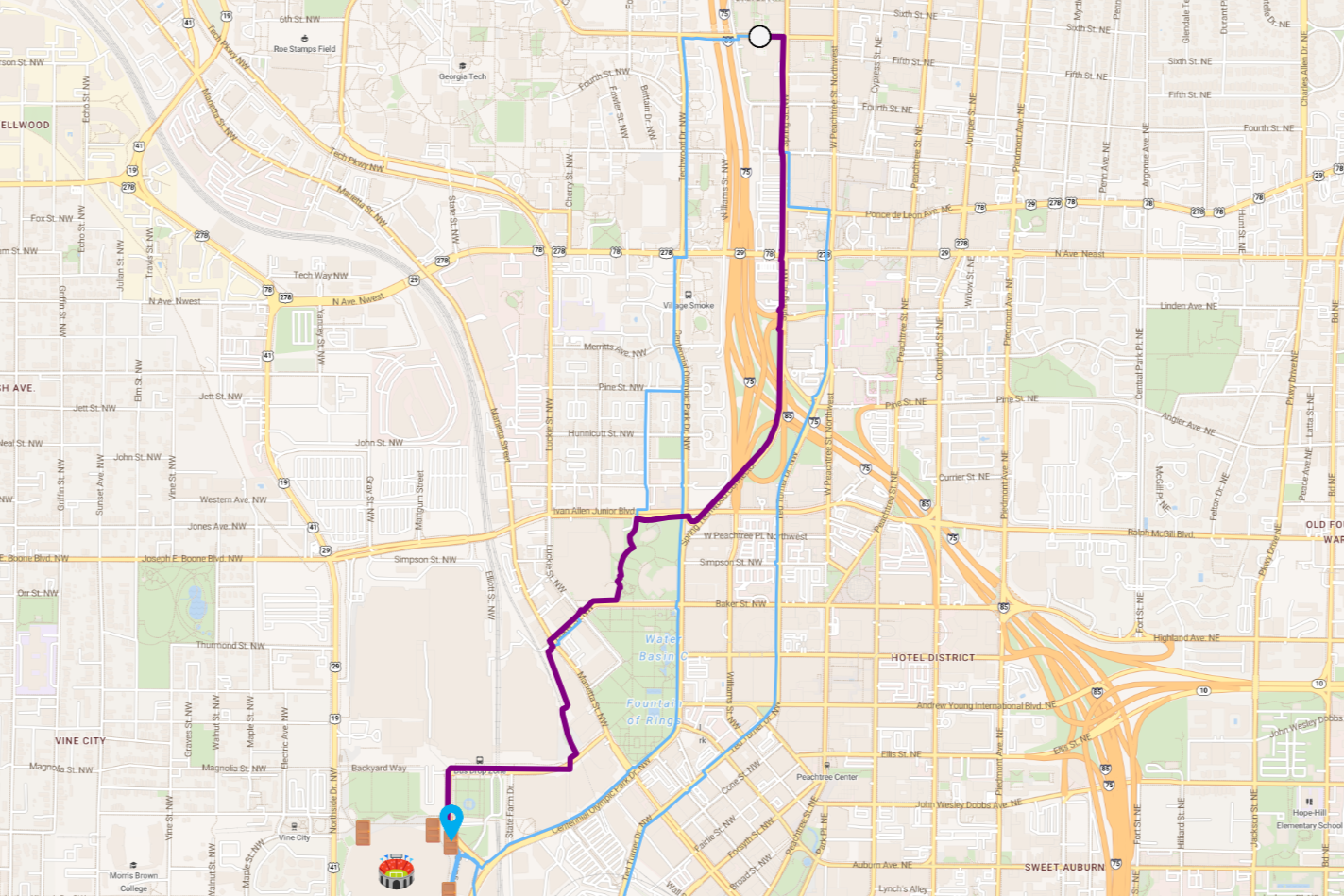
You’ve got your ticket and team jersey picked out, and you’re off to a FIFA World Cup match. But first you must get there. And despite the heat, many cities, including Atlanta, are encouraging fans to use public transit or walk or bike to get to the games. To help fans find the coolest, greenest, and fastest routes from nearby bus stops and train stations to the stadium, in June 2026 a team of Georgia Tech researchers launched the Cool Routes web app and mobile app in 10 U.S. cities hosting FIFA World Cup matches.
Crunch Time: Play With Purpose Sustainability Hackathon Fuels Innovation for Good
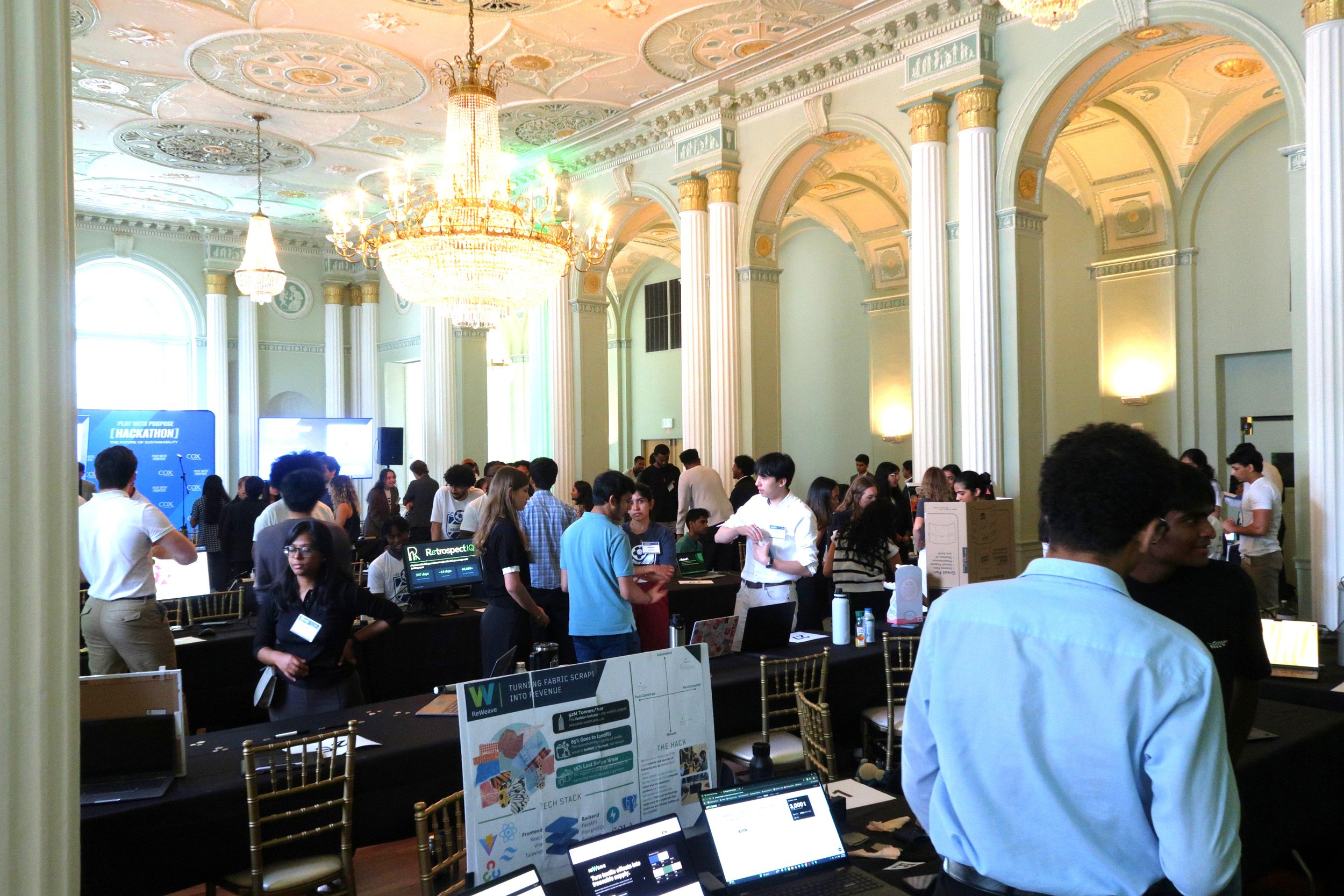
After a whirlwind 72 hours of ideating, testing, and building, over 300 students gathered in the Biltmore Innovation Center for the Play with Purpose Sustainability Hackathon showcase. Teams arrived ready to pitch their solutions to real-world sustainability challenges. And the stakes of the friendly competition? Four FIFA World Cup match tickets and a guaranteed interview for the Cox Cleantech Residency.

Sustainability on Tap: Joyful Jarra Brings Sustainable Options to Atlantans
Veronica Apecena never expected to launch a retail business. And now, Apecena is the owner of Joyful Jarra, a refillery providing non-toxic, low-waste, and a variety of locally sourced home and body products to Atlantans. More than just a place to bring your collection of favorite jars (jarra in Spanish) and refill them with sustainable alternatives for yourself and your home, Joyful Jarra is also dedicated to closing the large employment gap experienced by people with developmental disability and neurodivergent labels by creating jobs and training opportunities.

Turning Every Step Into Data Collection
Georgia Tech researchers and community advocates with Propel ATL are attaching temperature and air quality sensors to their backpacks and bikes to get on-the-ground data that will show where the city is hottest. The goal of the Neutralizing Onerous Heat Effects on Active Transportation (NO-HEAT) Initiative, led by Dr. Rounaq Basu, is to mitigate the negative impact of extreme heat by providing city planners with actionable data to make design changes to make cities cooler where they are needed most, and by empowering people to find the coolest walking and biking routes as they move around the city.
Moving from the 15-Minute City to the Harmonious City
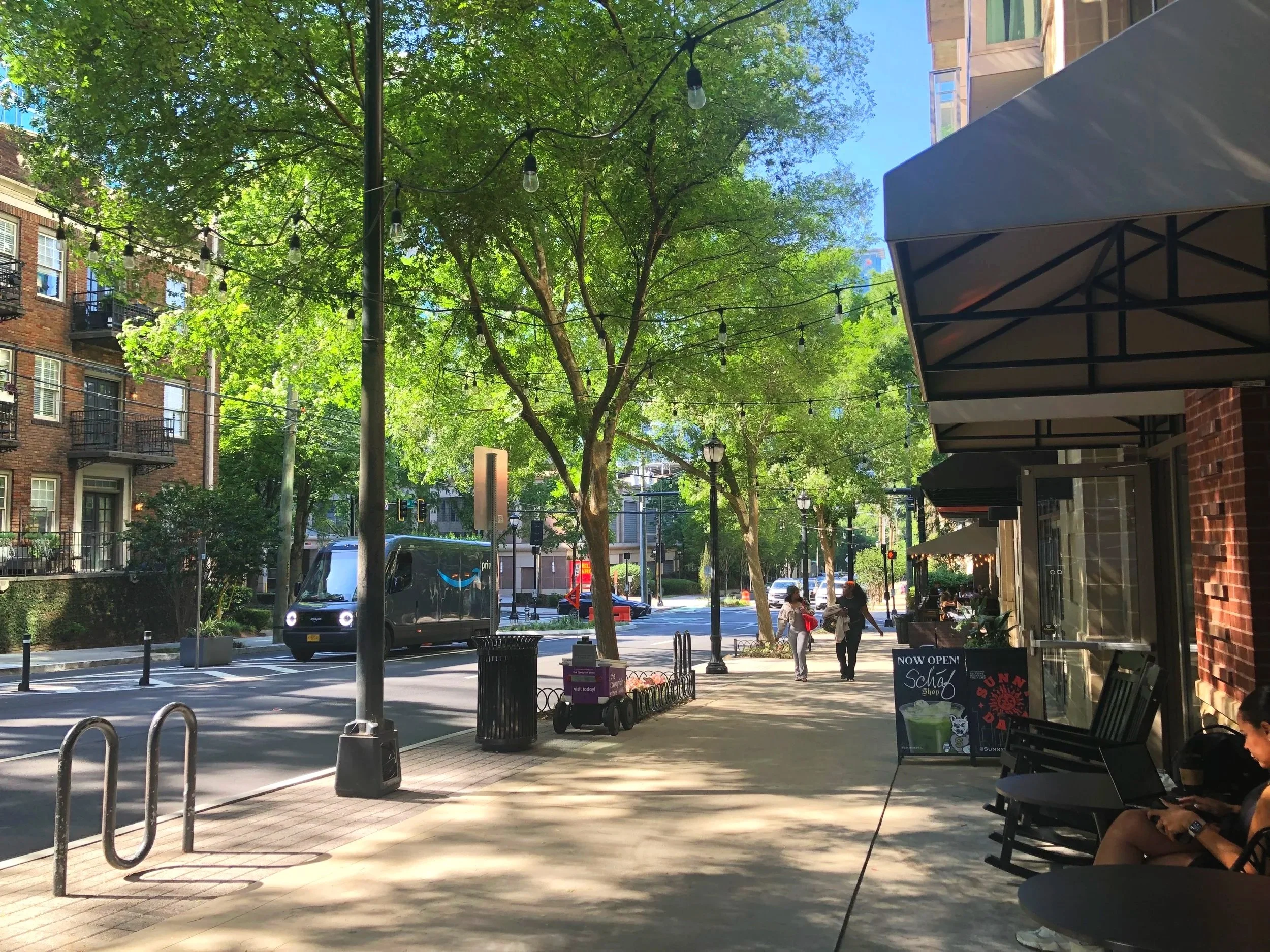
Buildings, lights, streets, and sidewalks. The built environment is the designed spaces that we live in, work from, and travel through. Seung Jae Lieu’s research at Georgia Tech focuses on the built environment, and specifically, where it is possible to walk from one place to another, known as walkability. Lieu developed the “Harmony of Amenities” metric to explore why people choose to walk or drive, even when an area has nearby amenities.
How Can Cities Build Resilience to Flooding and Drought? Experts Distilled Insights at CURA’s 2026 Symposium
“We have to design with uncertainty based on what is not known about sea level rise, climate, and different futures,” said Matthijs Bouw, presenter at the Georgia Tech Center for Urban Resilience and Analytics (CURA) 2026 Urban Resilience Leadership Symposium. At the symposium, experts and researchers shared how navigating uncertainty about the impacts of climate change is shaping city planners' actions to build urban resilience.
Designing With, Not For: Dr. Carl DiSalvo’s Approach to Accompaniment
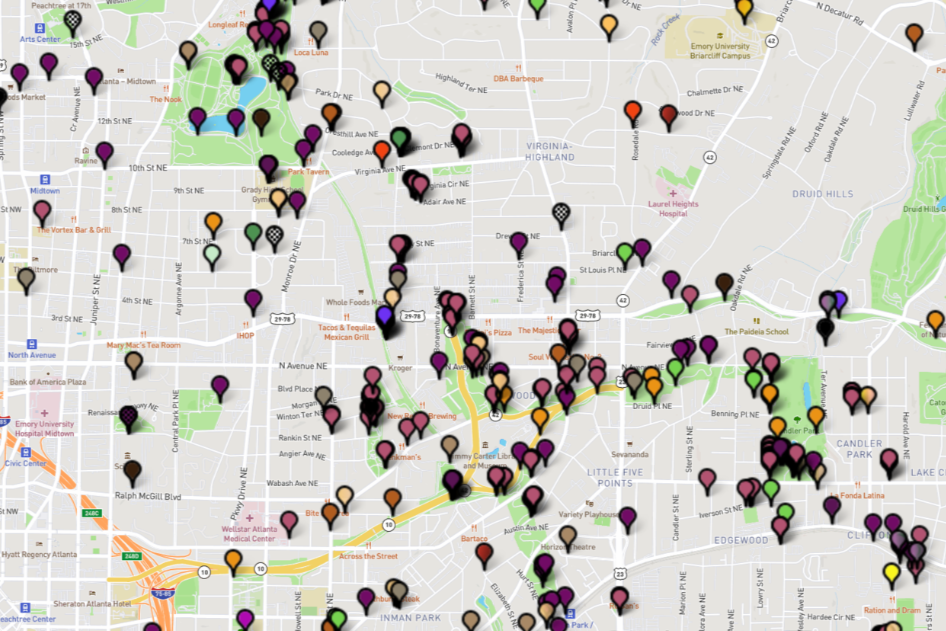
Last semester, faculty, students, and researchers gathered in the Hodges Room at Centergy One for the latest IPaT GVU Lunch Lecture. Dr. Carl DiSalvo, professor in the School of Interactive Computing, took the floor to pose a simple but unsettling question: What if the real power of design is not what we produce, but how we stand with people along the way?
Inspire Placemaking’s Full-Circle Moment
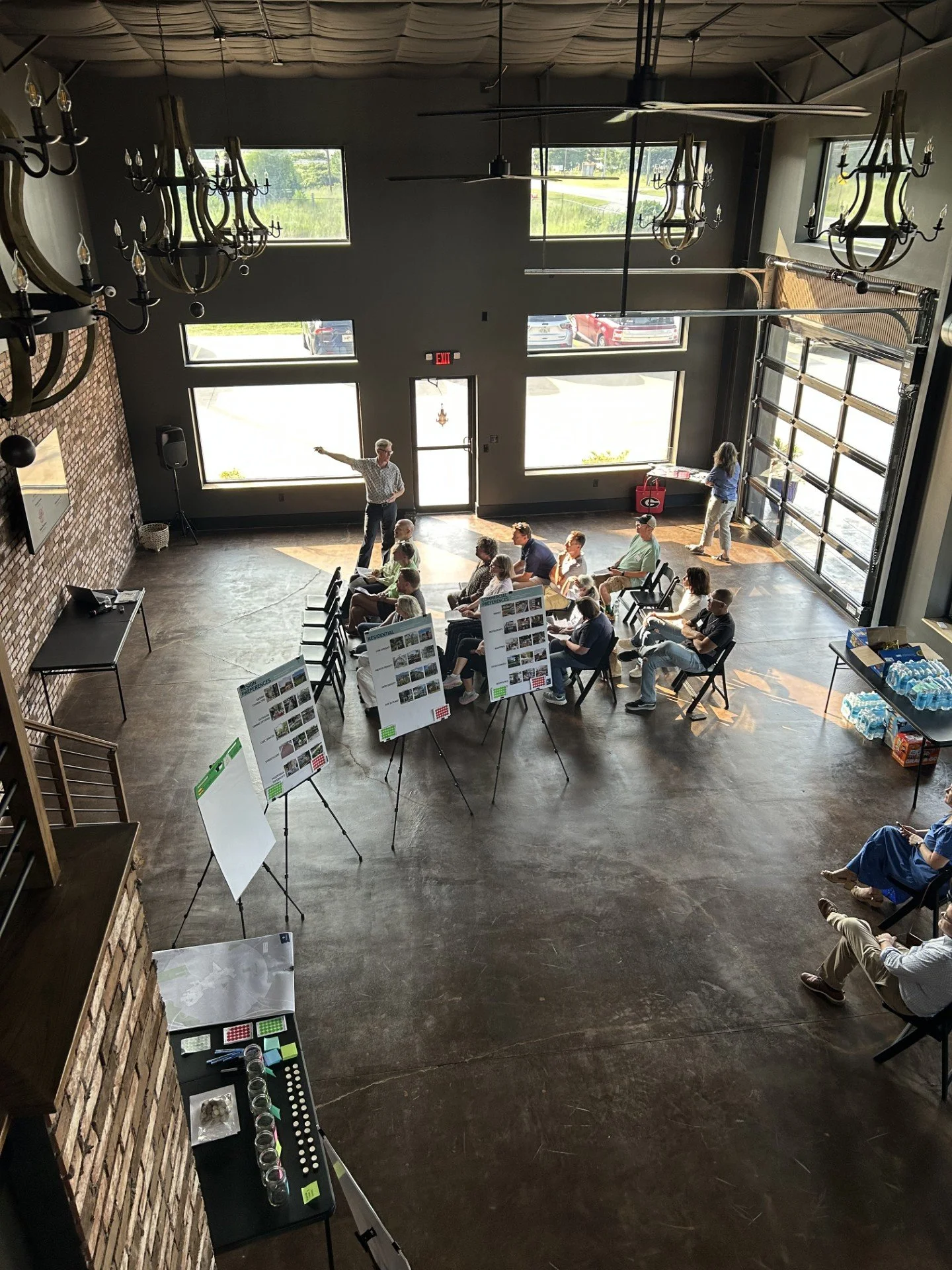
Inspire Placemaking Collective is shaping places that shape communities.
From the Biltmore Innovation Center, the firm planted its Atlanta office in Tech Square in April 2025, a full-circle move after drawing inspiration from the district years earlier.

Mapping Heat Across Atlanta’s Neighborhoods
On a summer Atlanta afternoon, the temperature can shift block by block. A street lined with trees feels bearable. Two intersections over, asphalt radiates heat and the air hangs heavy. Those differences are not incidental, nor are they harmless. For PhD candidate Ashley Boone, data provides a pathway to change that reality by mapping, interpreting, and mobilizing environmental patterns in the city.
From Book Club to City-Wide Sustainability Network
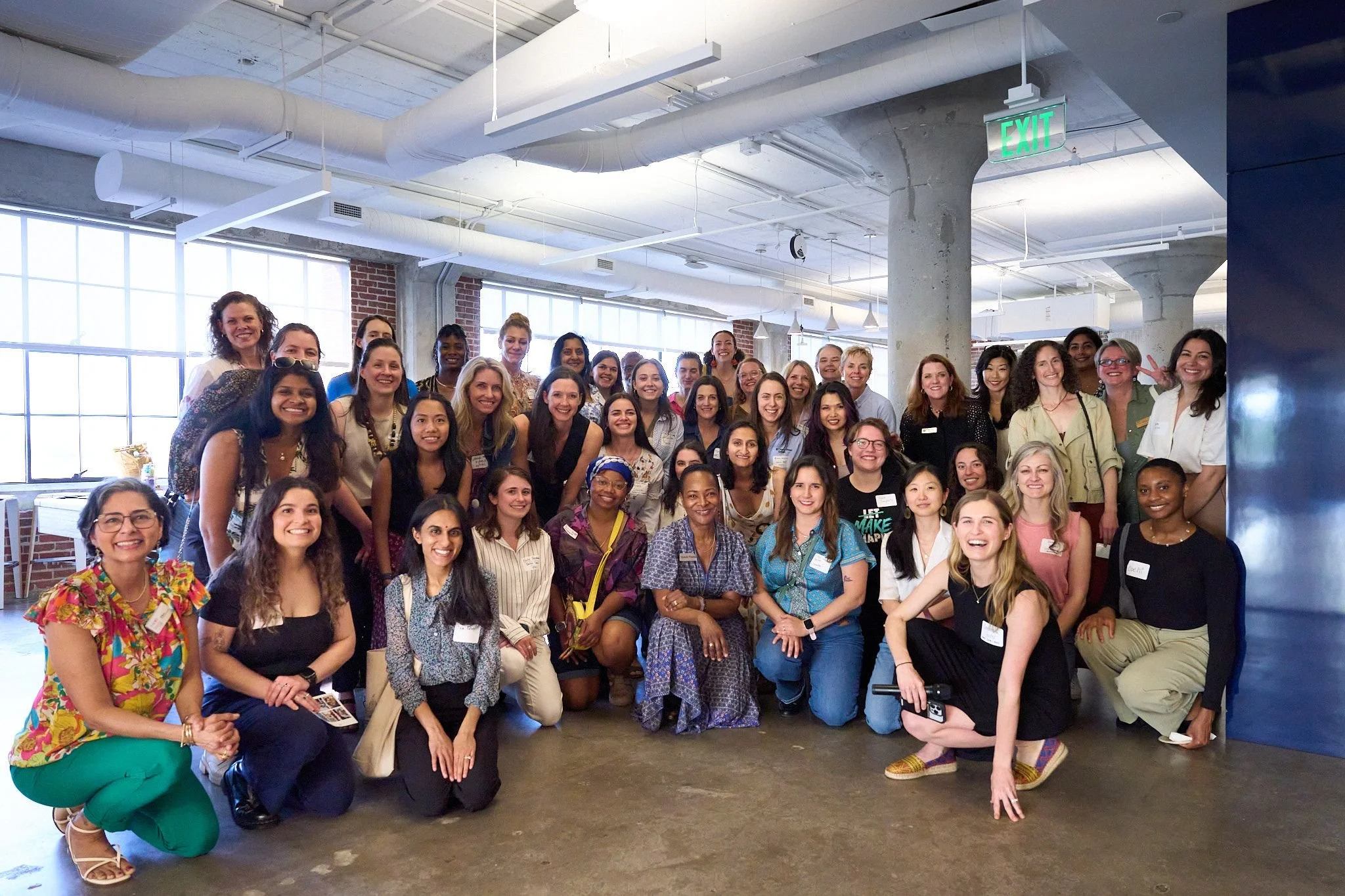
What started as a six-person, virtual book club is now a volunteer-led network of over 600 women across Atlanta who are building a greener future. When challenges are complex, such as with climate change, nurturing a community is a powerful starting point. This perspective is at the heart of the Atlanta Women in Sustainability, who gather, share stories and ideas, and explore solutions to society’s biggest challenges.