
News & Research

Reaching Where Neurosurgeons Can't
A Georgia Tech lab and an Emory neurosurgeon are teaming up on untethered microrobots designed to reach the deepest, hardest-to-treat corners of the brain.
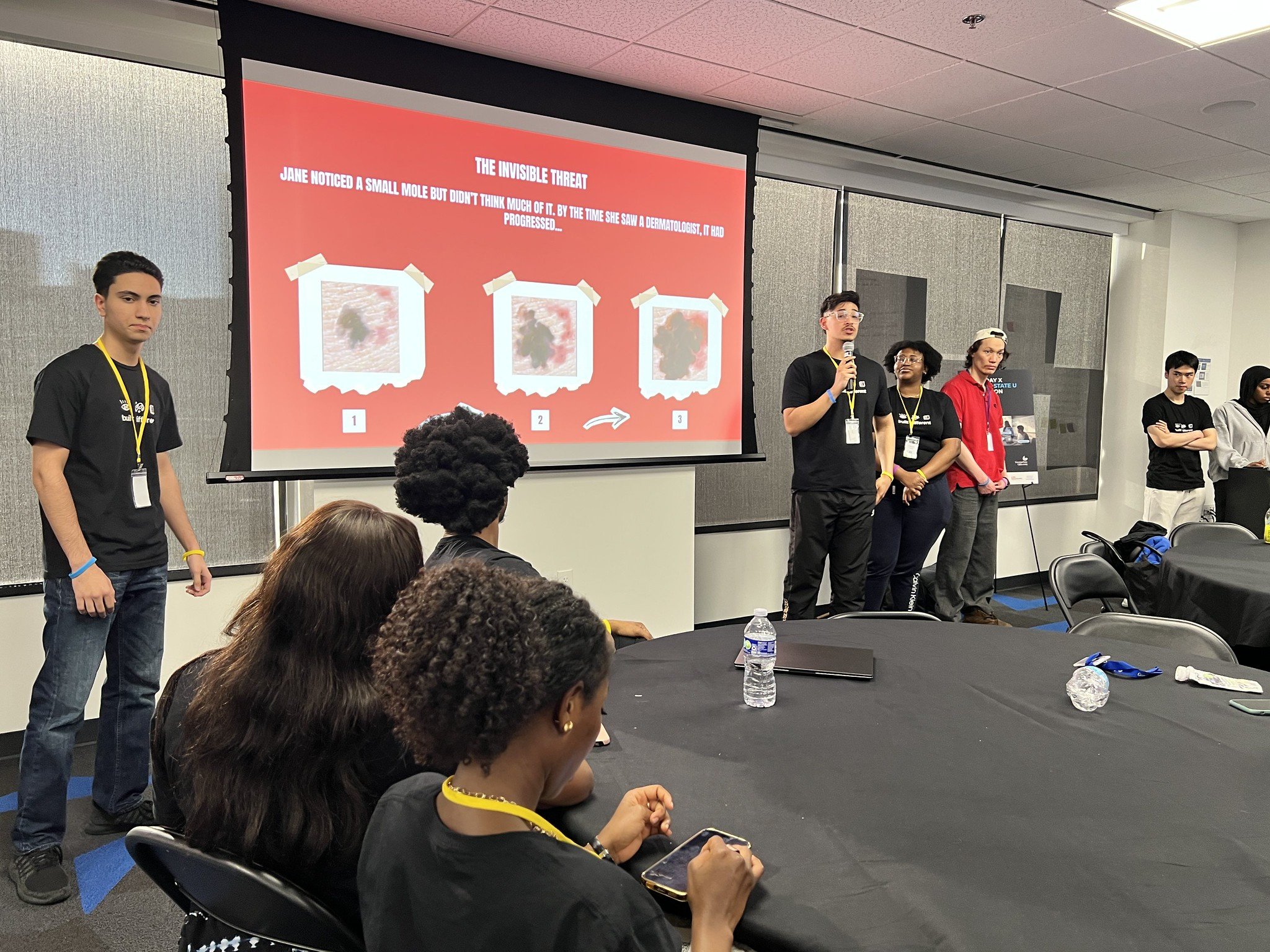
Georgia Teen Is Building Skin Cancer Awareness and Helping People Connect with Clinicians with SkinTight AI
Build Day X Innovation Bootcamp hackathon was a true launchpad for Barsa Majidi. After participating in one of the winning teams, Majidi continued to build on the idea. The result for this Georgia teen? He founded SkinTight AI, an AI-powered skin cancer monitoring tool that helps people learn about the signs of skin cancer to watch for, raise awareness of how to protect their skin health, and connect with local dermatologists for an expert review.

Voyage Health Wants to Answer Healthcare's Most Common Question
Anish Cheekati spent years on the pre-med track, gaining experience as a medical assistant and volunteering in clinics. His plans shifted after working with patients who often struggled to manage their various medications without guidance. This inspired him to create Voyage Health, a free AI-powered health guidance platform.

These Georgia Students Are Asking Teens to Pause for Five Seconds Before Scrolling
When high school students, Pranshu Raithatha and Harsh Mehta, needed to focus on their coursework, they realized they were scrolling on social media apps. After trying application after application, they asked a behavioral design question to explore the root of the challenge of focused attention as they set out to build Mivo Scrolling: “Can a brief pause at the exact moment someone opens social media help turn an impulse into an intentional choice?”

How Technology and User-Centered Design Are Making Kitchen Cabinets Cognitively Friendly
To help adults with mild cognitive impairment maintain independence, quality of life, and prepare meals, what may seem like an obvious solution of either removing kitchen cabinet doors or labeling may not be the best option. This gap and Ibrahim Bilau’s evidence-based and human-centered research highlight why it is so important to engage with community members living with mild cognitive impairment and their care partners.

This Founder Is Making Inclusion Easier to Find
More than 70 percent of families with special needs children stay home rather than participate in everyday activities. Ashley Hanchett is building a platform to change that.

Making Microscopy More Accessible with Smartphone-Guided Slide Scanning
Most people haven't realized smartphones can be part of clinical workflow. For Sixuan Wu, a PhD student in computer science and researcher at TSRB, that assumption is exactly the problem. It is also the starting point for a project reimagining how blood analysis can be done.
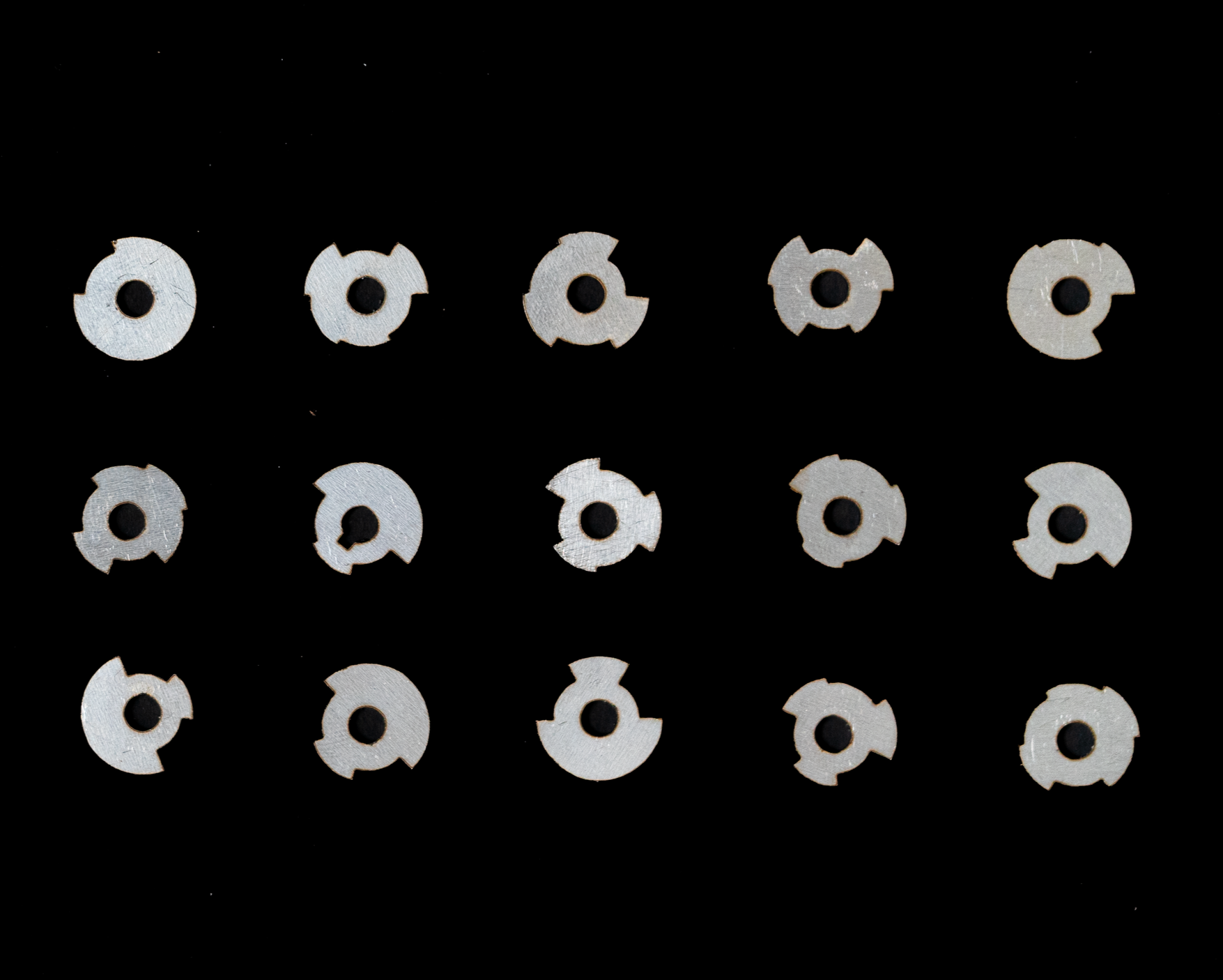
These Metal Tags Could Make Smart Home Sensing Less Intrusive
In a typical smart home, intelligence comes at a cost. Cameras track movement. Sensors require batteries. Devices connect through fragmented systems that demand constant maintenance. TSRB researcher and PhD candidate Yibo Fu is exploring a different model. One where everyday objects quietly signal their use without electronics, cameras, or friction added to daily life.
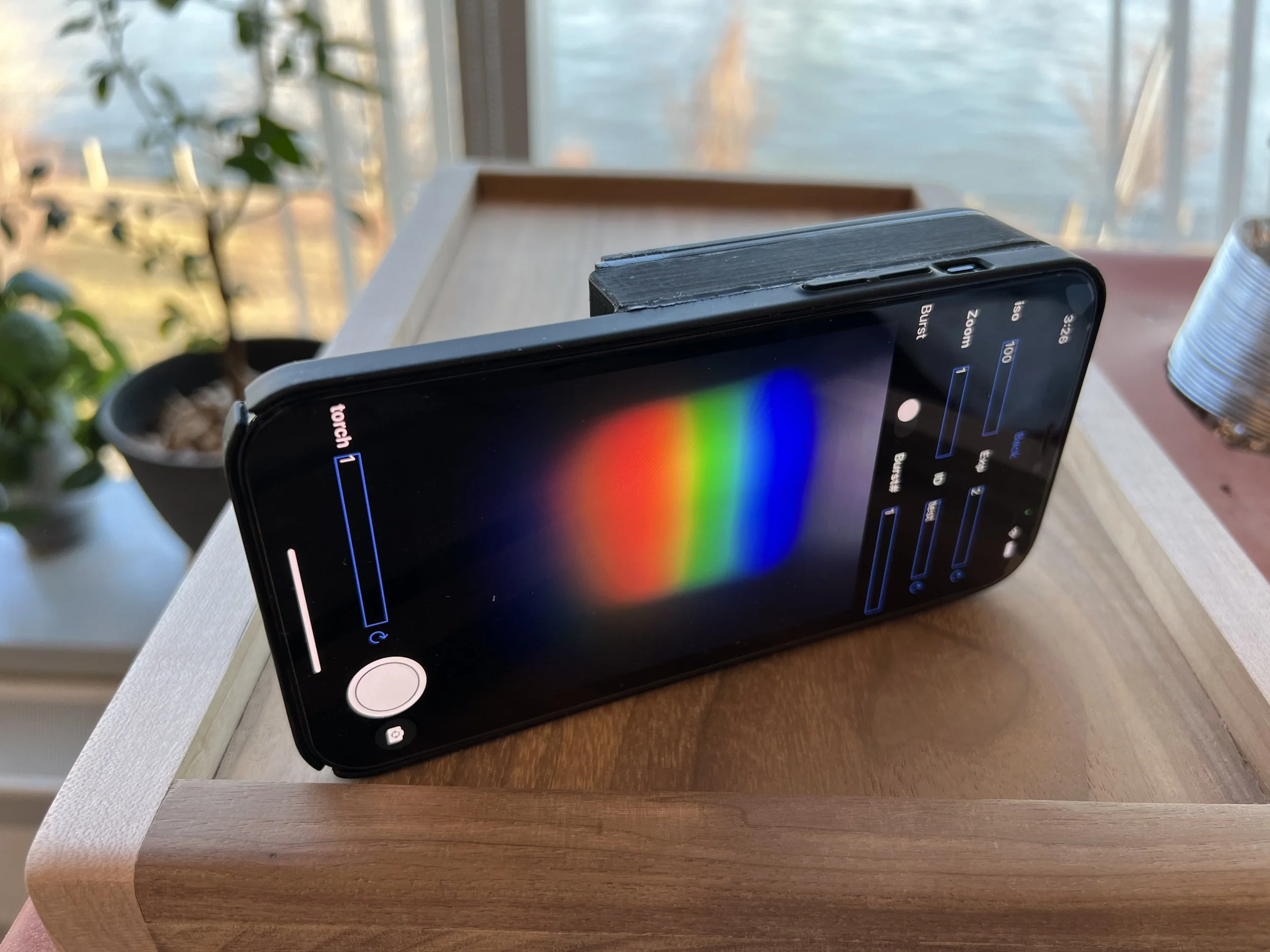
Turning a Smartphone into a Kidney Test
In the middle of Tech Square at TSRB, a smartphone sits snug inside what looks like a slightly oversized case. A small cuvette of urine slides into place. The flashlight kicks on. A few seconds later, the screen displays something that a dipstick (or even a trained eye) simply cannot produce: a precise, quantitative number.

When Western-Trained AI Meets African Healthcare
Artificial intelligence is increasingly stepping into the world of medicine. Large language models can summarize clinical notes, answer health questions, and assist physicians in diagnosing disease. In places where doctors are scarce and healthcare infrastructure is limited; these tools promise to expand access to care. But there is a problem hiding inside the data…

Tough Workout? Deleon’s At-Home Tech Reveals Personalized Insights to Guide Your Recovery
Deleon Technologies, a CREATE-X alumni company, is bringing daily metabolomics tracking of ten amino acids into homes by miniaturizing lab testing equipment and leveraging data-driven insights to provide athletes with personalized workout and recovery tips.
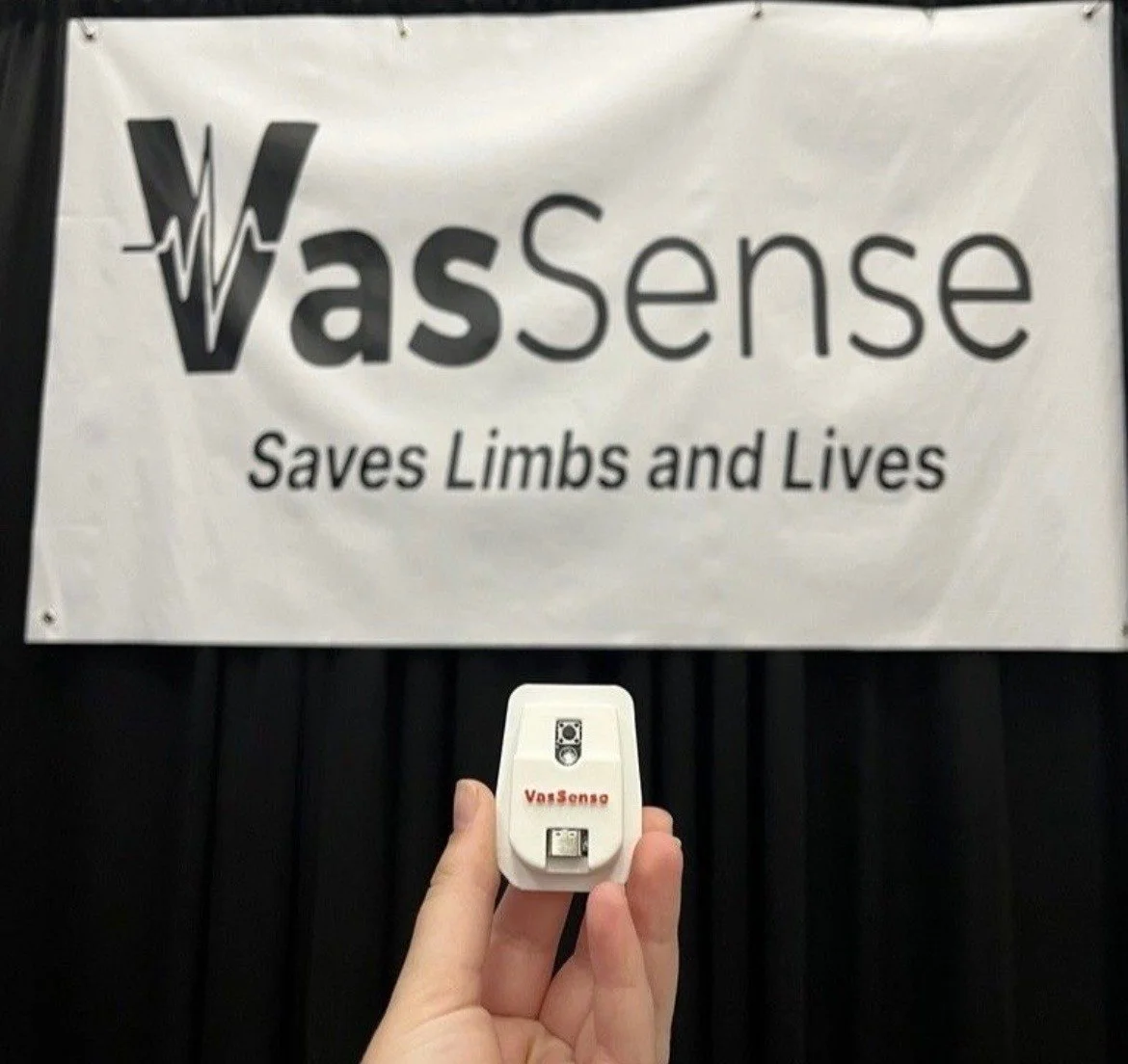
VasSense Provides Post-Surgical Care for PAD With an At-Home Monitoring Device
Peripheral Artery Disease (PAD) affects around 20 million people in the United States. The only way to definitively treat PAD is through surgery. However, monitoring one’s health after surgery is expensive, requiring patients to return to hospitals, and there is still a 12.5-20% incidence of secondary blockage post-surgery. CREATE-X startup, VasSense, has a solution. The startup’s wearable device allows for at-home monitoring for second incidences, making post-surgical care accessible.
PuffEM Takes a New Approach to Vaping Research
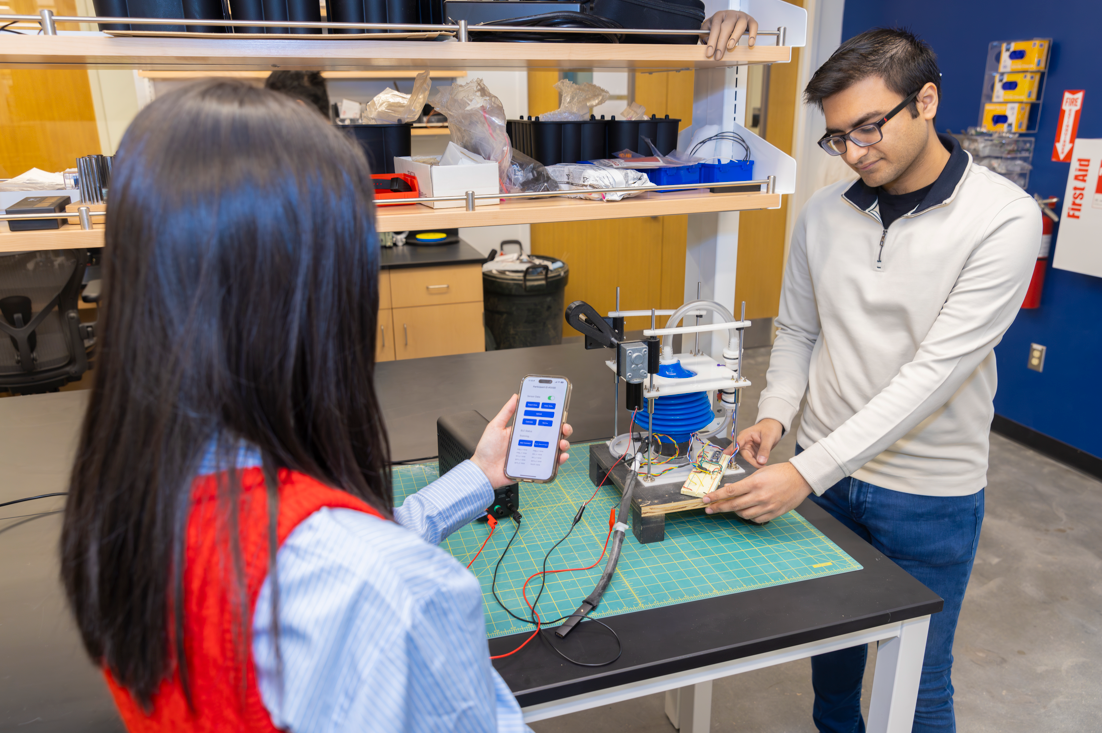
Vaping is now widespread, particularly among young adults, yet researchers lack reliable tools to quantify real-time nicotine intake. A new device developed at TSRB’s Uncommon Senses Lab estimates nicotine exposure by detecting the electromagnetic fields generated during each puff. The team calls it PuffEM.
AgeTech Connect Kicks Off 2026 with Collaboration…and Robots!
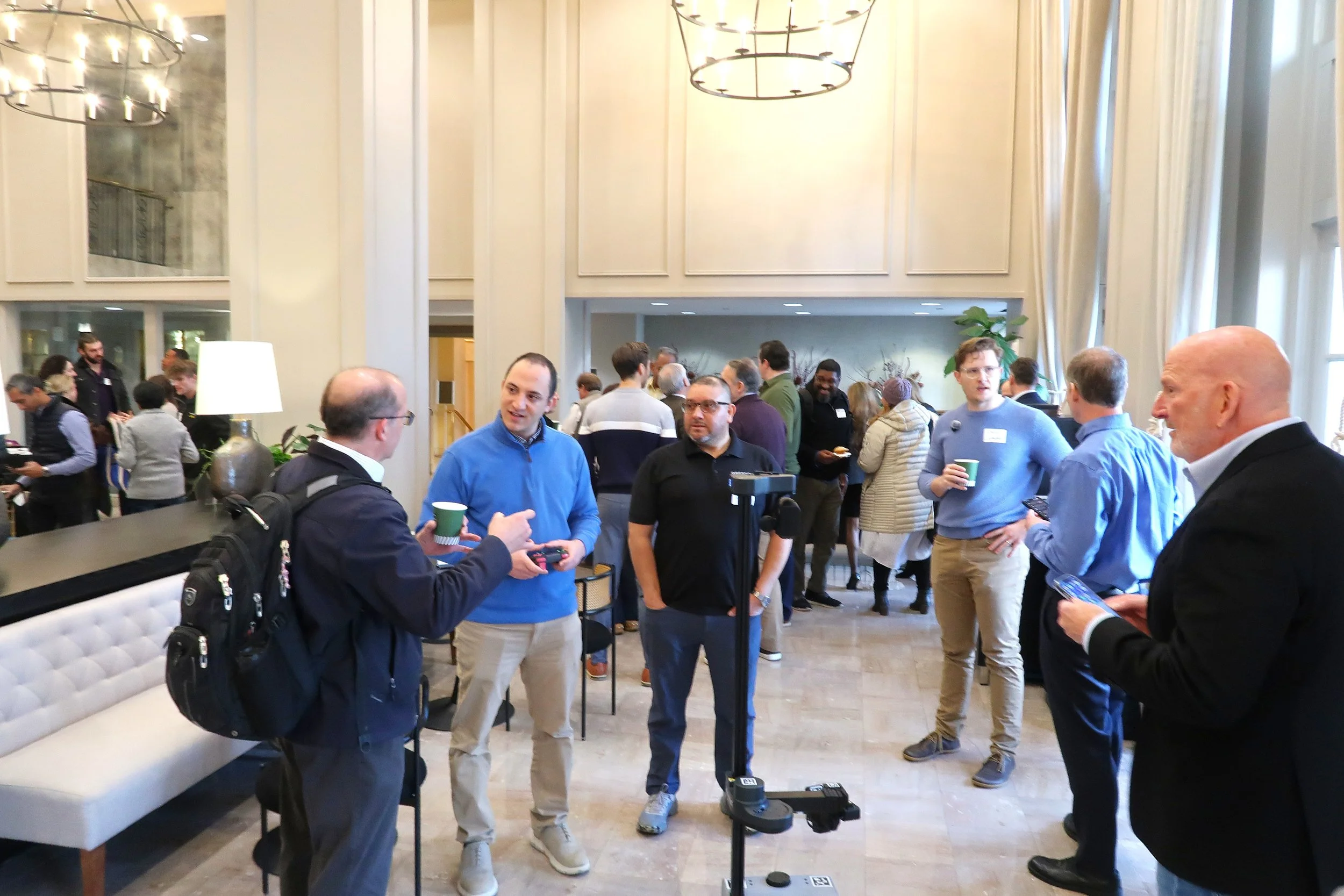
“This isn’t a meetup, it’s a movement,” said Jeffrey Gray, Founder and CEO of AgeTech Connect, which is redefining the experience of aging through technology. On January 21, Gray welcomed 150 attendees to the AgeTech Connect 2026 Kickoff, held in partnership with RoboGeorgia at the Biltmore Innovation Center, and shared trends about where the AgeTech ecosystem is headed in 2026, and beyond!
SimTigrate Designs for the Future of Healthcare Environments
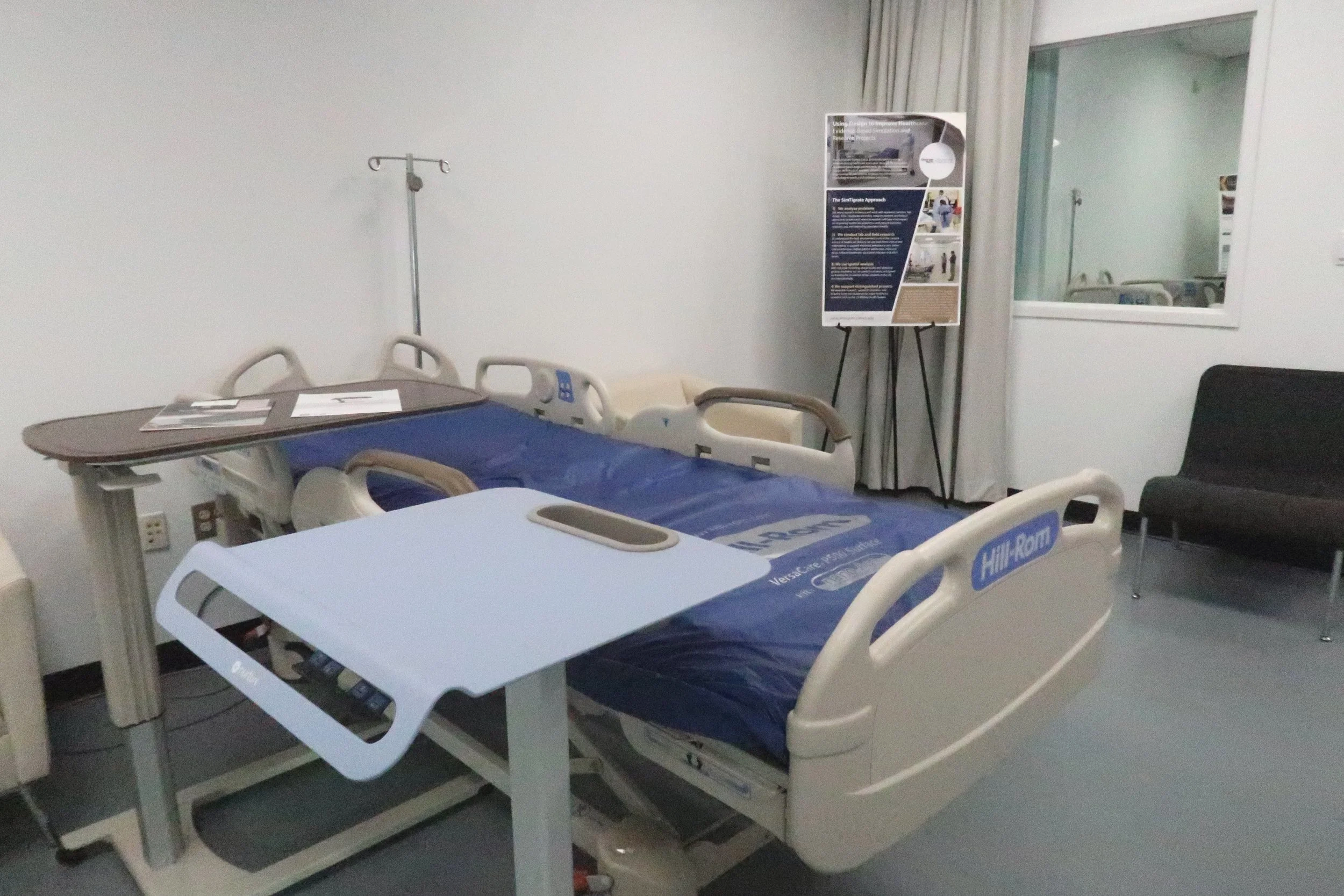
The Georgia Tech SimTigrate Design Center is a collaborative hub for interdisciplinary researchers to simulate and test healthcare challenges, such as design for aging, design for infection control, primary care teamwork, and healthy communities.