
News & Research

Magic Data’s AI Tool Automates the Messiest Parts of Data Analytics
Turning raw information into actionable insights often takes weeks of manual work or costly consulting. Founded by Pavleen Thukral, Magic Data automates the messy processing that slows analysts down. Acting as a “virtual data analyst,” Magic Data’s tool cleans, organizes, and analyzes raw data, so humans don’t have to.

A Lens on Food Waste: How Raccoon Eyes Tackles the Problem with Vision AI
Pairing a lifelong interest in cooking, especially the gathering with friends and family around the table, with financial responsibility is what inspired Ivan Zou, the co-founder of Raccoon Eyes, to dig into the problem of food waste. Ivan shares, “When I started seeing how much food was being not eaten by students and wasted in kitchens, I was inspired to find a solution at the intersection of the kitchen and consumer that could help avoid both waste and economic cost.”

Teaching Voice AI to Listen Better
Imagine asking a virtual assistant technology to play your favorite song, only to have a different one start playing. Or providing a verbal command to a robotic tool, and it completes another action. Now imagine you are at the doctor’s office, where accuracy and precision are essential and lifesaving, and virtual assistant technology fails to understand or transcribe the correct information based on your unique voice, medical condition, accent, first language, tone, and more.

The Art Exhibit Envisioning 100 Years of Innovation, Technoterria
This art exhibit in Georgia Tech’s Interactive Media Zone (IMZ), Technoterria, immerses visitors in a futuristic imagined museum in the year 2125, reflecting on 100 years of technological advancements and placing 2025 as the turning point of industrialization and AI advancement. By housing the digital skyline and interactive sculptures in a space with entrepreneurs, researchers, and students, T.W. Pilar and Ivan Reyes hope to inspire a future where technology is used for social good.

With AI Agents to Transform Operational Workflows, Flexbone Emerges from Stealth
When Atlanta native Sayem Hoque saw how organizations struggle with repetitive, time-consuming administrative tasks, he knew he could make a difference. His startup, Flexbone, has emerged from stealth with AI-powered agents designed to streamline operational workflows and is now gearing up to expand across the Southeast.

What AI in Healthcare Is Really Promising
Imagine a doctor’s visit that never ends. An app on your phone and a wearable on your wrist monitor your health 24/7, alerting you to potential issues before you even feel sick. It sounds utopian: no surprise illnesses, faster diagnoses, maybe even AI-guided cures. However, as Georgia Tech researcher Catherine Wieczorek has found, today’s artificial intelligence health tools carry more than medical promise.
GlucoSense Launches AI Blood Sugar Companion Providing Personalized Insights for Diabetes Care & Education
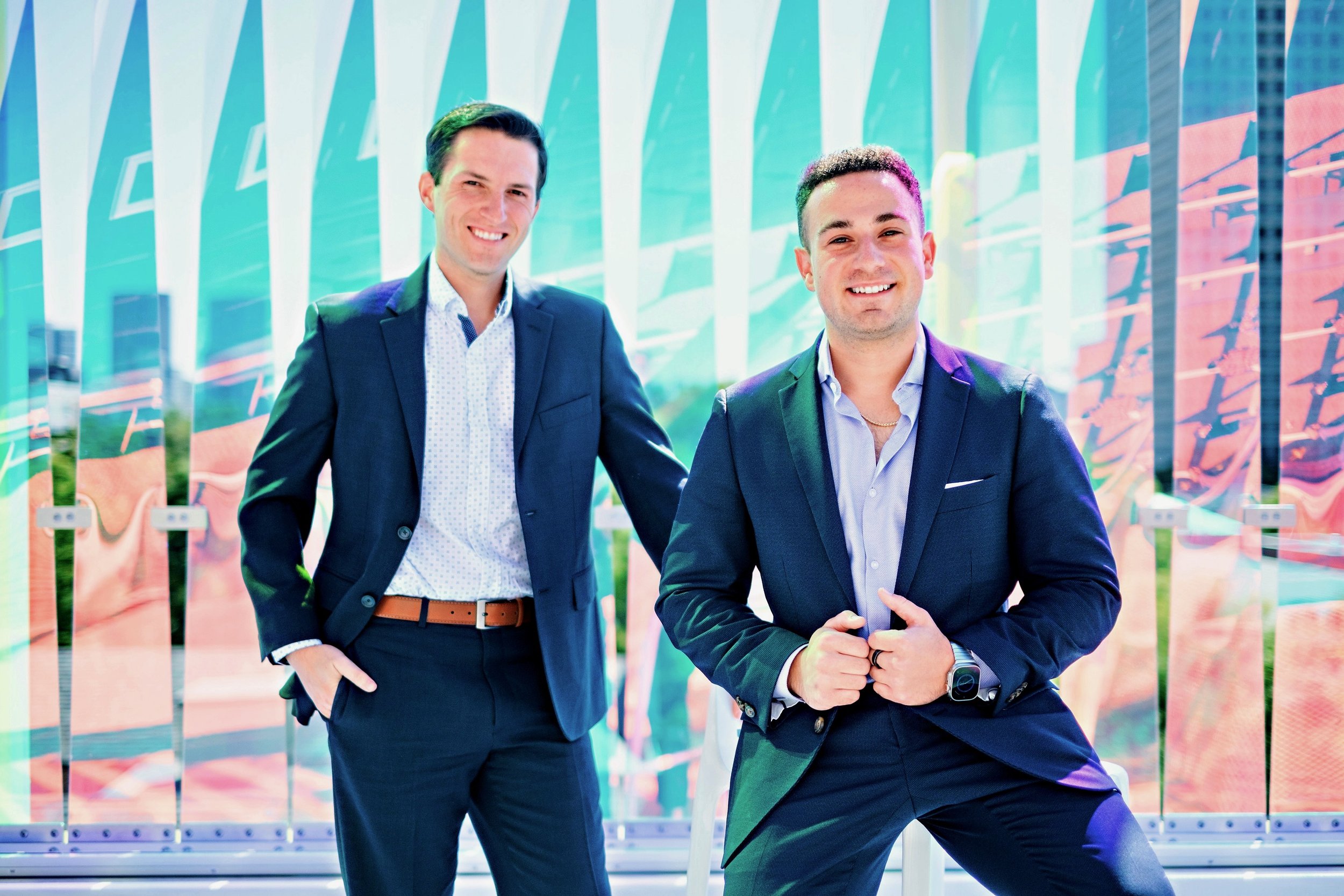
Many people with diabetes in the U.S. struggle to get specialized, continuous care, often navigating complex glucose patterns on their own. GlucoSense aims to change that with its new AI-powered GlucoSense Companion, translating real-time glucose data into personalized insights for better daily management.

Rethinking AI in Learning: Inclusive Design, Responsible Impact
“I vividly recall watching teachers struggle with technology while their students navigated it effortlessly,” says Shi Ding. That early moment as a middle school intern sparked a path dedicated to creating AI-powered, inclusive learning tools that meet students where they are.
Understanding the Eliza Effect and Building AI Literacy
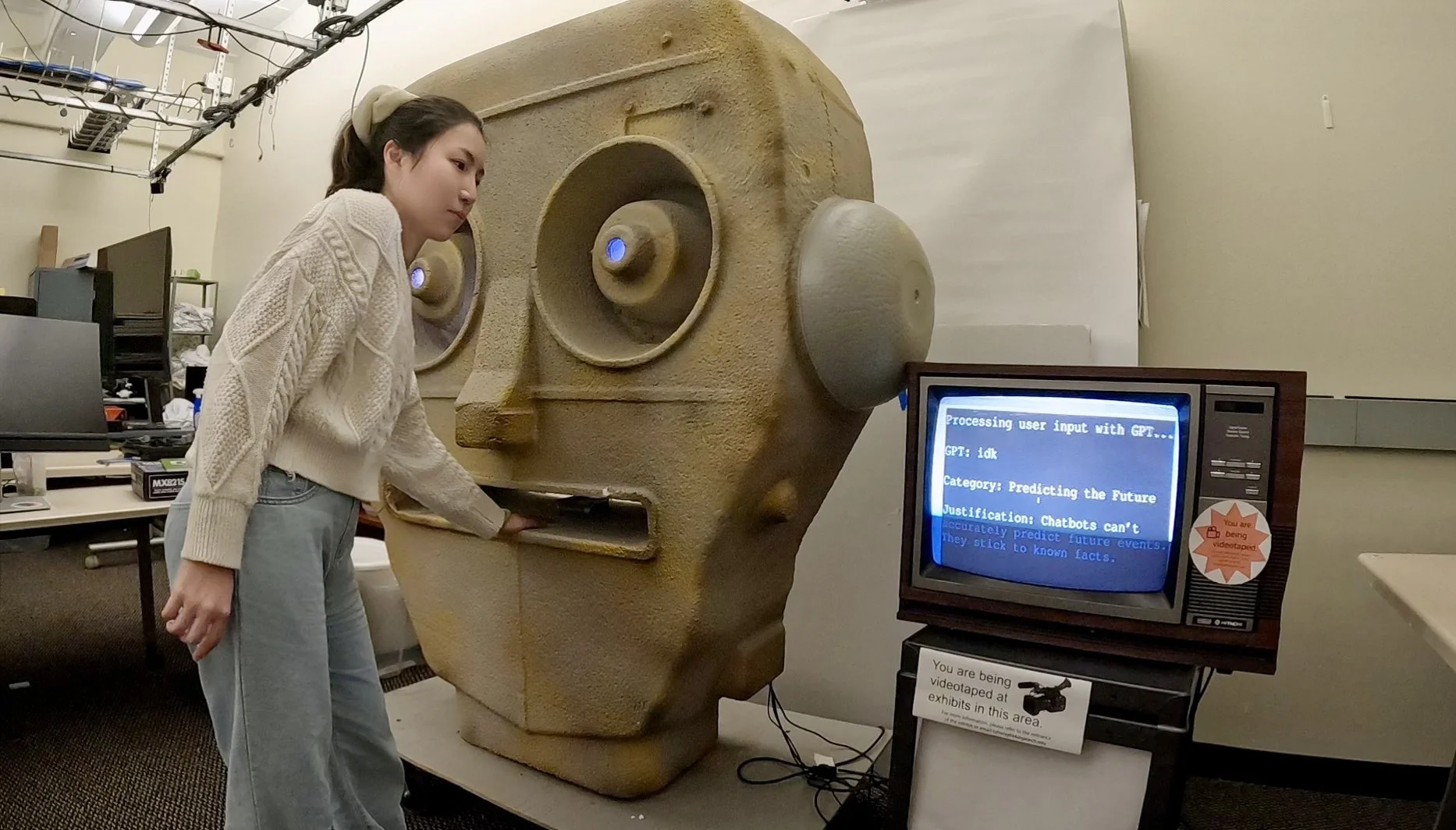
Chengzhi Zhang, a PhD student at Georgia Tech, is leading efforts to improve AI literacy by exploring the dangers of overestimating generative AI's capabilities, a phenomenon known as the ‘Eliza Effect.’ Her work and recent paper aim to equip users with the knowledge to use AI tools like ChatGPT responsibly and effectively.

Why Some UX Designers Aren’t Using AI — and Why That Matters
Artificial intelligence is a prevalent topic in current design conversations. Tools like ChatGPT, Midjourney, and Figma plugins promise to streamline workflows and unlock creativity. However, for some UX designers, those promises fall flat or create new problems. Georgia Tech researcher Inha Cha wants to know why.

Turning Down the Noise: CalmWave and Catalyst by Wellstar Aim to Cure ICU Alarm Fatigue
CalmWave is tackling one of healthcare’s most overlooked problems: alarm fatigue. By using AI to unify and analyze ICU monitor data, the Seattle-based startup helps hospitals reduce unnecessary noise, improve patient rest, and support clinical decision-making. Backed by Catalyst by Wellstar in Tech Square, Calmwave is bringing its “Quiet ICU” vision to life.

Dancing with AI: LuminAI and the Future of Co-Creative Tech
In an ordinary dance studio, improvisation is a conversation of movement between human partners. However, at Georgia Tech’s Expressive Machinery Lab, one of the dance partners might be an AI. The lab’s director, Brian Magerko, Regents Professor and Director of Graduate Studies in Digital Media, has built a career exploring the intersection of artificial intelligence, creativity, and human-computer collaboration.

The Office of Corporate Engagement: Industry’s Gateway to Georgia Tech
Located at the heart of Georgia Tech’s research and innovation ecosystem, inside The Biltmore, is the Georgia Tech Office of Corporate Engagement (OCE), the gateway for industry to connect with Georgia Tech’s vast resources, ranging from research to licensing.

Reimagining the Future of AI Literacy
With this next generation, how children learn to conquer tasks using new AI technologies will be a defining challenge and milestone for humanity. Supratim Pait, a researcher at TSRB is stepping up to pioneer research that helps discover innovative methods and techniques that teach children how to navigate these advanced tools.

Reshaping the Future of Emotion AI
Inside the Technology Square Research Building (TSRB) in Tech Square, Dr. Noura Howell and her team at the Future Feelings Lab are redefining how we perceive emotions in the digital age. Howell, an Assistant Professor at Georgia Tech with a background in Human-Computer Interaction (HCI) and design research, leads a team that explores the complex relationship between technology, emotion, and society.