
News & Research
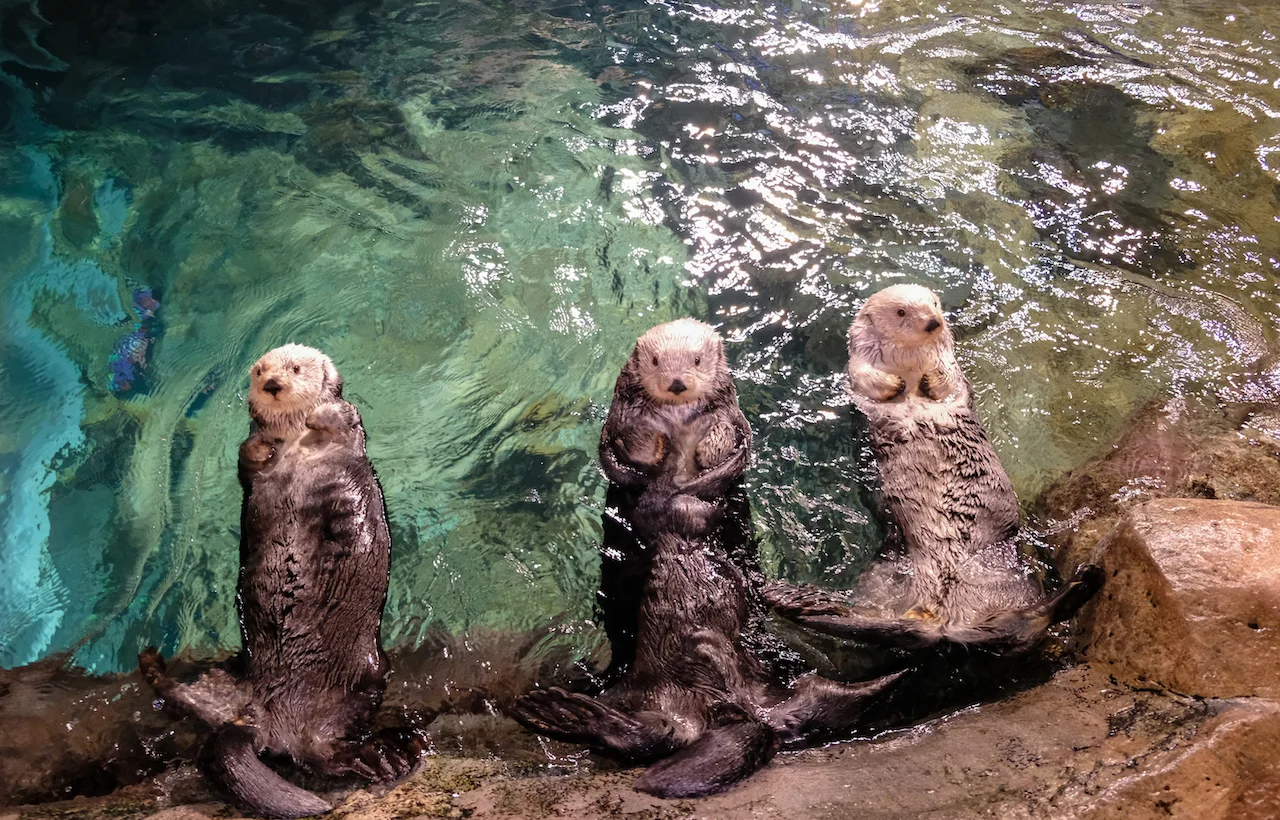
Data Driven Enrichment for Georgia Aquarium’s Sea Otters
Charles Ramey, a TSRB Georgia Tech researcher, collaborates with the Georgia Aquarium to develop instrumented enrichment tools for sea otters. His research uses innovative, data-driven methods to improve animal welfare by tailoring enrichment to the specific needs of species, with a focus on cognitive engagement and behavioral well-being.

Why Some UX Designers Aren’t Using AI — and Why That Matters
Artificial intelligence is a prevalent topic in current design conversations. Tools like ChatGPT, Midjourney, and Figma plugins promise to streamline workflows and unlock creativity. However, for some UX designers, those promises fall flat or create new problems. Georgia Tech researcher Inha Cha wants to know why.
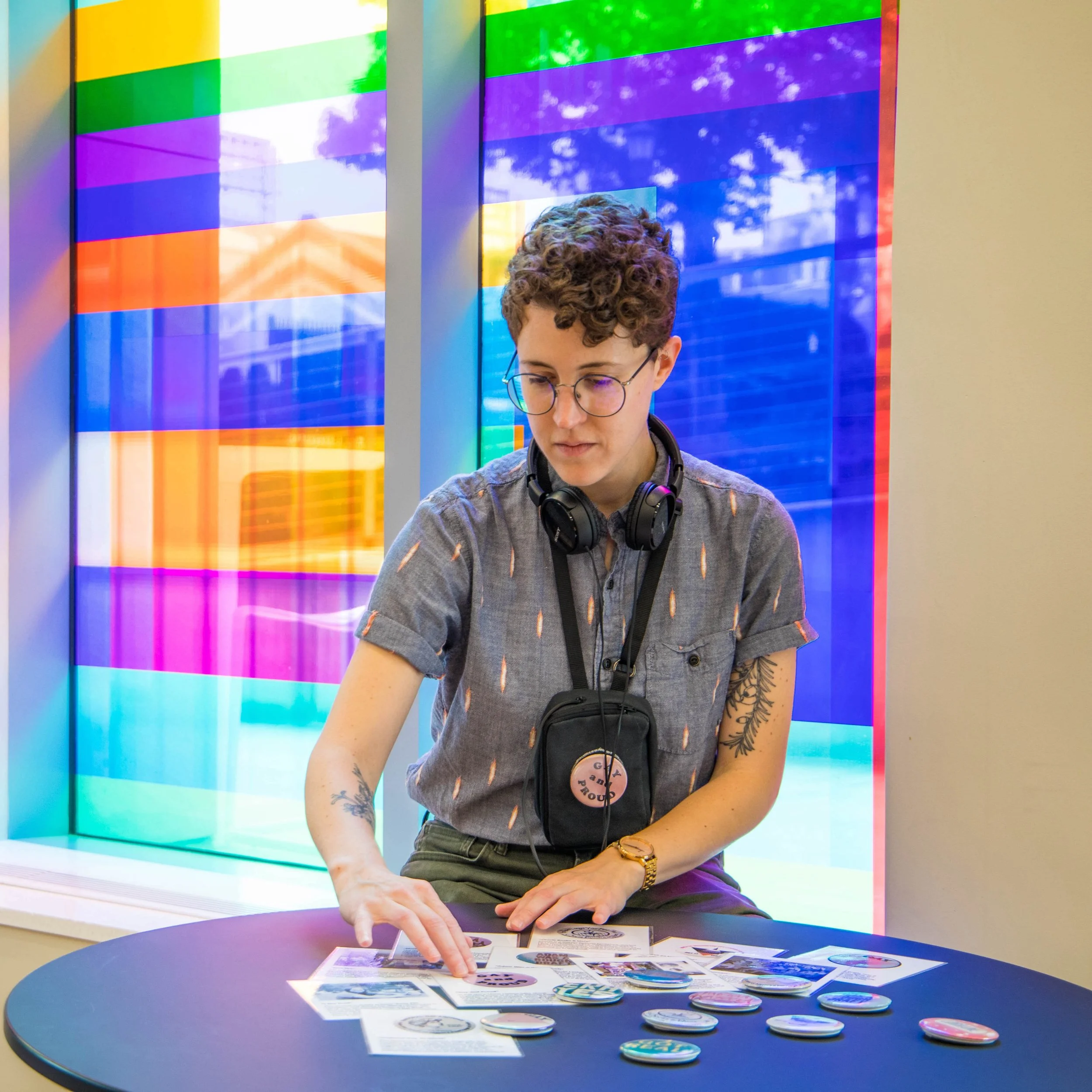
The Buttons That Talk Back
TSRB researcher Allie Teixeira Riggs is using buttons as a medium to explore how marginalized communities, particularly queer individuals, create and share their histories. Their latest project blends queer theory, HCI, and tangible design, inviting participants to craft buttons with embedded NFC tags that store personal audio recordings, offering a private yet public way to archive and express queer identities.
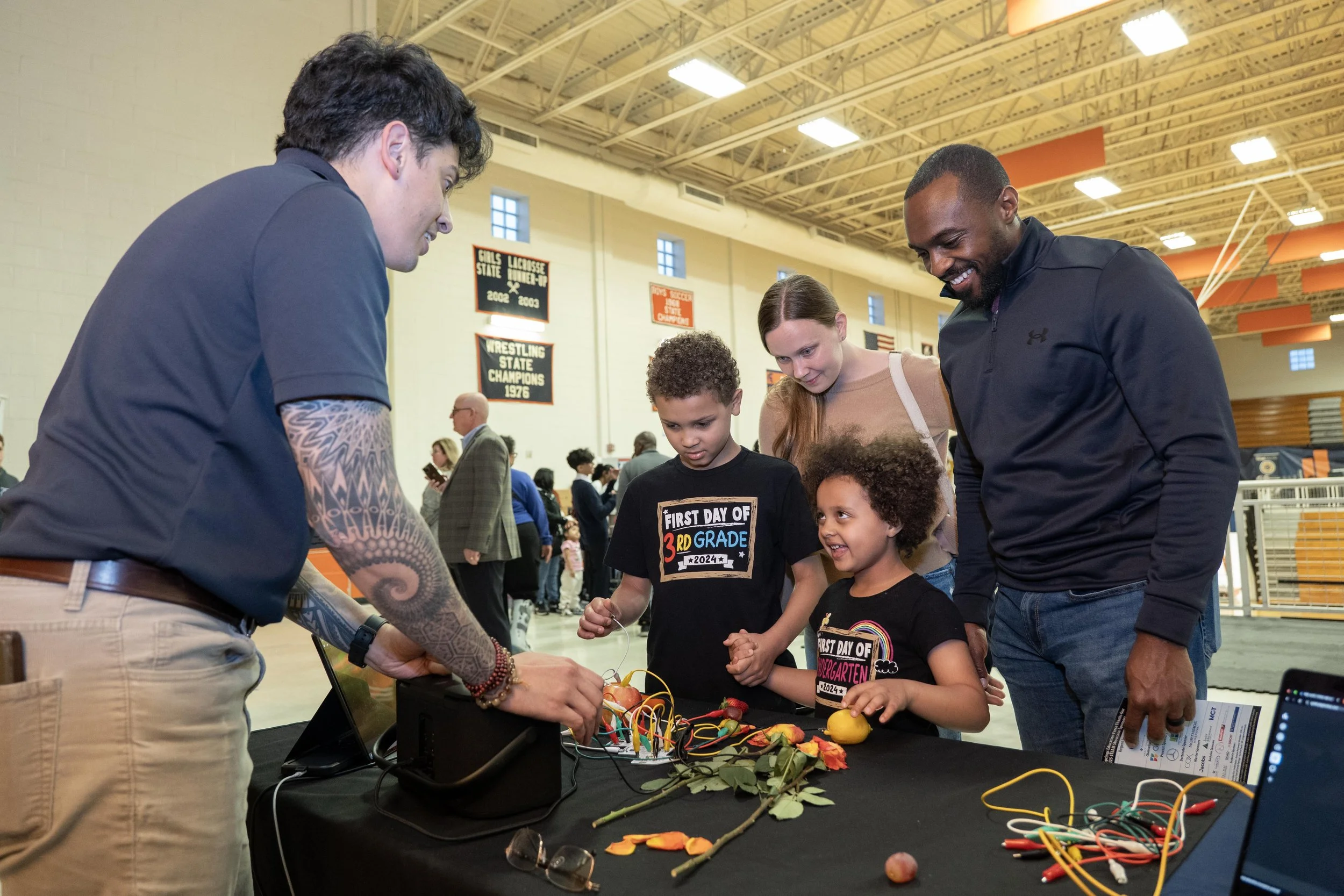
Exploring Interactive Tech for Affordable and Inclusive Music Education
At Georgia Tech’s Institute for People and Technology (IPaT), researchers Moeiini Reilly and Nicole Brancato are reimagining the future of music education. Their goal is to make music education more affordable and equitable by using low-cost interactive technology.
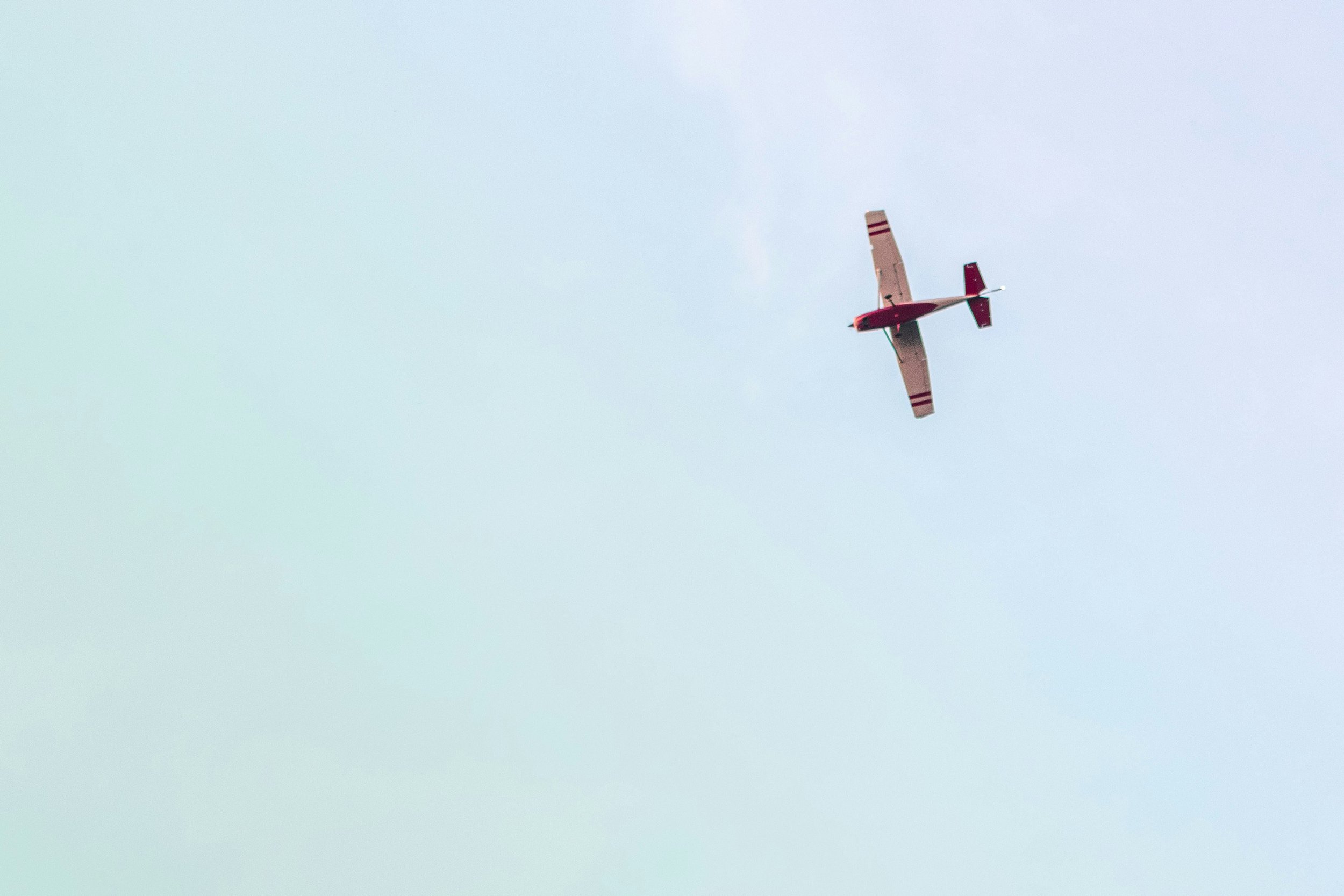
Research Showcases Unmanned, Solar-Powered UAVs
Unmanned aerial vehicles (UAVs) have the potential to benefit a variety of industries, from agriculture to military operations. However, their reliance on batteries makes flights shorter and more expensive, while also being detrimental to the planet. Research from Georgia Tech's Schools of Interactive Computing and Computer Science highlights how solar power can make UAVS more sustainable and widespread.
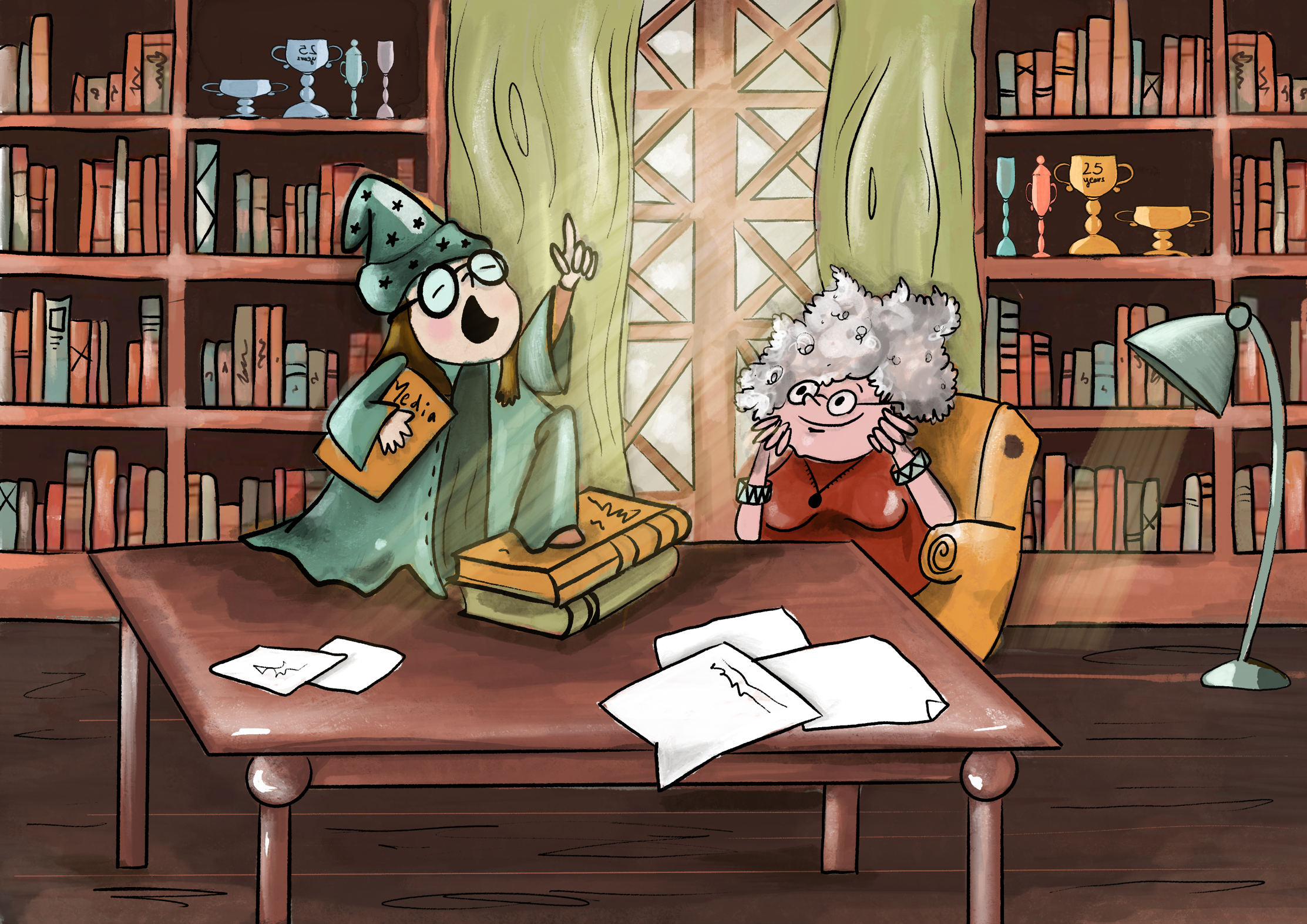
Between Borders and Classes
Shamim Shoomali is a PhD student in Georgia Tech’s Digital Media program. She works out of the TSRB building in Tech Square, blending art, design, and technology—and lately, documenting everyday campus life through her illustrated book, Between Classes. Her path to this interdisciplinary calling began thousands of miles away in Iran.

Dancing with AI: LuminAI and the Future of Co-Creative Tech
In an ordinary dance studio, improvisation is a conversation of movement between human partners. However, at Georgia Tech’s Expressive Machinery Lab, one of the dance partners might be an AI. The lab’s director, Brian Magerko, Regents Professor and Director of Graduate Studies in Digital Media, has built a career exploring the intersection of artificial intelligence, creativity, and human-computer collaboration.

The Office of Corporate Engagement: Industry’s Gateway to Georgia Tech
Located at the heart of Georgia Tech’s research and innovation ecosystem, inside The Biltmore, is the Georgia Tech Office of Corporate Engagement (OCE), the gateway for industry to connect with Georgia Tech’s vast resources, ranging from research to licensing.

How “I Saw the TV Glow” Explores the Universal Struggles of Identity and Trauma
Terra Mae Gasque, a TSRB researcher in Georgia Tech’s Digital Media Department, brings a unique perspective to her analysis of I Saw the TV Glow (2024), written and directed by Jane Schoenbrun. In her essay, Gasque delves into the film’s complex portrayal of trans identity, trauma, and the search for self, offering a profound exploration of how these themes resonate with both cis and trans audiences.

The Lab Building the Antennas of Tomorrow
Nestled on the fifth floor of Georgia Tech's Technology Square Research Building (TSRB), the mmWave Antennas & Arrays Lab is silently innovating in wireless communication. Under the leadership of Dr. Nima Ghalichechian, the lab is at the forefront of developing technologies that promise to revolutionize how we connect and communicate.

Reimagining the Future of AI Literacy
With this next generation, how children learn to conquer tasks using new AI technologies will be a defining challenge and milestone for humanity. Supratim Pait, a researcher at TSRB is stepping up to pioneer research that helps discover innovative methods and techniques that teach children how to navigate these advanced tools.

Exploring the Intersection of Plants, Disability, and Technology Through Interactive Design
Sylvia Janicki is reevaluating what it means to design for the future. A PhD candidate at Georgia Tech’s Digital Media Program with a background in landscape architecture, Janicki’s work bridges the gap between human-computer interaction (HCI), disability theory, and environmental design. Her most recent research explores how technology can foster deeper connections between humans, plants, and their histories, all while challenging traditional notions of accessibility and sustainability.

Turning Smartphones into Lab-Grade Microscopes
Professor Alexander Adams, founding director of Georgia Tech’s Uncommon Sense Lab, began his career in music before transitioning to engineering. Fascinated by sensing systems and human-computer interaction, he now leads research on using everyday devices for advanced healthcare applications.

Jay Bolter On the Significance of AR, VR, and AI in Hollywood
Jay Bolter, Professor and Director of Computational Media at Georgia Tech’s Digital Media Department, is a leading researcher in virtual and augmented reality experiences. Based in the Technology Square Research Building (TSRB), Bolter’s work explores how emerging immersive technologies are reshaping entertainment, storytelling, and everyday life.

Bridging the Gap Between Physical and Virtual Worlds
Michael Nitsche, a professor in Georgia Tech’s Digital Media program and a prominent researcher at TSRB, leads efforts in transforming our interaction with digital media. His research integrates physical and virtual realms, exploring intersections of video games, craft, and design through concepts like New Materialism, embodied interaction, and puppetry.