
News & Research
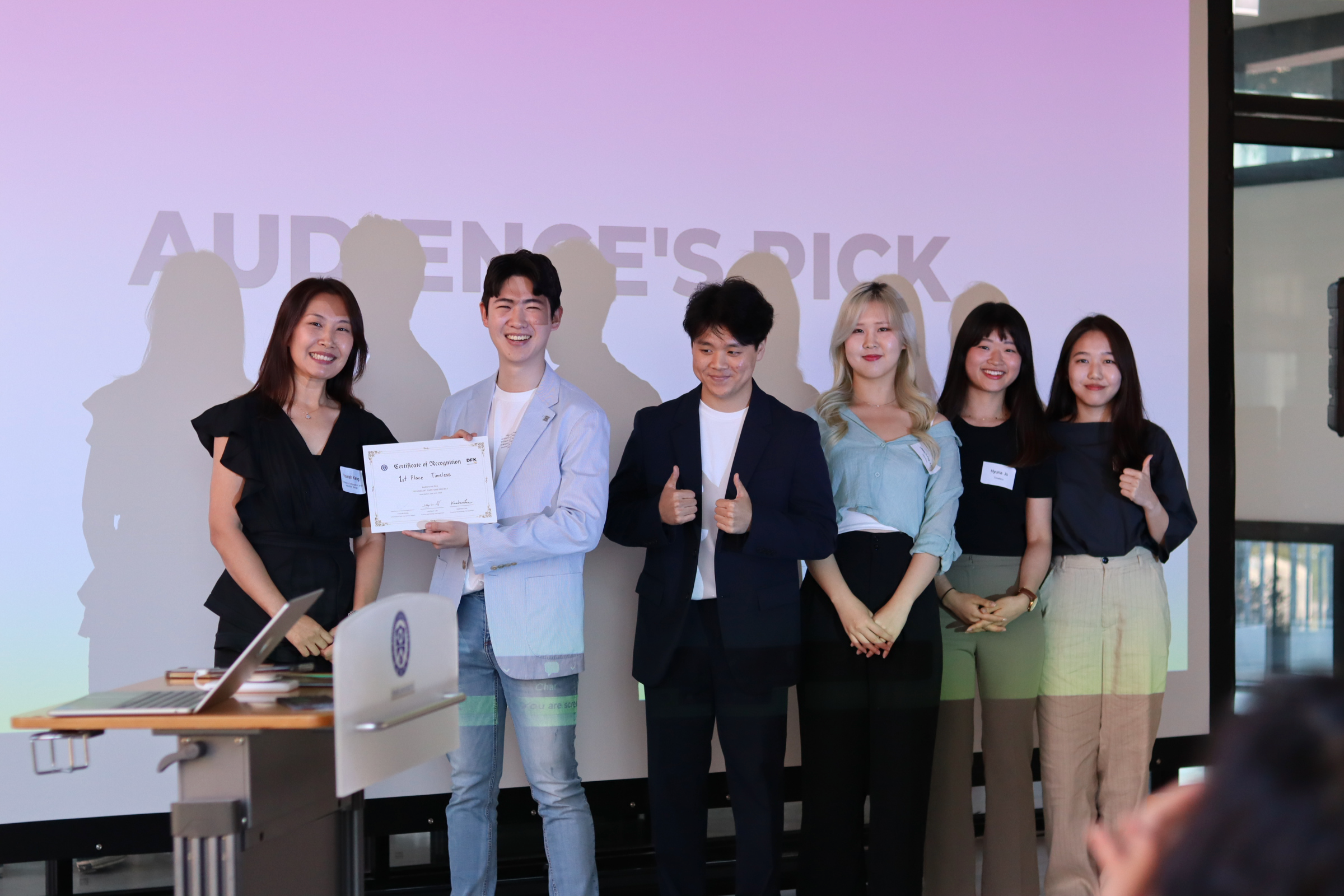
How We Can Connect with Loved Ones Now and Later with Digital Legacies
How to manage a digital footprint when someone passes away is becoming an increasingly prevalent question, but it has primarily been asked for older adults and focused on administrative tasks. TSRB researcher and Georgia Tech Human-Centered Computing Ph.D. student Soonho Kwon sought to learn how this field can be adapted to focus on the emotional needs of an overlooked group in death-tech: young adults.
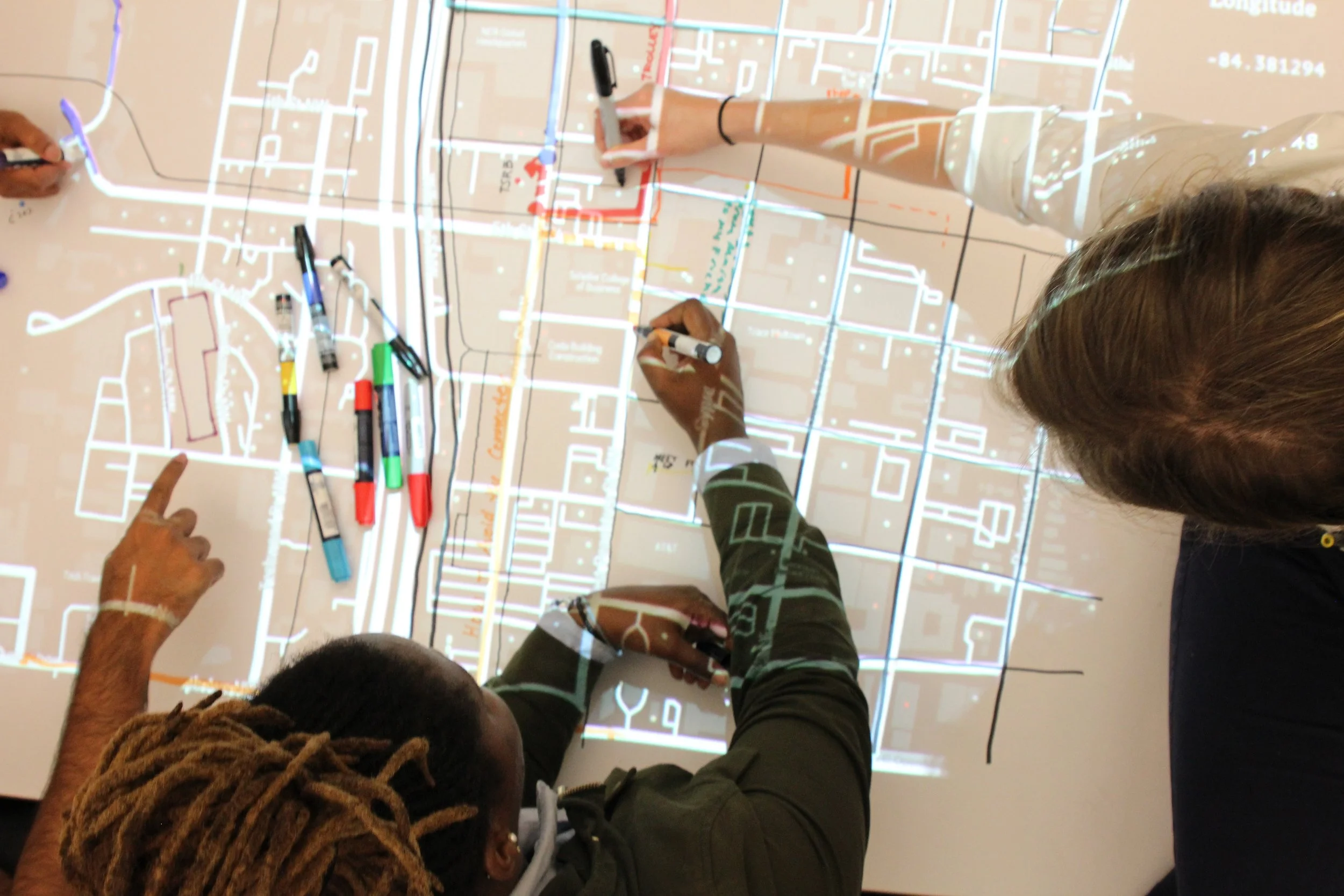
Professor Yanni Loukissas Is Helping Us See Data Differently
For Georgia Tech’s Yanni Loukissas, the core question is simple: “How can we inspire people to use data as a means of changing the way they see the places they live?” His work shows that data can be more than numbers. “It can reshape how everyday residents understand and care for their communities.”
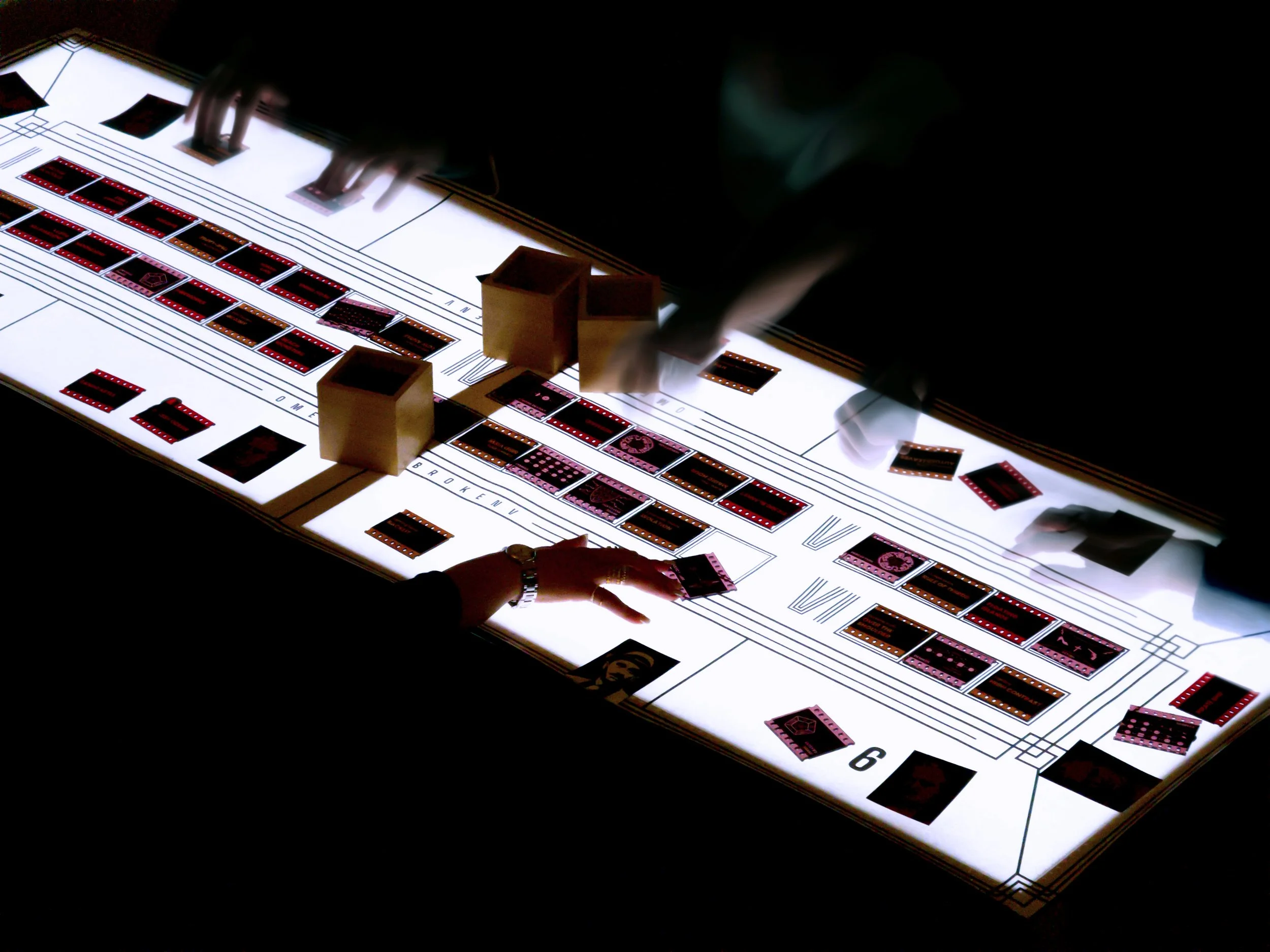
This Card Game Bridges Filmmakers and Machine Creativity
Through a tabletop game called Omertà Unbroken, Georgia Tech PhD candidate and cinematographer Cecile Zhang is turning AI anxiety into creative play. By reimagining filmmaking as a card-game collaboration, Zhang invites storytellers to debate, negotiate, and experiment.

Making Advocacy the New Face of Data
In communities across the country, organizations are collecting data in record amounts, but the harder task is turning those insights into progress people can see and feel.

TSQ Tuesday Is Where Conversations Turn into Collaborations
TSQ Tuesday is a weekly happy hour/networking event that turns casual conversations into real-world collaborations, connecting researchers, entrepreneurs, and technologists. For Weiyuan “Vera” Wang, a chance meeting at the event sparked a partnership that could transform how live-animal research is conducted, reducing stress for animals while improving data accuracy.

BioVR Rethinks Immersion Through Biofeedback
Can biosignals such as heart rate, breathing, and blood pressure be integrated into immersive virtual reality experiences? For researcher-turned-entrepreneur Yuchen Zhao, this vision is at the core of her work with her startup BioVR.

What AI in Healthcare Is Really Promising
Imagine a doctor’s visit that never ends. An app on your phone and a wearable on your wrist monitor your health 24/7, alerting you to potential issues before you even feel sick. It sounds utopian: no surprise illnesses, faster diagnoses, maybe even AI-guided cures. However, as Georgia Tech researcher Catherine Wieczorek has found, today’s artificial intelligence health tools carry more than medical promise.
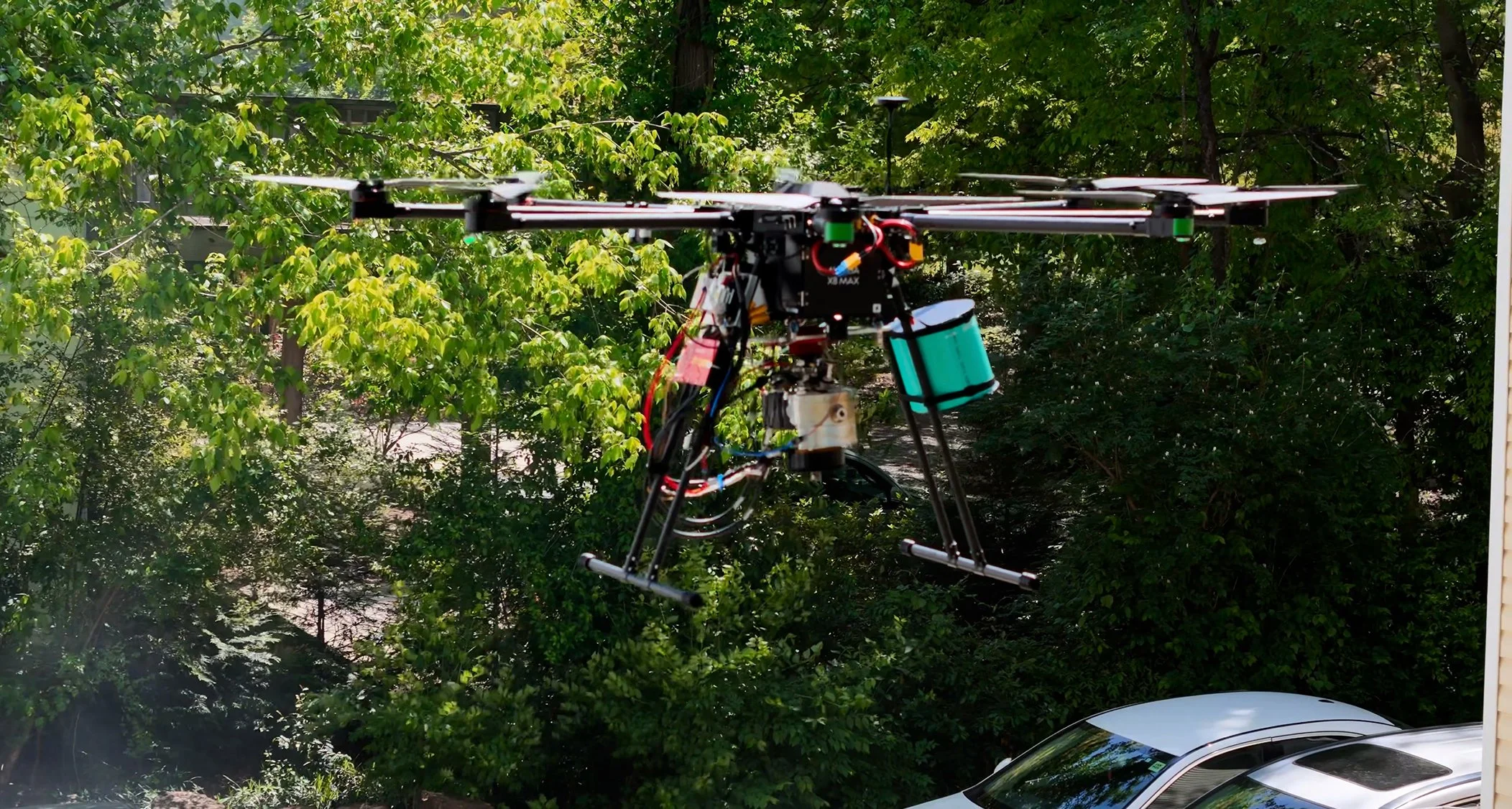
Hybrid Drones for Wildfire Suppression, Introducing the FlameJackets
The FlameJackets, a team of Georgia Tech students and faculty, are developing a hybrid fuel-electric drone to detect and suppress wildfires autonomously. Born out of Georgia Tech’s Vertically Integrated Projects (VIP) program, the team is now a strong contender in the $11 million XPRIZE Wildfire competition.
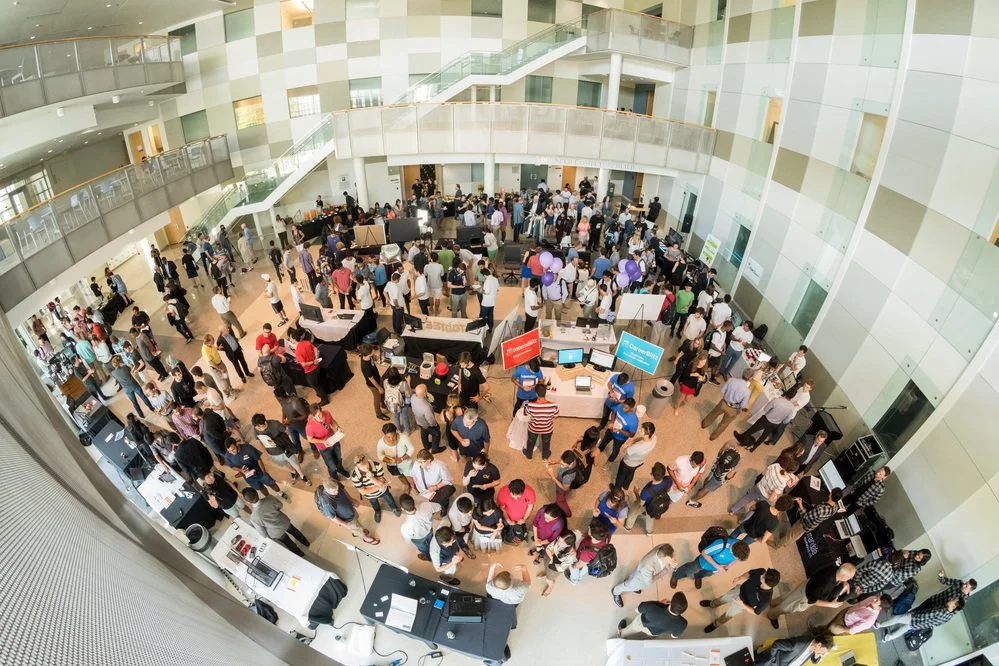
How Georgia Tech Is Stepping Up Its Startup Game: A Chat with the Chief Commercialization Officer
Imagine an Atlanta where there’s a pathway for every breakthrough in a Georgia Tech lab to launch into a startup and scale to a billion-dollar “unicorn”. This isn’t a distant fantasy—it’s the vision that Dr. Raghupathy “Siva” Sivakumar, Georgia Tech’s chief commercialization officer, is championing.
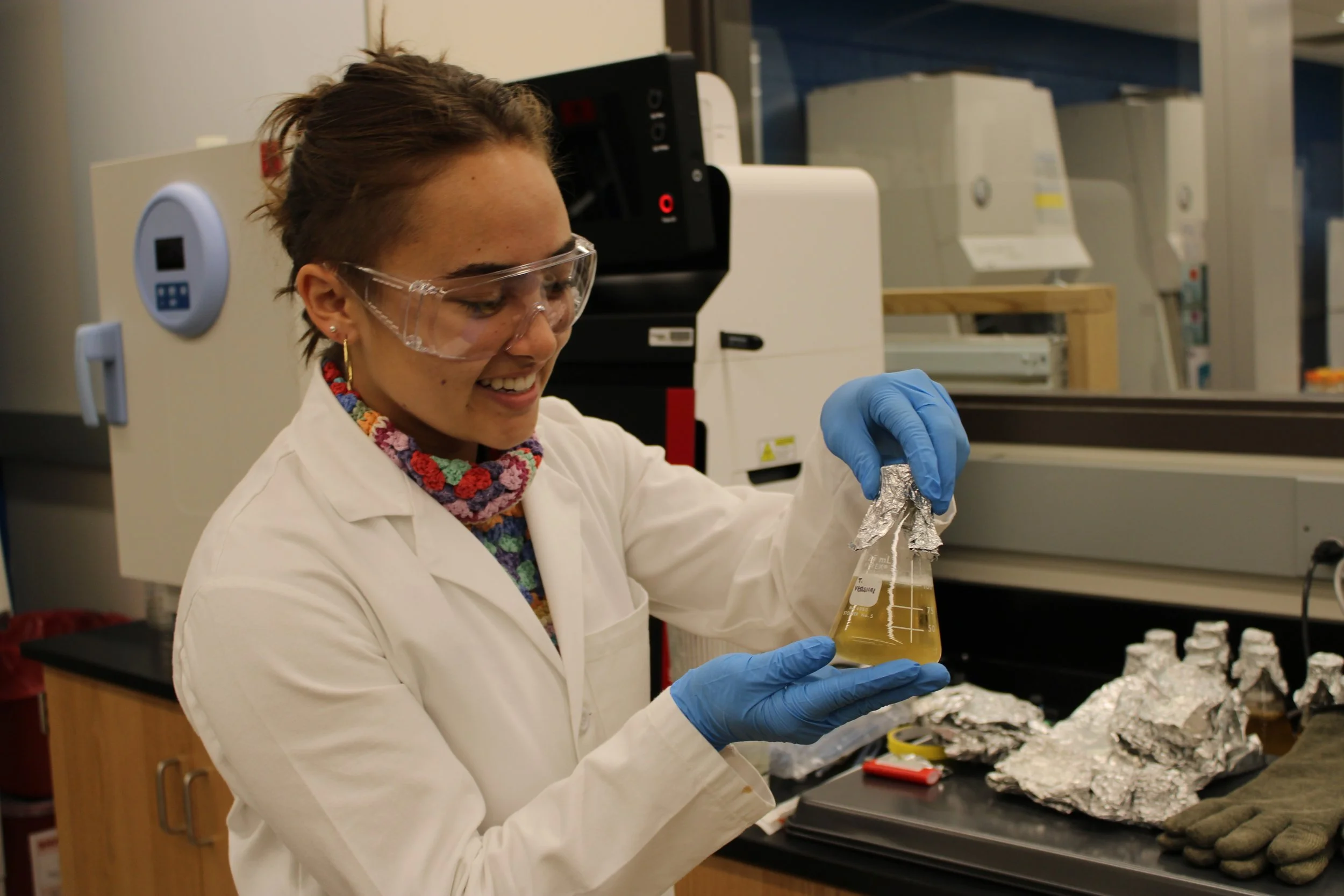
Fashioning a Sustainable Future from Fungi
“It’s the smell of the future,” says Mya Love Griesbaum, reflecting on her work with fungi. The 21-year-old materials researcher has come to appreciate the earthy odor of decomposing matter, a scent that symbolizes possibility: a future where fungi clean up pollution and transform the fashion industry. As the founder of Mycorrhiza Fashion, she is developing a sustainable approach to textiles by cultivating fungi-derived materials that can help address the pollution problem in the fashion industry.

Speculative Futures: Geometry, Light, and Legacy
At Memento in Atlanta, Sam Thurman’s 3D-printed light sculptures transformed architectural principles into luminous art, blending geometry, symmetry, and design to create spaces that resonated with both form and meaning. His debut show, Speculative Futures, invited viewers to experience how architecture and technology intersect with creative expression.
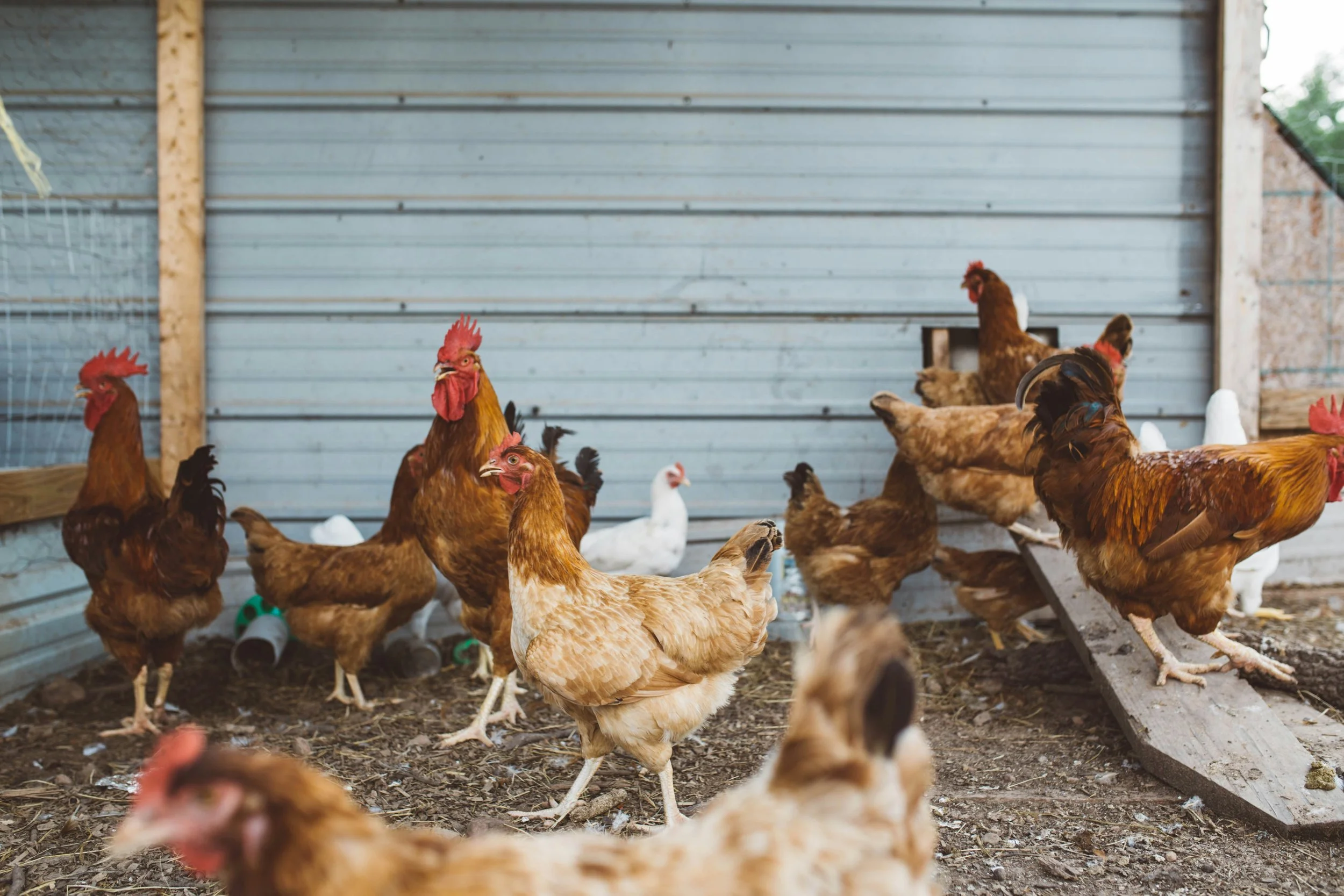
Listening to the Flock: How AudioT Can Help Poultry Farmers
On a North Georgia poultry farm, thousands of chickens are clucking and chirping under the noisy hum of fans. Amongst the chatter, a small device is quietly eavesdropping. “You can tell how chickens are doing just by how they sound,” says David Anderson, a Georgia Tech professor and TSRB researcher who has made a career of listening closely.

Rethinking AI in Learning: Inclusive Design, Responsible Impact
“I vividly recall watching teachers struggle with technology while their students navigated it effortlessly,” says Shi Ding. That early moment as a middle school intern sparked a path dedicated to creating AI-powered, inclusive learning tools that meet students where they are.
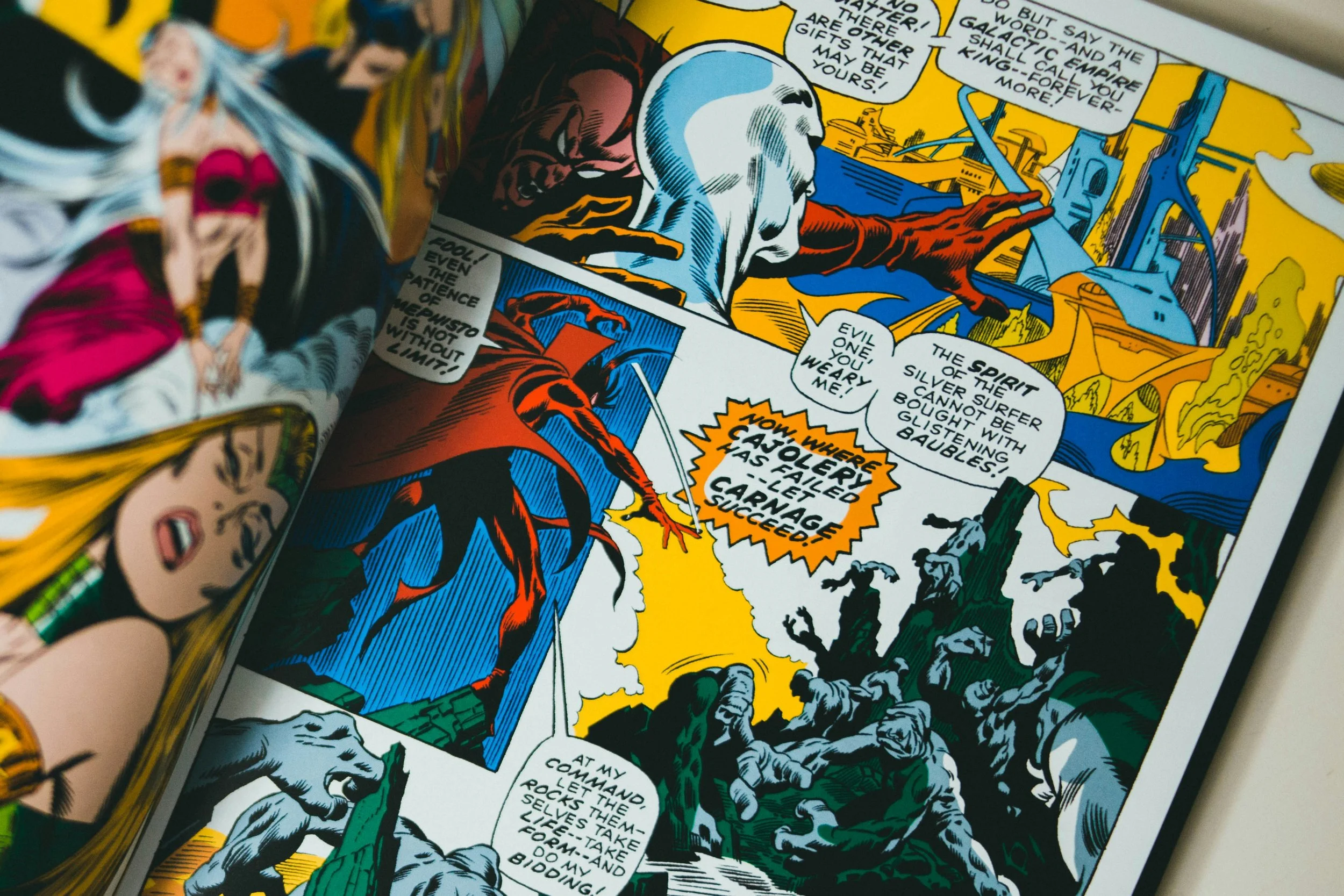
Prioritizing Play Over Profits: How Fan-Made Worlds Are Resisting Corporate Control
What happens when fans build better stories than the studios that own them? From viral memes to collaborative tabletop role-playing games, emergent transmedia is rewriting who gets to shape a narrative, and why that power should stay with the people.
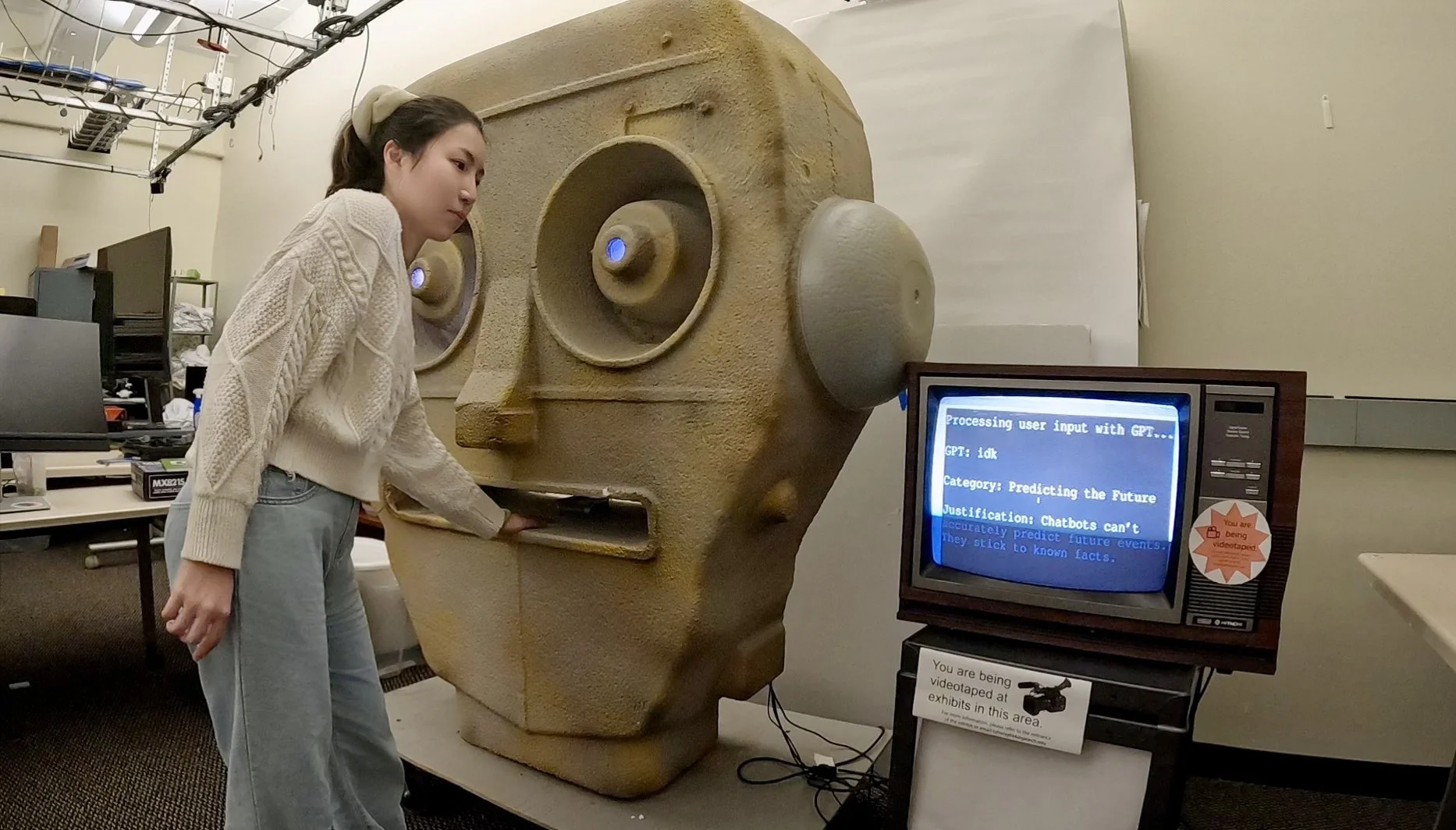
Understanding the Eliza Effect and Building AI Literacy
Chengzhi Zhang, a PhD student at Georgia Tech, is leading efforts to improve AI literacy by exploring the dangers of overestimating generative AI's capabilities, a phenomenon known as the ‘Eliza Effect.’ Her work and recent paper aim to equip users with the knowledge to use AI tools like ChatGPT responsibly and effectively.