
News & Research
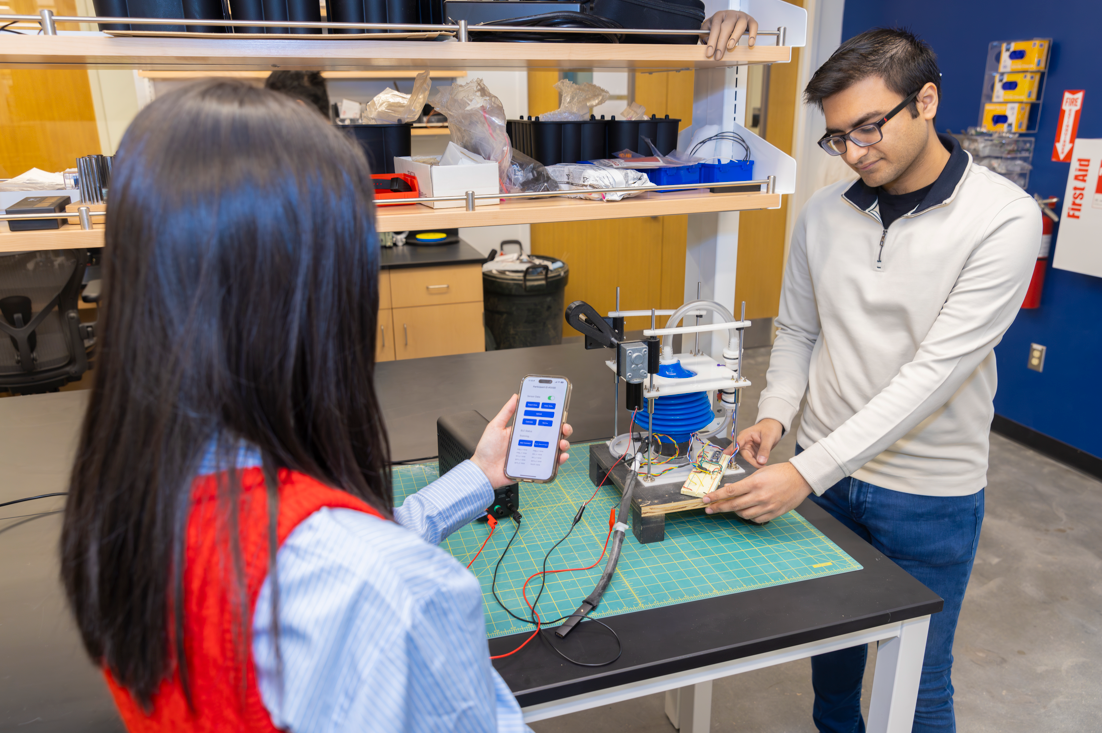
PuffEM Takes a New Approach to Vaping Research
Vaping is now widespread, particularly among young adults, yet researchers lack reliable tools to quantify real-time nicotine intake. A new device developed at TSRB’s Uncommon Senses Lab estimates nicotine exposure by detecting the electromagnetic fields generated during each puff. The team calls it PuffEM.
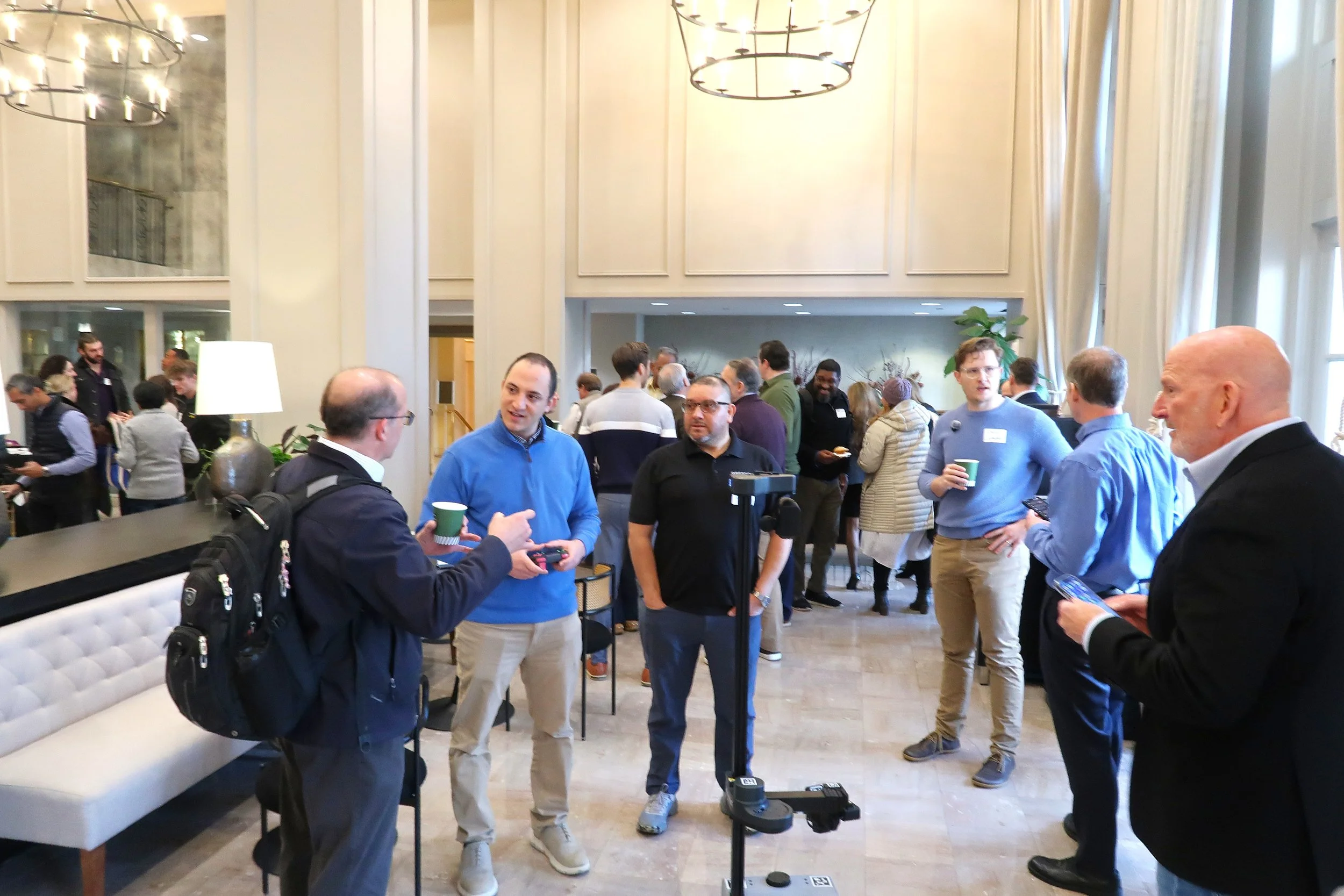
AgeTech Connect Kicks Off 2026 with Collaboration…and Robots!
“This isn’t a meetup, it’s a movement,” said Jeffrey Gray, Founder and CEO of AgeTech Connect, which is redefining the experience of aging through technology. On January 21, Gray welcomed 150 attendees to the AgeTech Connect 2026 Kickoff, held in partnership with RoboGeorgia at the Biltmore Innovation Center, and shared trends about where the AgeTech ecosystem is headed in 2026, and beyond!
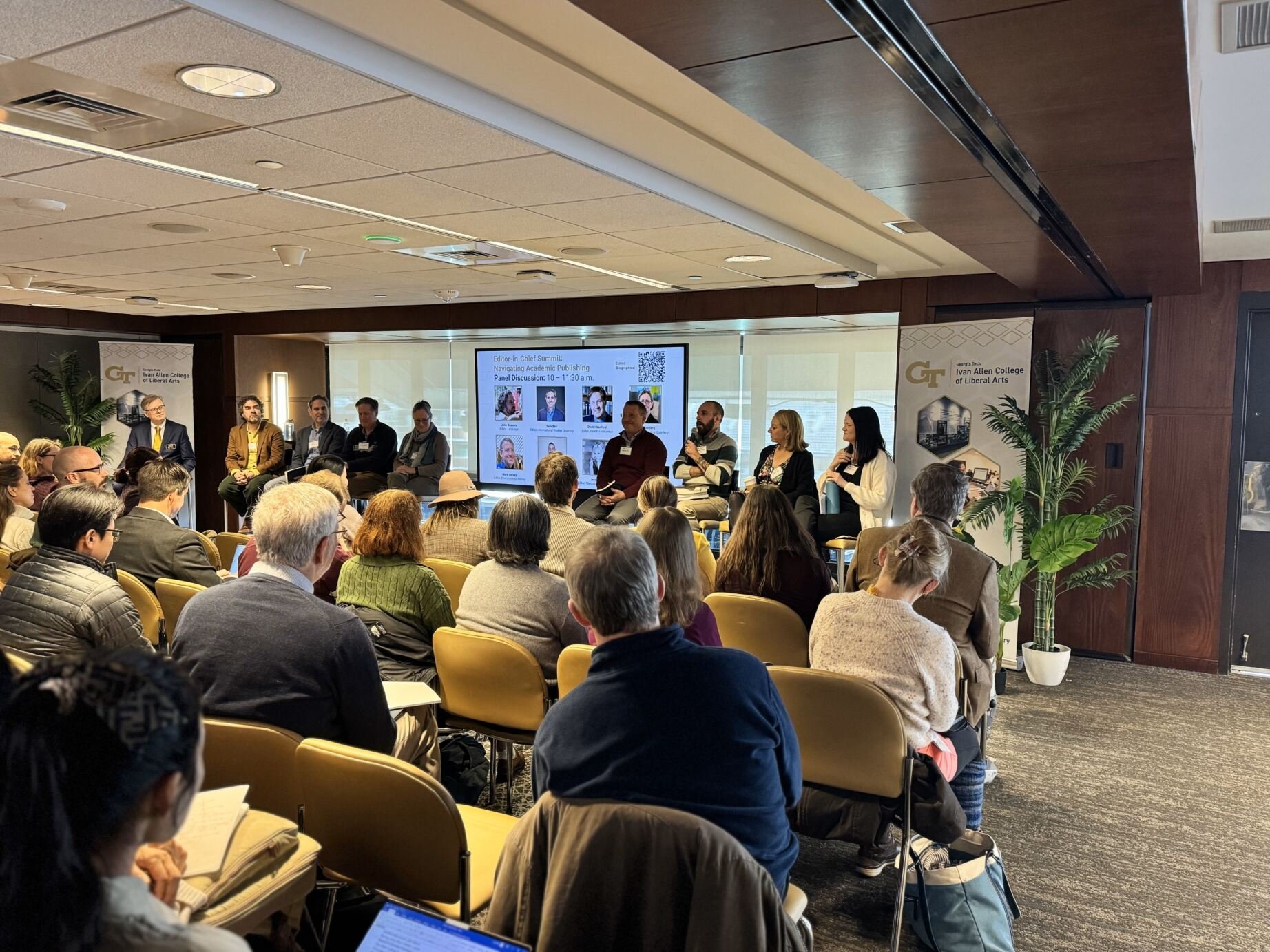
Bookmark This: Editors Share Insights for Success in Academic Publishing
Publishing your work can be daunting; the process can seem opaque and, at times, arbitrary. At Georgia Tech’s Editor-in-Chief Summit: Navigating Academic Publishing, hosted by the Ivan Allen College of Liberal Arts, eight editors shed light on how you can successfully publish your work. We’ve also prepared a key reminders document that you can use as you write your next manuscript or research paper.
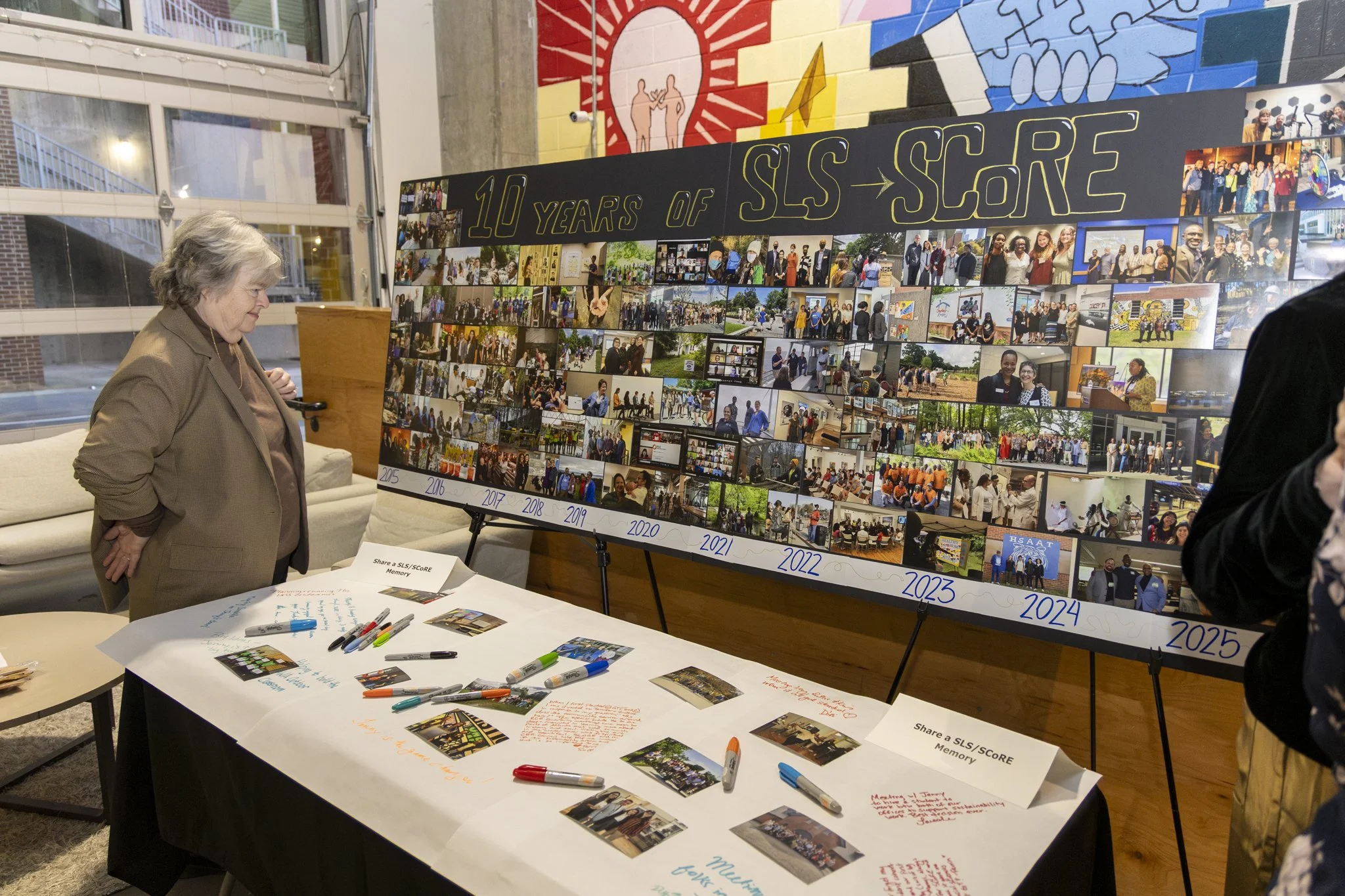
Celebrating 10 Years of SCoRE!
Last week, faculty, students, partners, and sustainability leaders gathered at the Tech Square Clubhouse to celebrate a major milestone for the Center for Sustainable Communities Research and Education, known across campus as SCoRE. The event marked ten years of the Center’s work advancing interdisciplinary sustainability research, education, and community-centered collaboration at Georgia Tech and beyond.
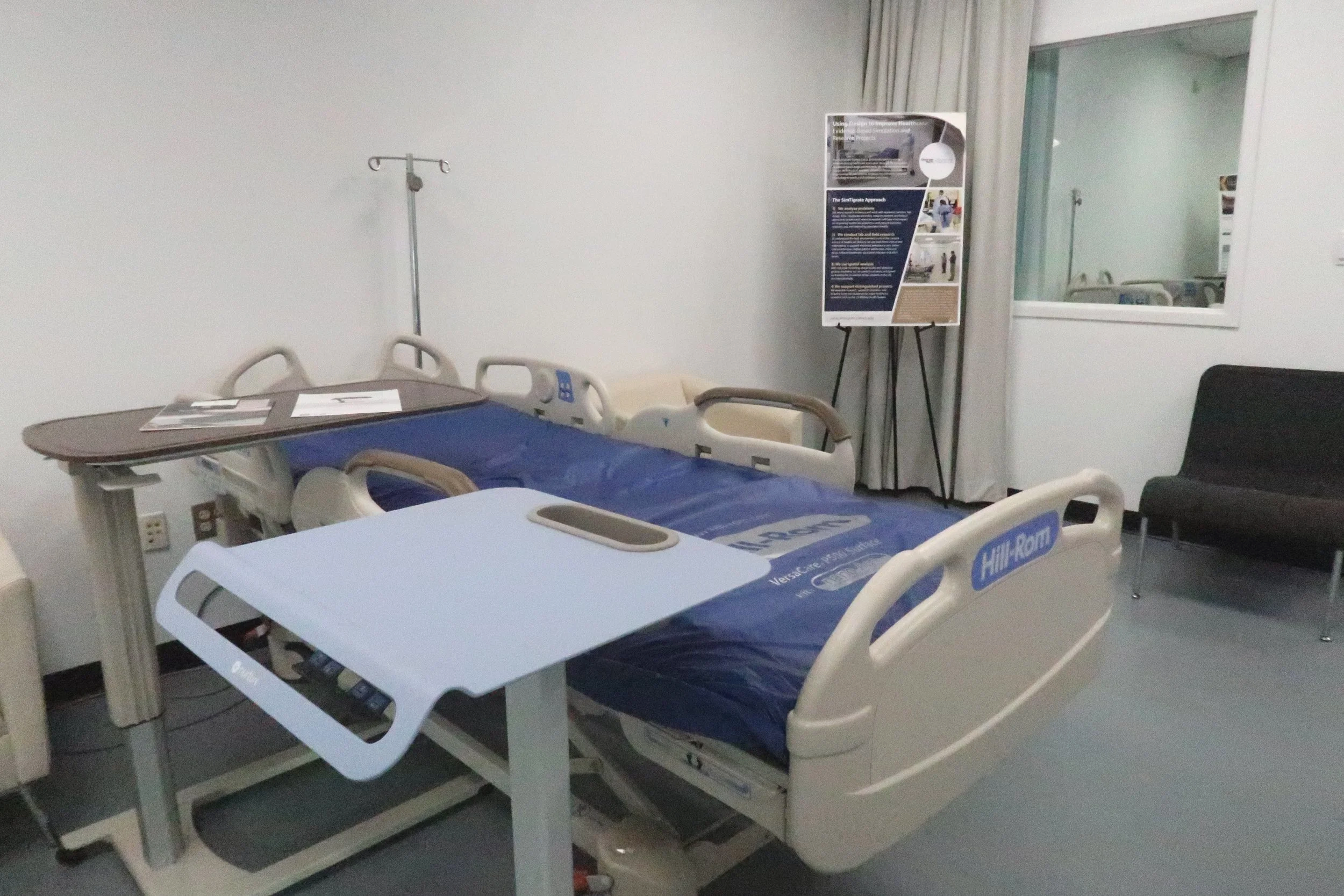
SimTigrate Designs for the Future of Healthcare Environments
The Georgia Tech SimTigrate Design Center is a collaborative hub for interdisciplinary researchers to simulate and test healthcare challenges, such as design for aging, design for infection control, primary care teamwork, and healthy communities.

Turning Smartphones into Lifesaving Fetal Monitors
Georgia Tech researcher’s “DopFone” uses a phone’s speaker and mic to track unborn babies’ heartbeats, promising more accessible prenatal care for all.
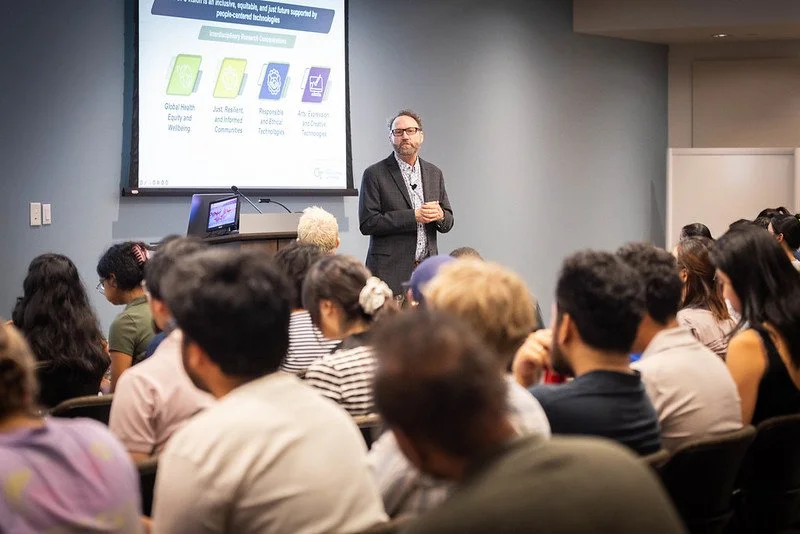
Where Ideas Meet: How IPaT’s Lunch Lecture Series Inspires Curiosity
When’s the last time you heard a lecture on the politics of fire hydrants? Or listened to a personal account on the human toll of artificial intelligence? If you’re looking for new ideas, inspiring perspectives, or to expand your network, the Georgia Tech Institute for People and Technology’s IPaT: GVU Lunch Lecture Series provides a place for learning and community connection.

NASA @ GT: Bringing Space Technology Down to Earth
Atlanta’s tech ecosystem is getting a lift from NASA’s Technology Transfer University program, which lets Georgia Tech students turn real NASA patents into market-ready ideas. “Integrating NASA patents into our technology entrepreneurship course was a tremendous success,” says Professor Greg Mihalik.

Architecture Students Will Help Shape the Future of the Biltmore
Georgia Tech is reshaping Midtown by making it not only a center for startups and research, but also a living classroom. Next spring, a new architecture studio class taught by Professor David Yocum will invite graduate students to imagine the future of one of Tech Square’s newest spaces: the Biltmore Block.
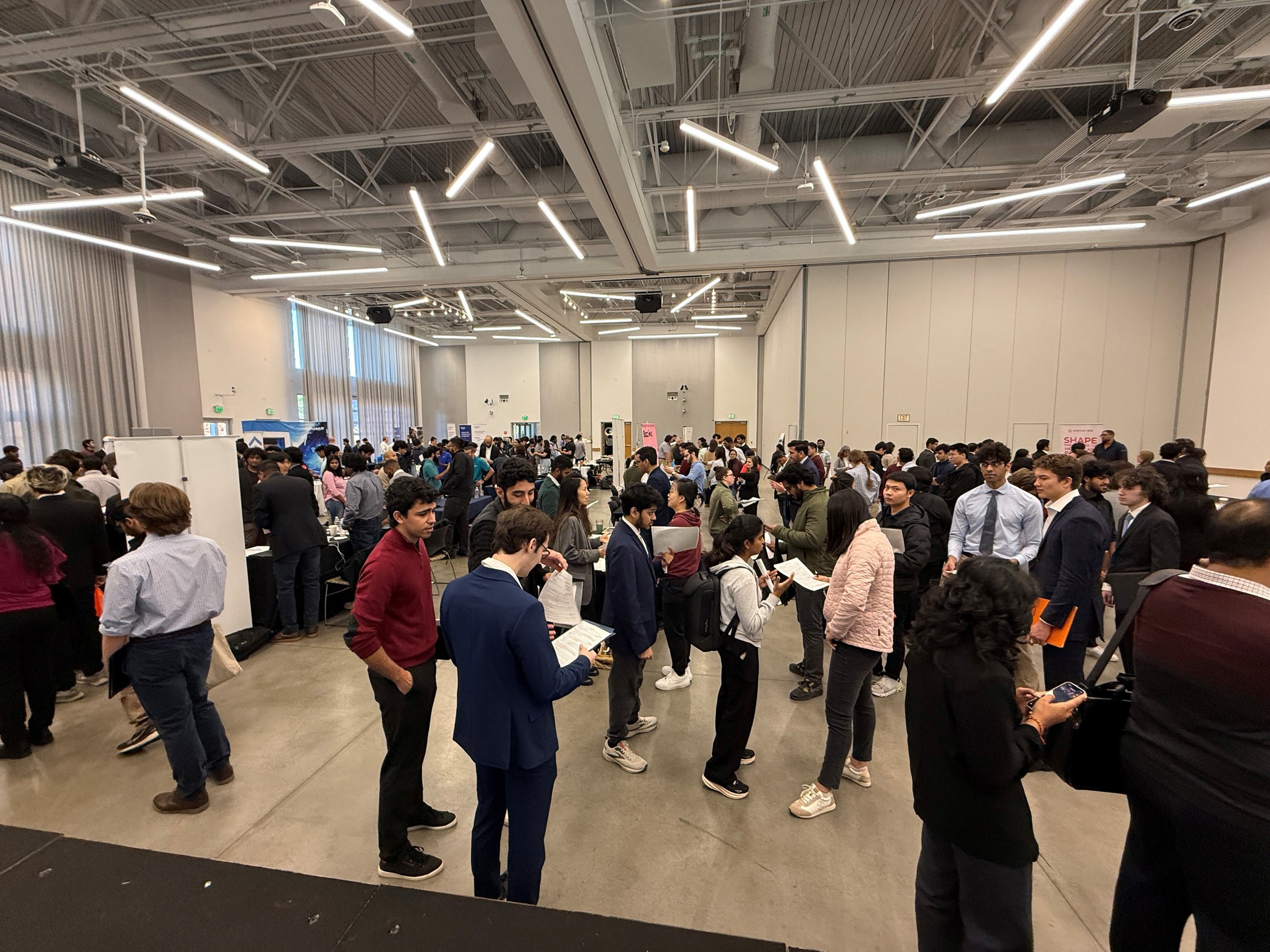
Georgia Tech Hosts Its First AI Career Fair
On November 17, 2025, Georgia Tech hosted its first AI Career Fair. Throughout the inaugural event, the Georgia Tech Exhibition Hall was a hive of activity as over 500 students, interested in artificial intelligence (AI)-related career opportunities, engaged with nearly 30 employers to explore career paths, gain industry insights, and build professional networks. “This is an amazing event to have these opportunities to meet these employers in person. I have always gotten interviews from meeting people in person,” said a Georgia Tech student and computer science major.
How We Can Connect with Loved Ones Now and Later with Digital Legacies
How to manage a digital footprint when someone passes away is becoming an increasingly prevalent question, but it has primarily been asked for older adults and focused on administrative tasks. TSRB researcher and Georgia Tech Human-Centered Computing Ph.D. student Soonho Kwon sought to learn how this field can be adapted to focus on the emotional needs of an overlooked group in death-tech: young adults.
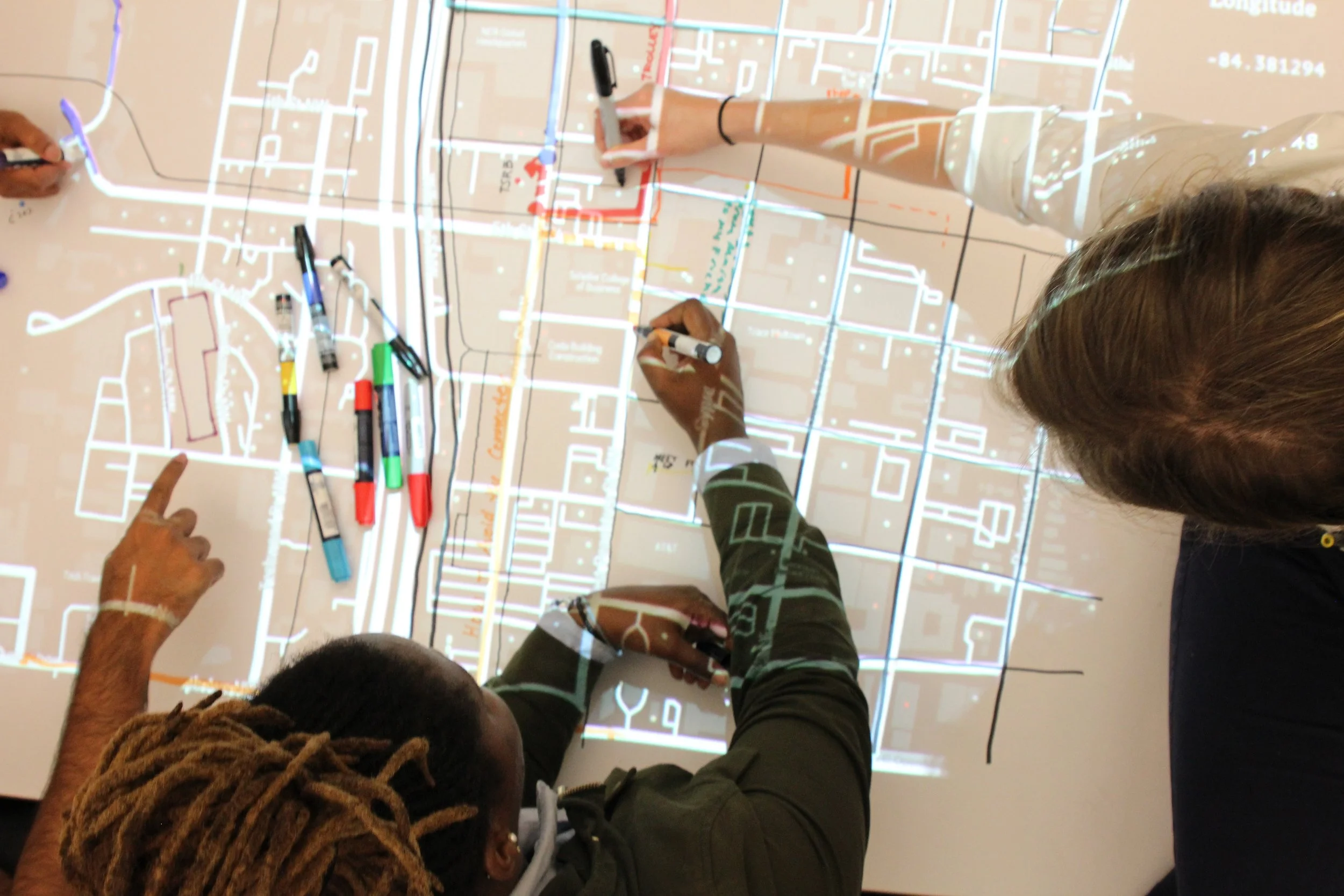
Professor Yanni Loukissas Is Helping Us See Data Differently
For Georgia Tech’s Yanni Loukissas, the core question is simple: “How can we inspire people to use data as a means of changing the way they see the places they live?” His work shows that data can be more than numbers. “It can reshape how everyday residents understand and care for their communities.”
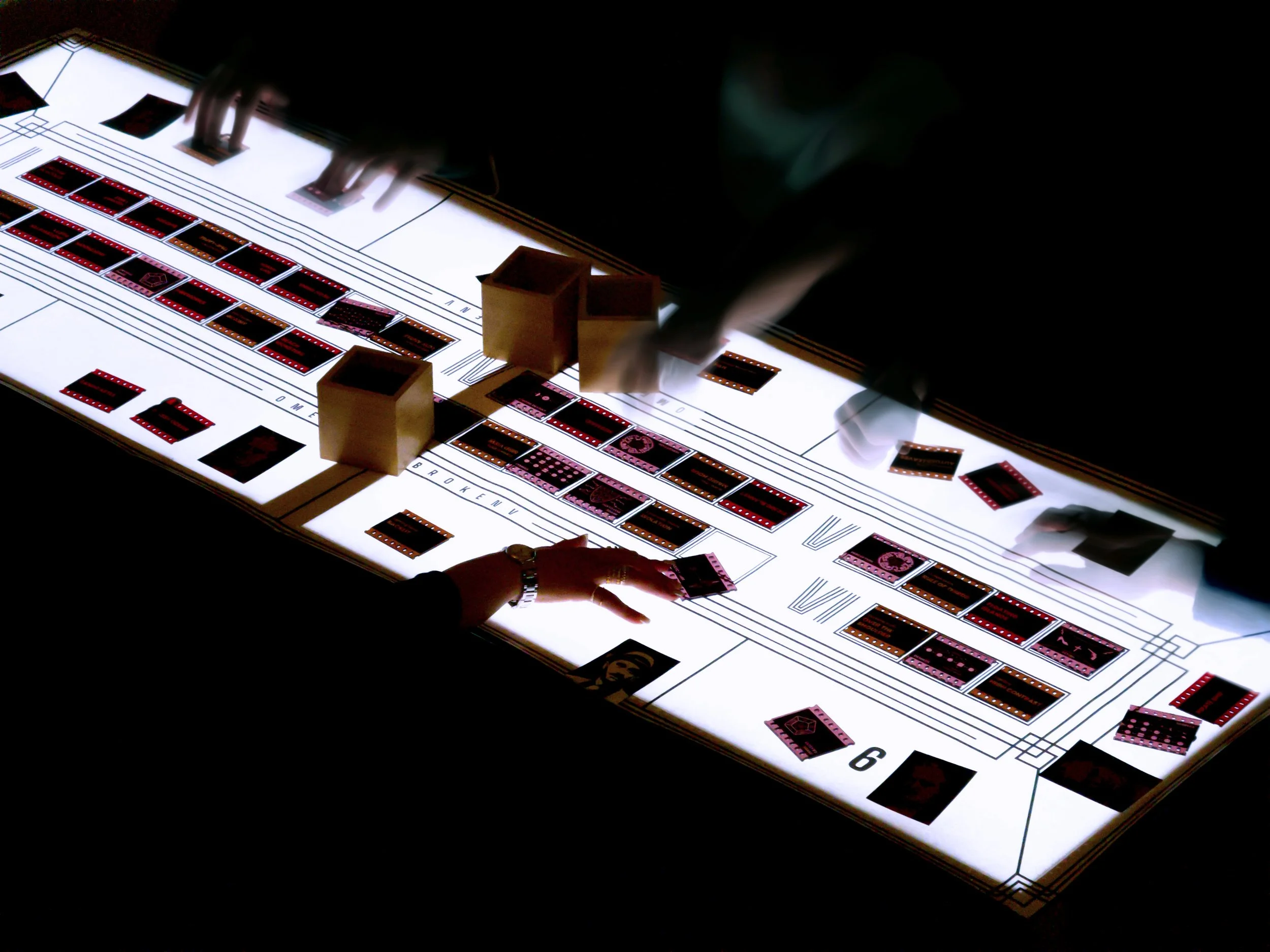
This Card Game Bridges Filmmakers and Machine Creativity
Through a tabletop game called Omertà Unbroken, Georgia Tech PhD candidate and cinematographer Cecile Zhang is turning AI anxiety into creative play. By reimagining filmmaking as a card-game collaboration, Zhang invites storytellers to debate, negotiate, and experiment.

Making Advocacy the New Face of Data
In communities across the country, organizations are collecting data in record amounts, but the harder task is turning those insights into progress people can see and feel.

TSQ Tuesday Is Where Conversations Turn into Collaborations
TSQ Tuesday is a weekly happy hour/networking event that turns casual conversations into real-world collaborations, connecting researchers, entrepreneurs, and technologists. For Weiyuan “Vera” Wang, a chance meeting at the event sparked a partnership that could transform how live-animal research is conducted, reducing stress for animals while improving data accuracy.