
News & Research

Ecolyfe’s Smart Grid Revolution Impacts Bahamas Grid
Ecolyfe’s pivot from consumer energy savings to utility-scale forecasting has positioned the startup to influence national power grids and renewable integration worldwide.

Celebrating Atlanta’s 500 Sustainability Ambassadors
Just as many of us are familiar with “reduce, reuse, recycle”, collaboration, community, and collective impact are central to building a resilient future and core elements of the Atlanta Sustainability Ambassador Program. On November 17th, 2025, the community-building milestone of empowering 500 ambassadors was celebrated at the City Council Meeting. Ambassadors shared stories about how the program has impacted their sustainability efforts in their businesses, workplaces, or at home.
Professor Yanni Loukissas Is Helping Us See Data Differently
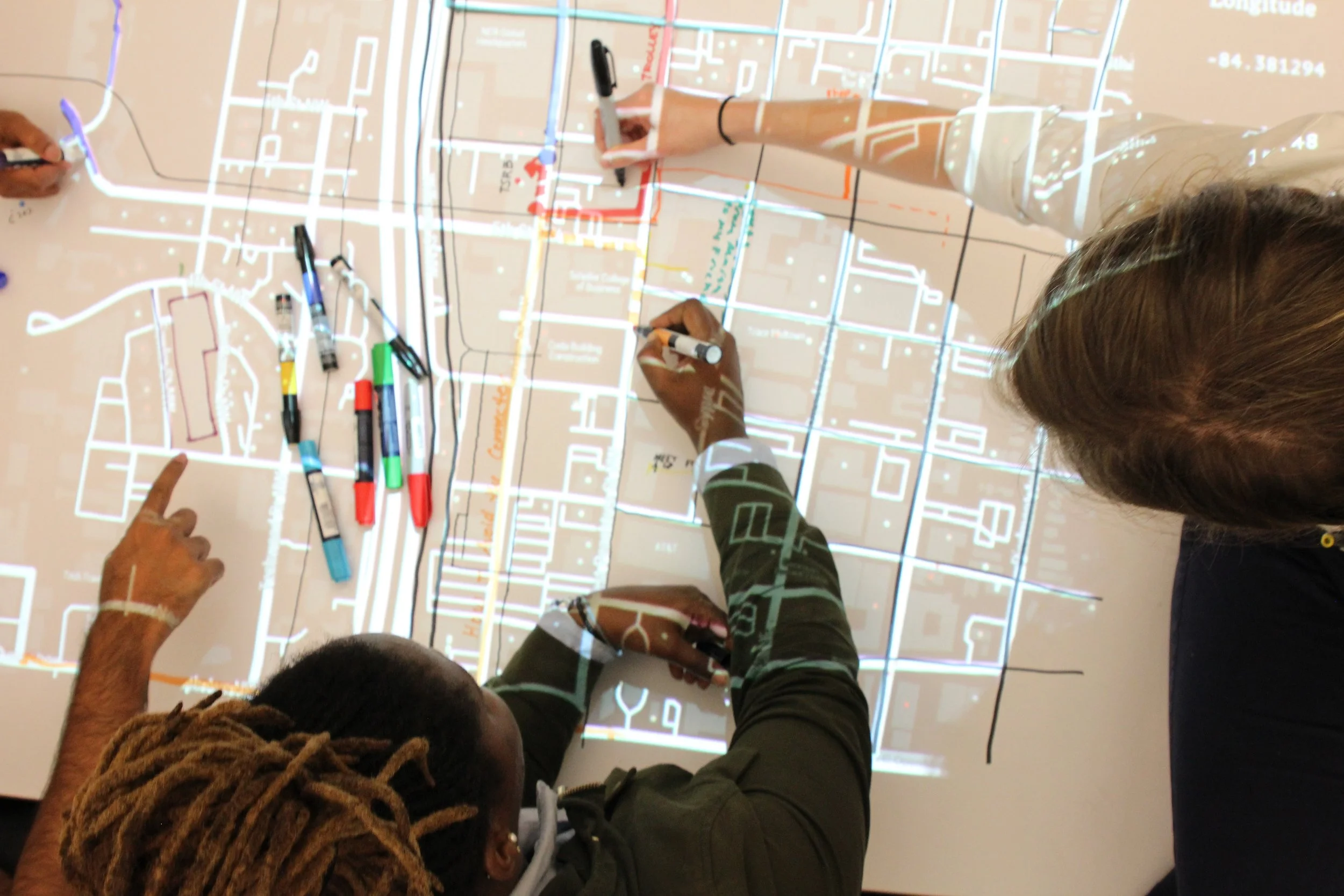
For Georgia Tech’s Yanni Loukissas, the core question is simple: “How can we inspire people to use data as a means of changing the way they see the places they live?” His work shows that data can be more than numbers. “It can reshape how everyday residents understand and care for their communities.”

A Lens on Food Waste: How Raccoon Eyes Tackles the Problem with Vision AI
Pairing a lifelong interest in cooking, especially the gathering with friends and family around the table, with financial responsibility is what inspired Ivan Zou, the co-founder of Raccoon Eyes, to dig into the problem of food waste. Ivan shares, “When I started seeing how much food was being not eaten by students and wasted in kitchens, I was inspired to find a solution at the intersection of the kitchen and consumer that could help avoid both waste and economic cost.”

Making Advocacy the New Face of Data
In communities across the country, organizations are collecting data in record amounts, but the harder task is turning those insights into progress people can see and feel.

New Tech Pilot Program Helps Students Get Paid Internships at Startups
Startups need talent. Students need experience. But too often, cost keeps them apart. Georgia Tech’s Office of Commercialization is breaking down that barrier—funding internships that give students real-world exposure while helping young companies scale.

The Art Exhibit Envisioning 100 Years of Innovation, Technoterria
This art exhibit in Georgia Tech’s Interactive Media Zone (IMZ), Technoterria, immerses visitors in a futuristic imagined museum in the year 2125, reflecting on 100 years of technological advancements and placing 2025 as the turning point of industrialization and AI advancement. By housing the digital skyline and interactive sculptures in a space with entrepreneurs, researchers, and students, T.W. Pilar and Ivan Reyes hope to inspire a future where technology is used for social good.

What AI in Healthcare Is Really Promising
Imagine a doctor’s visit that never ends. An app on your phone and a wearable on your wrist monitor your health 24/7, alerting you to potential issues before you even feel sick. It sounds utopian: no surprise illnesses, faster diagnoses, maybe even AI-guided cures. However, as Georgia Tech researcher Catherine Wieczorek has found, today’s artificial intelligence health tools carry more than medical promise.
Hybrid Drones for Wildfire Suppression, Introducing the FlameJackets
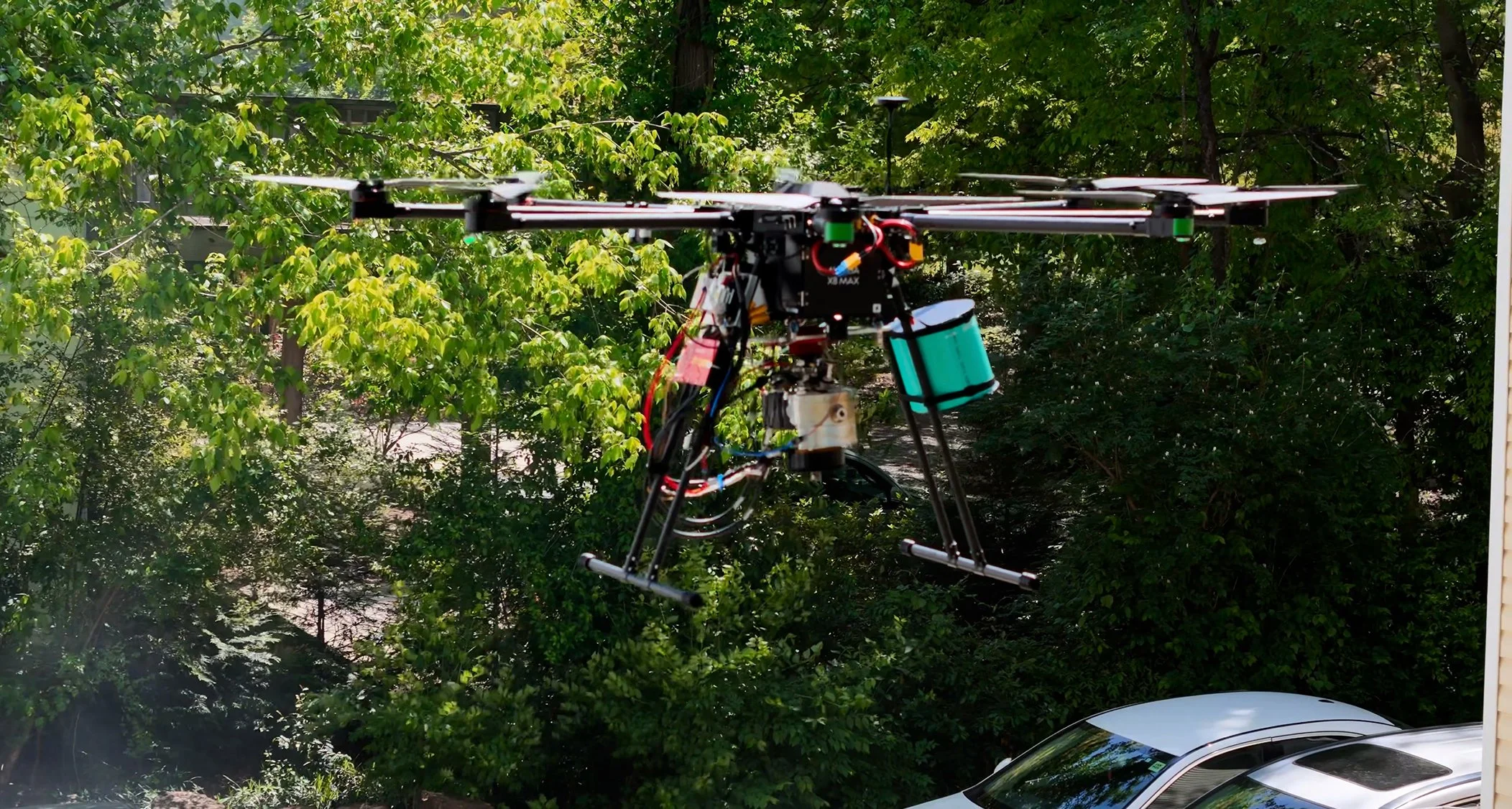
The FlameJackets, a team of Georgia Tech students and faculty, are developing a hybrid fuel-electric drone to detect and suppress wildfires autonomously. Born out of Georgia Tech’s Vertically Integrated Projects (VIP) program, the team is now a strong contender in the $11 million XPRIZE Wildfire competition.
Fashioning a Sustainable Future from Fungi
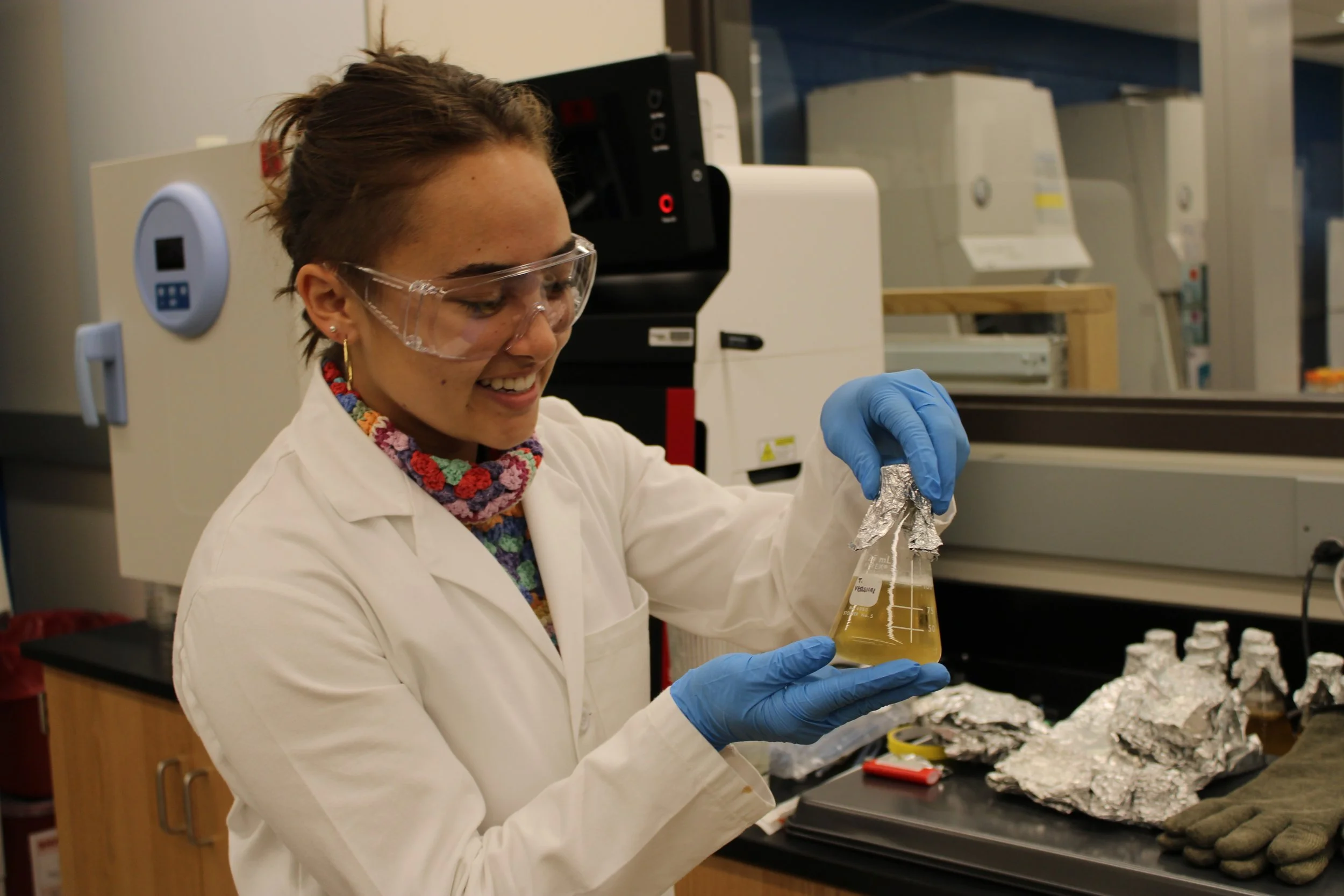
“It’s the smell of the future,” says Mya Love Griesbaum, reflecting on her work with fungi. The 21-year-old materials researcher has come to appreciate the earthy odor of decomposing matter, a scent that symbolizes possibility: a future where fungi clean up pollution and transform the fashion industry. As the founder of Mycorrhiza Fashion, she is developing a sustainable approach to textiles by cultivating fungi-derived materials that can help address the pollution problem in the fashion industry.

The Atlanta Startup Coaching Teams of All Abilities
Research shows that people with disabilities stay at a workplace 50% longer than their non-disabled peers. However, according to the U.S. Bureau of Labor Statistics, in 2024, the employment-population ratio for people with disabilities was 22.7%, compared to 65.5% of people without disabilities. That’s why In Good Company is coaching leadership on how to expand their teams to include people of all abilities.
Parkent: The Smart Lock Startup Charging Atlanta’s E-Bike Revolution
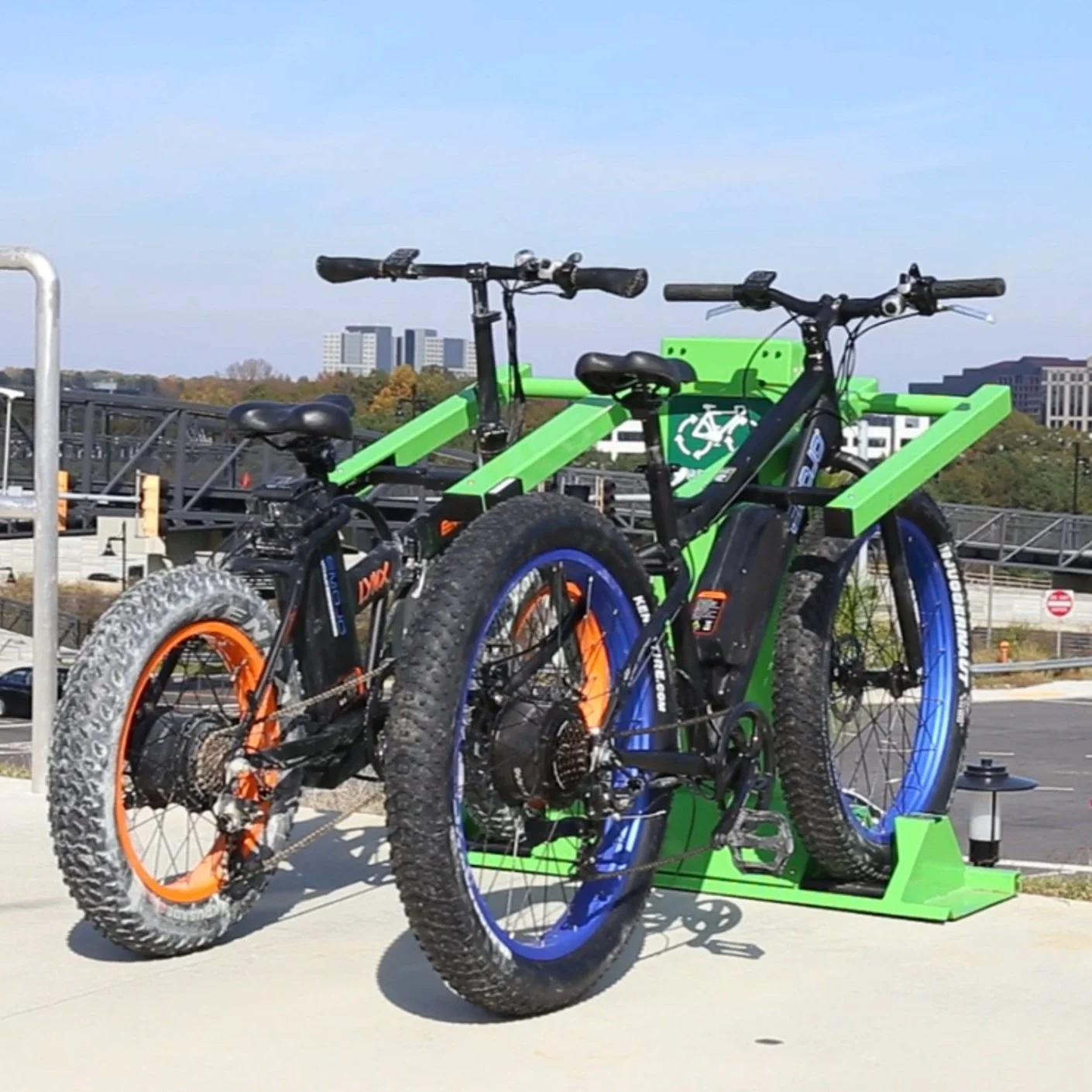
Thad Oviatt, Founder and CEO of Parkent, in Atlanta, Georgia, created a smart bike locking company after witnessing a friend fall victim to bike thieves twice in the same week. One of the thieves even left a mocking “thanks” note in his wake. That pivotal instance sparked a lifelong mission for Oviatt to fix bike theft.

Research Showcases Unmanned, Solar-Powered UAVs
Unmanned aerial vehicles (UAVs) have the potential to benefit a variety of industries, from agriculture to military operations. However, their reliance on batteries makes flights shorter and more expensive, while also being detrimental to the planet. Research from Georgia Tech's Schools of Interactive Computing and Computer Science highlights how solar power can make UAVS more sustainable and widespread.

A New Route to Electrification: How Metzev Is Centralizing EV Battery Recycling
Metzev’s software, Amptrail, provides EV recyclers and OEMS with information on delivery schedules, live maps of shipment locations, and a central place to manage and communicate directly with suppliers. Metzev streamlines the process of recovering, processing, and tracing batteries, providing a crucial tool to the EV industry.

How VinoBarrel Is Balancing Tradition and Innovation in the Wine Industry
VinoBarrel is the world's first sophisticated and sustainable wine preservation and pouring system, simplifying the process of serving wine to customers in venues such as resorts. Each barrel system can support two kegs, and using IoT (Internet of Things) sensors, the barrels can preserve, chill, and aerate over 250 full-sized glasses of wine.